Manatee · Sarasota · Hillsborough · Pinellas · Charlotte
Is My Water Hard? Bradenton & Manatee County
Yes — Manatee County water is hard, about 8 grains per gallon. That’s hard enough to spot on your glasses, build scale in your water heater, and shorten the life of your appliances. A water softener is the fix.
What hard water is doing in your home
“Hard” water simply means dissolved minerals — mostly calcium and magnesium. It’s not unsafe to drink, but it leaves its mark: spotty glasses and shower doors, crusty faucets, stiff laundry, more soap and detergent to get the same clean, and scale that builds up inside your water heater and pipes — which is what quietly shortens appliance life across Bradenton, Lakewood Ranch and Parrish homes.
- See it: white spots on glasses, film on shower doors, scale on fixtures
- Feel it: skin that feels filmy after a shower, stiff towels
- Pay for it: more soap/detergent, higher energy bills as scale insulates your water heater, earlier appliance replacement
The fix: a water softener (ion exchange) removes the hardness minerals before they reach your fixtures and appliances — the single highest-impact system for municipal Manatee County homes.
Go deeper — the actual numbers & sources
Manatee County Utilities blends surface water from the Lake Manatee reservoir (fed by the Manatee River) with Floridan aquifer groundwater and disinfects with chloramine (chlorine + ammonia). Reported hardness:
| Measure | Value | Rating |
|---|---|---|
| Hardness (as CaCO₃) | 106–279 mg/L | Hard |
| Grains per gallon | 6–16 gpg | Hard |
Source: Manatee County Utilities 2025 Water Quality Report (PWS 6411132). Water is generally called “hard” above ~7 gpg and “very hard” above ~10.5 gpg.
Other parameters worth knowing (reported above stricter EWG health guidelines — reference guidelines, not legal violations of EPA limits): strontium, chlorate, chromium-6, and lead (tap-dependent), plus haloacetic-acid disinfection byproducts that form with chloramination. No PFAS were detected in recent testing. Softeners are certified to NSF/ANSI 44 for hardness reduction; carbon/RO address chloramine, byproducts and metals at the tap. Always read your annual CCR for the current year’s figures.
Verify current figures in the Manatee County 2025 Water Quality Report (mymanatee.org → Utilities → Water Quality).
Get your free water test →
4.7★ from 212 Google reviews · WQA Gold Seal Puronics dealer · Our own techs, no subcontractors
Request your free water test
★★★★★ 4.7 — a few details and we reach out, usually same day.
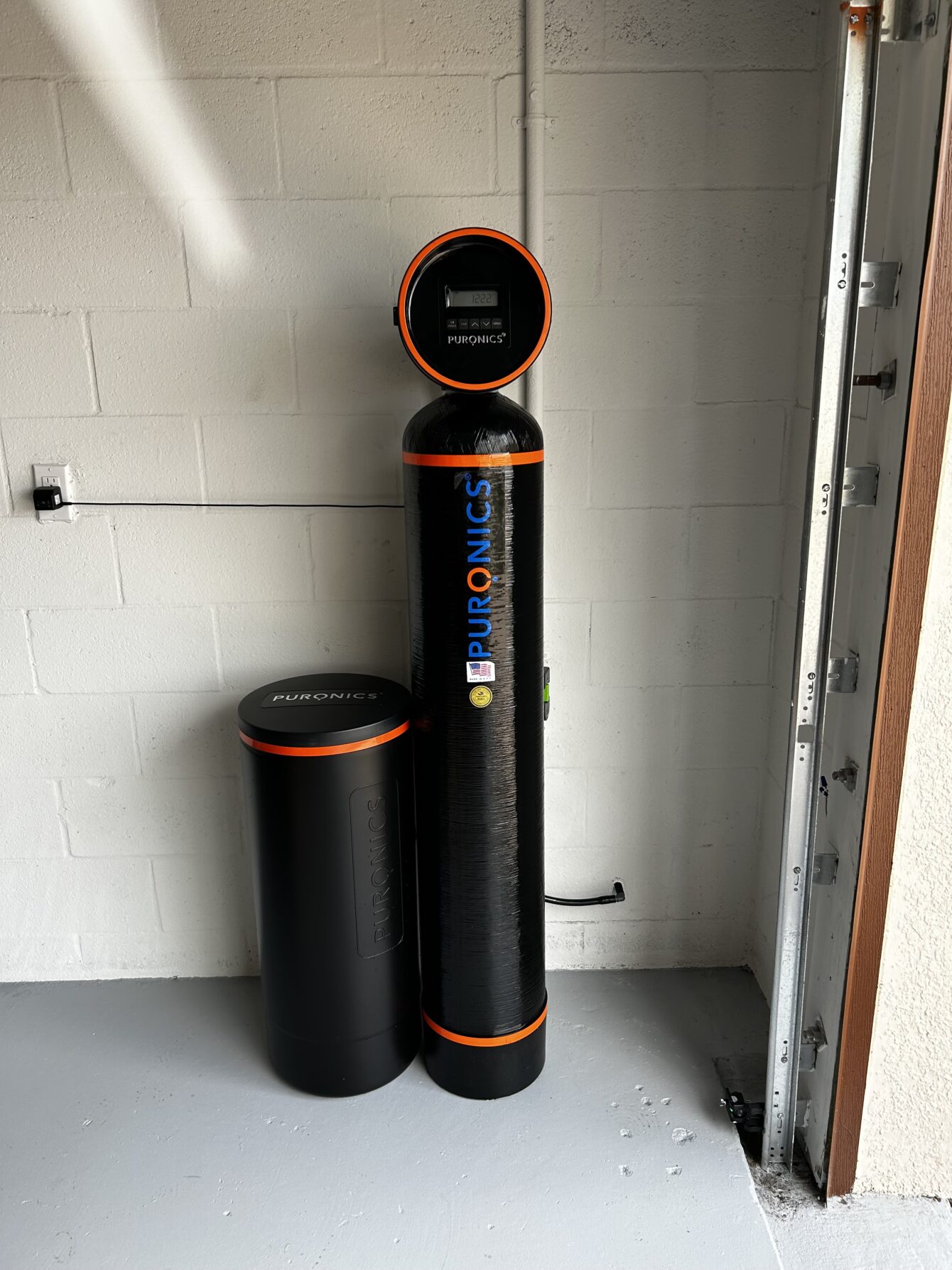
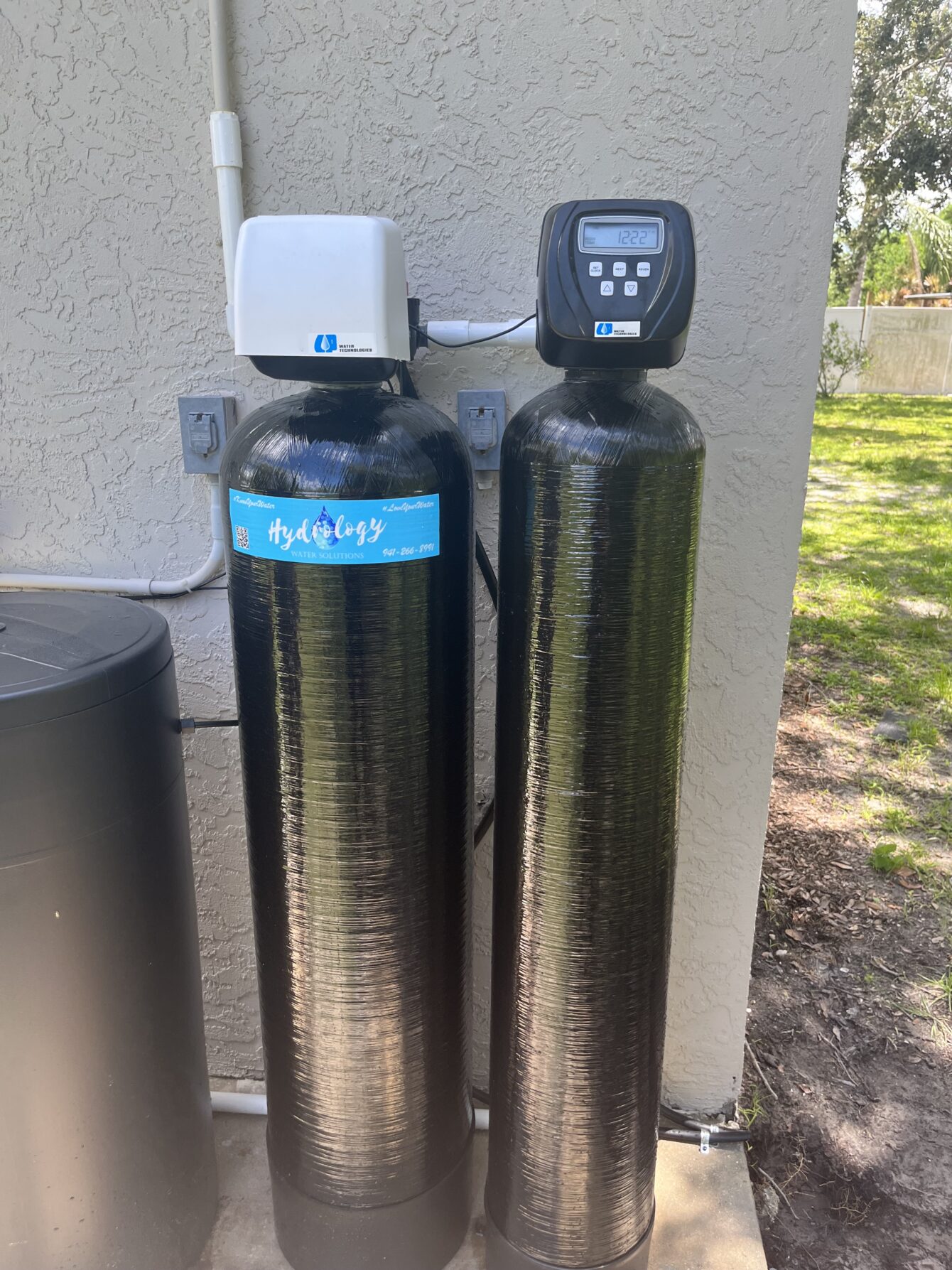
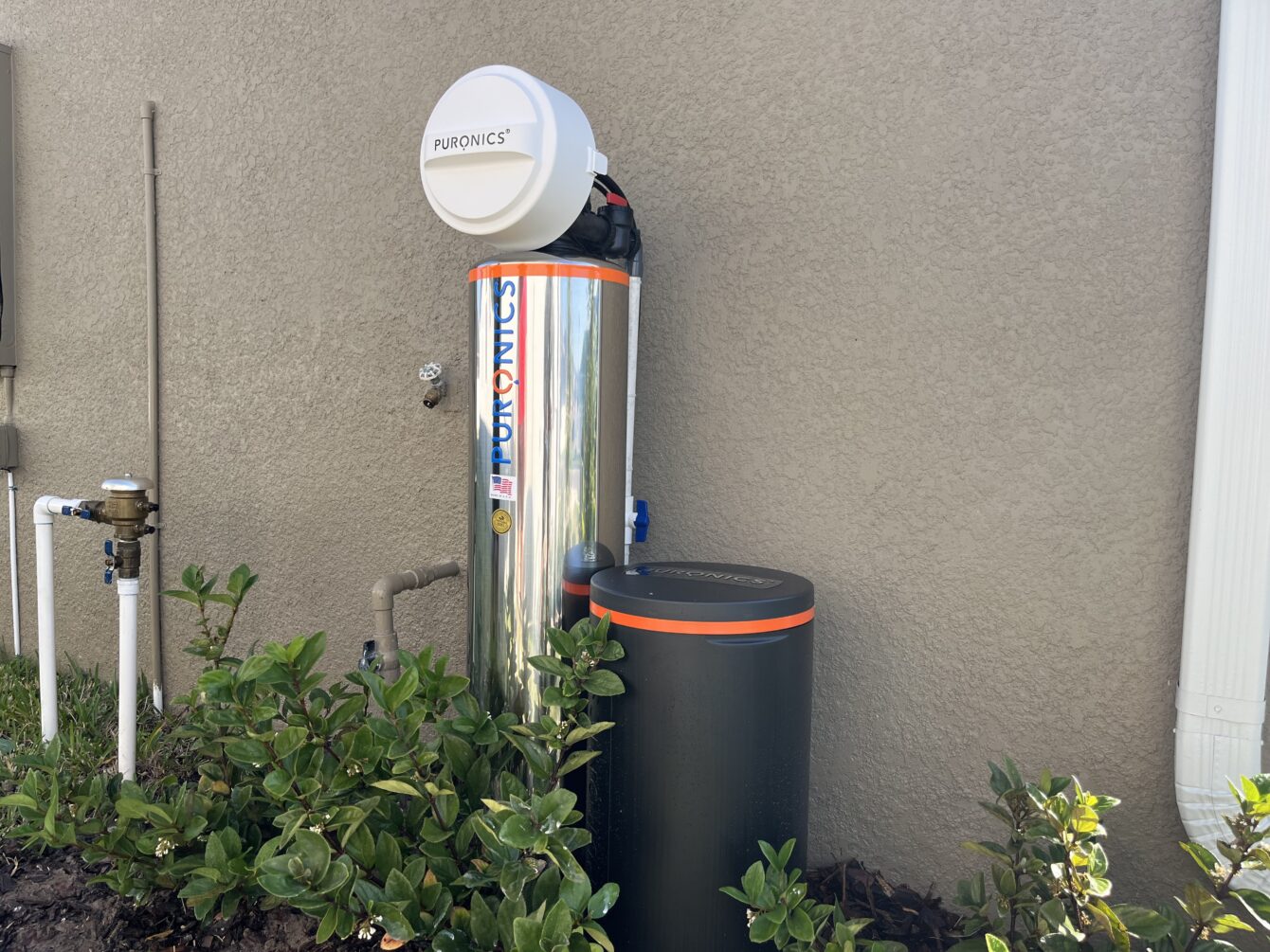
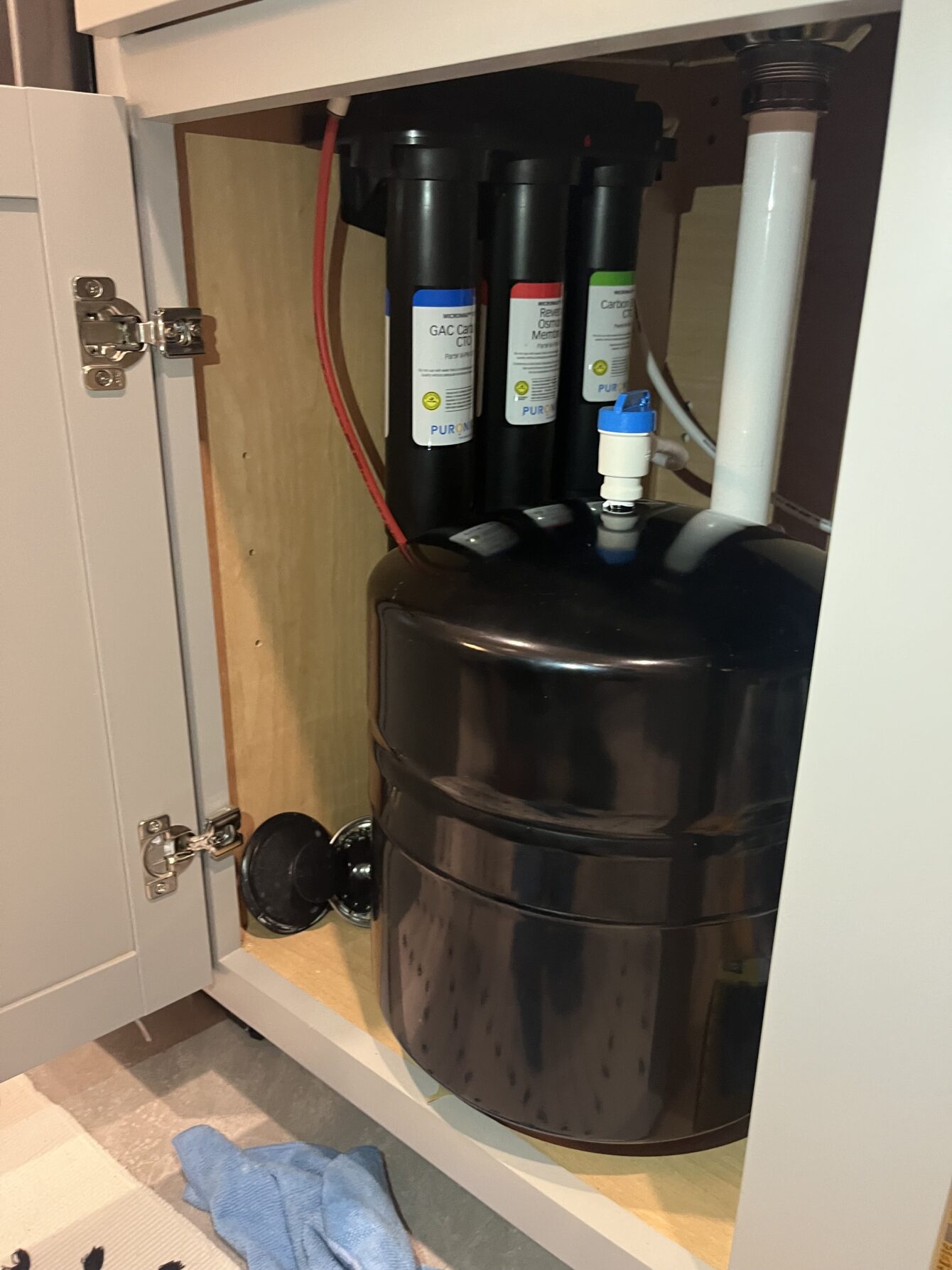
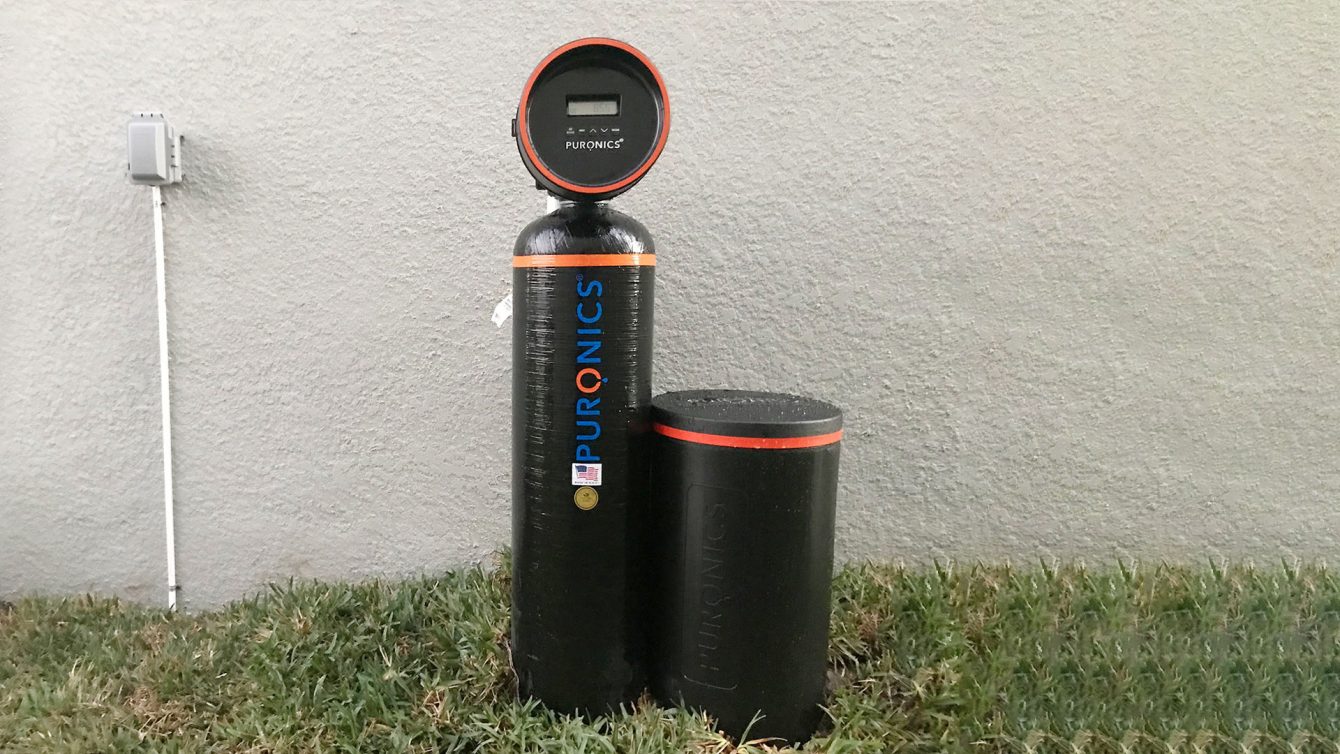
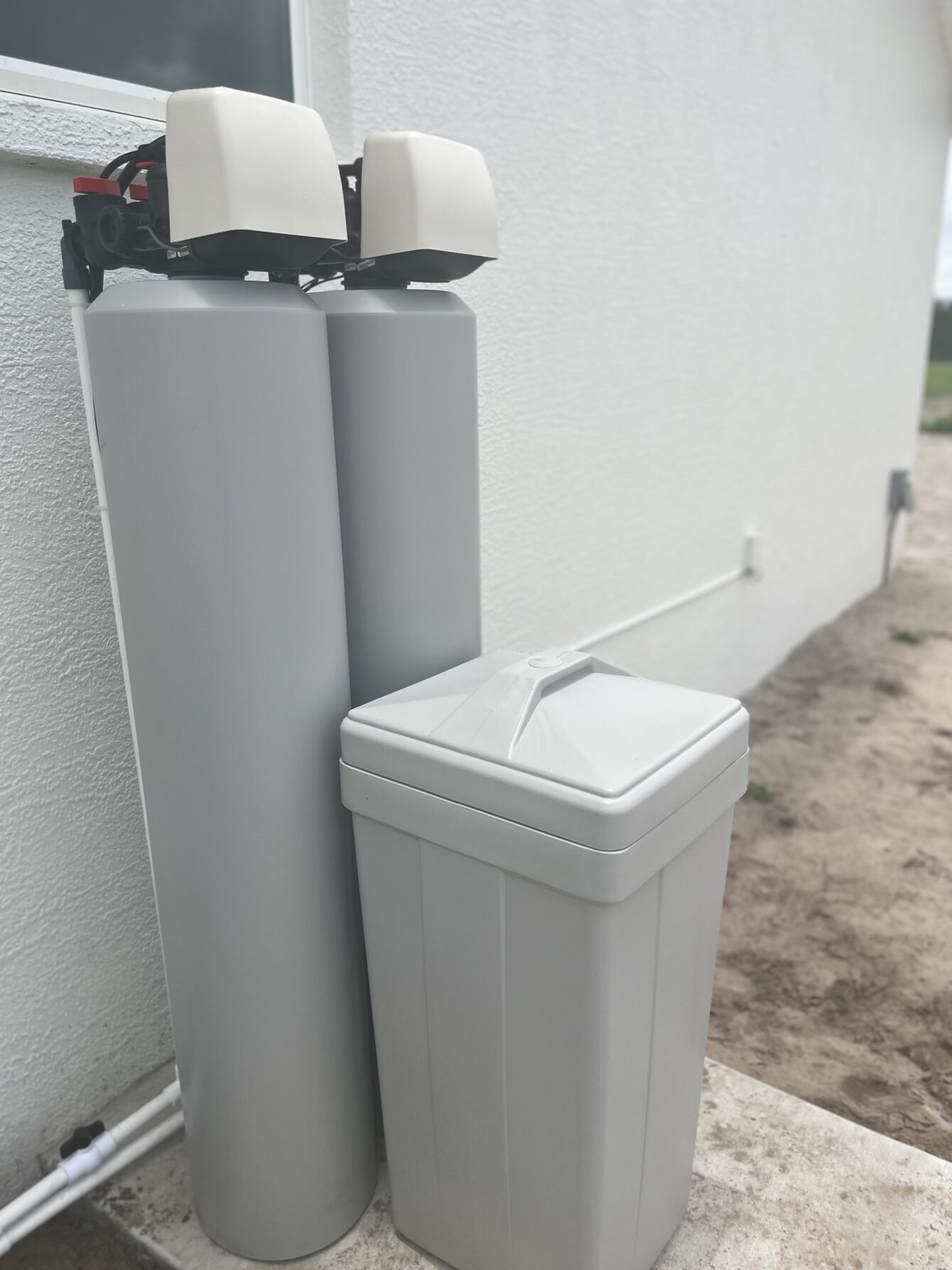
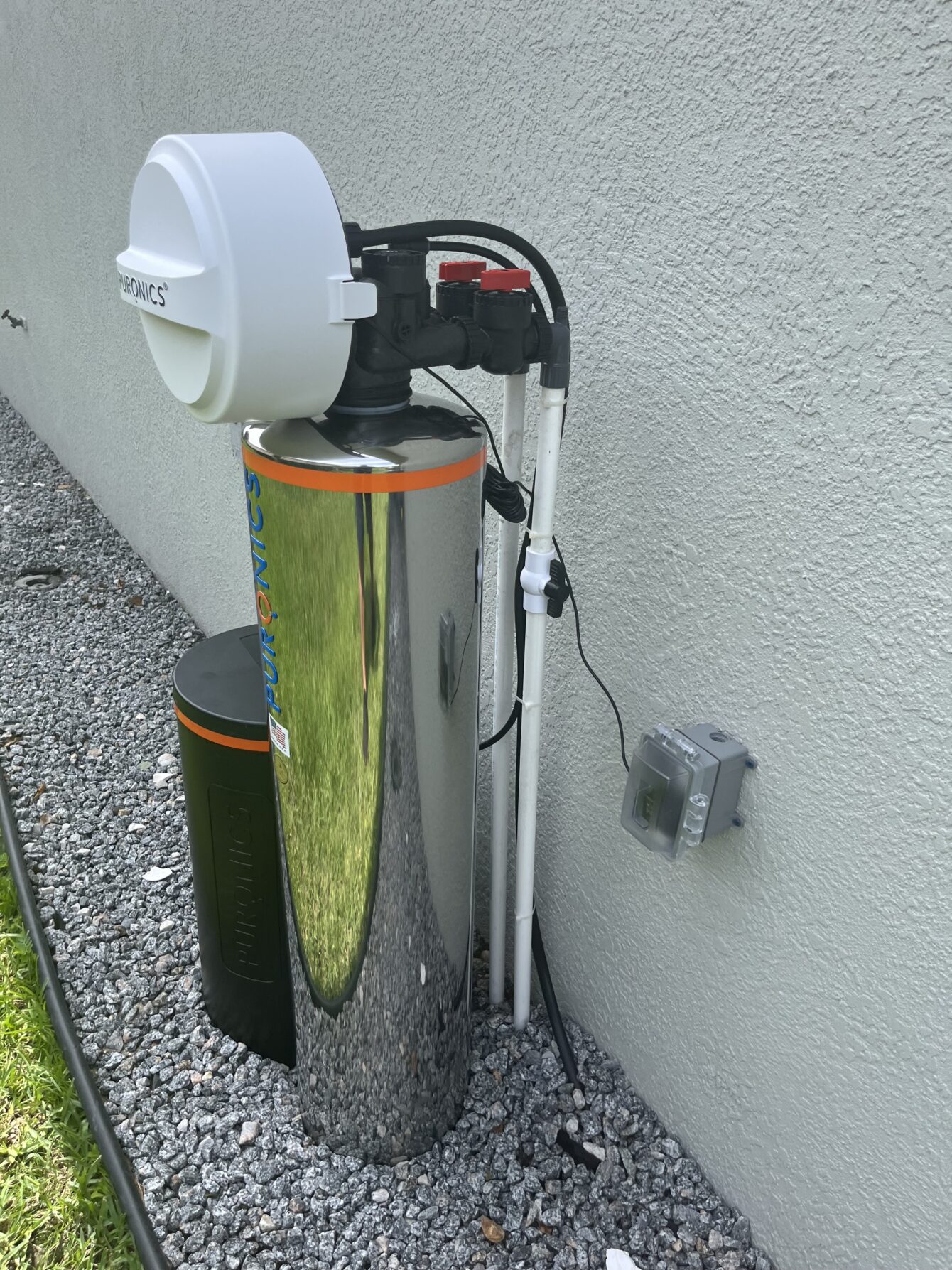
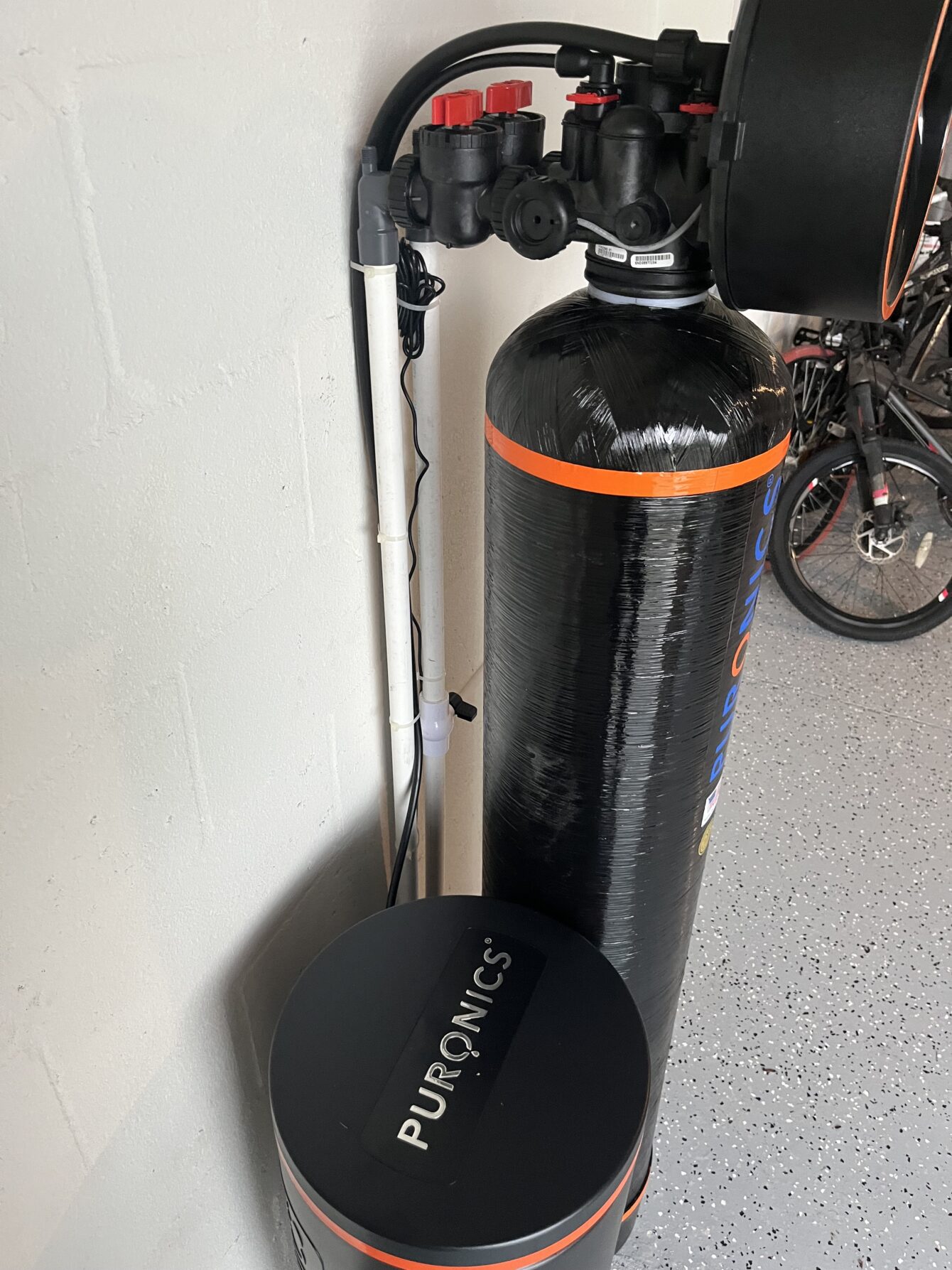
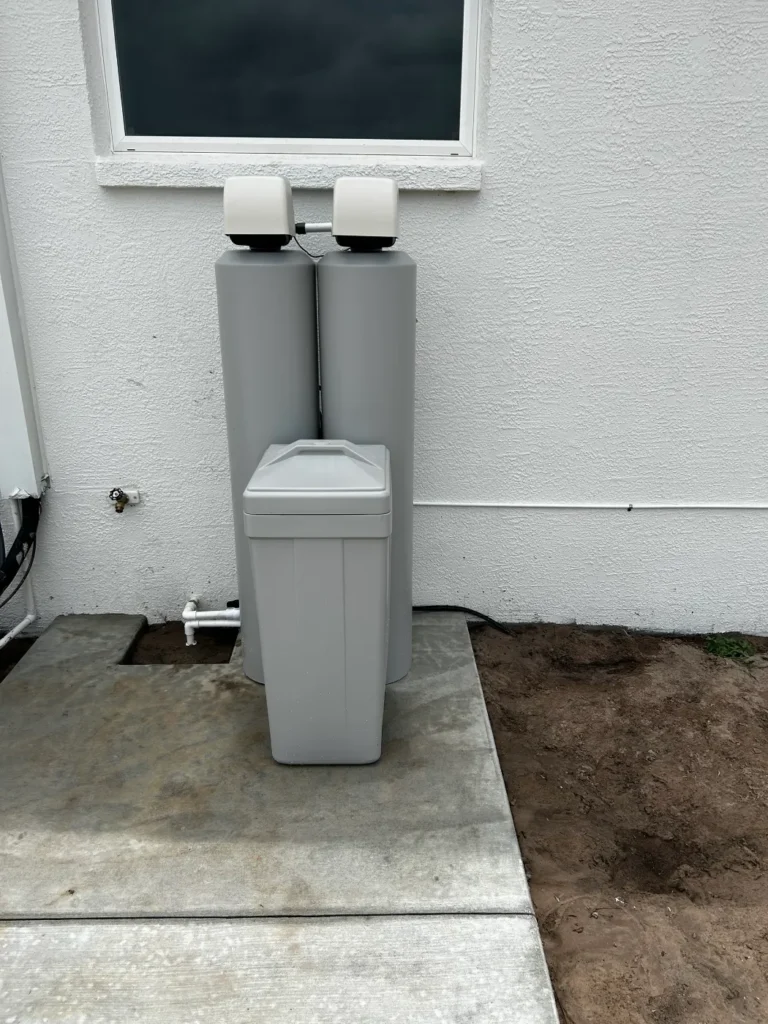
Our install · a real job, not stock
What your neighbors say
4.7★ from 212 Google reviews.
“I cannot say enough amazing things about this company and system! We had three companies come out and Hydrology stood out on every level.”
“We’ve had our system now a month and absolutely love it. My wife is a hair beautician with over 30 years of experience and definitely can tell the difference with the water.”
“Wow, I can definitely feel a difference in my hair, skin, and when I wash my hands. I knew getting a water softener was a priority and I’m so glad I decided to go with Hydrology.”
Every review is on our Google profile — read all of them there. We don’t cherry-pick; we just answer the phone.
Straight answers
Common questions
What people in your area ask before they call.
More water answers →
What hard water does to a home: the Battelle study →
Is the water hard in Manatee County?
Manatee County’s Lake Manatee municipal supply is lime-softened at the plant, so it’s less hard than well water — but it still carries some hardness plus chloramine, which brings a chemical taste and odor. Homes on wells are typically harder. A free in-home test shows your exact numbers.
How do I know if I have hard water?
The signs are spots on glasses and dishes, white scale on faucets and showerheads, film on shower doors, soap that won’t lather, and stiff laundry. Over time that scale also builds up inside water heaters and appliances. A quick test confirms whether hardness is the cause.
How is water hardness measured?
Hardness is usually reported in grains per gallon (gpg) or parts per million (ppm) — the higher the number, the more scale and spotting you’ll see. Water under about 1 gpg is considered soft; most homes here test well above that. A tech walks you through your specific number.