Water products · whole-home · drinking water · well
Every system we install.
Nothing we don’t.
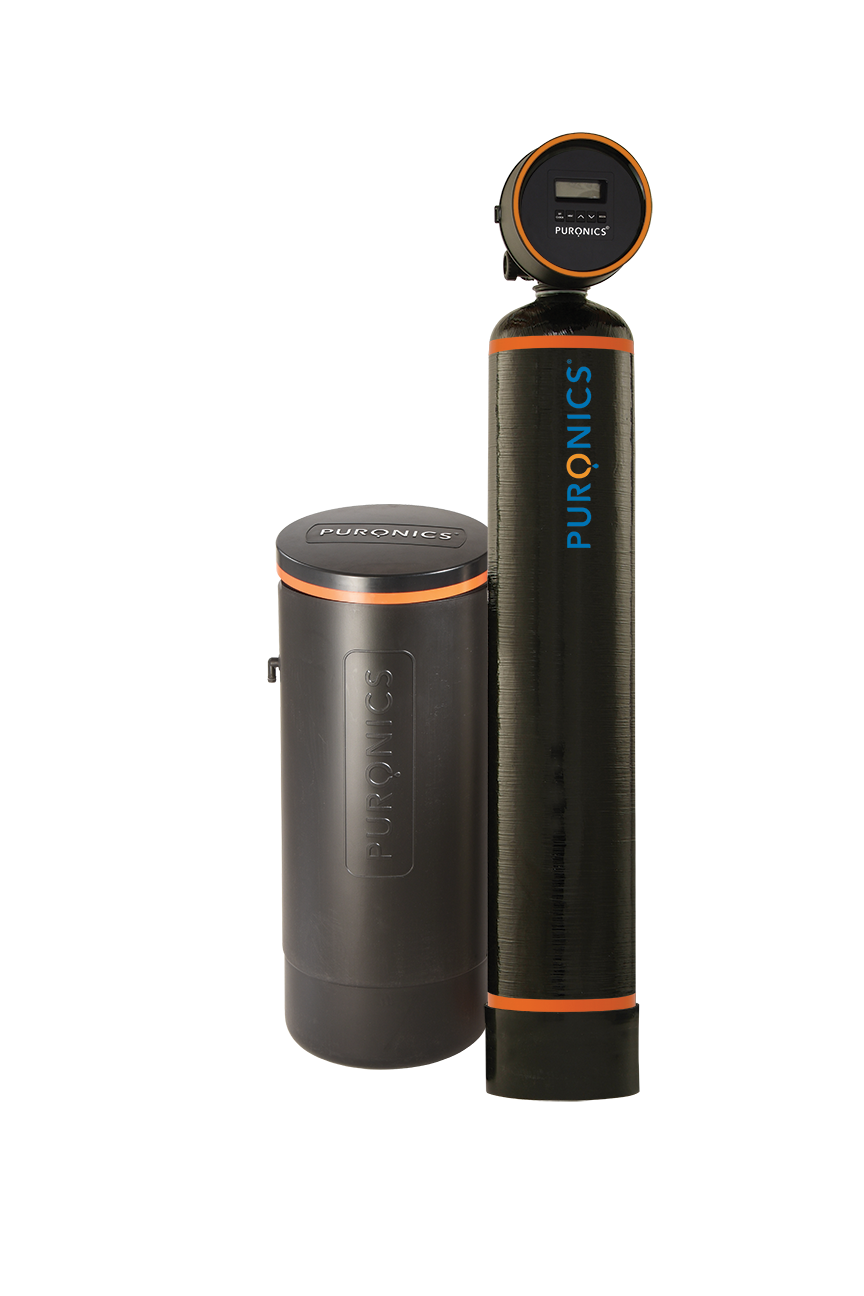
Six systems cover almost every home in Manatee, Sarasota, Hillsborough, Pinellas and Charlotte. Each one is either third-party certified to an NSF/ANSI standard or built by us on US-made Clack valves — and every one is sized to your water at the free test, not sold from a brochure.
4.7★ from 205 Google reviews · WQA Gold Seal Puronics dealer · Our own techs, no subcontractors
Request your free water test
★★★★★ 4.7 — a few details and we reach out, usually same day.
Products we offer
Certified. Warranty-backed.
Installed by us.
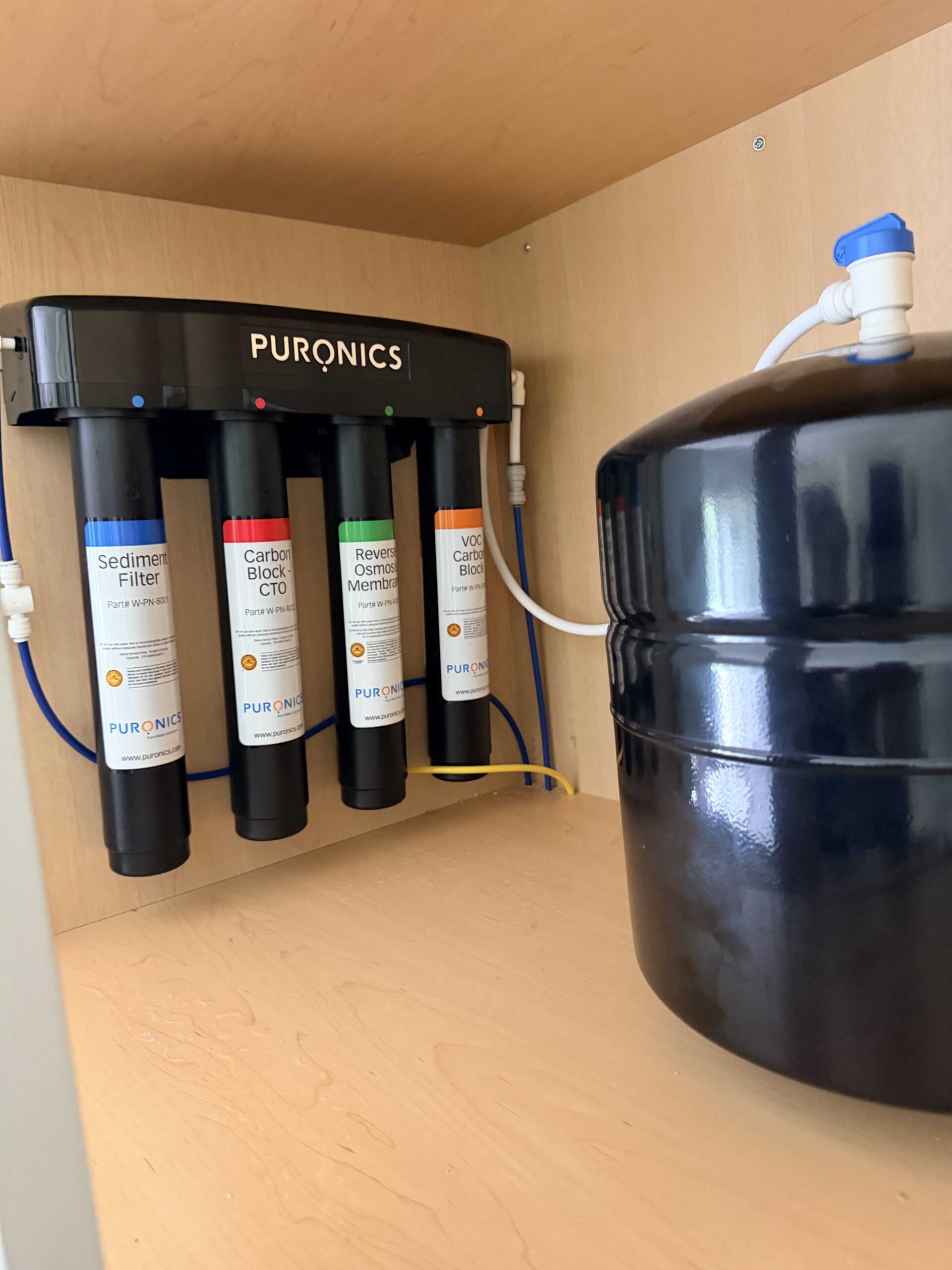
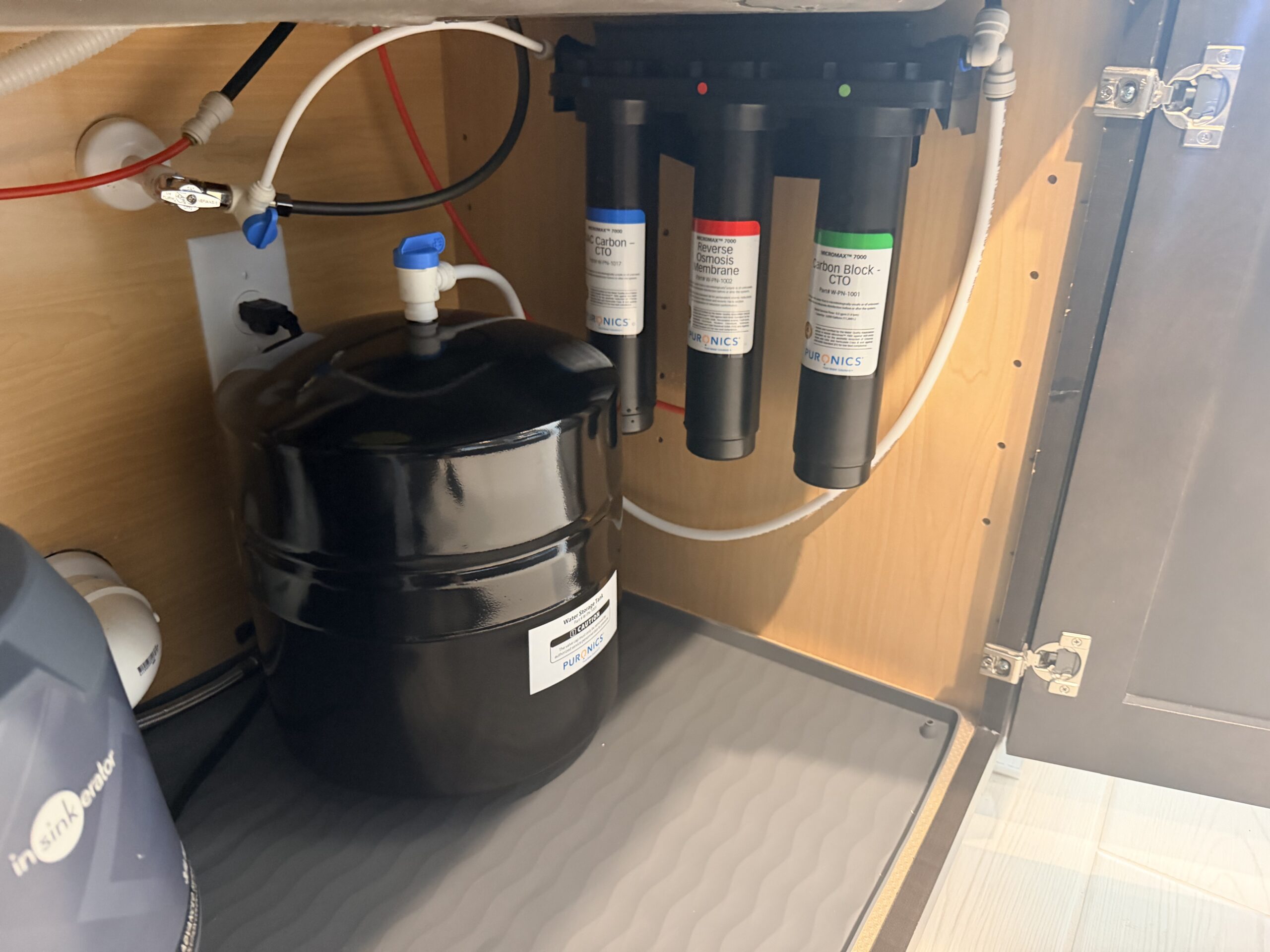
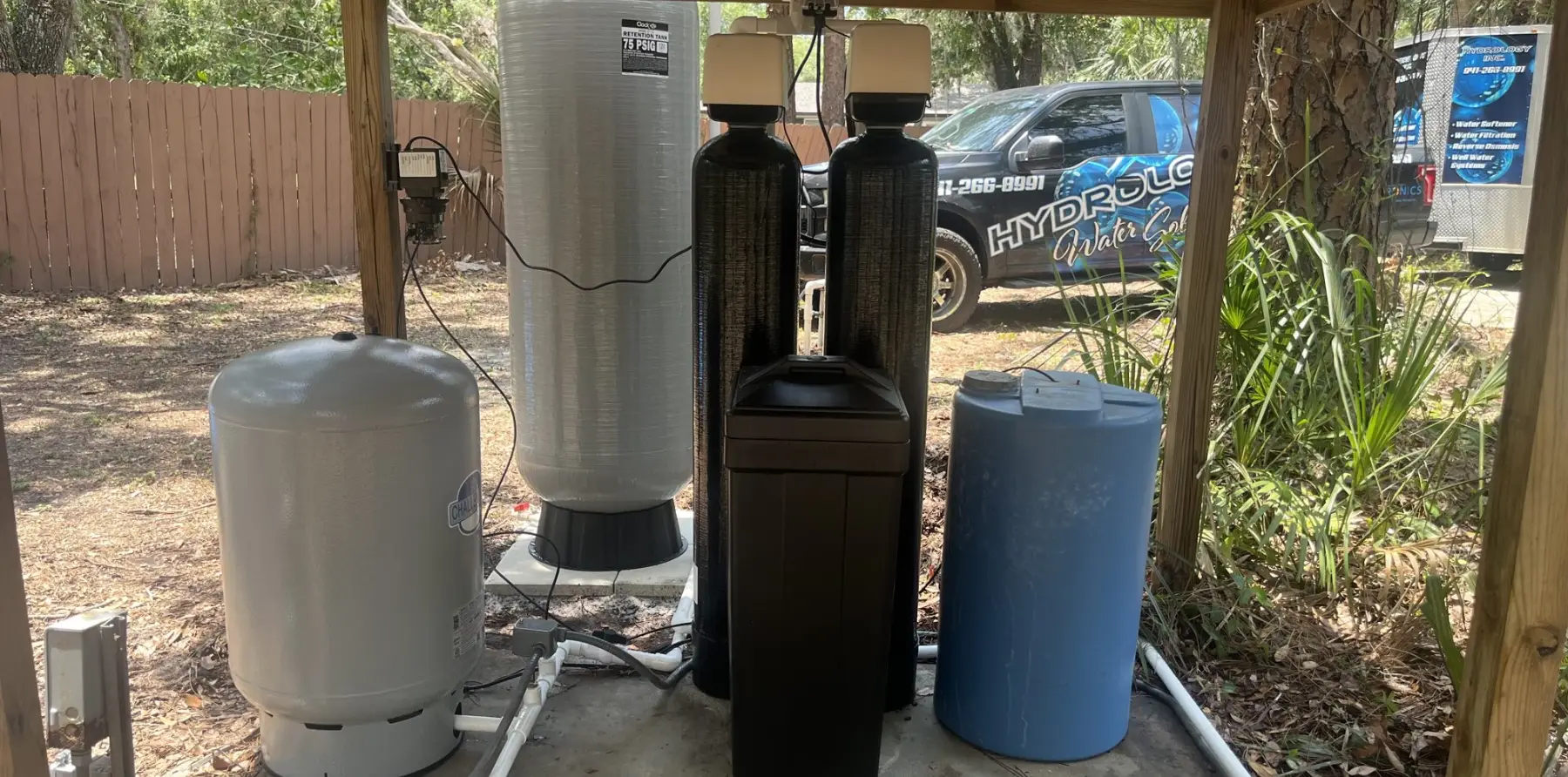
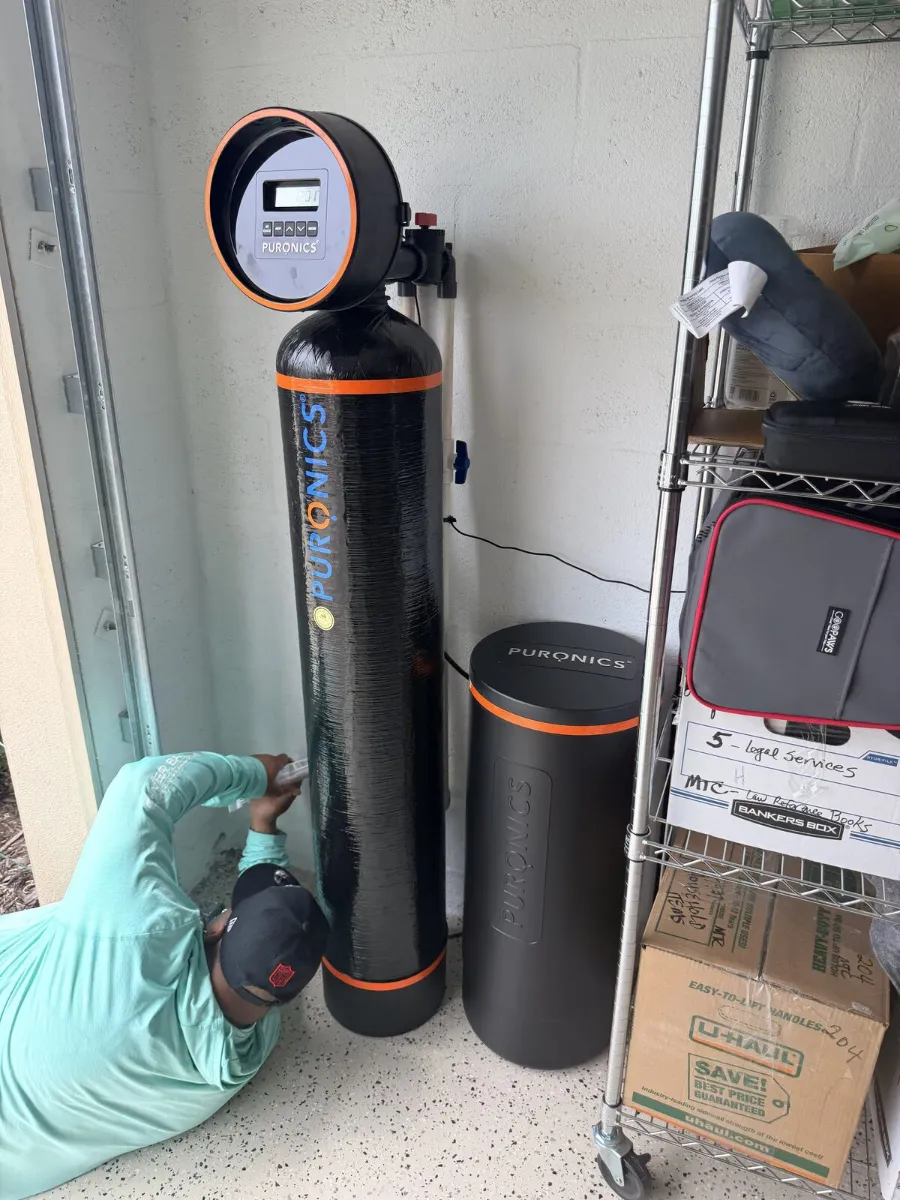
Every certification above is a per-model listing you can check yourself on wqa.org. Not sure which one is yours? Start with the free water test.
The families, plainly
What each one is for —
and what it isn’t.
Not sure which one?
What’s your water
doing to you?
You don’t need to know the chemistry. Pick the thing you see, smell or feel — that’s usually enough to know which part of the house it starts in.
Why we always start with whole-home: it protects the plumbing and every appliance downstream — water heater, dishwasher, washer, ice maker — so it’s the foundation. A drinking-water system stacks on top only if your report or your taste calls for it. Not sure which one is you? Type your zip and answer four questions →
Our work
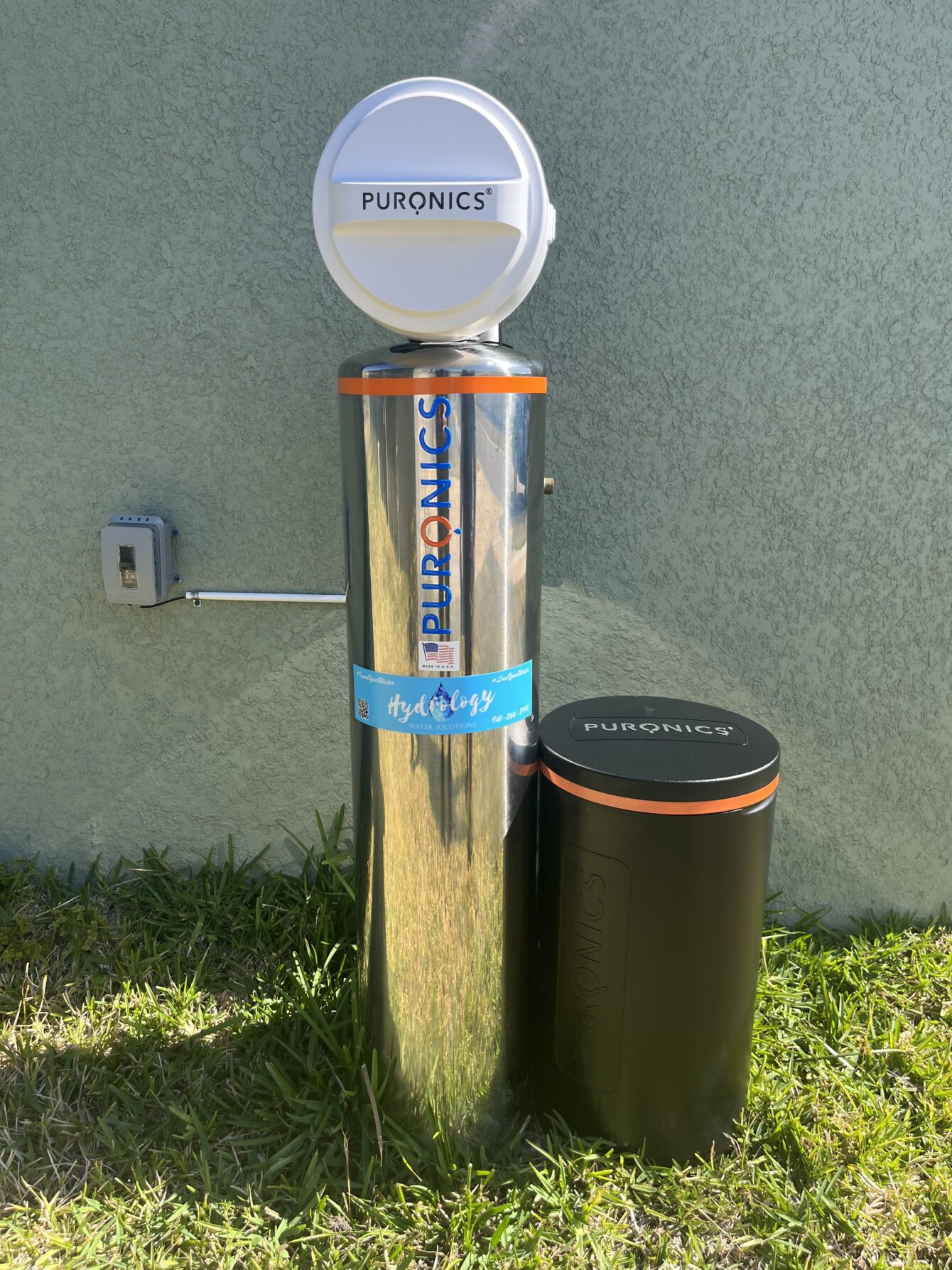
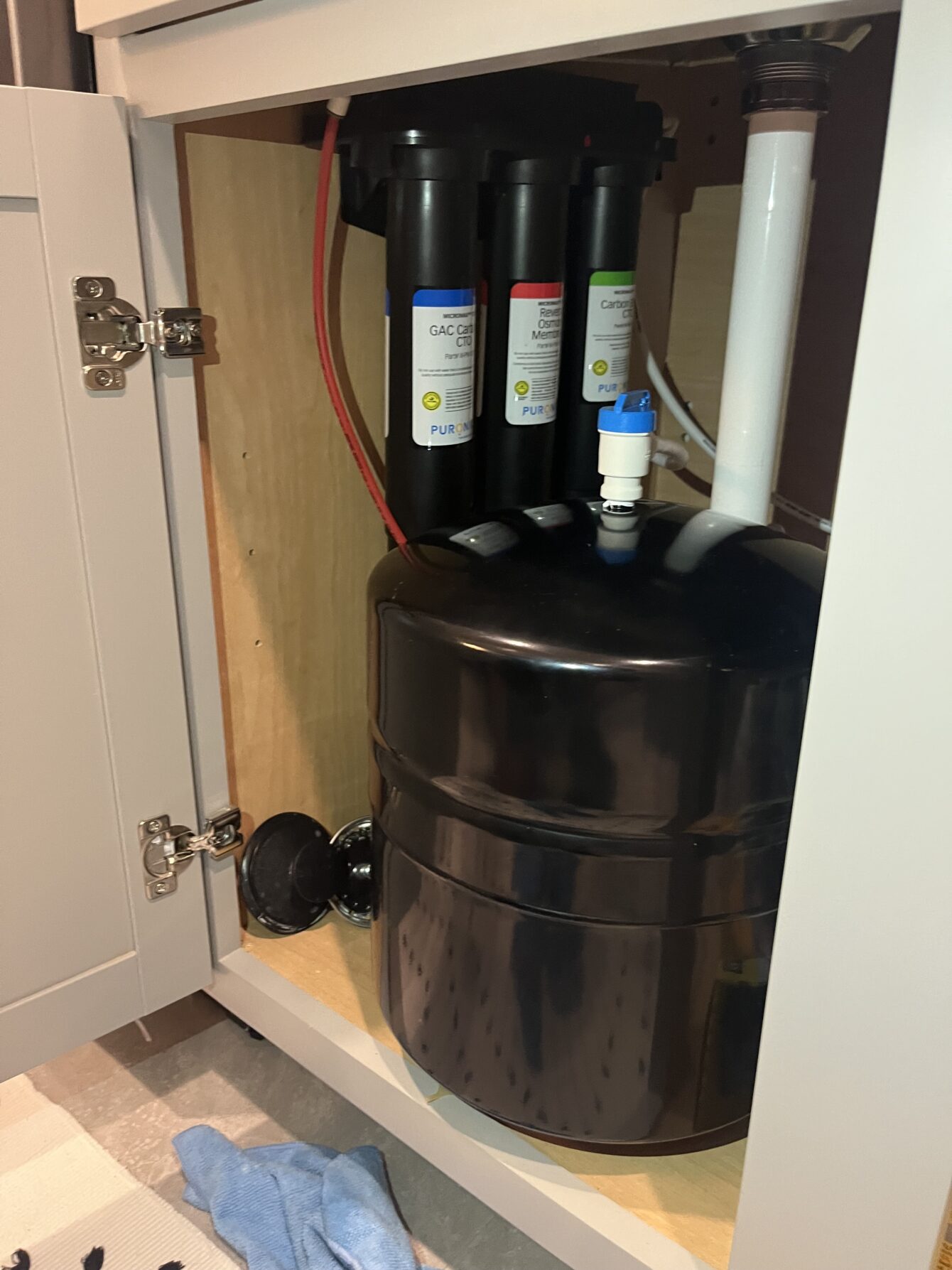
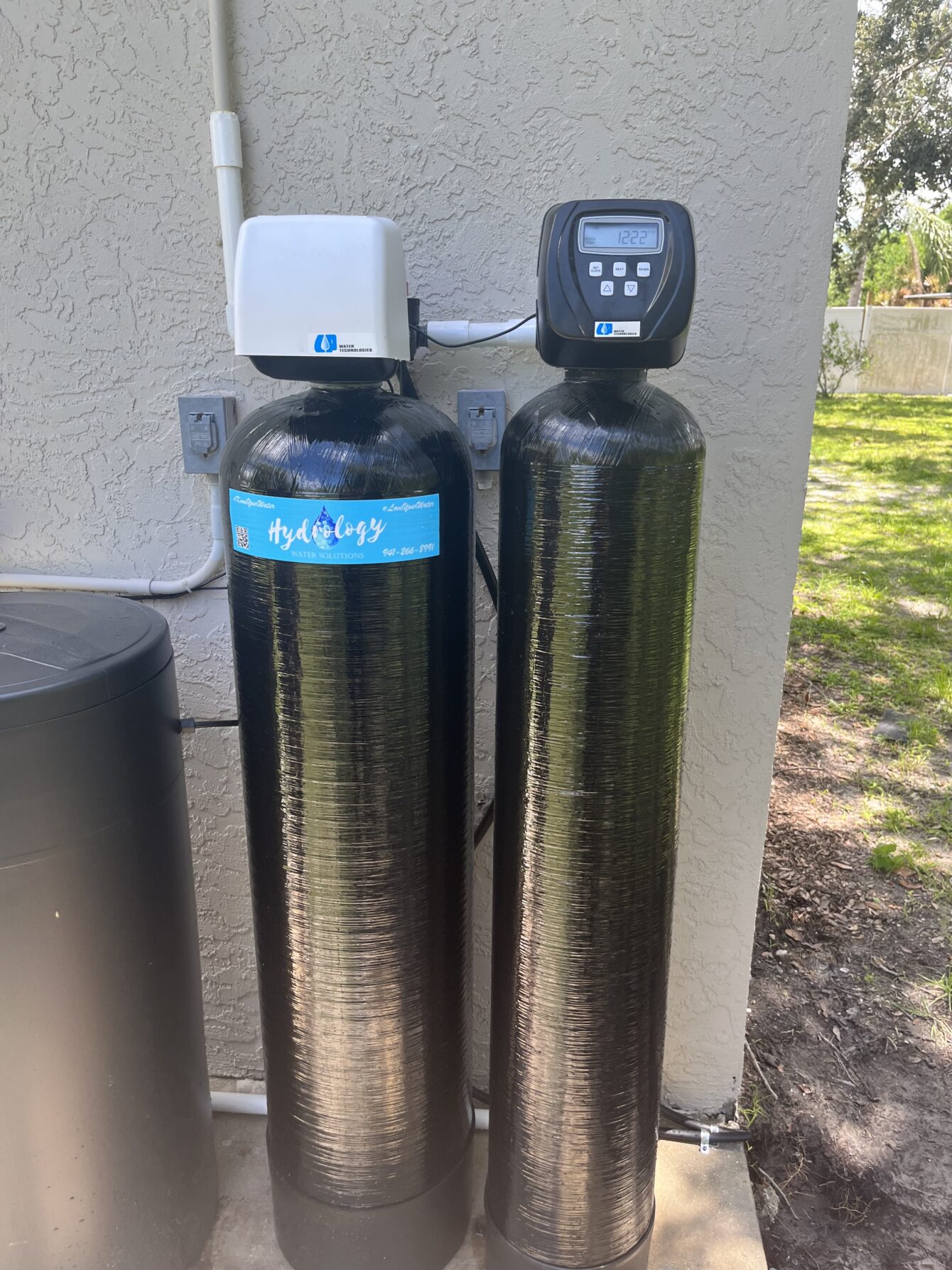
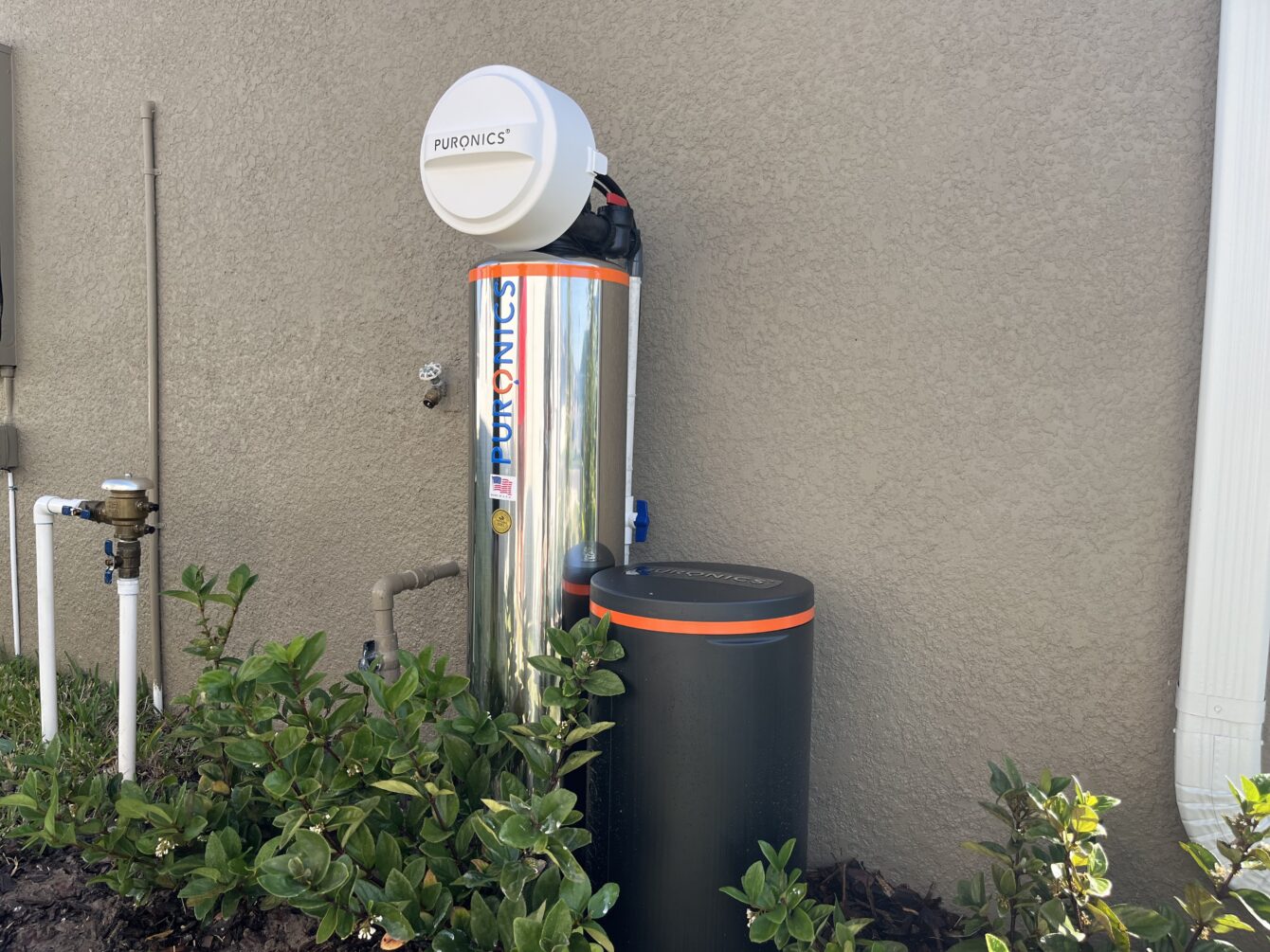
Recent installs
around the Suncoast.
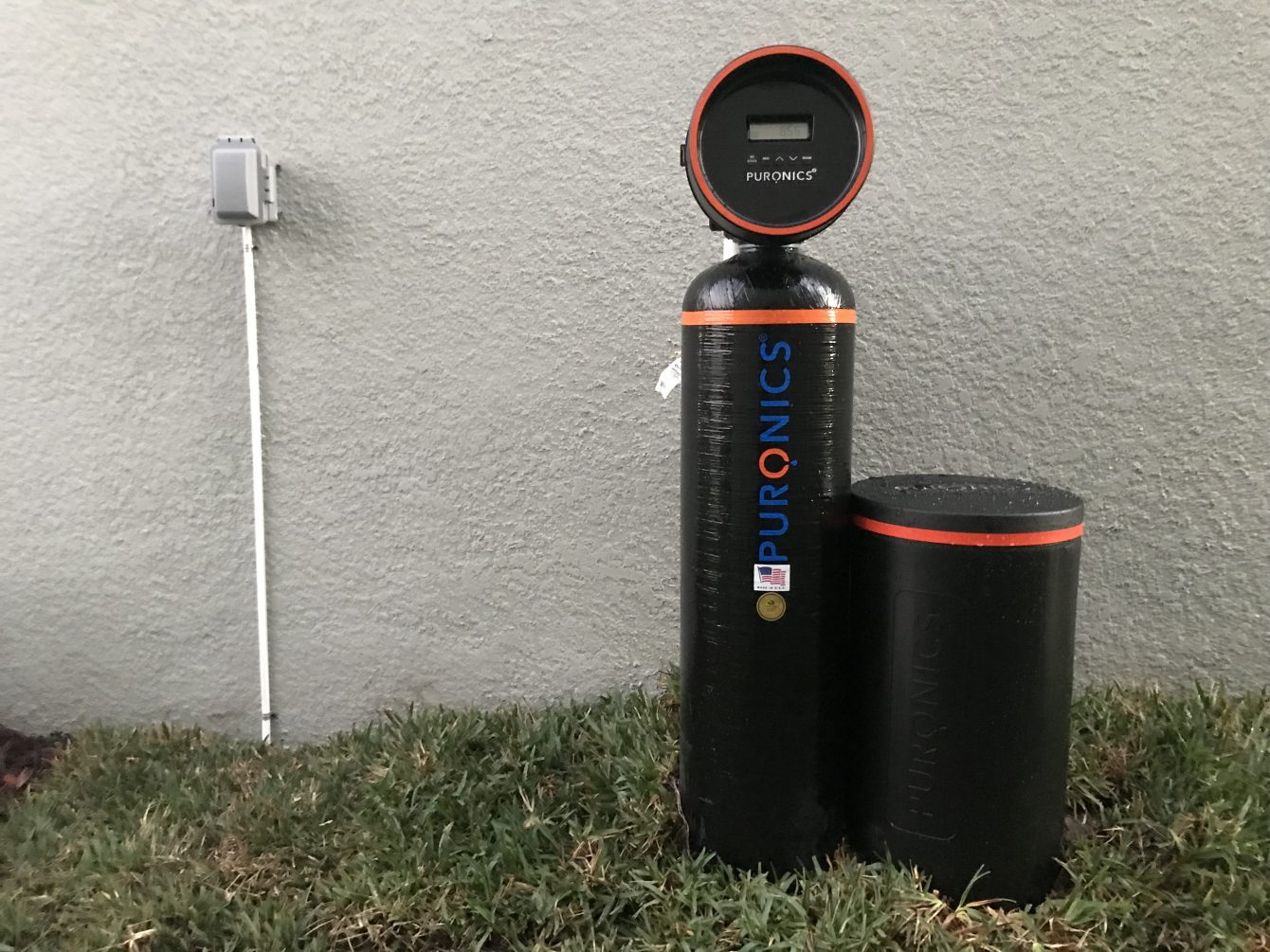
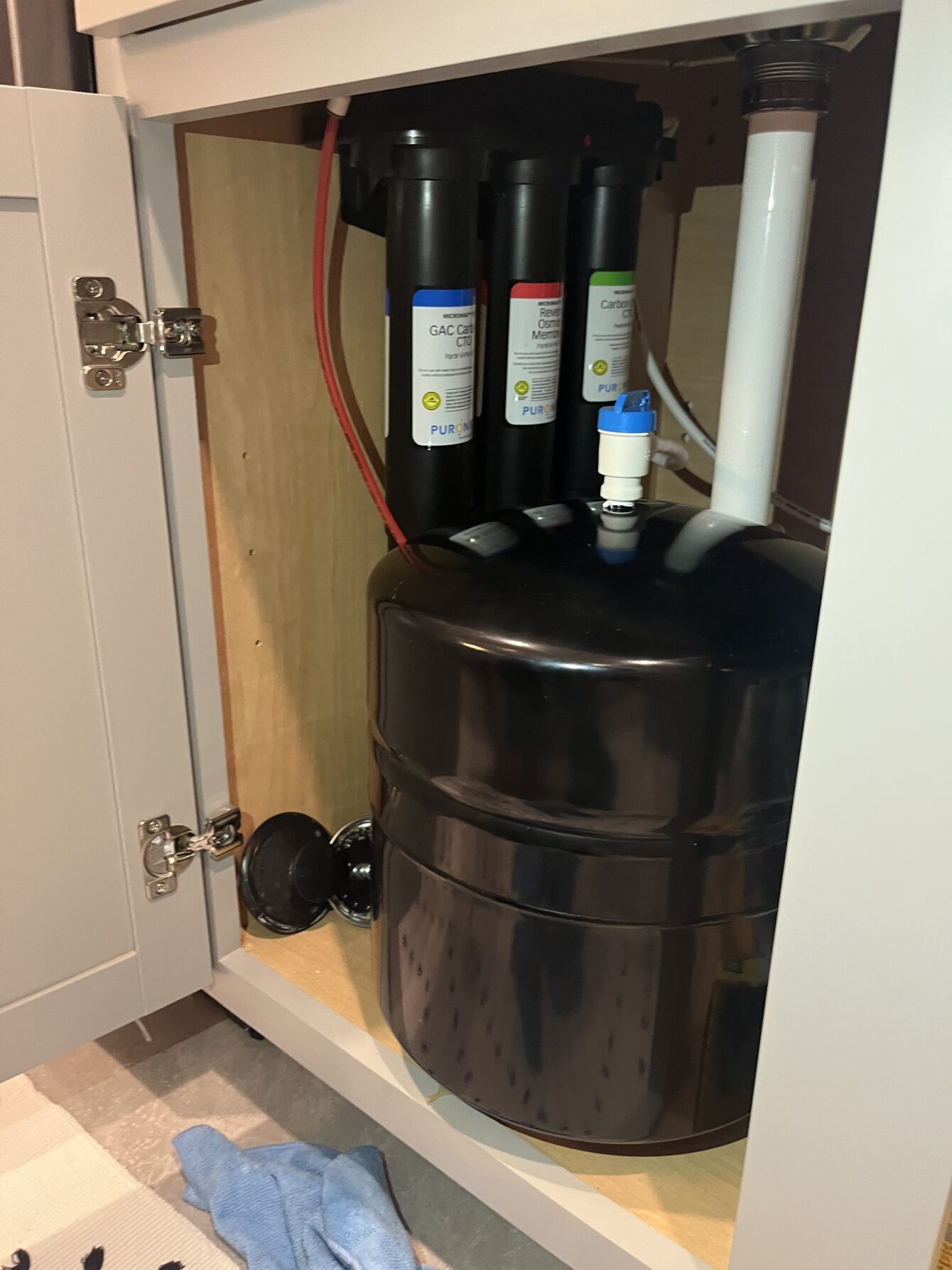
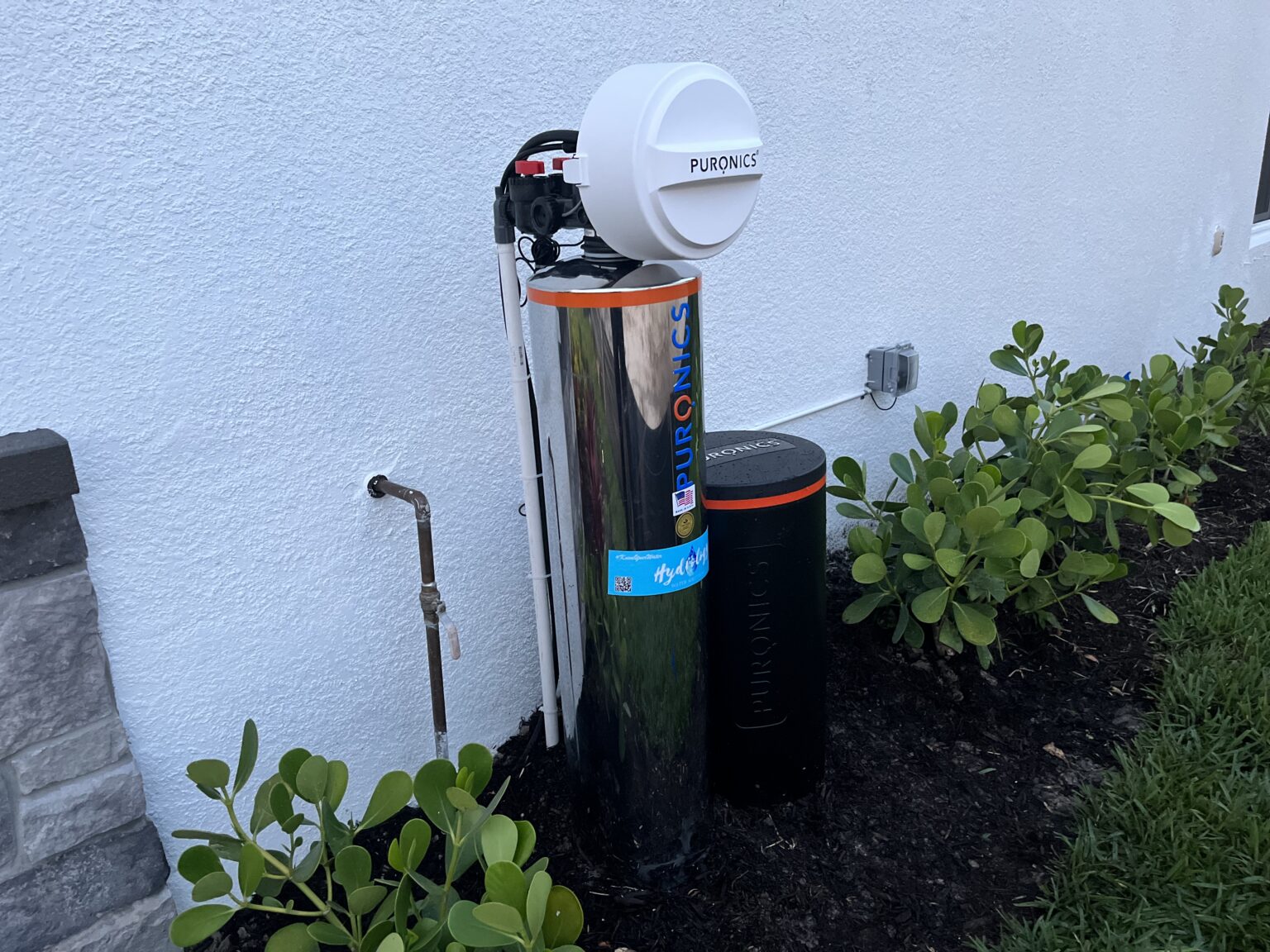
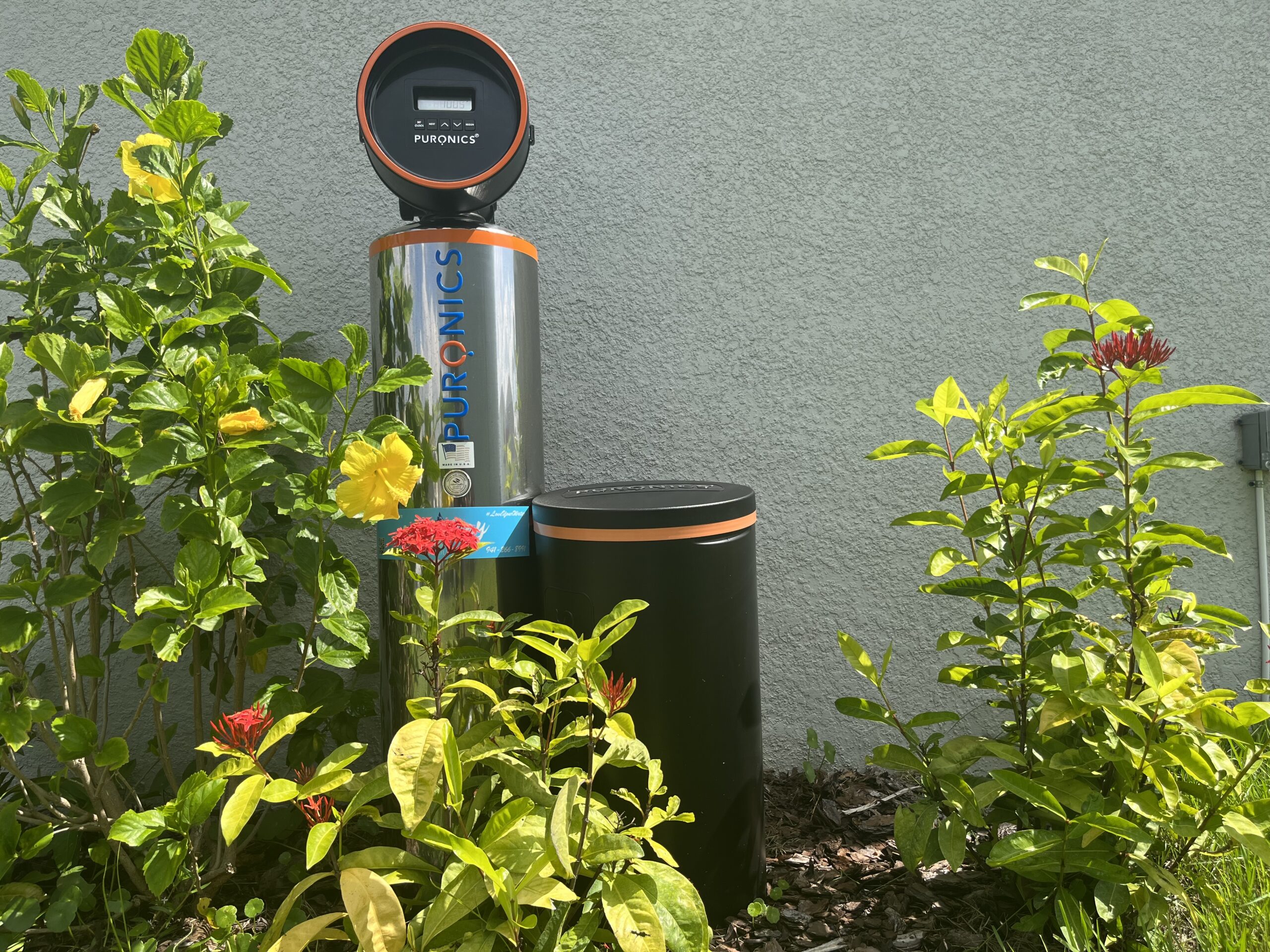
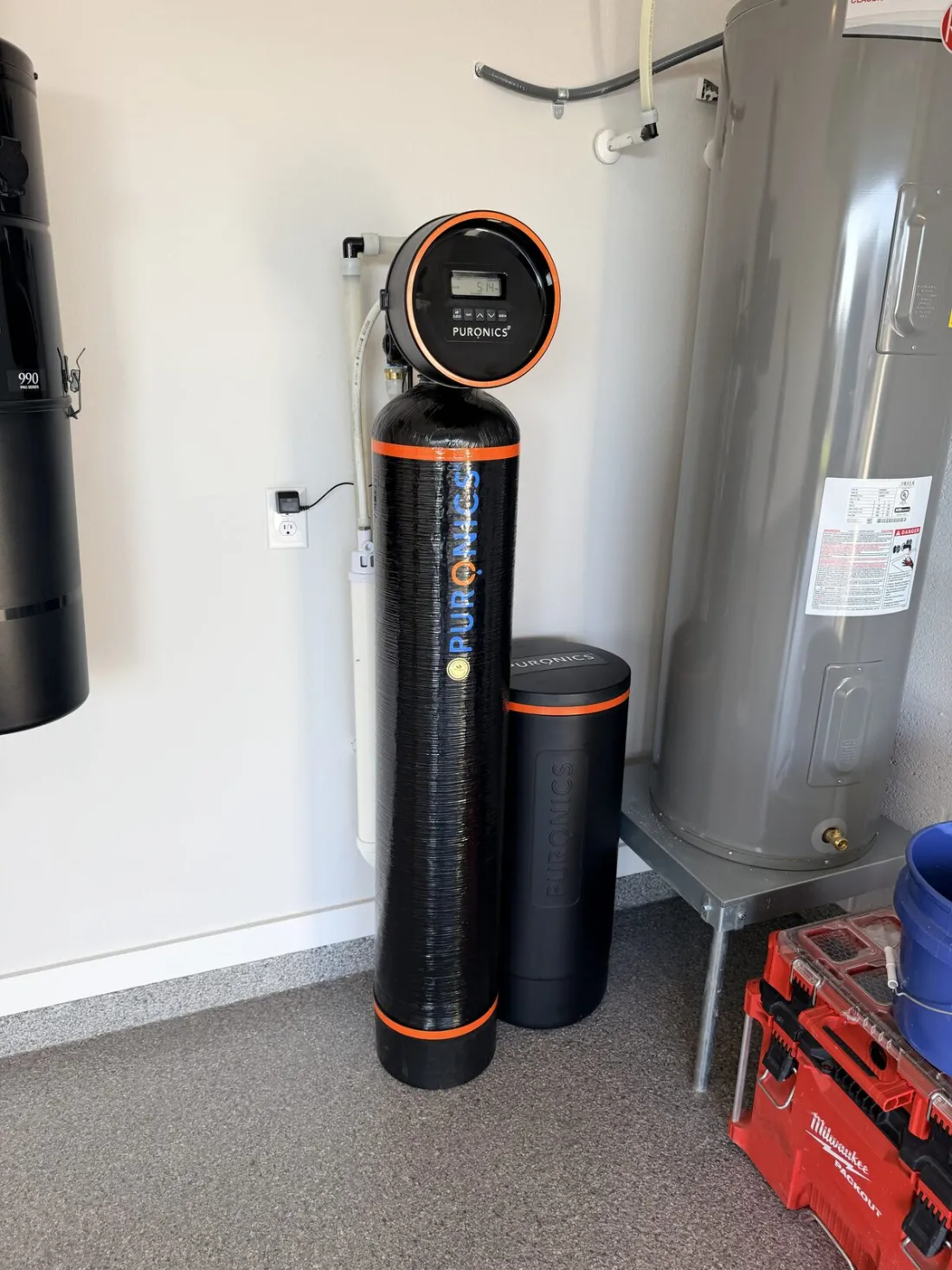
Real systems our team has installed — slide through, tap any photo to enlarge.
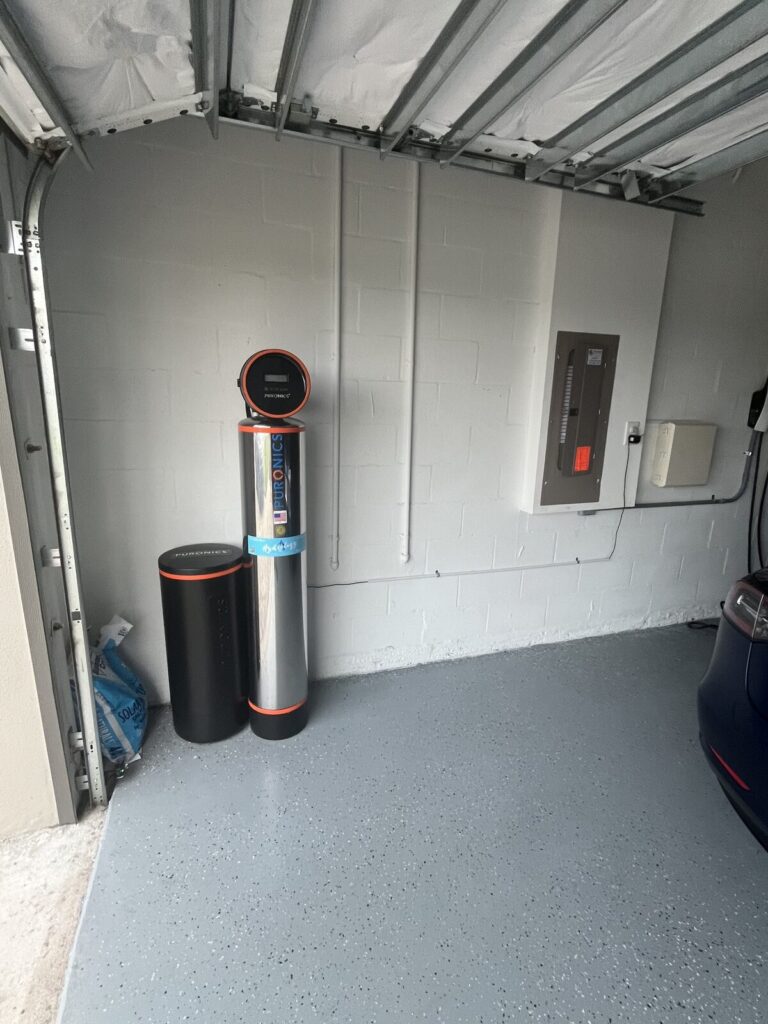
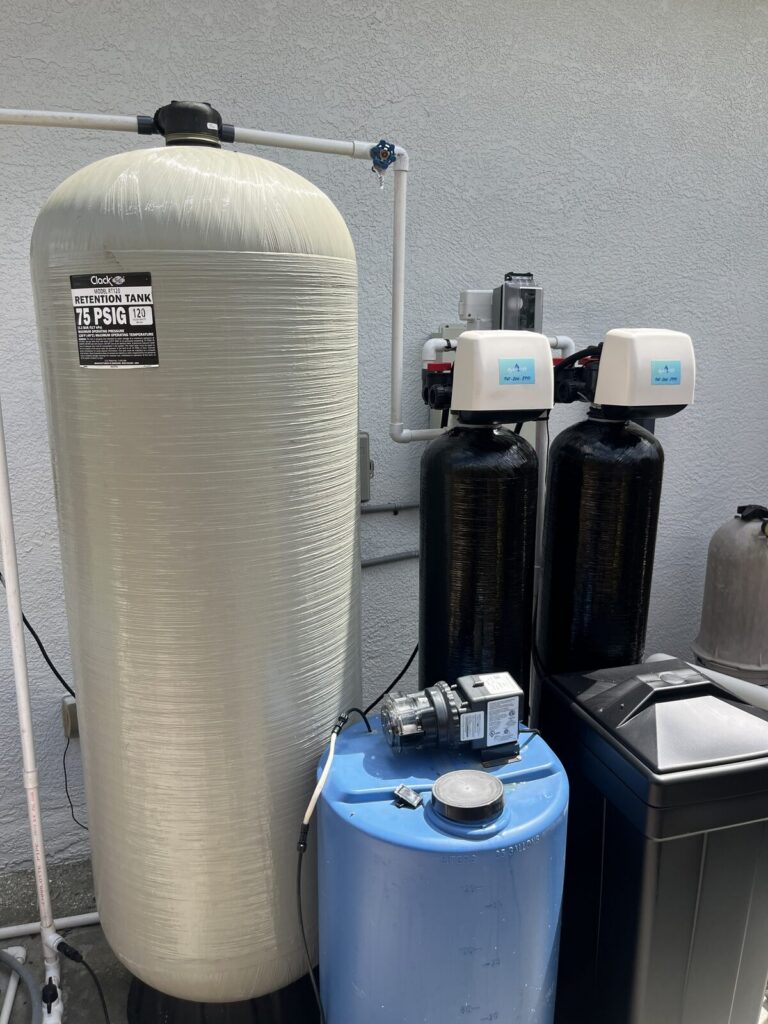
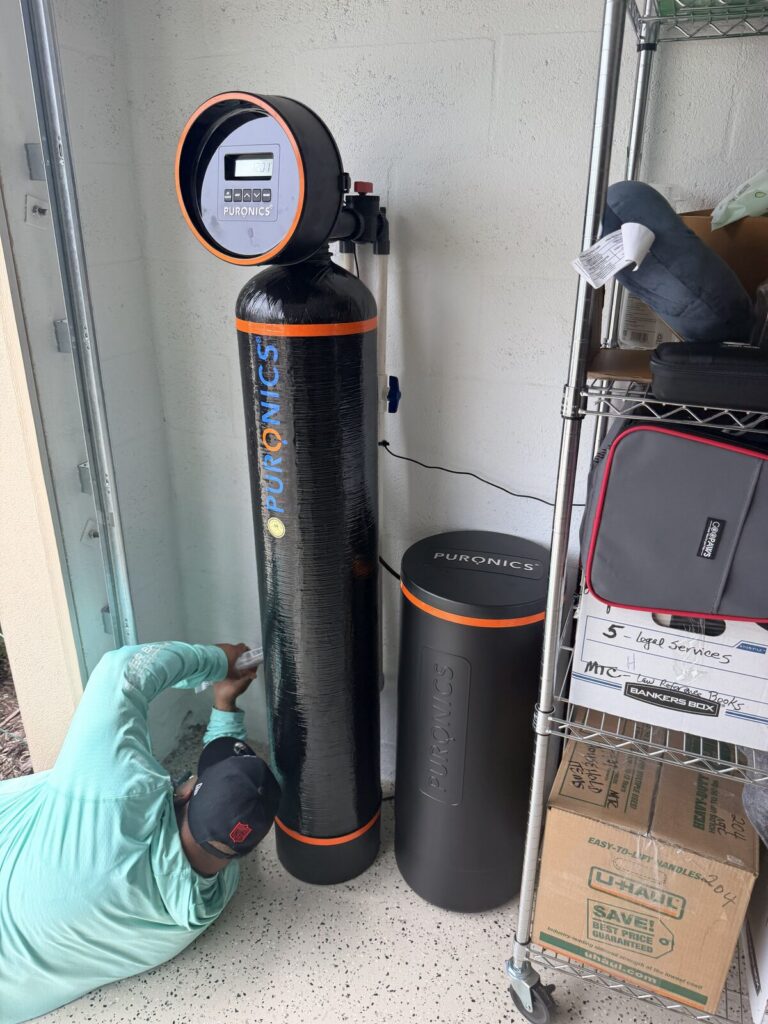
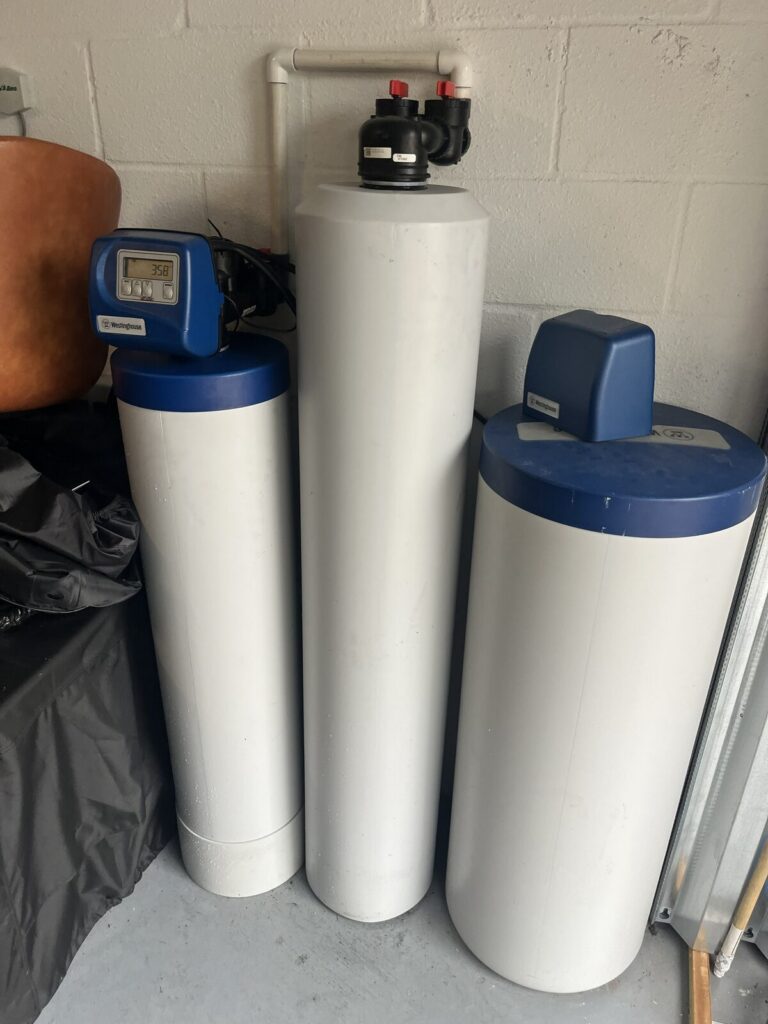
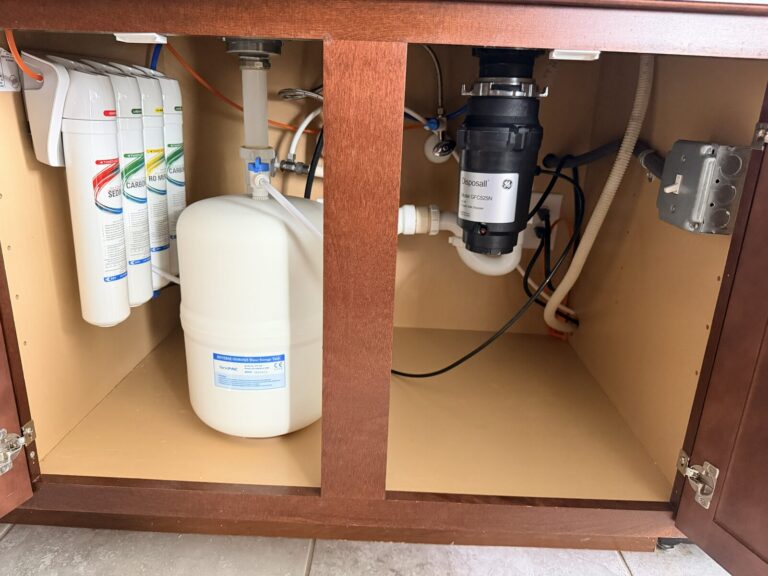
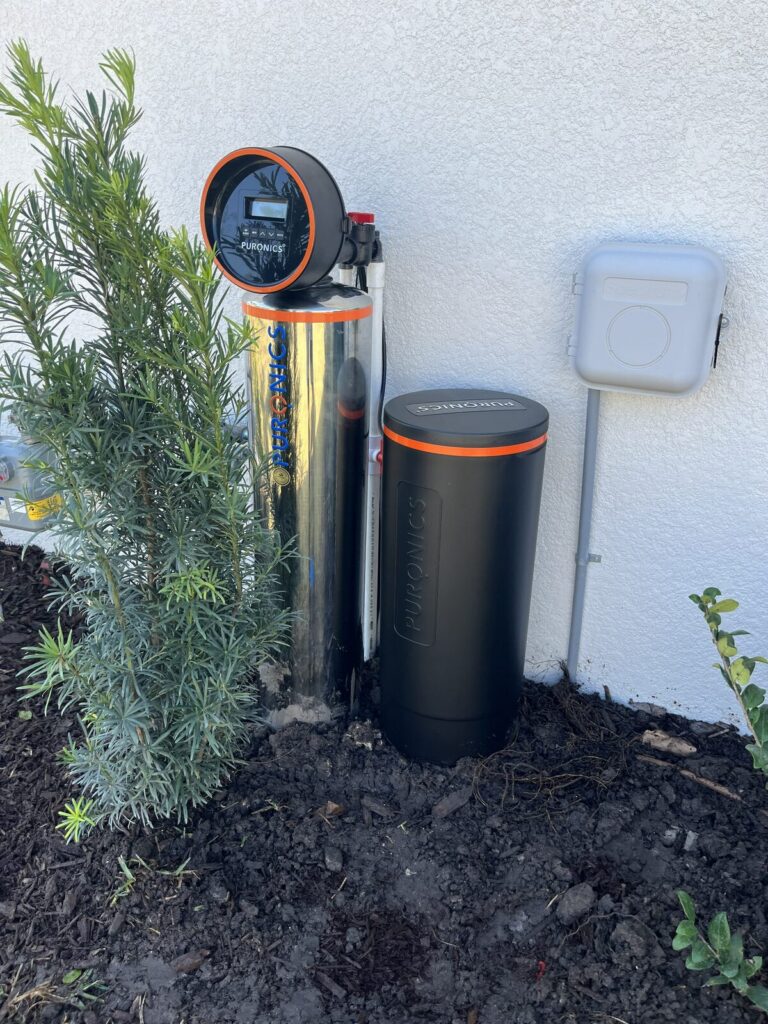
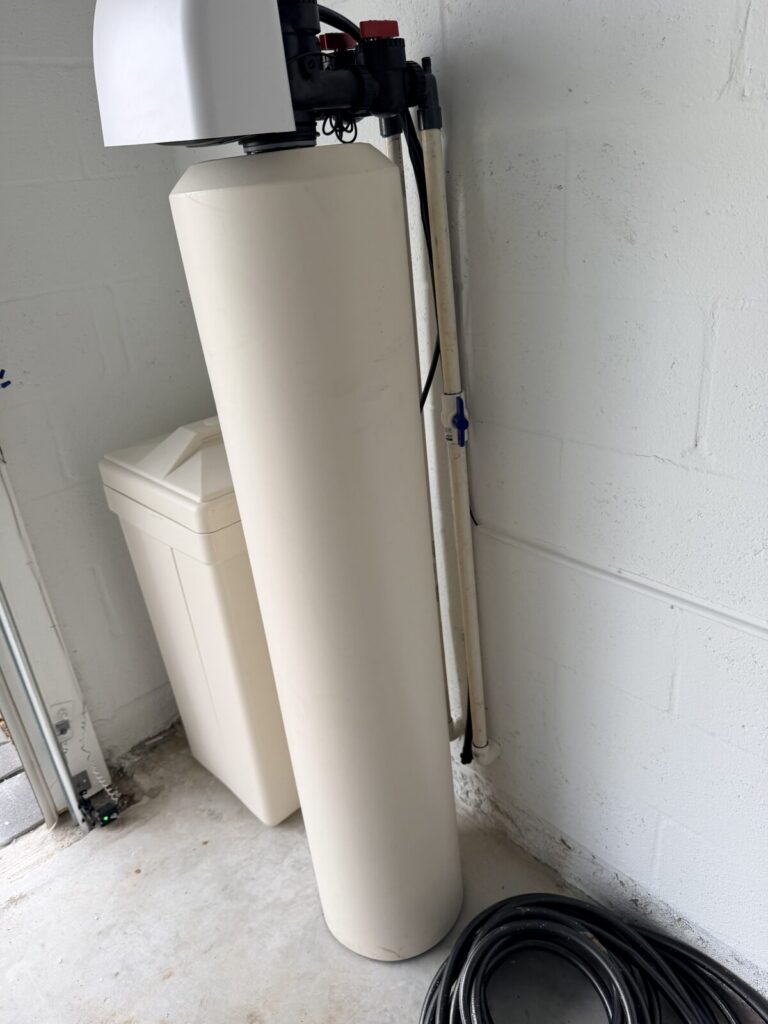
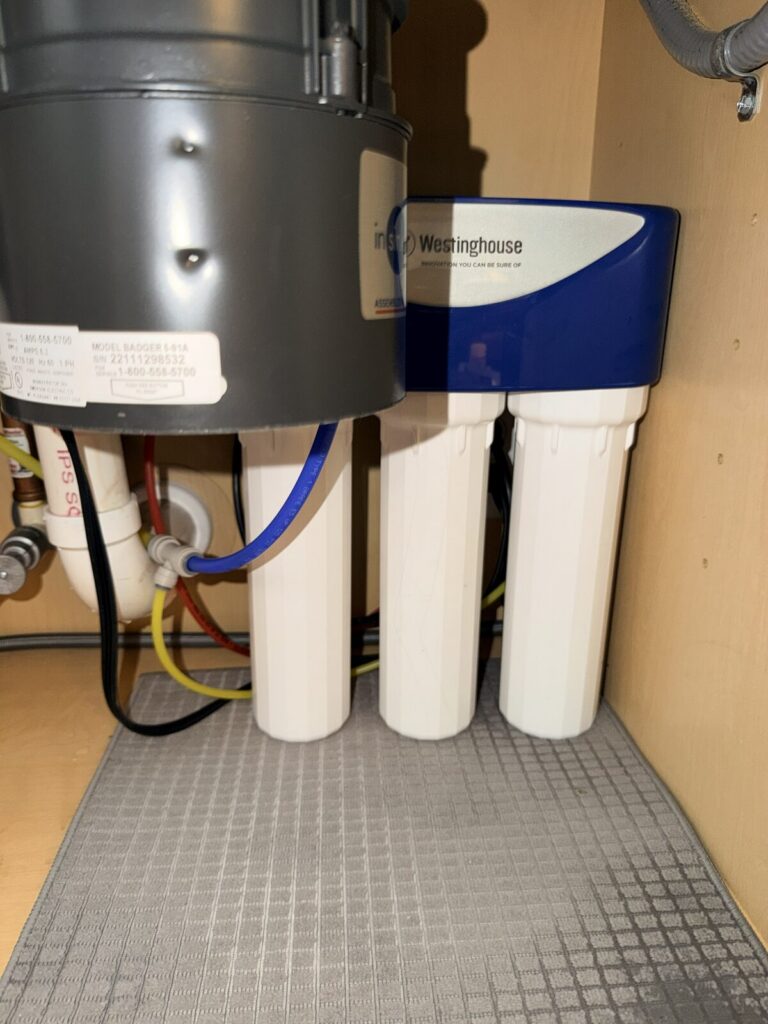
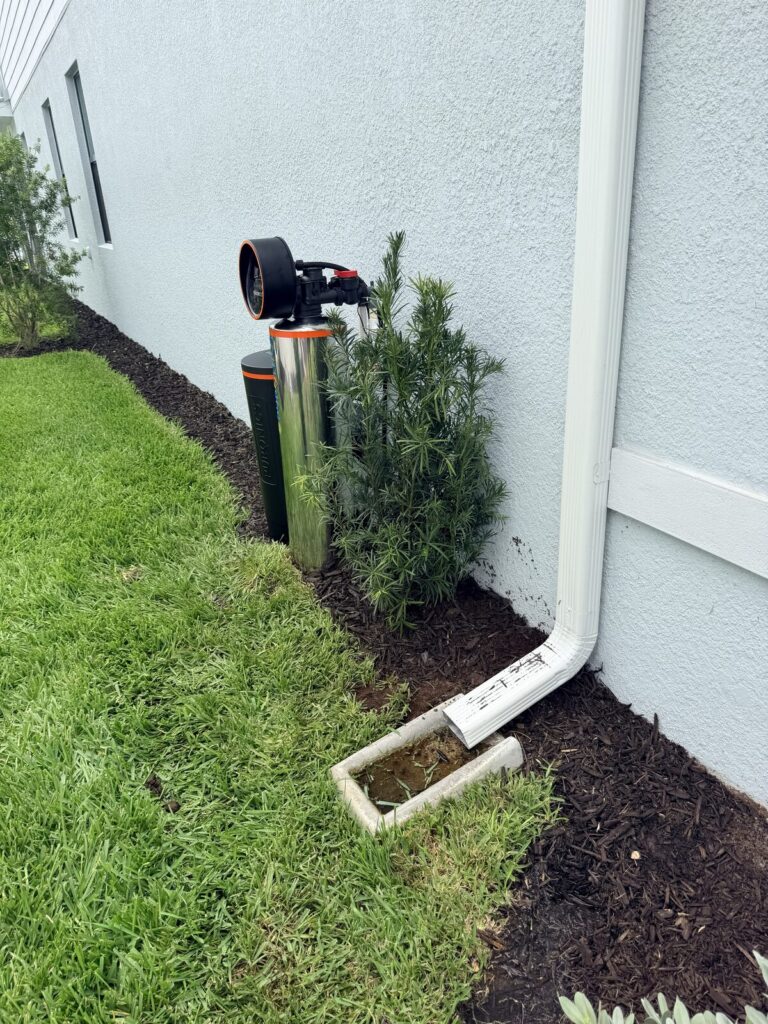
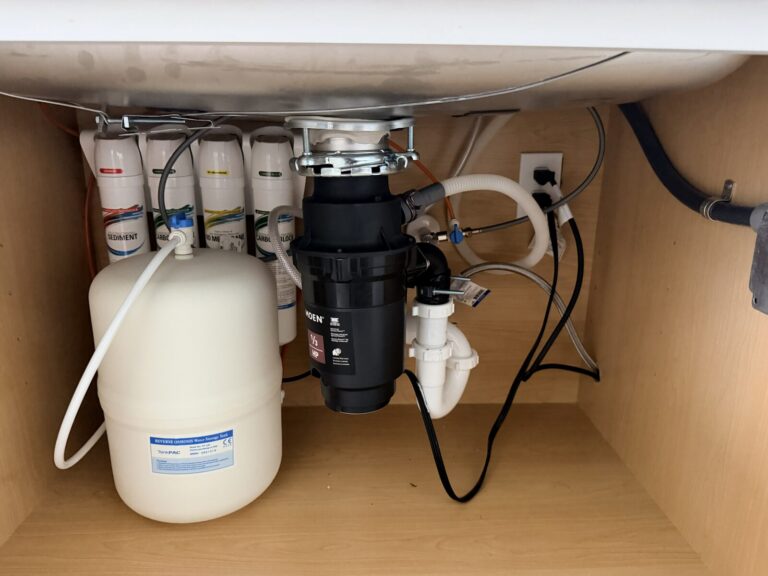
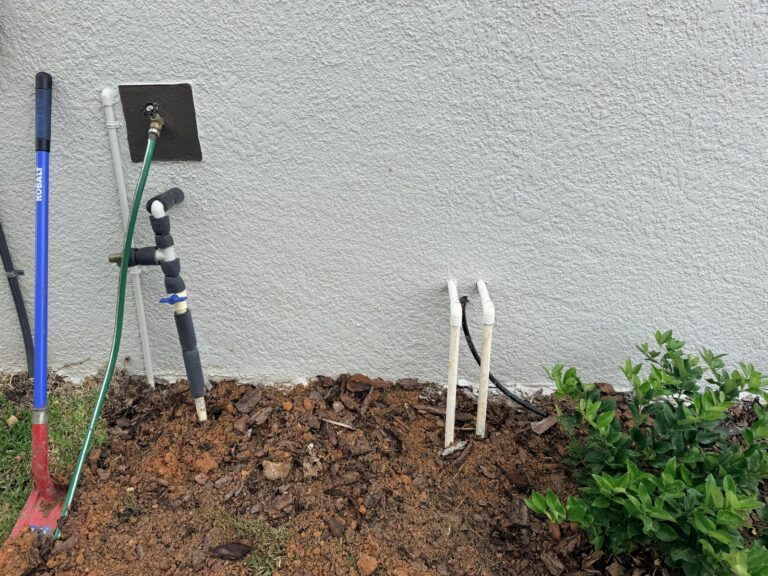
What your neighbors say
4.7★ from 205 Google reviews.
“I cannot say enough amazing things about this company and system! We had three companies come out and Hydrology stood out on every level.”
“We’ve had our system now a month and absolutely love it. My wife is a hair beautician with over 30 years of experience and definitely can tell the difference with the water.”
“Wow, I can definitely feel a difference in my hair, skin, and when I wash my hands. I knew getting a water softener was a priority and I’m so glad I decided to go with Hydrology.”
Every review is on our Google profile — read all of them there. We don’t cherry-pick; we just answer the phone.
Before you buy
Ten questions
worth asking anyone.
Ask us these. Ask the other companies too — the answers tell you more than any brochure.
What does “certified” actually mean, and why doesn’t every brand have it?
An independent lab tested that exact model against an NSF/ANSI standard — 42 for taste and odor, 44 for softening, 53 for health contaminants like lead and PFOA/PFOS, 58 for reverse osmosis, 372 for lead-free materials — and lists it by name on wqa.org. Certification costs the manufacturer money and time per model, so many brands skip it and use words like “tested” or “meets standards” instead. Every certification we print is a listing you can look up yourself.
Softener or conditioner — and do salt-free systems soften water?
A softener removes the calcium and magnesium that make water hard, so spots, scale and dry skin go away. A salt-free “conditioner” changes how the minerals behave so they scale less; it does not remove them, and the water still tests hard. Both have a place. We will tell you which one fits your house and your water, and we won’t call a conditioner a softener.
Do I need a filter and a softener, or is one tank enough?
On city water here, one tank does both — the Hydronex and Defender iGen C carry chloramine-rated media ahead of the softening resin, which handles the “pool” smell and the hardness together. On a well it depends on what the test finds; iron and sulfur usually need their own stage before any softener.
City water or well — does it change what I need?
Completely. City water in our area is hard and disinfected with chloramine, and the utility publishes what’s in it every year. A private well is tested by nobody but you, and the usual problems are iron, sulfur, tannins and pH — none of which a city-water system is built for. That’s why the free test comes first.
What’s the difference between the Micromax 7000 and 8500?
Both are under-sink reverse osmosis systems certified under NSF/ANSI 42, 58 and 372. The 7000 is the everyday pick — taste, TDS, lead, arsenic, nitrates — on city or well water, at a better price. The 8500 adds certification under NSF/ANSI 53 and 401 for PFOA/PFOS, VOCs and pharmaceuticals; it’s the one we recommend when a PFAS result is your reason.
Does reverse osmosis waste water, and does it strip the good minerals?
RO sends some water to the drain while it works — a few gallons per gallon made on older units, less on modern ones — and it does reduce dissolved minerals along with everything else. For the drinking tap that’s the point: it’s the same technology bottled water is made with. Your diet, not your tap, is where minerals come from. RO water comes out slightly acidic — carbon dioxide slips through the membrane and there is no alkalinity left to buffer it. If you want that corrected and the mineral taste back, we can add an alkaline stage: a carbon/calcite cartridge that polishes through coconut-shell carbon, then passes the water over calcite, which puts calcium back and brings the pH up above 9 — we test it at installation and again on service calls. Water off it tastes smoother and slightly sweeter. It is a taste upgrade, not a health one, and we will say so. The cartridge is a consumable — the calcite dissolves as it does its job, so it gets changed every three to six months depending on your water and how much you drink. We check the pH at every service visit. One cartridge we pulled after a full year, well past its interval, still read 8.5. Mention it and we’ll add it.
What does the warranty cover, who honors it, and what voids it?
Puronics systems carry the manufacturer’s limited lifetime warranty, registered in your name inside the registration window — it’s written by Puronics, not by us, so it doesn’t depend on our company existing. Media carries its own gallon-rated warranty. Skipping required maintenance or running water the system isn’t rated for is what voids one. We show you the document at the test.
Why do you build well systems on Clack valves instead of selling a package?
Because every well is different and a package guesses. Clack valves are US-made, programmable to your water, and the parts are sold openly — so any tech, not just us, can service the system in ten years. That’s the honest reason we also can’t fix some proprietary systems: the maker won’t sell the parts.
How much salt does a softener use, and how often do I add it?
It depends on your hardness and how much water the house uses; a properly sized, demand-regenerating softener uses far less than an old timer valve that regenerates on a schedule whether it needs to or not. Most homes add a couple of bags a month. If you’d rather not carry salt, we deliver.
What happens if you test my water and I don’t need anything?
Then we tell you that and leave you our number. Moderate hardness, no complaints, water heater under warranty — plenty of homes hear exactly that. We’d rather be the company you call later than the one that sold you something you didn’t need.
Providing Top-of-the-Line Water Treatment Systems for Bay Area Residents
 Living here in Florida, you see water everywhere. From the beaches to the bays and everything in between, water affects just about everything—including our homes. Florida residents have to deal with specific challenges when it comes to their water, from hard water that causes buildup to tap water that just isn’t safe to drink. That’s where Hydrology Water Solutions comes in, providing a variety of water treatment systems that can solve those issues and leave you with cleaner, healthier water at your home. As a full-service water treatment company based in Bradenton, we are proud to provide reliable solutions for: