Deed-restricted communities
HOA approval for a water softener in Florida
What the committee is allowed to rule on, the eight things associations around here ask for, and the paperwork we hand you with the quote.
If you live in Lakewood Ranch, Parrish, or almost any newer neighborhood in Manatee or Hillsborough County, your water softener is not only a plumbing decision. It is also an architectural one, and somebody on a committee has to sign off on it.
The short answer: yes, you can almost always put a softener in a deed-restricted community — but the equipment usually has to be screened so it is not visible from the street, and the association will want paperwork from your installer before it approves anything. We assemble that paperwork for you as part of the quote. It is not an extra, and we do not charge for it.
What your association is actually allowed to rule on
This is the part most homeowners never get told. Under Florida Statute 720.3035, an architectural committee’s authority exists only so far as it is “specifically stated or reasonably inferred as to such location, size, type, or appearance” in the declaration of covenants or the published guidelines that declaration authorises.
Live in a condo or villa instead? Condo associations follow their own documents. See water treatment for condos and villas.
Four things. Location, size, type, appearance. A committee is not working from taste — it is working from a document, and that document is one you are entitled to read.
Which means a good submission is simply one that answers all four before anyone has to ask.
Line those four up against the paperwork and the requirements stop looking arbitrary:
| The committee may rule on… | …and this is what answers it |
|---|---|
| Location | Your lot survey with the equipment location marked on it |
| Size | The manufacturer brochure — tank height and footprint |
| Type | The brochure again — make, model, and what it does |
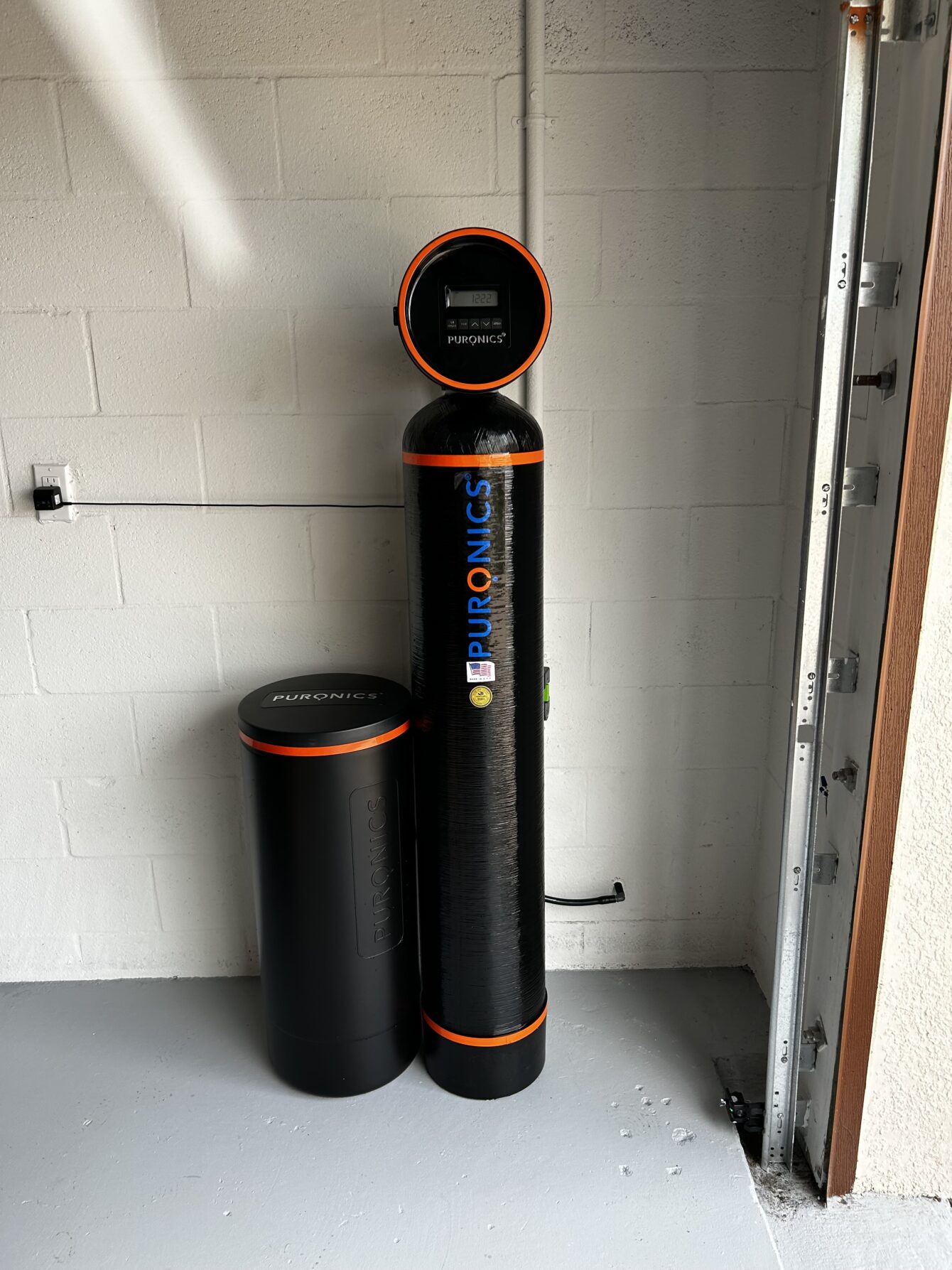
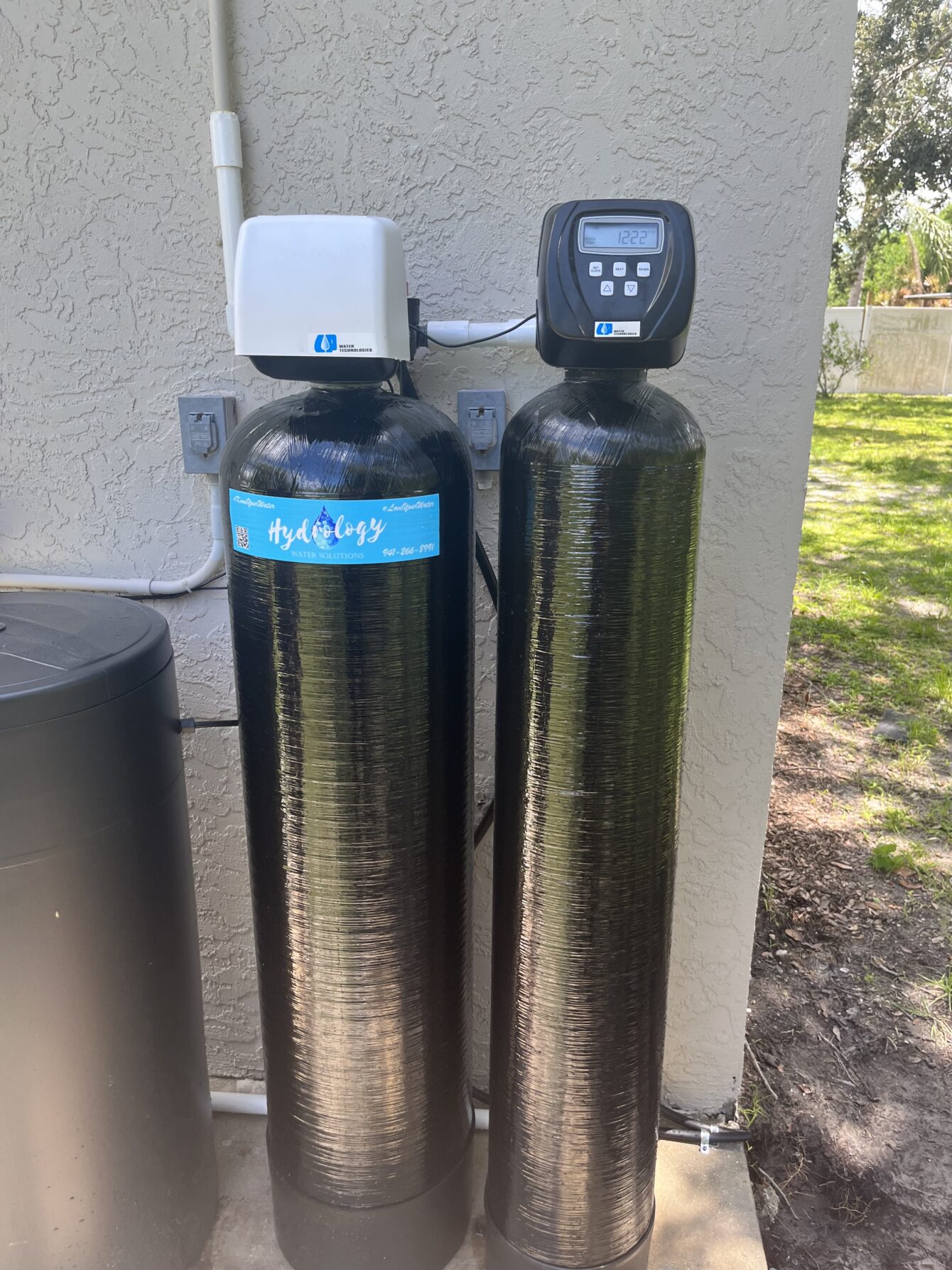
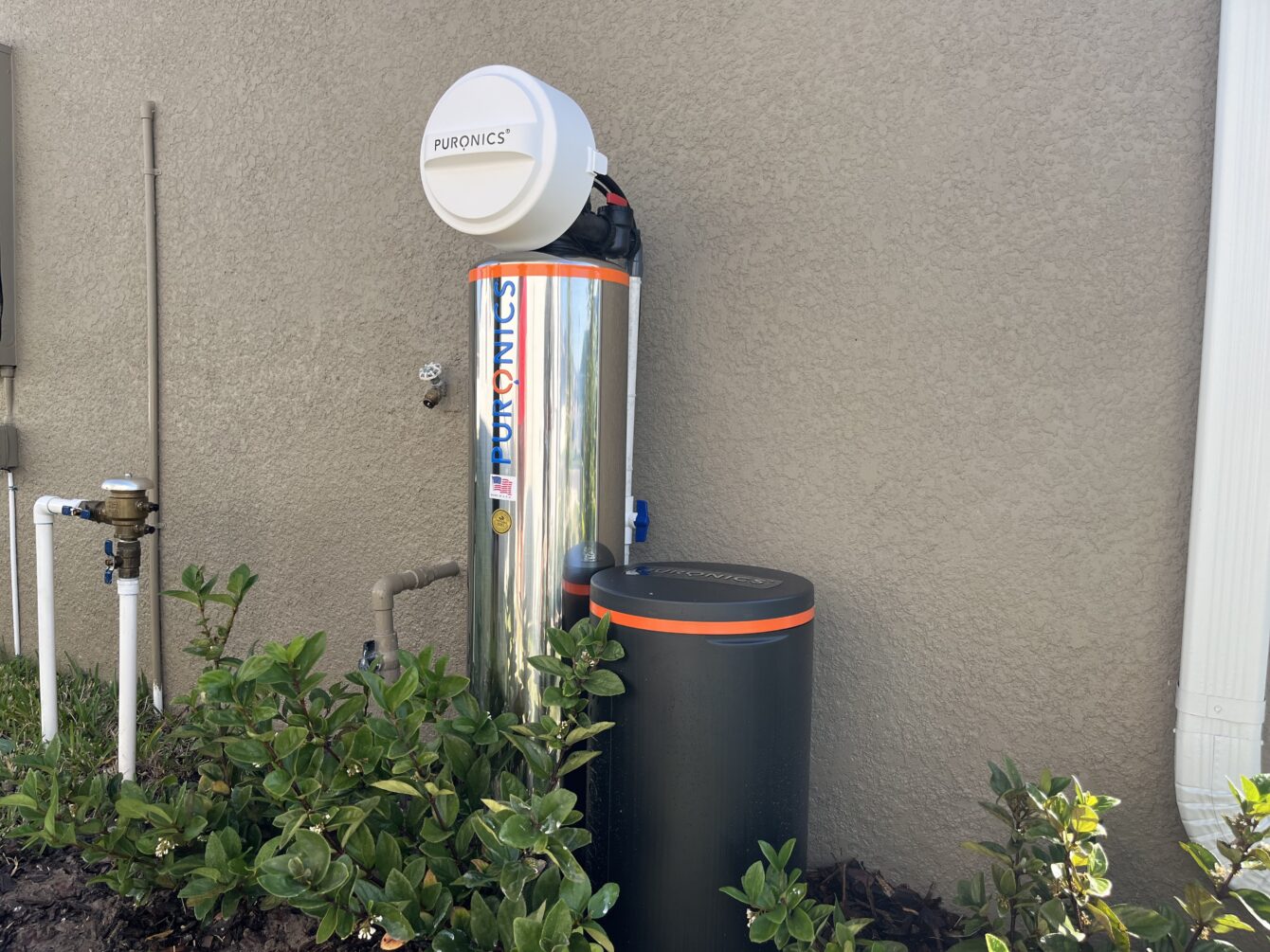
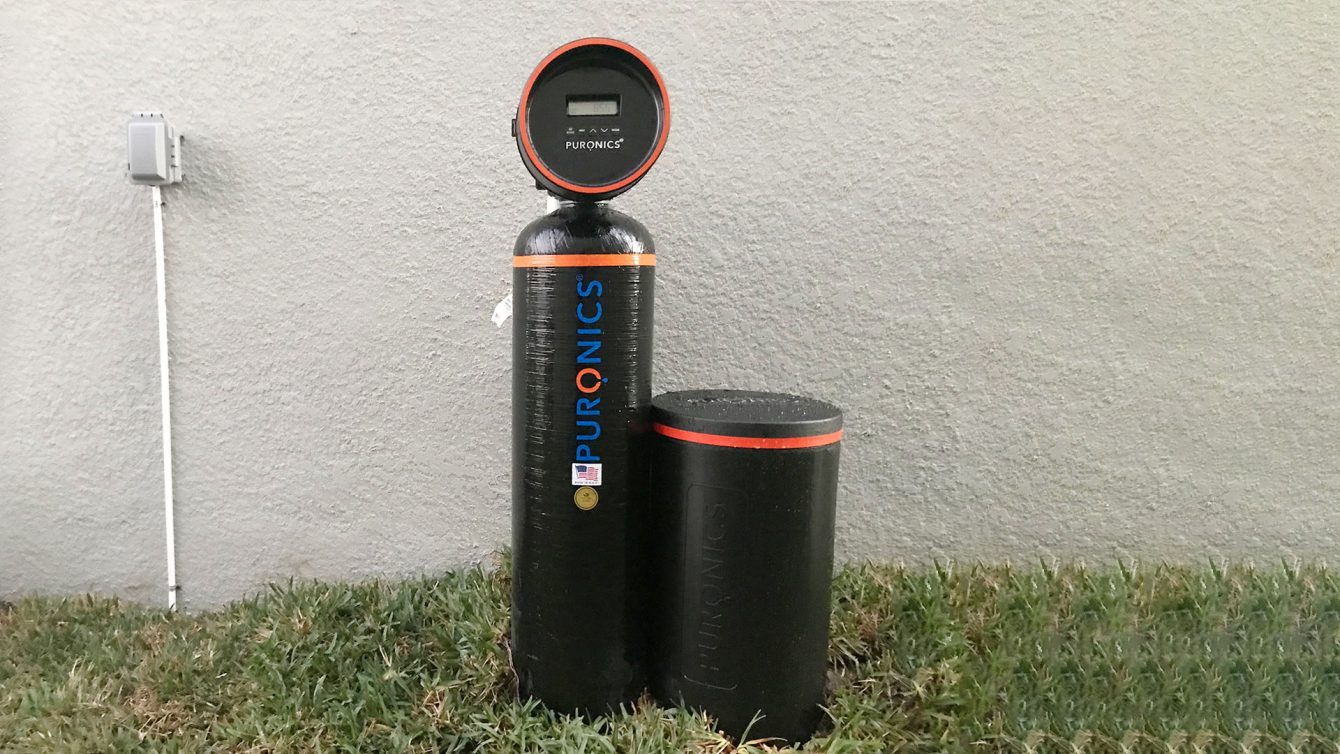
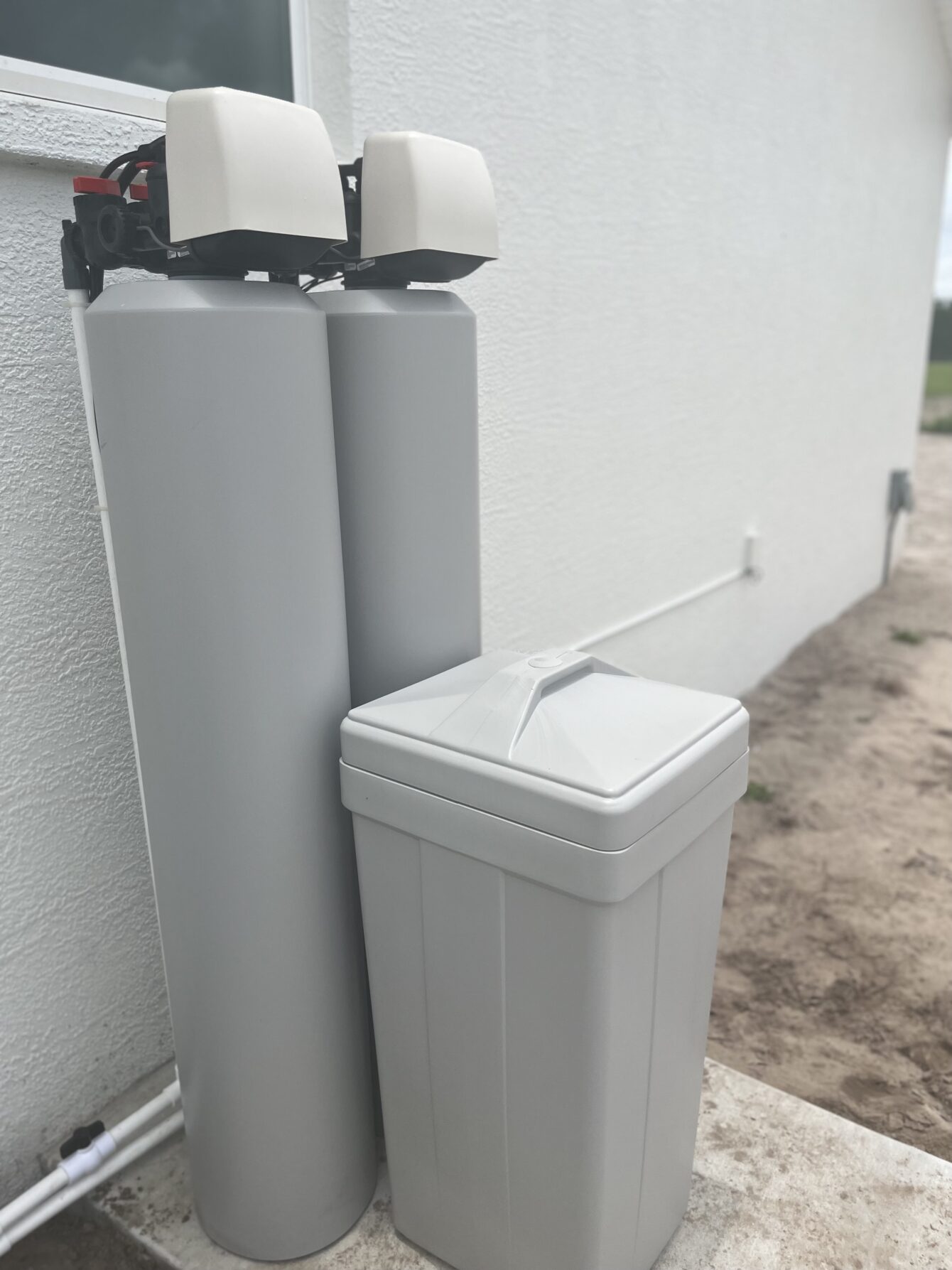
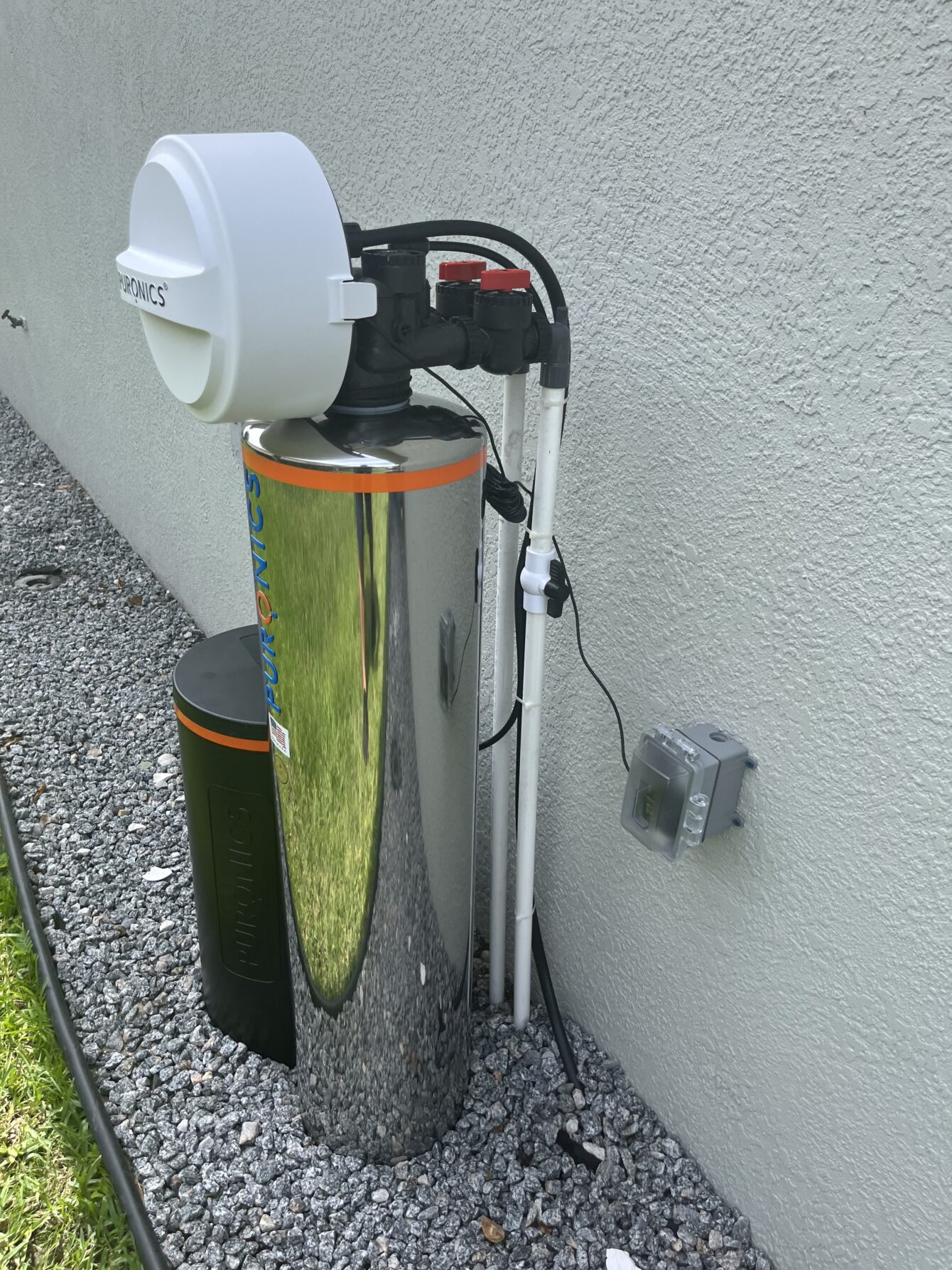
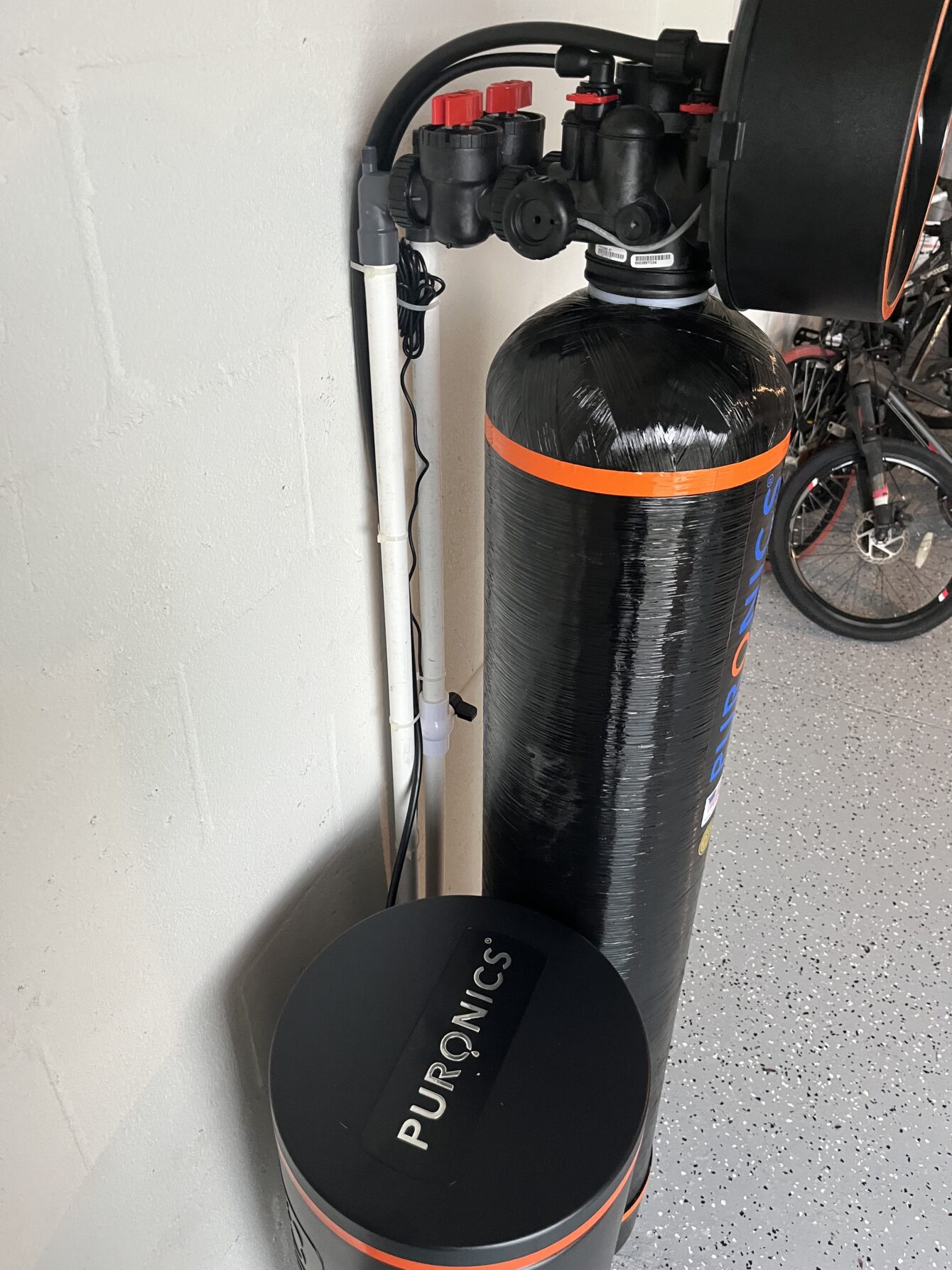
| Appearance | A photo of a finished install, and your screening plan |
Ask us for the HOA packet
Tell us your community. Free water test, no obligation.
What associations around here ask for
This is our own list, built from the submissions we actually hand over. Three items come up nearly every time. The rest depend on the community.
| Item | How often | What it is |
|---|---|---|
| Contractor license | Almost always | Their shorthand for “prove you are a real, accountable business.” See the note below — this one is not what most people assume. |
| General liability insurance | Almost always | A certificate of insurance naming the contractor. |
| Workers’ compensation | Almost always | Coverage for anyone on your property. |
| Association named as additional insured | Sometimes | A second certificate listing the association itself. It has to be requested from the insurer, so it is worth asking early. |
| Marked-up lot survey | Sometimes | Your survey with the equipment location drawn on it. |
| Manufacturer brochure | Sometimes | The spec sheet for the exact system. |
| Photo of a finished install | Sometimes | A picture of what it will look like when it is done. |
| Screening or planting | Sometimes — and it is the one that stops people | The system must not be visible from the street. |
Notice that the first three are not about the equipment at all. License, liability insurance and workers’ compensation have nothing to do with location, size, type or appearance — they are the association protecting itself and the common areas from an uninsured contractor working on the property. That is a separate question from the architectural one, and it is why those three come up every time while the rest vary.
A note on the word “license”
This is the item that trips people up, so here is the straight version. When an association asks for a “license”, what it is really asking is prove you are a real, accountable business and not a man with a van.
Florida does not license water treatment installation as its own trade the way it licenses roofing or air conditioning. So what we send is the documentation that actually exists for a company like ours: our Florida business registration, our certificates of insurance and workers’ compensation, and our WQA Gold Seal dealer credentials — which are third-party, and which you can look up yourself on wqa.org rather than taking our word for it.
If your association’s form has a box for a license number, tell us before you submit rather than guessing at it, and we will sort out what belongs there with your manager. We would rather have that conversation early than have your application bounce over a blank field.
The screening requirement, in plain terms
“Not visible from the street” is the requirement that changes where your equipment goes. It is worth settling before the system is ordered, not after it is standing in the side yard.
In practice there are three ways to satisfy it, and which one is open to you depends on your lot:
1. Put it where the street cannot see it
The cheapest answer. A side yard behind the garage return, or a rear elevation, often solves the whole thing with no screening at all.
2. Plant it out
Shrubs or a hedge line. Some communities publish an approved plant list in their guidelines — if yours does, use it, because a planting plan that cites their own list is hard to refuse.
3. Build or fit an enclosure
A screen wall or a cabinet. More likely to draw questions about materials and color, so it needs to be in the submission rather than added later.
There is a second reason to care about this that has nothing to do with the committee. Florida sun degrades an unprotected tank, and light passing through a translucent tank wall lets algae grow inside it. Shade is good for the equipment whether or not anyone requires it. We wrote up what the sun actually does here.
If they say no, they have to say why
Also in 720.3035: when an association or committee denies a request, it must give the owner written notice stating with specificity the rule or covenant it relied on in denying it.
That is a useful thing to know before you submit, because it tells you what a denial is supposed to look like. “The board did not like it” is not a citation. A specific covenant is. And once you have the citation, you know exactly what to change.
One caveat about timing
You will read online that a Florida association has to answer within thirty days or the request is automatically approved. We checked the statute and could not find that rule in it. Section 720.3035 sets no statewide response deadline and contains no deemed-approval provision.
Your timeline lives in your own declaration and your association’s published guidelines. So the practical move is to ask the manager two questions early: when does the committee meet, and what is the cut-off for the agenda. Most of the delay people blame on the HOA is actually a submission that missed a meeting by two days.
We are a water treatment company, not attorneys. Read your declaration, or have someone read it for you, before you rely on any of this.
What we hand you
When we quote a system for a deed-restricted home, the approval paperwork comes with the quote. You should not have to chase your installer for a certificate of insurance while a committee agenda closes.
In the packet
Our Florida business registration, a general liability certificate of insurance, a workers’ compensation certificate, our WQA Gold Seal dealer credentials, the manufacturer brochure for the exact system we quoted, and a photo of a finished install of that same system.
On request, because they take a day or two
A certificate naming your association as additional insured, and your lot survey marked up with the equipment location.
What we need from you
A copy of your architectural guidelines or ARC form if you have one, and your lot survey if you want the location drawn on it. If you do not have either, your association manager does.
Questions we get
Can my HOA refuse a water softener outright?
It can only act within the authority its declaration gives it, and that authority is limited to location, size, type and appearance. In our experience the answer is almost never a flat no — it is a condition, and the condition is usually about where the equipment sits and whether it can be seen.
Do I need approval to replace one that is already there?
Ask before you assume. A like-for-like swap in the same spot is a different conversation from a new installation, but “there was already one there” is not approval in writing.
Does the equipment have to go inside the garage?
Not necessarily, and the garage is not automatically the better answer. What matters is whether the location works for the plumbing and satisfies the visibility rule. We will tell you which locations on your lot will work before you order anything.
Who submits it, you or me?
Almost always you, because the application comes from the homeowner. Our job is to make sure that when you submit, nothing is missing.
Building a submission?
Tell us your community and we will put the packet together with your quote — free water test included, and no obligation to buy anything.
Serving Bradenton, Lakewood Ranch, Parrish, Palmetto, Ellenton, Ruskin, Wimauma, Riverview, Apollo Beach, Sun City Center, Sarasota and the surrounding communities. Statute references are to Florida Statutes section 720.3035. This page is general information about a process we handle routinely — it is not legal advice, and your own declaration of covenants governs.