Manatee · Sarasota · Hillsborough · Pinellas · Charlotte
How to Buy a Water System
in Bradenton Without Getting Fooled.
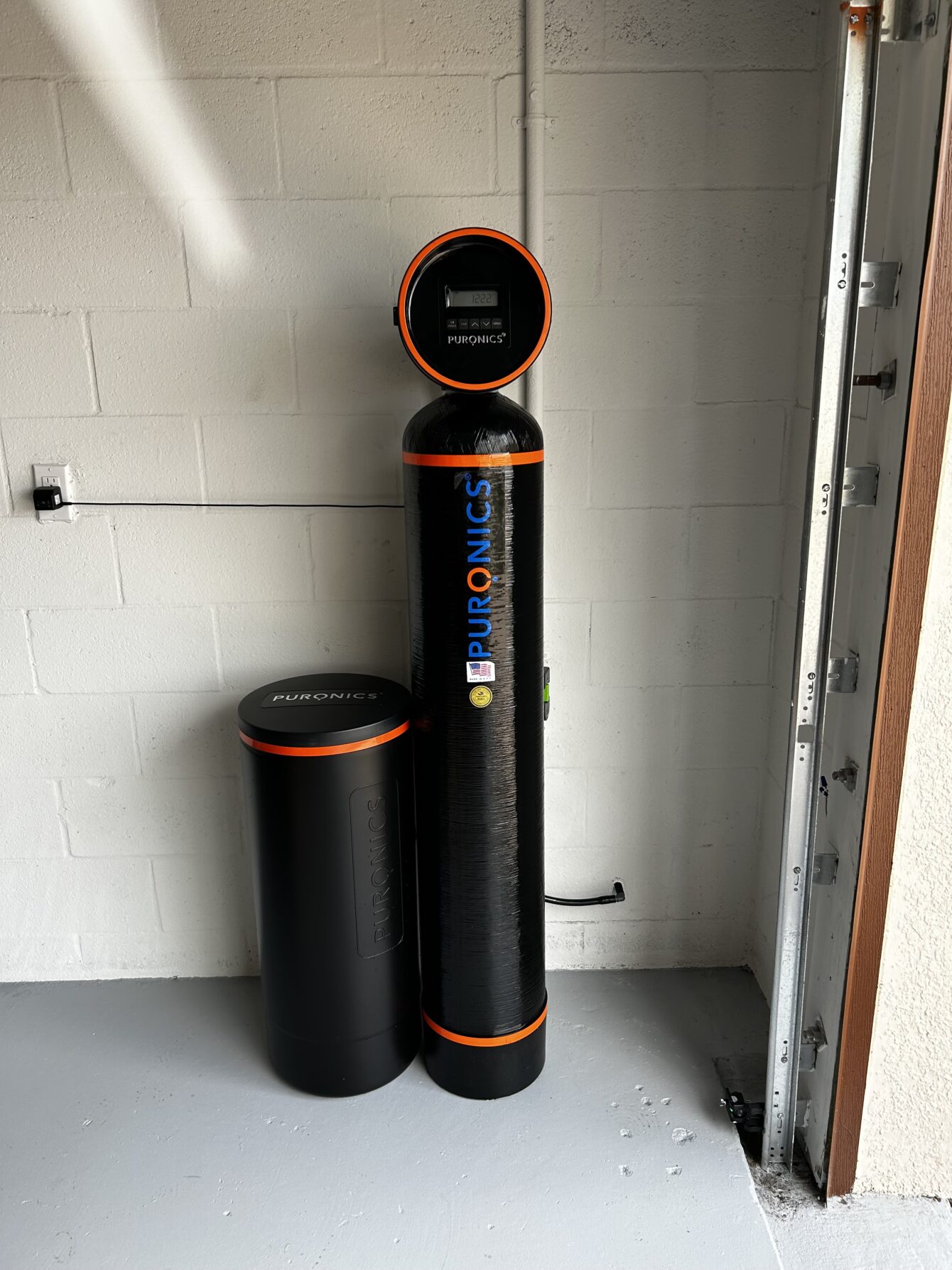
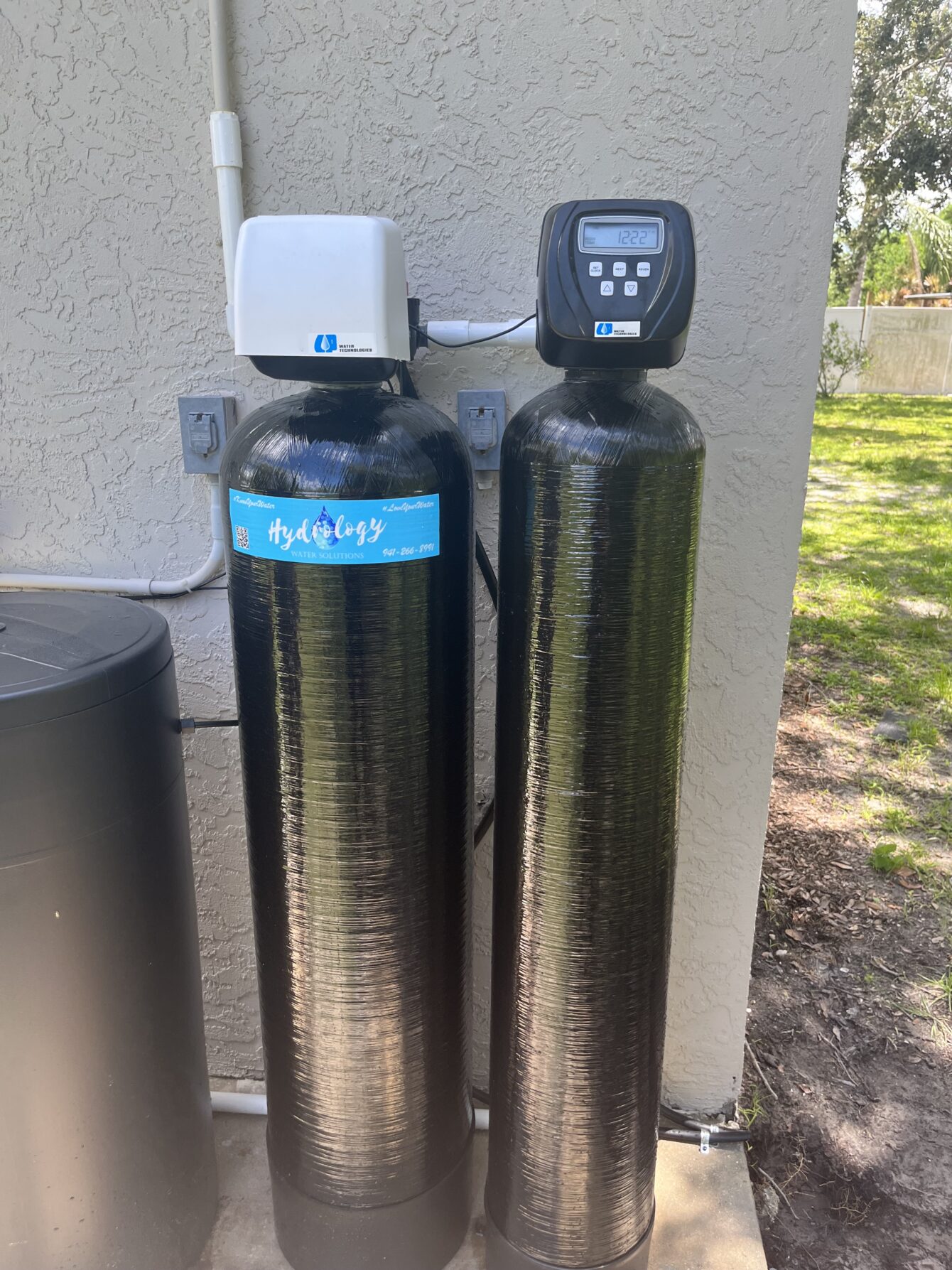
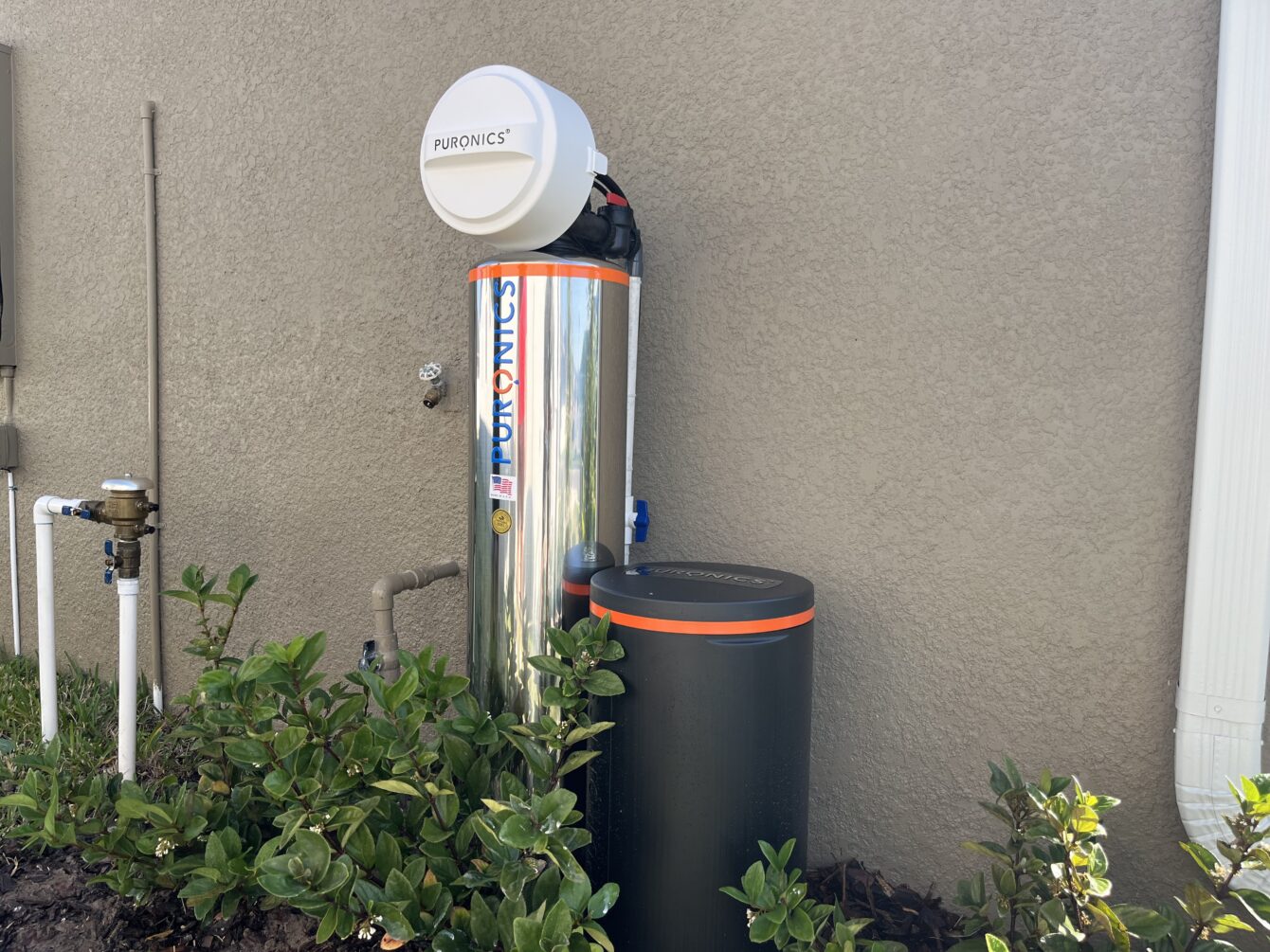
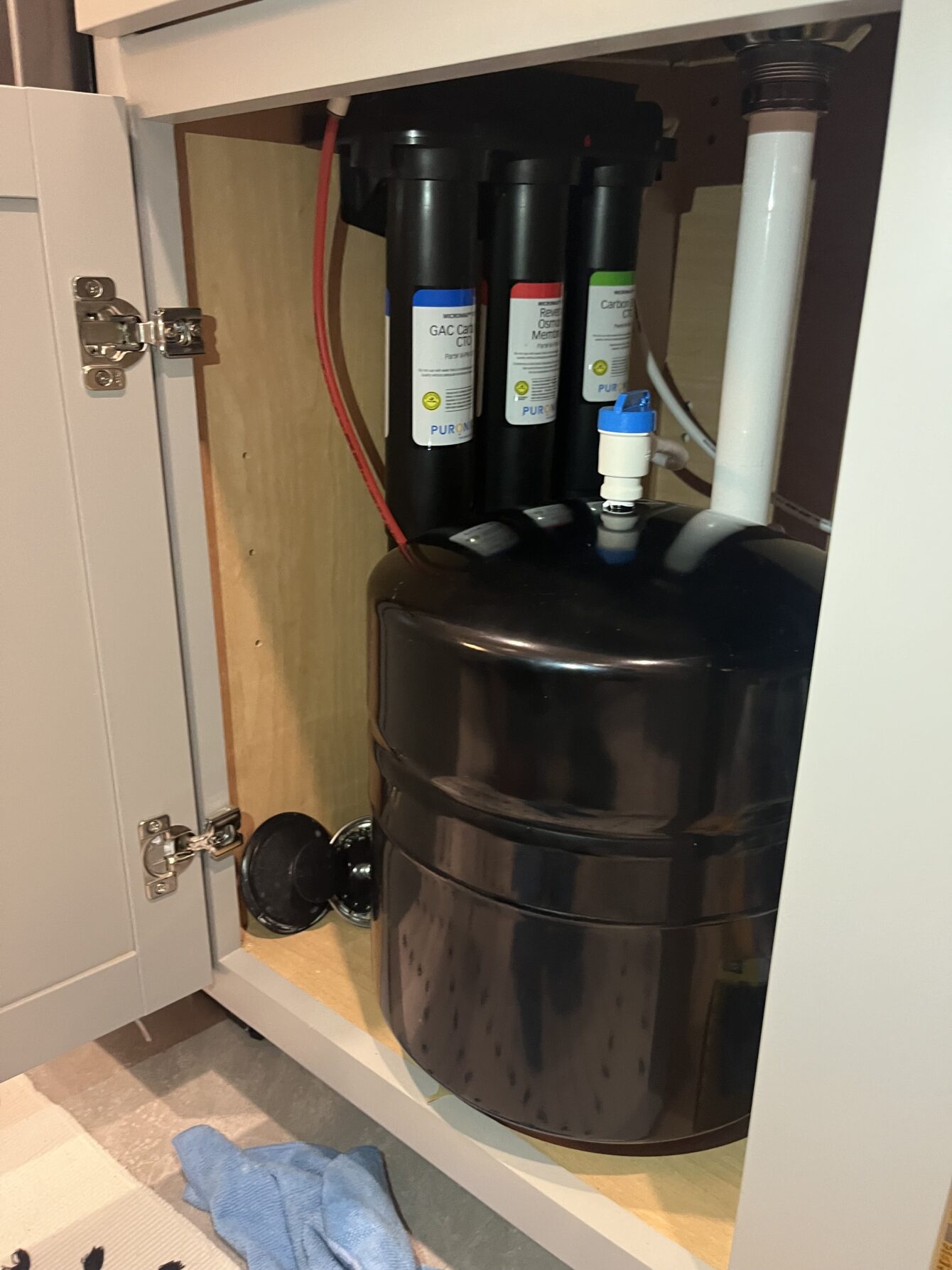
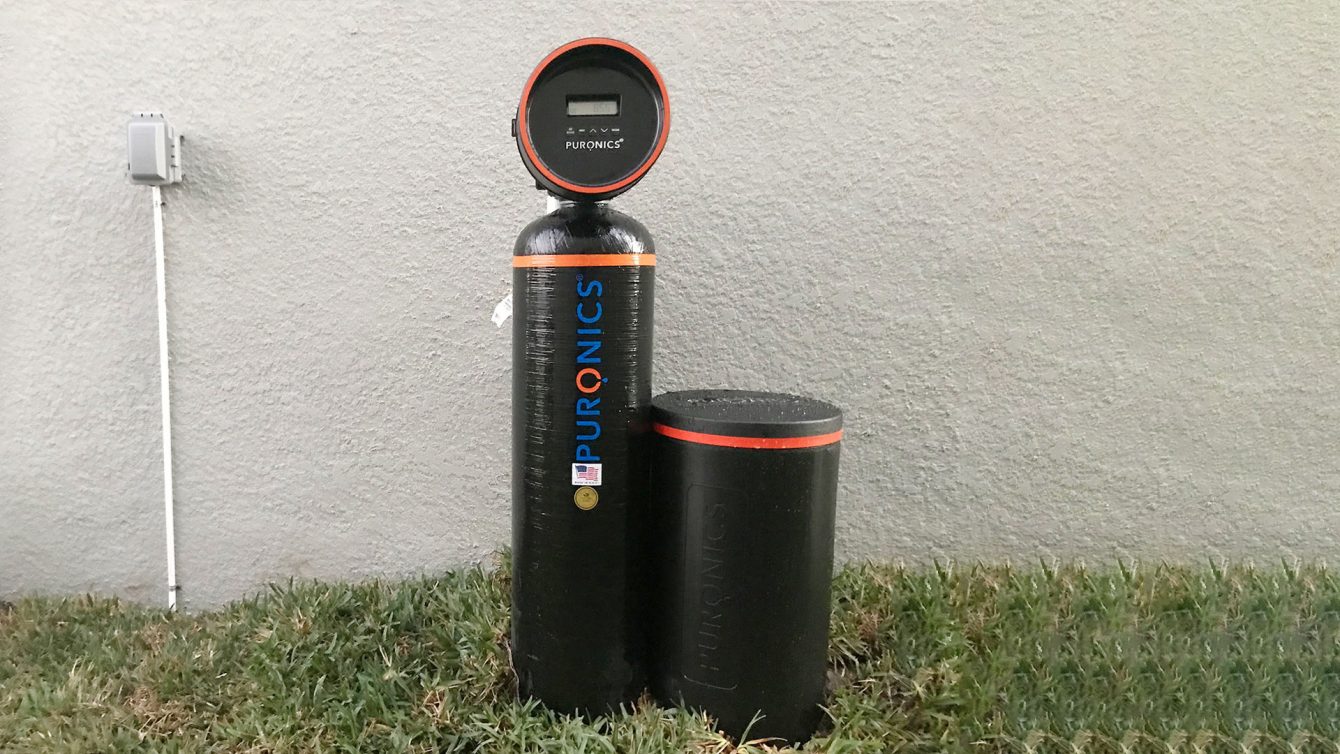
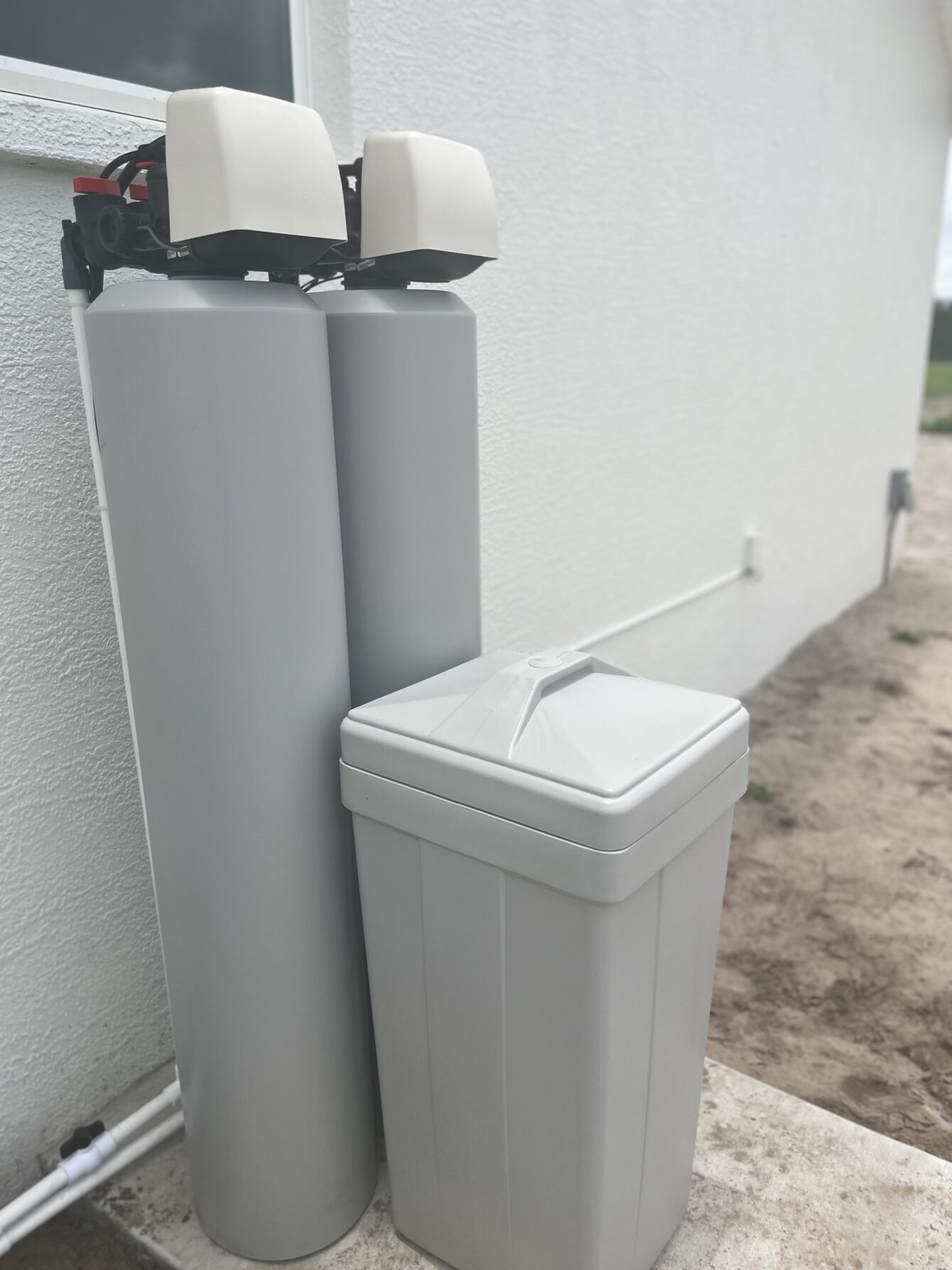
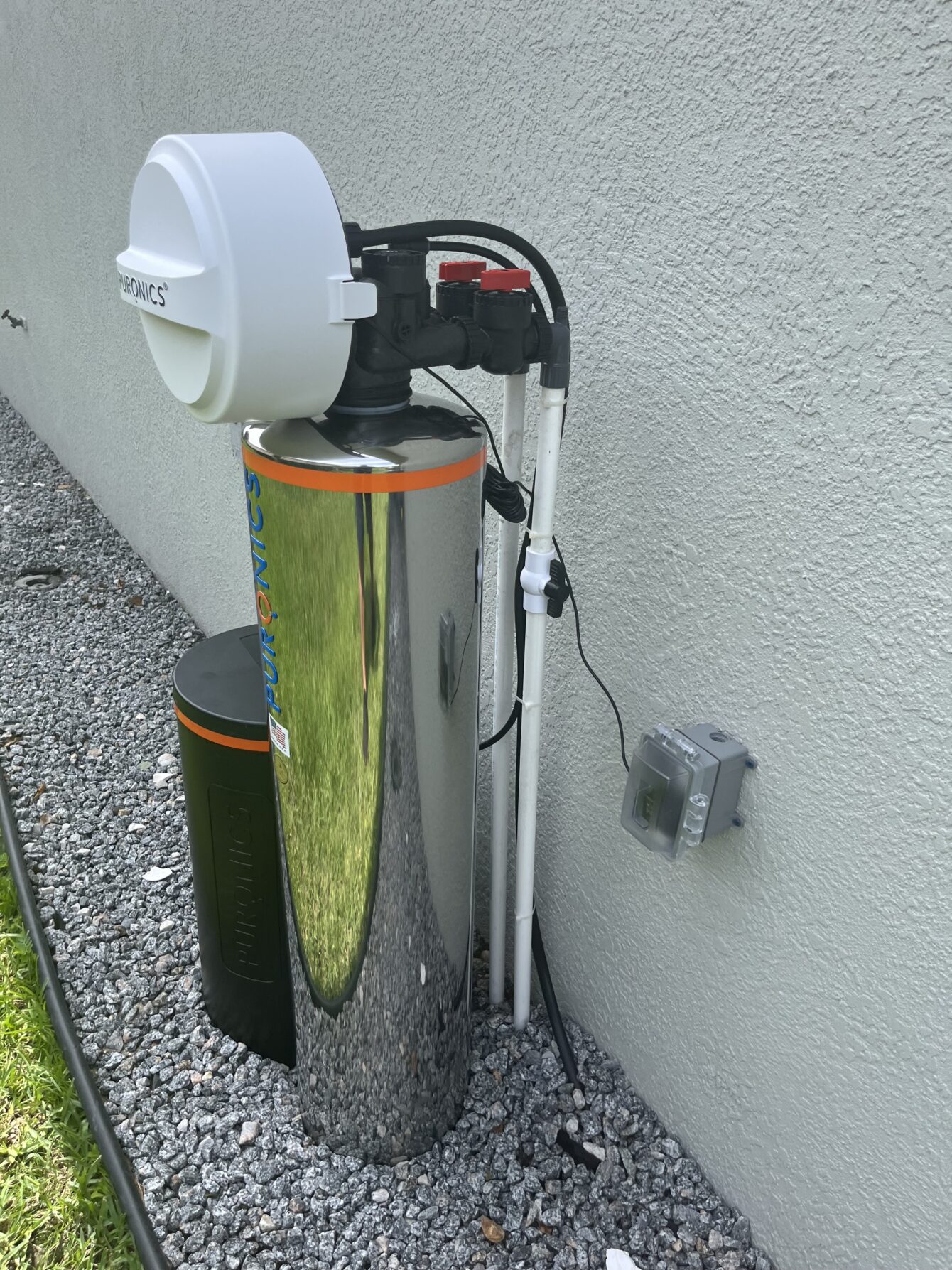
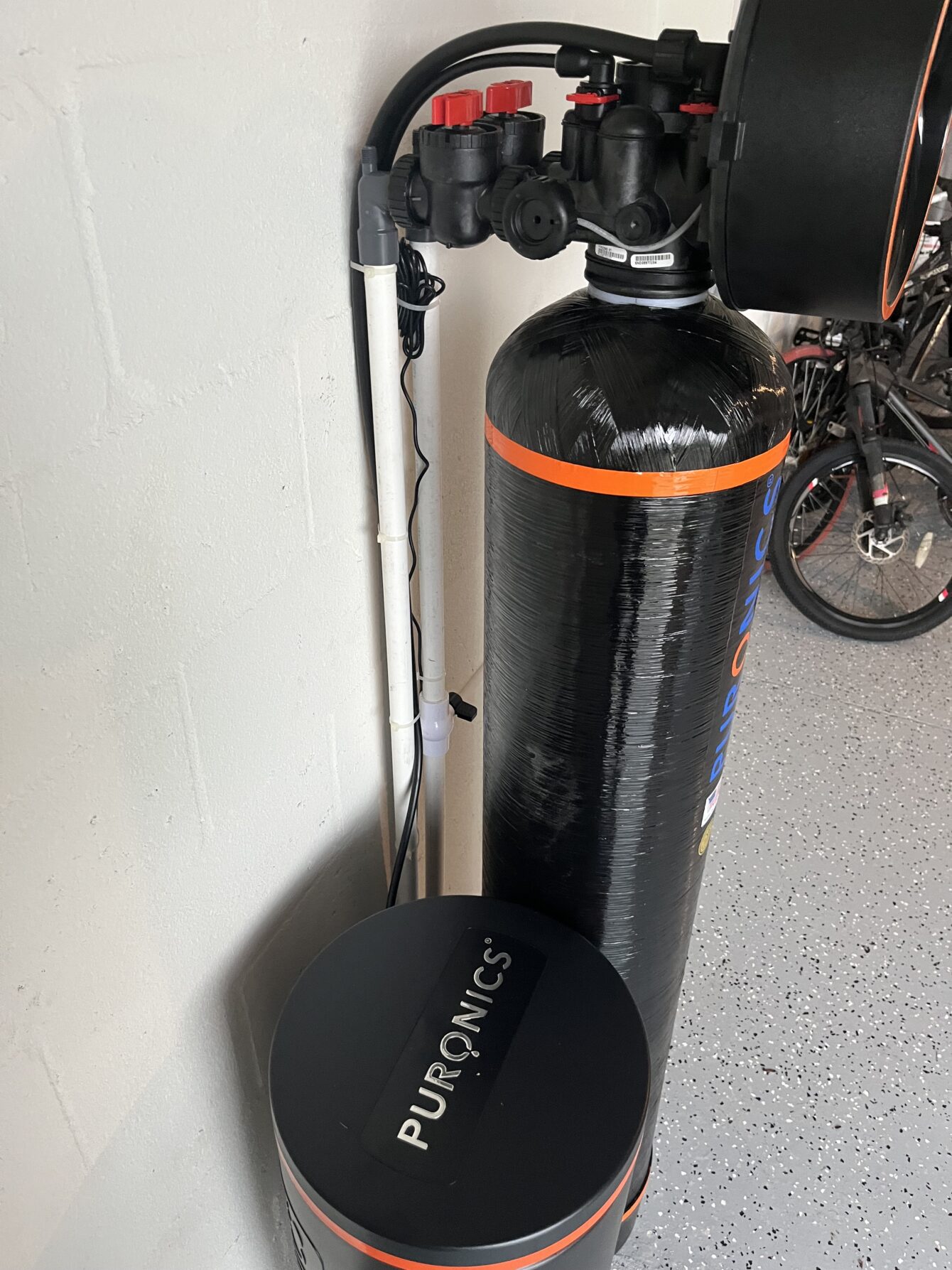
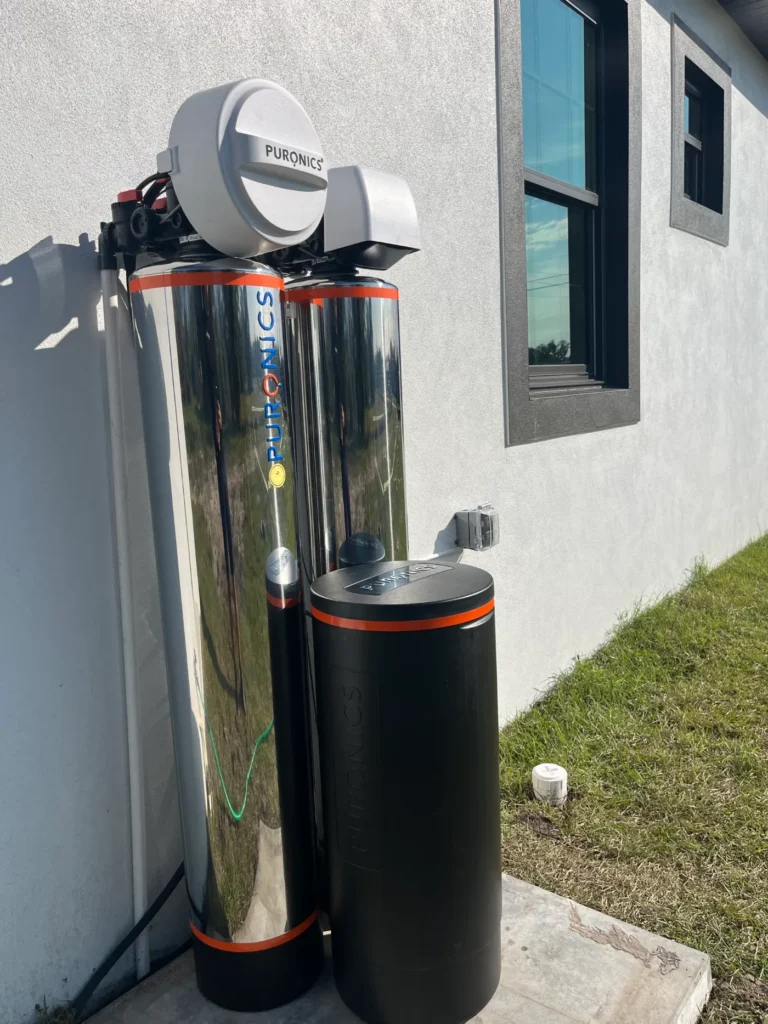
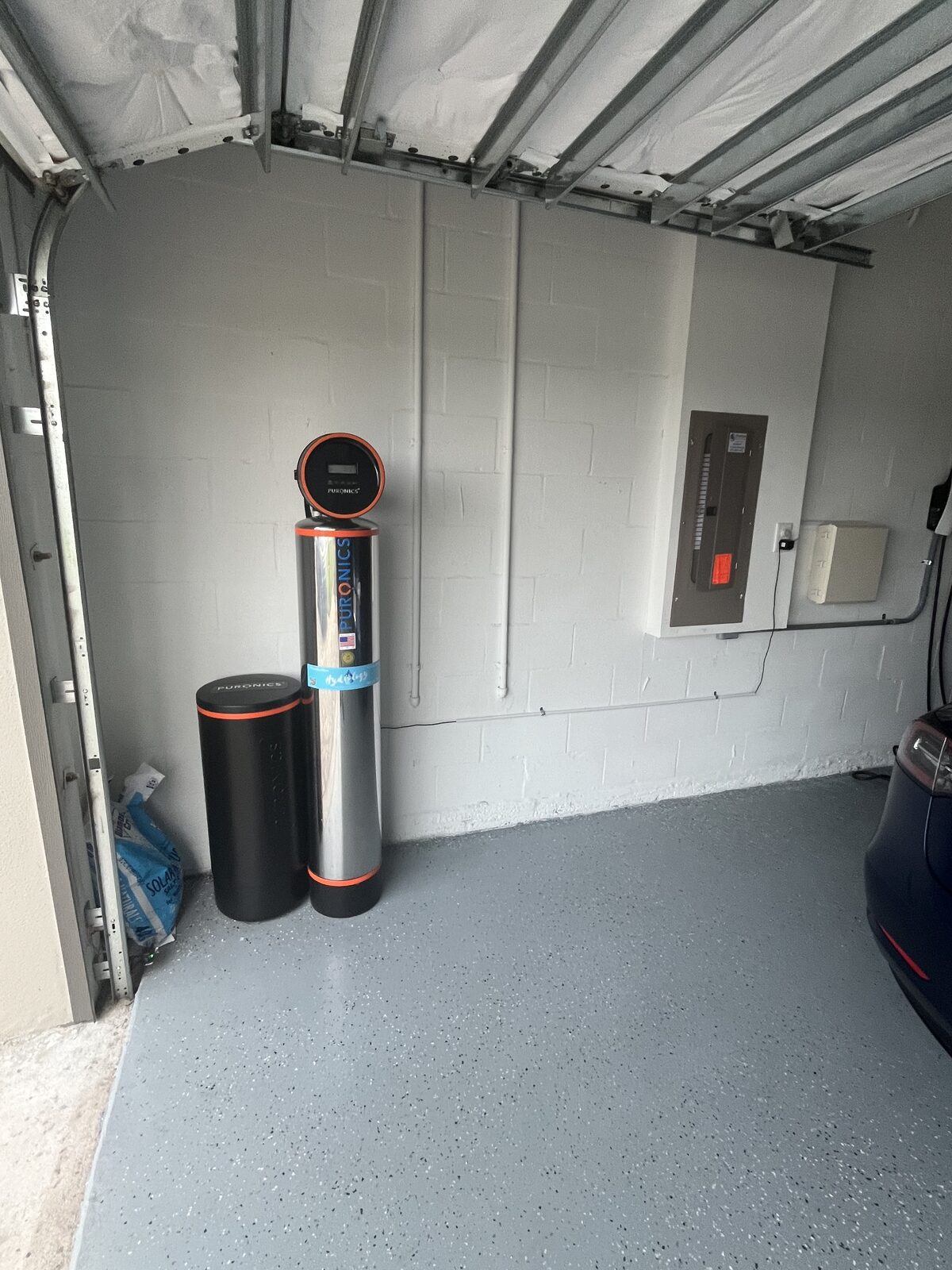
Real systems our team has installed — scroll through.
4.7★ from 212 Google reviews · WQA Gold Seal Puronics dealer · Our own techs, no subcontractors
Request your free water test
★★★★★ 4.7 — a few details and we reach out, usually same day.
Our install · a real job, not stock
1. Is it actually certified — or just “tested to” a standard?
These sound the same and are not. Certified means the finished product was tested by an independent body (NSF, WQA, or IAPMO) and is listed in a public database you can search by model. “Tested to NSF standards” usually means the company tested it in-house — no listing, no audit. “Made with certified components” means a part is certified, not the system. And the standard numbers get misused: NSF 42 is taste and chlorine, 53 is health contaminants, 58 is reverse osmosis, 44 is softeners — while 61 and 372 are material-safety standards (372 just means “lead-free,” nothing about what it removes). A big list of numbers can be mostly material-safety padding. Ask for the performance data sheet, and look the product up yourself in the WQA or NSF directory. If you cannot find it, it is not certified. (Ours is — WQA Gold Seal.)
2. Who actually backs the warranty?
“Lifetime warranty” is only as good as who stands behind it. There is a real difference between a manufacturer warranty, a third-party warranty program, and a promise from the local dealer — and a “lifetime” backed only by a dealer is worth nothing if that dealer closes. Always ask who backs it, what it covers (parts vs. labor vs. media), and get it in writing before you buy. A confident company hands you the terms without being asked.
3. What is the control valve — and can it be serviced?
The valve is the brain of the system — it’s the part that wears out, not the tank. The real question is simple: can you get parts? Some big brands lock you in, where nobody but their own company can get one. We build our custom systems on the name-brand, certified Clack WS1: most fittings and parts are available online, and it’s straightforward to service. On a Puronics system, the drinking-water filters come from Puronics, but it’s backed by a major, publicly-traded manufacturer (Franklin Electric), so parts and warranty are covered and we service everything locally. Either way, you can get parts and you’re never stranded.
4. Is “salt-free” being sold as a softener?
A real softener removes the hardness minerals, so you get spot-free dishes and lathering soap. A salt-free system does not remove hardness at all — it only conditions it so it sticks less. That helps with scale, but you will still see spotting and get less lather. Salt-free is a fair choice if you truly cannot use salt, but it is not softening, and it should not be sold as if it were.
5. Is the carbon catalytic?
This one is local and specific. Much of Manatee County is treated with chloramine, and ordinary activated carbon struggles to remove it. The media that actually works is catalytic carbon. Plenty of “whole-house carbon” systems use standard carbon and quietly underperform here. The single smartest question you can ask is simply: is your carbon catalytic? On chloramine water, that is the difference between working and not.
6. Are you being pressured?
The 3-hour in-home pitch, the “this price is only good today,” the countdown timers — those are sales tactics, not signs of a good system. A good company tests your water, gives you a clear price, and lets you think about it. There is nothing to sign under pressure. If the recommendation only holds up while a salesperson is in your kitchen, that tells you something.
7. Did anyone actually test your water?
A real recommendation comes from a water test, not a script. Your water is not the same as your neighbor’s, and the right system depends on your actual iron, hardness, chloramine, pH, and TDS. Beware anyone who quotes a full stack of equipment before testing — that is selling, not diagnosing. Sometimes the answer is a single system, or even “you do not need much at all.”
- ✓ Certified & verifiable — WQA Gold Seal, look us up by model
- ✓ Warranty in writing — Puronics manufacturer coverage on Puronics systems; clear component + labor terms on custom builds
- ✓ Name-brand Clack valves on every build — serviceable — parts you can actually get, even online
- ✓ Real softening when you want soft water; catalytic carbon for chloramine
- ✓ No pressure — free in-home test, clear recommendation, right-sized to your water
- ✓ Firefighter-founded, family-owned — our own techs, no subcontractors
Common questions
Spots, smell, taste, stains — tell us and we will point you to the right starting system, no pressure.
Our work
Recent installs
around the Suncoast.
Real systems our team has installed — slide through, tap any photo to enlarge.
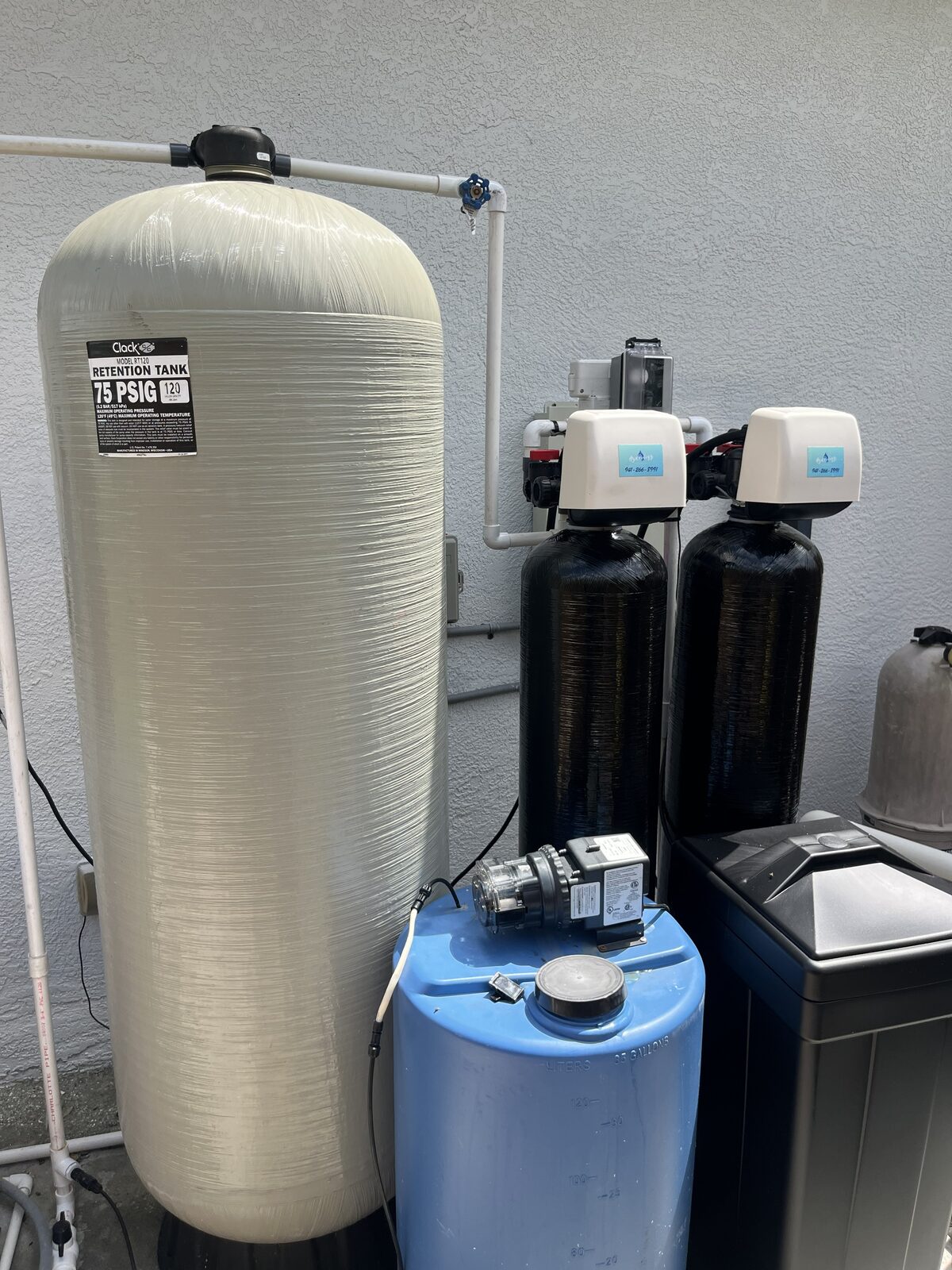
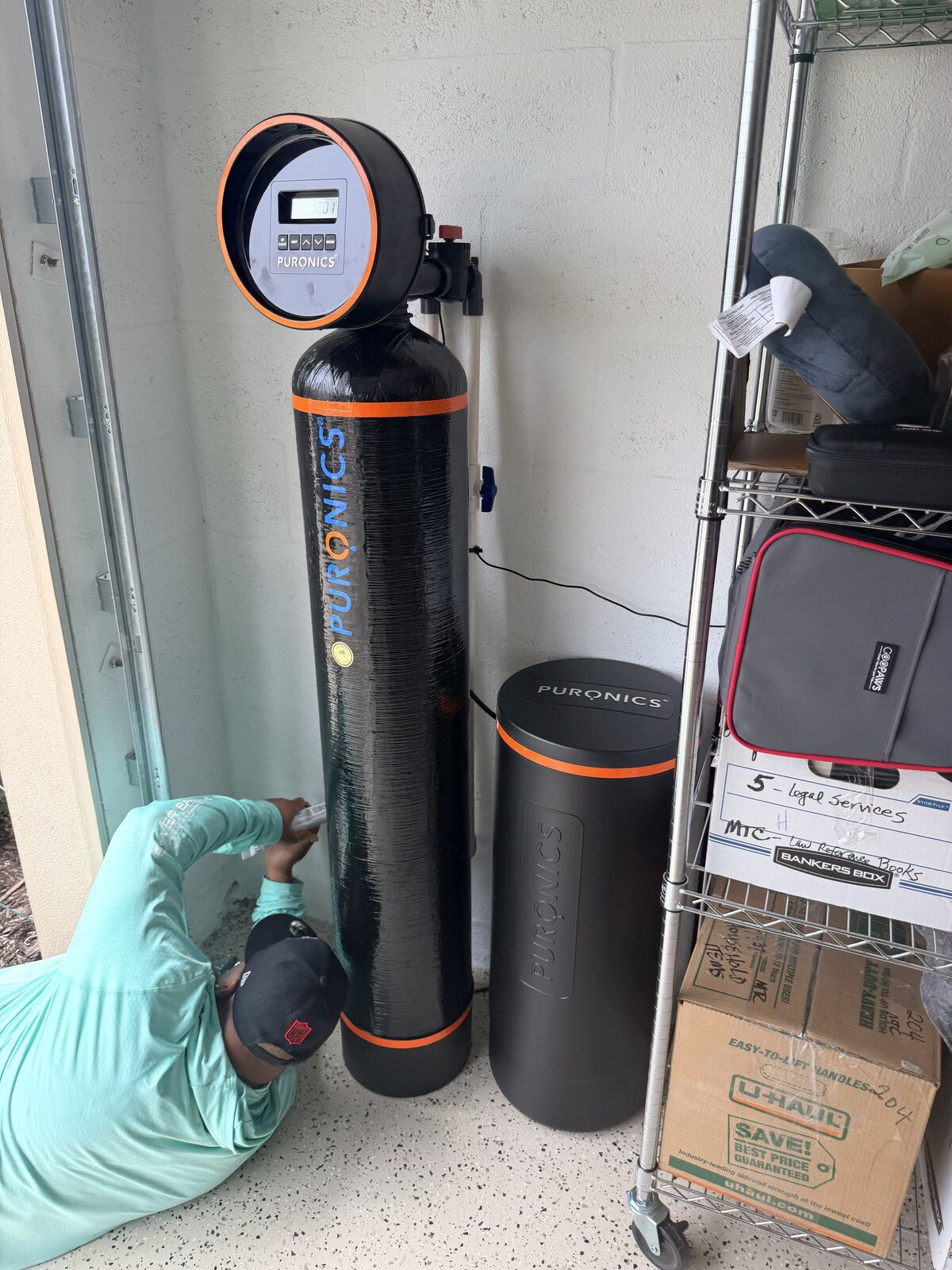
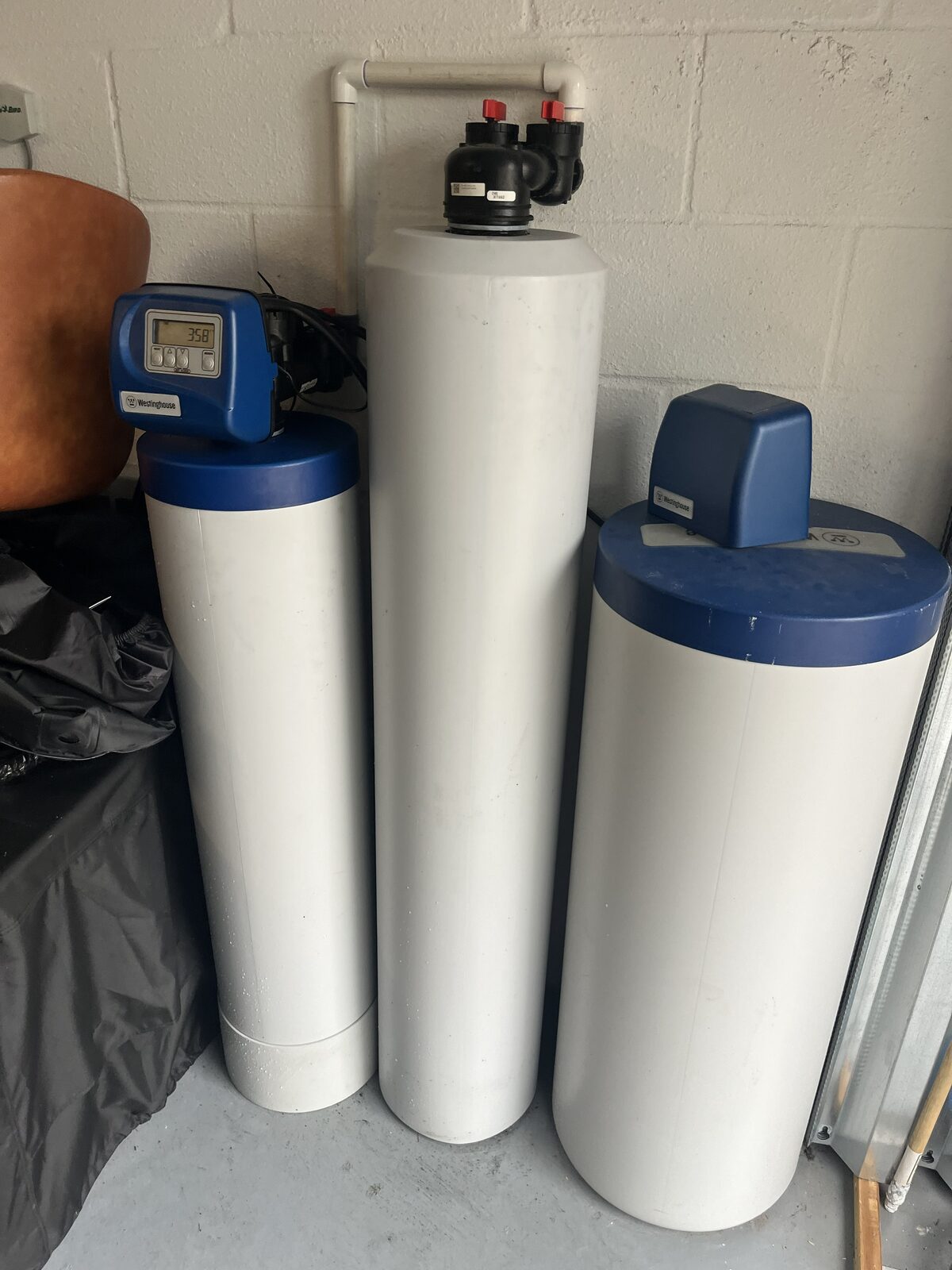
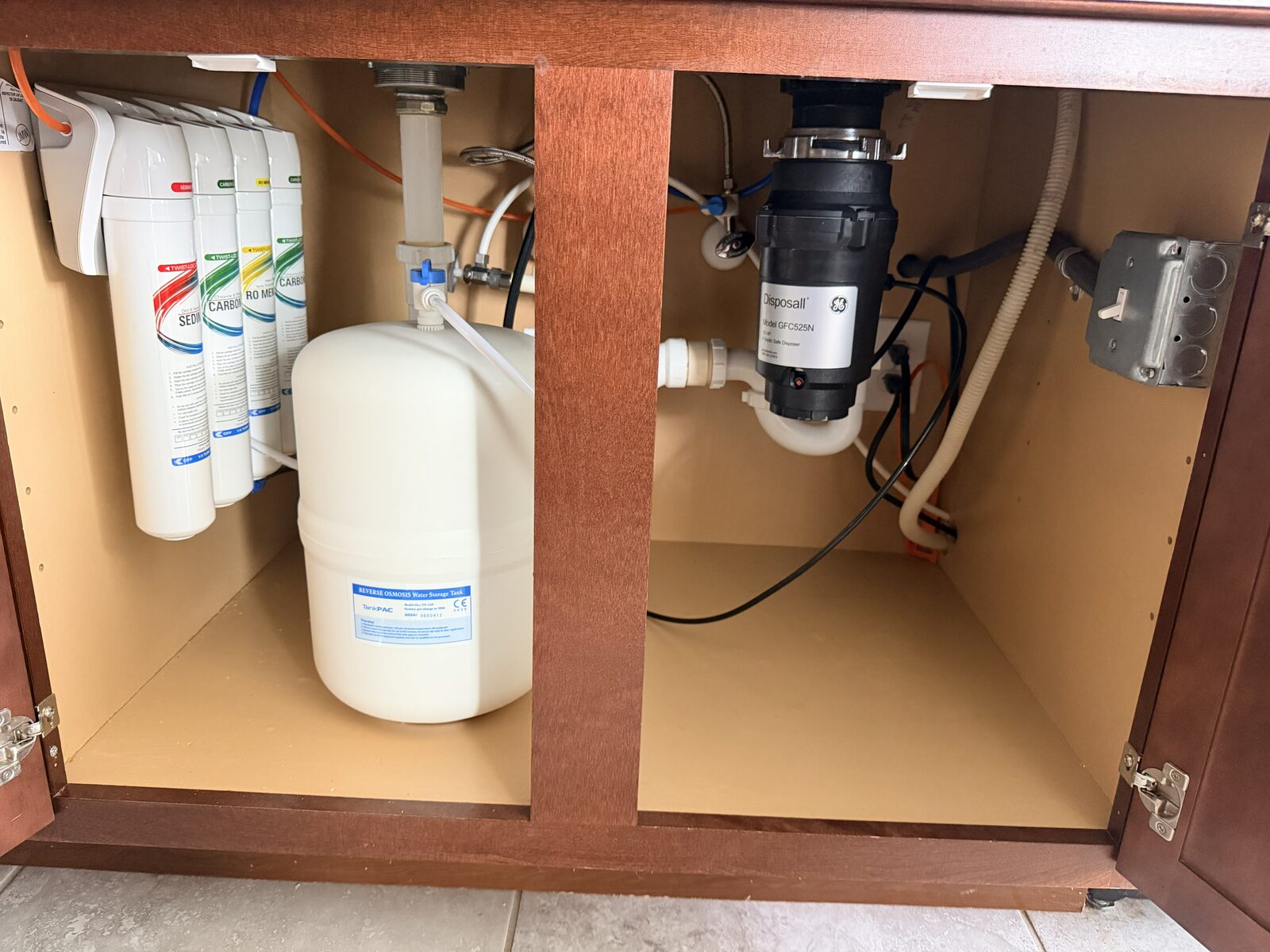
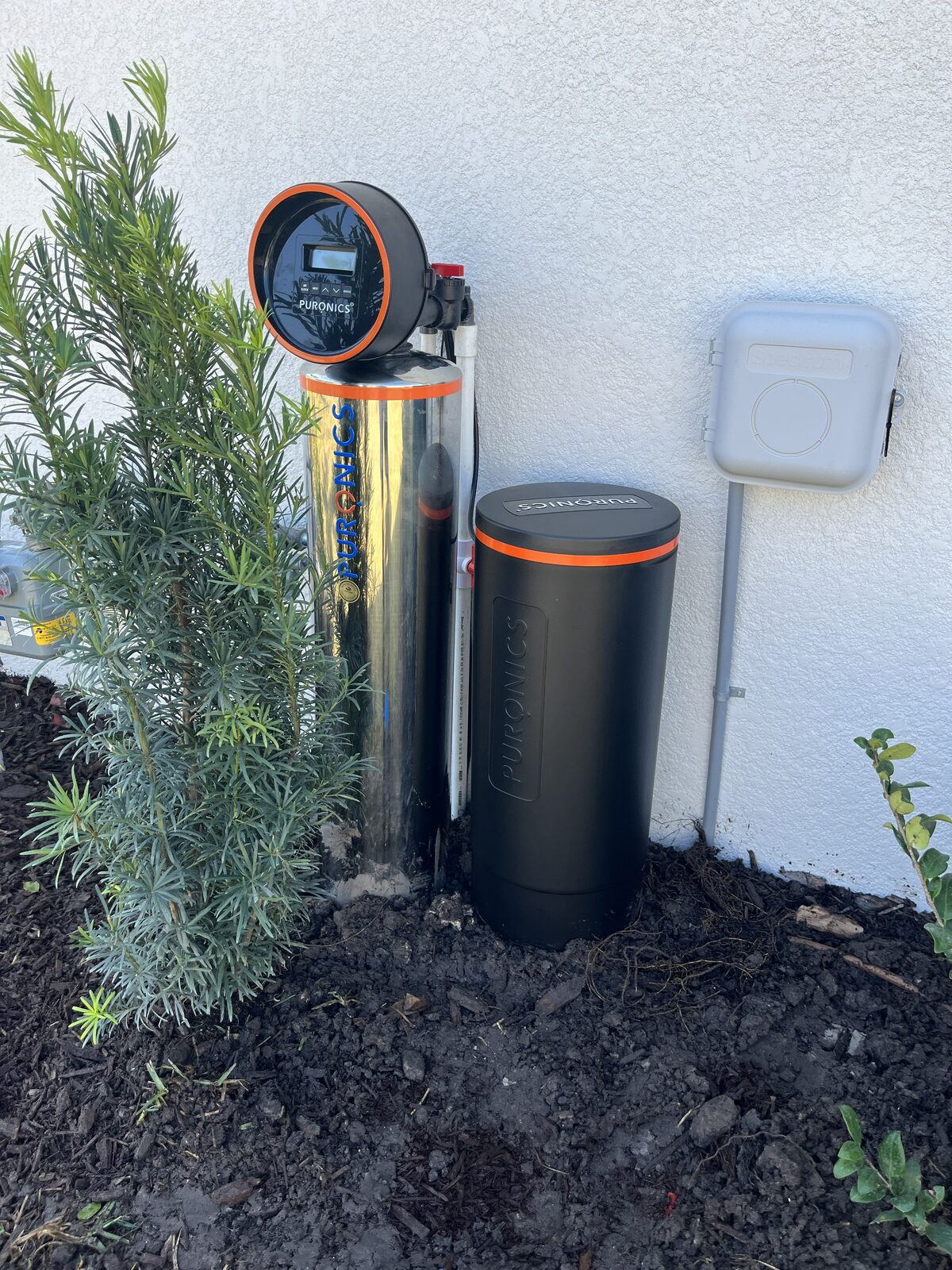
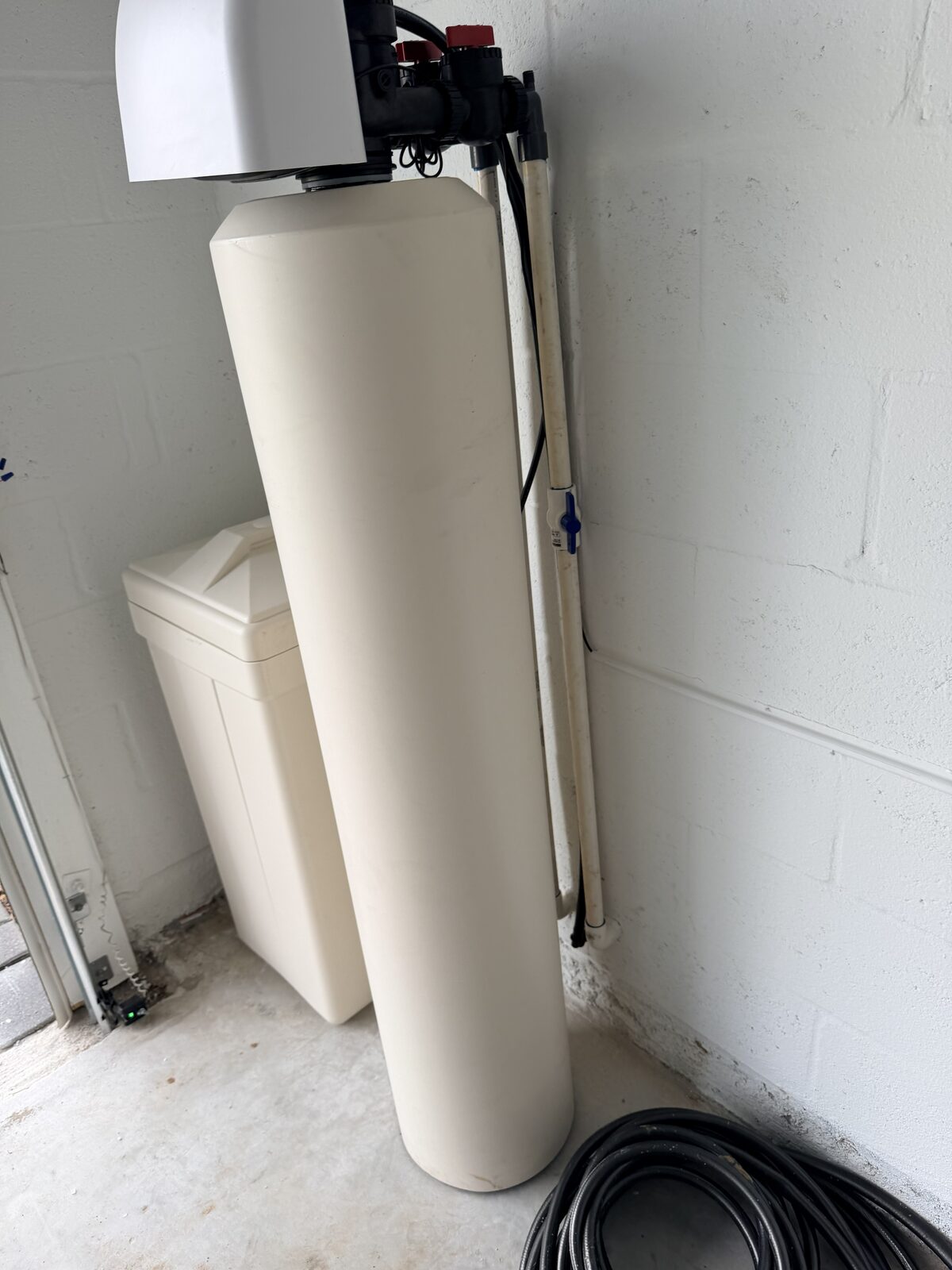
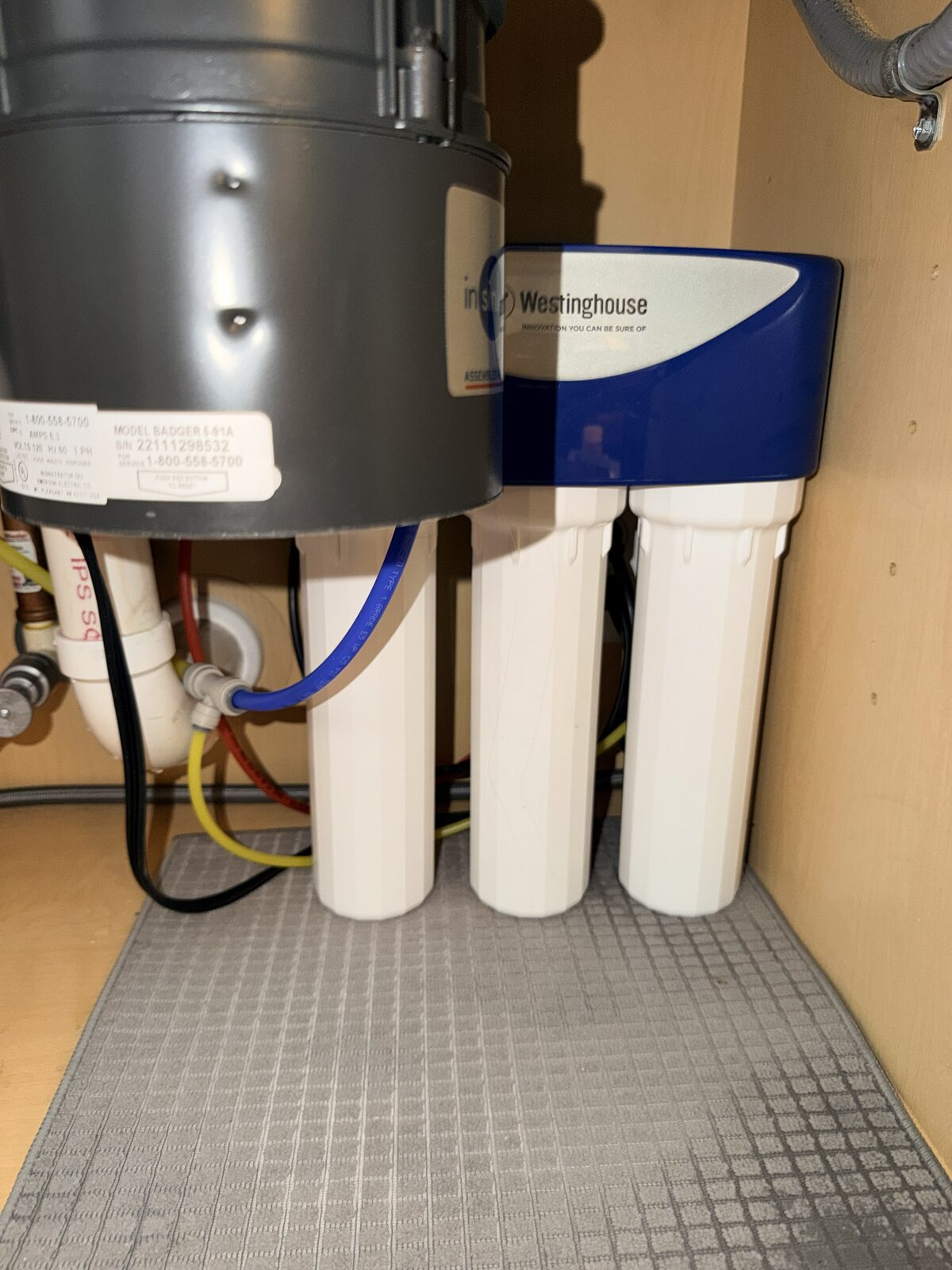
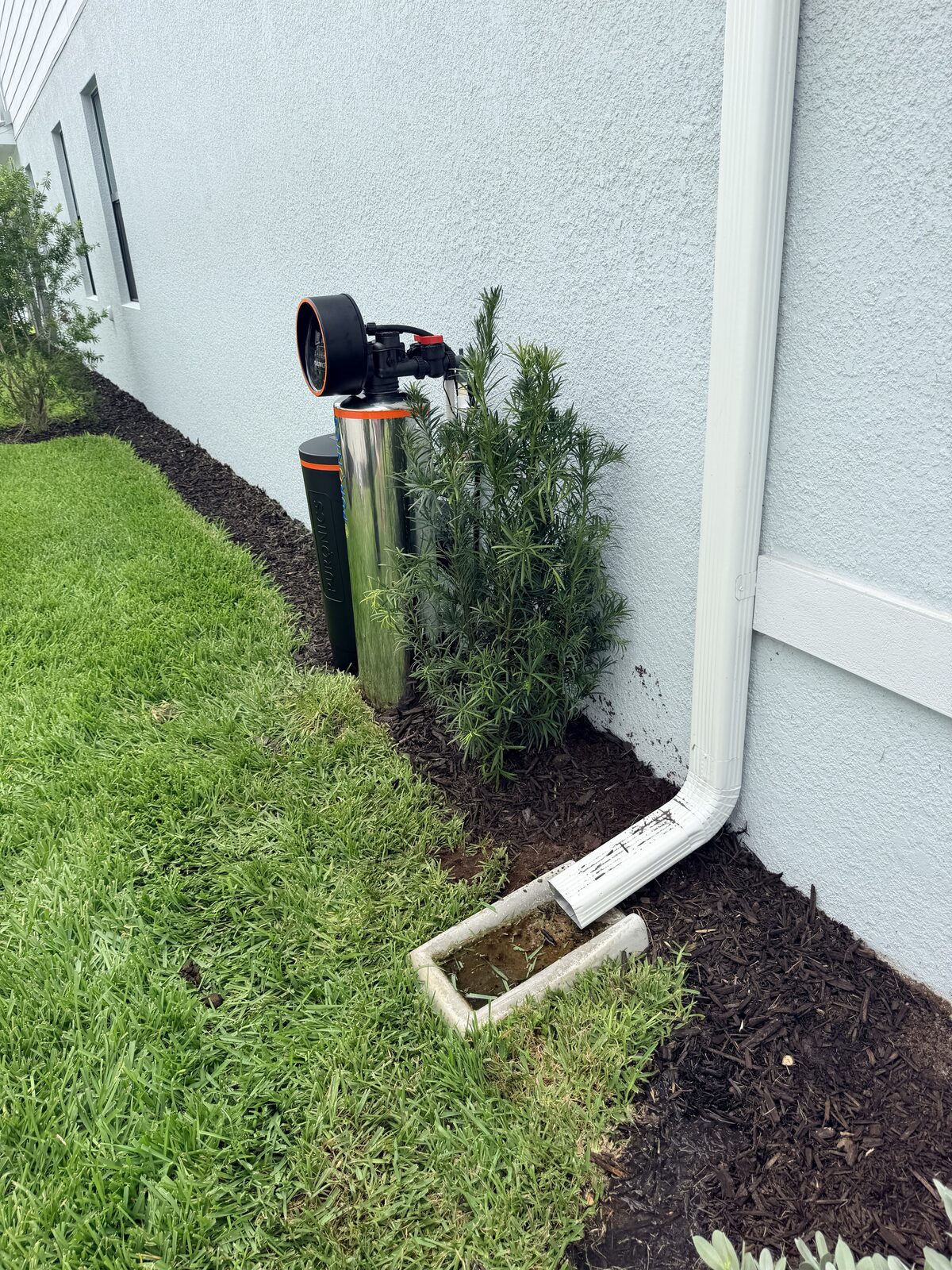
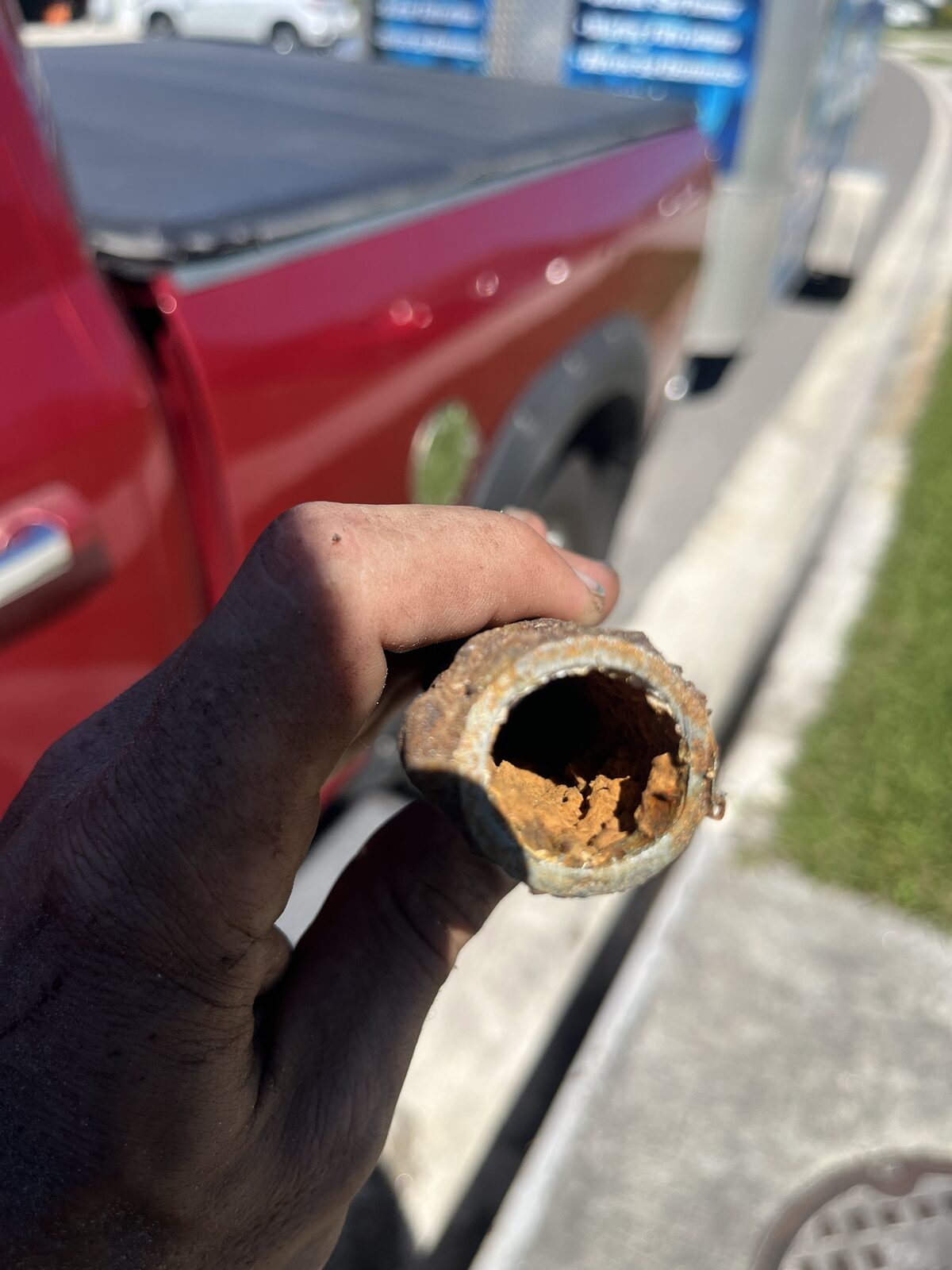
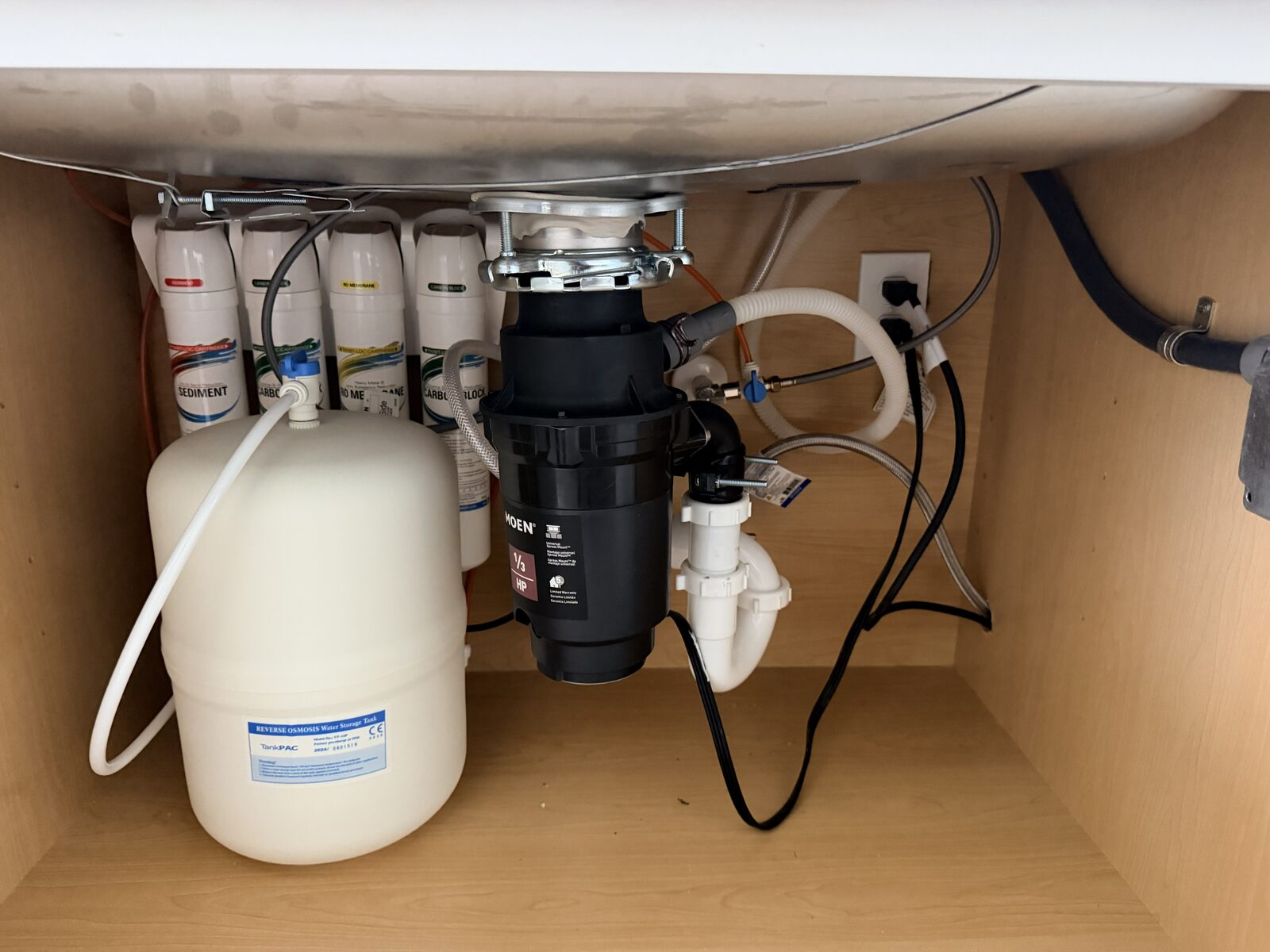
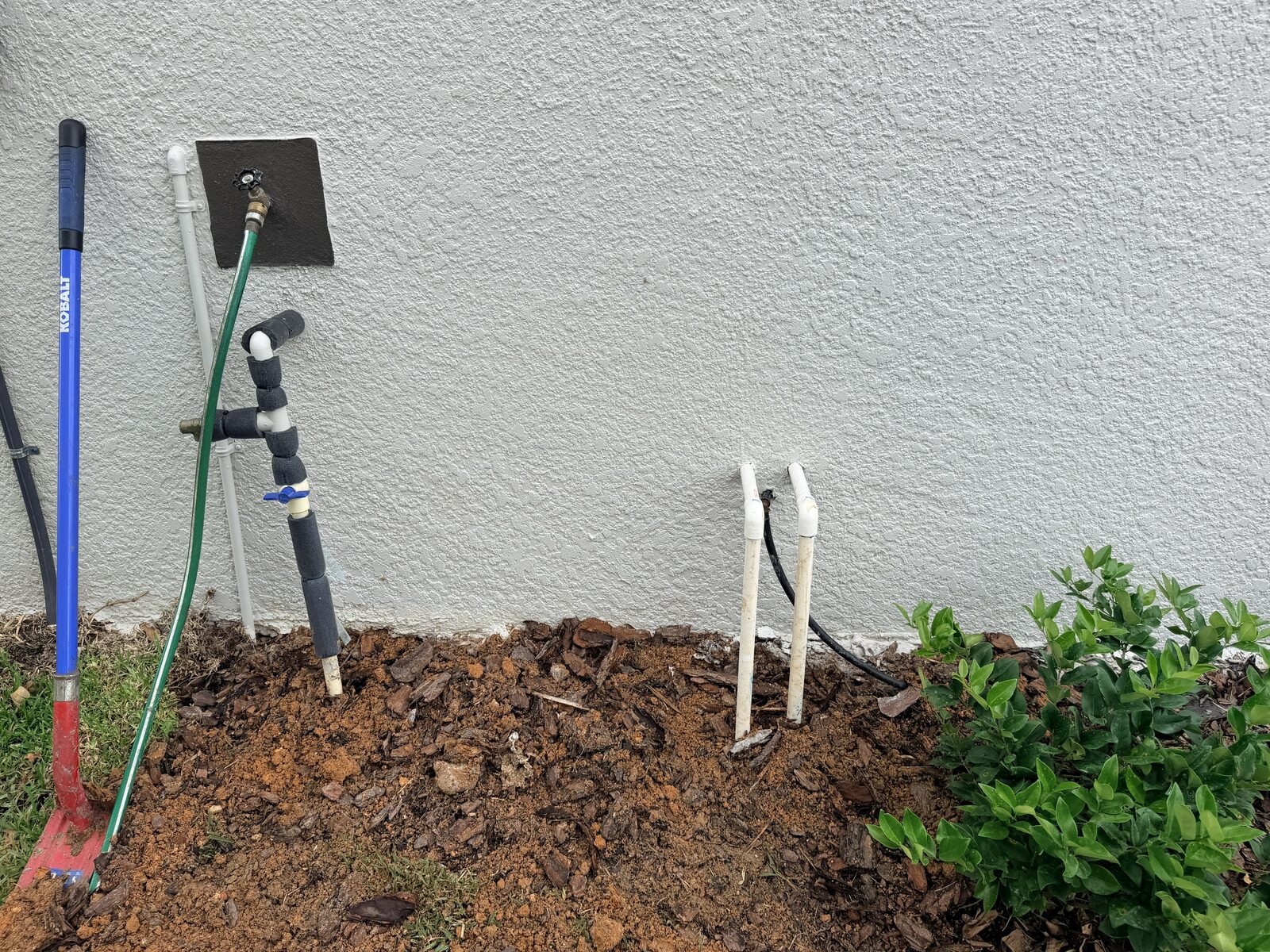
We install water systems every day, and we also — — get called to fix or replace systems other companies oversold. None of what follows is a secret. It is just the stuff a good company will happily tell you and a slick one hopes you never ask.
What your neighbors say
4.7★ from 212 Google reviews.
“I cannot say enough amazing things about this company and system! We had three companies come out and Hydrology stood out on every level.”
“We’ve had our system now a month and absolutely love it. My wife is a hair beautician with over 30 years of experience and definitely can tell the difference with the water.”
“Wow, I can definitely feel a difference in my hair, skin, and when I wash my hands. I knew getting a water softener was a priority and I’m so glad I decided to go with Hydrology.”
Every review is on our Google profile — read all of them there. We don’t cherry-pick; we just answer the phone.
Keep reading: 7 questions to ask before buying a softener
Straight answers
Common questions.
What people ask us before they book.
More water answers →
What hard water does to a home: the Battelle study →
How do I check if a water filter is really NSF certified?
Search the product by model in the NSF certified-products database or the WQA directory. If it is genuinely certified it will be listed there, with the exact standards and contaminants. If you cannot find it, the “certified” claim is likely just “tested to” a standard, which is not the same thing.
What does NSF/ANSI 372 mean?
It is a material-safety standard — essentially “lead-free” wetted materials. It says nothing about which contaminants a system removes. Watch for lists that lean on 61 and 372 to look impressive; the removal standards are 42, 53, and 58.
Is a “lifetime warranty” on a water system real?
It depends entirely on who backs it. A manufacturer warranty is real and survives the dealer; a “lifetime” backed only by a local dealer or a third-party program is only as good as that company. Always ask who stands behind it and get the terms in writing.
Is salt-free water softening the same as a softener?
No. Salt-free systems condition hardness so it sticks less; they do not remove it. You will still see spotting and get less lather than with a true softener. It is a fair option if you cannot use salt, but it is not softening.
Should I sign up during the in-home visit?
Only if you are genuinely ready — never because of pressure or a “today only” price. A trustworthy company tests your water, gives you a clear written quote, and is happy to let you think it over.
What makes Hydrology different?
We are firefighter-founded and family-owned, we install WQA Gold Seal certified equipment on name-brand Clack valves, we put the warranty in writing, and we recommend based on a real in-home test — not a script. Our own techs do the work; we do not use subcontractors.
Related: free water testing.