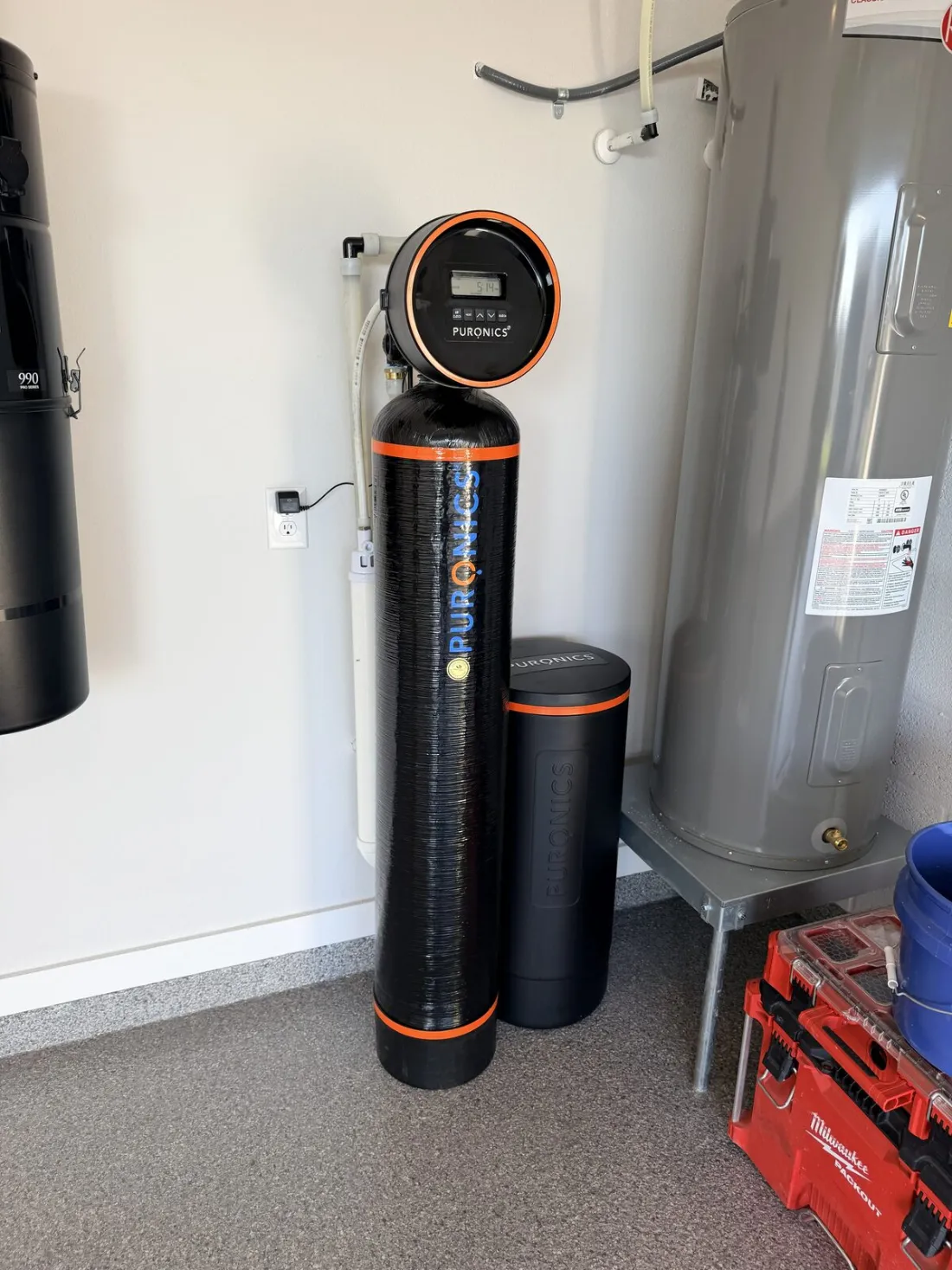
Certification · WQA Gold Seal
“Certified” is a word.
The seal is a process.
Anyone can print “tested” on a brochure. To put this seal on a tank, a manufacturer has to send the product to an accredited lab, pass a test to a numbered standard, open the factory to inspectors, and do it again every year. Here’s how it works, what it means for you, and how to check any company’s claim in a minute.
Request your free water test
★★★★★ 4.7 — a few details and we reach out, usually same day.
WHAT IT MEANS FOR YOU
Peace of mind
you can verify.
A large, public manufacturer stands behind it
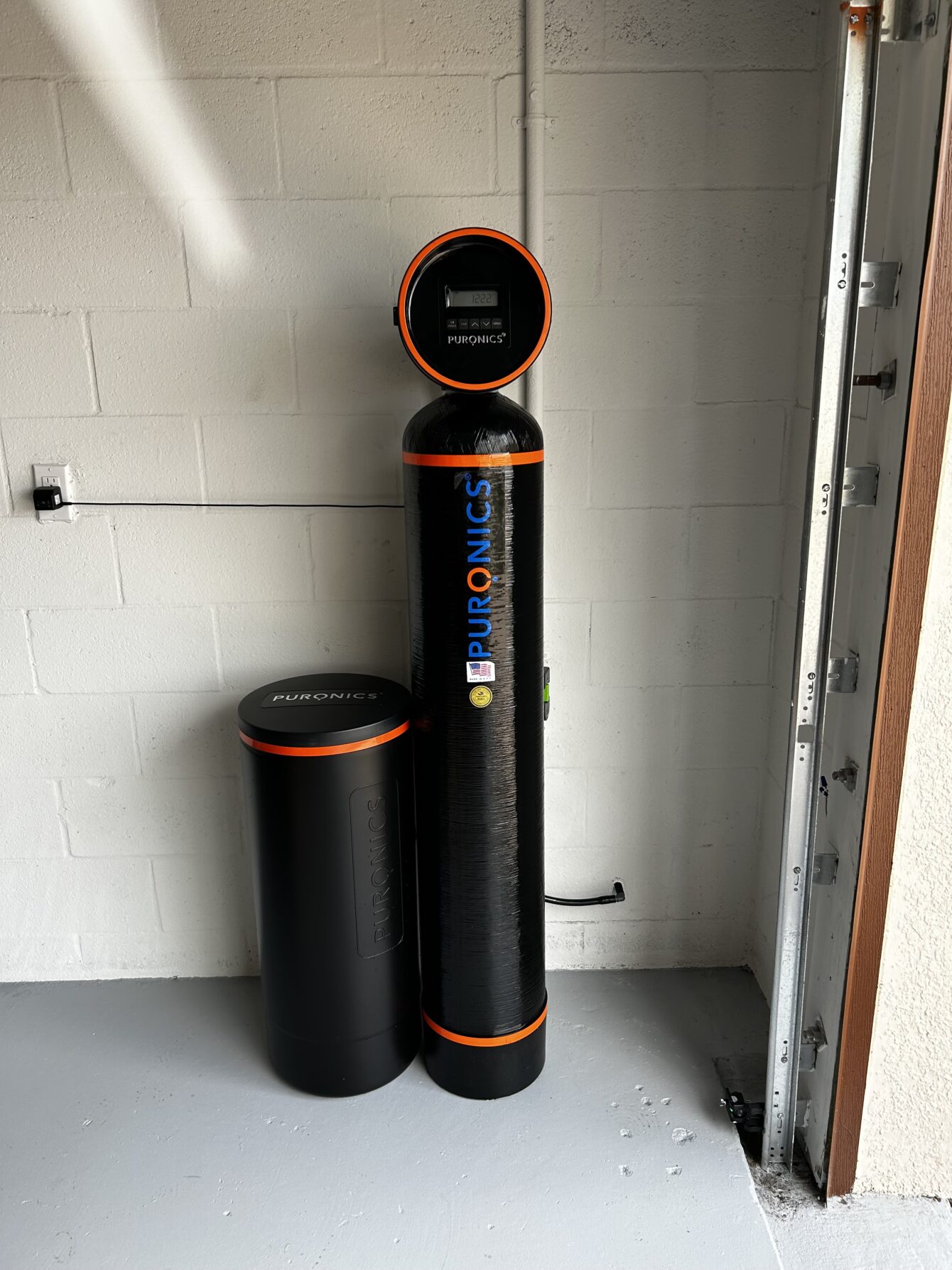
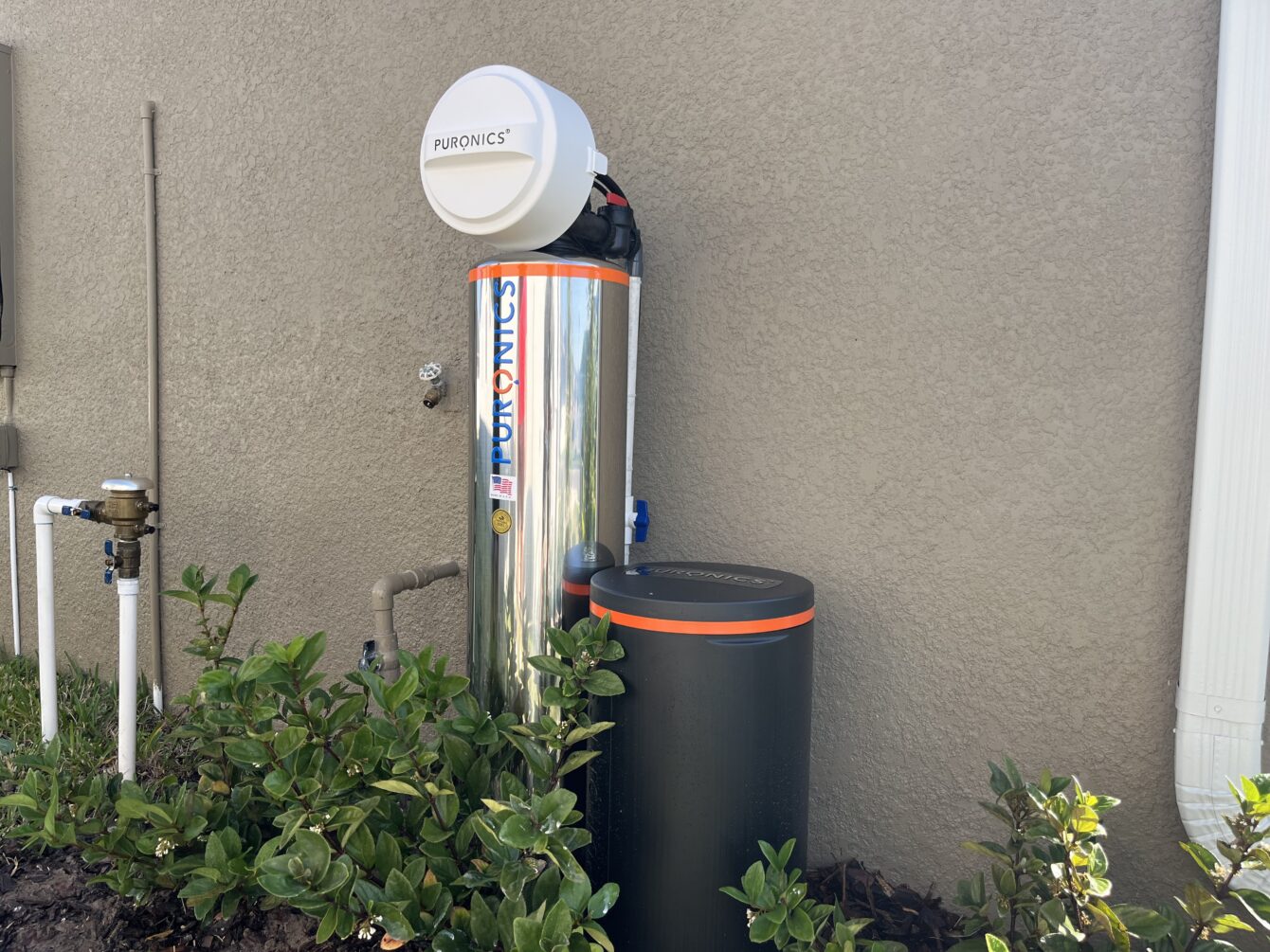
Puronics is part of Franklin Electric — a publicly traded company that has been building water equipment for decades. The warranty on your system is theirs, in writing. It doesn’t depend on any one dealer staying in business.
More than one way to get a claim handled
Because the warranty is the manufacturer’s and registered in your name, you’re not locked to us to use it. We handle claims for our clients — and file them for you if you’re on Platinum Care — but the coverage travels with the equipment, not with the company that sold it.
You can check every claim yourself
The seal is issued per model and listed publicly. Search Puronics on wqa.org, find the model on your quote, and read the standards next to it. If a company’s equipment isn’t there, it isn’t certified — whatever the brochure says.
HOW A PRODUCT EARNS IT
Seven steps.
No shortcuts.
This is WQA’s published process. The two steps most companies can’t get past are in gold.
Declare the claims
The manufacturer states exactly what it will claim — contaminant reduction, flow rate, capacity — and signs a certification agreement. Those claims are what gets tested.
Third-party laboratory testing
The product goes to WQA’s own lab or an approved technical service provider and is tested to NSF/ANSI standards — 42, 44, 53, 58, 372. The manufacturer doesn’t run the test. That’s the point.
Materials review
WQA verifies the product won’t leach anything into your water. A filter that adds something while taking something out doesn’t pass.
The paperwork gets audited too
Manual, performance data sheet and data label are reviewed against the standard. Every claim on paper has to match the test data.
The plant has to pass
Inspectors audit the facility to confirm the products being sold are the same products that were tested. A product can’t carry the seal if the factory that builds it doesn’t pass.
Certificates issued
Only now does the product get the mark and a public listing — by manufacturer and model — in WQA’s database.
Annual surveillance
Certified companies must retest regularly and submit to annual facility inspections. The seal is rented, not owned. Stop passing and it comes off.
WQA is accredited by ANAB (U.S.) and SCC (Canada). NSF International and IAPMO run equivalent accredited programs. A real certification comes from one of these bodies and is listed in its public database. Source: wqa.org/grow/product-certification and WQA’s “Gold Standard” booklet, 2026.
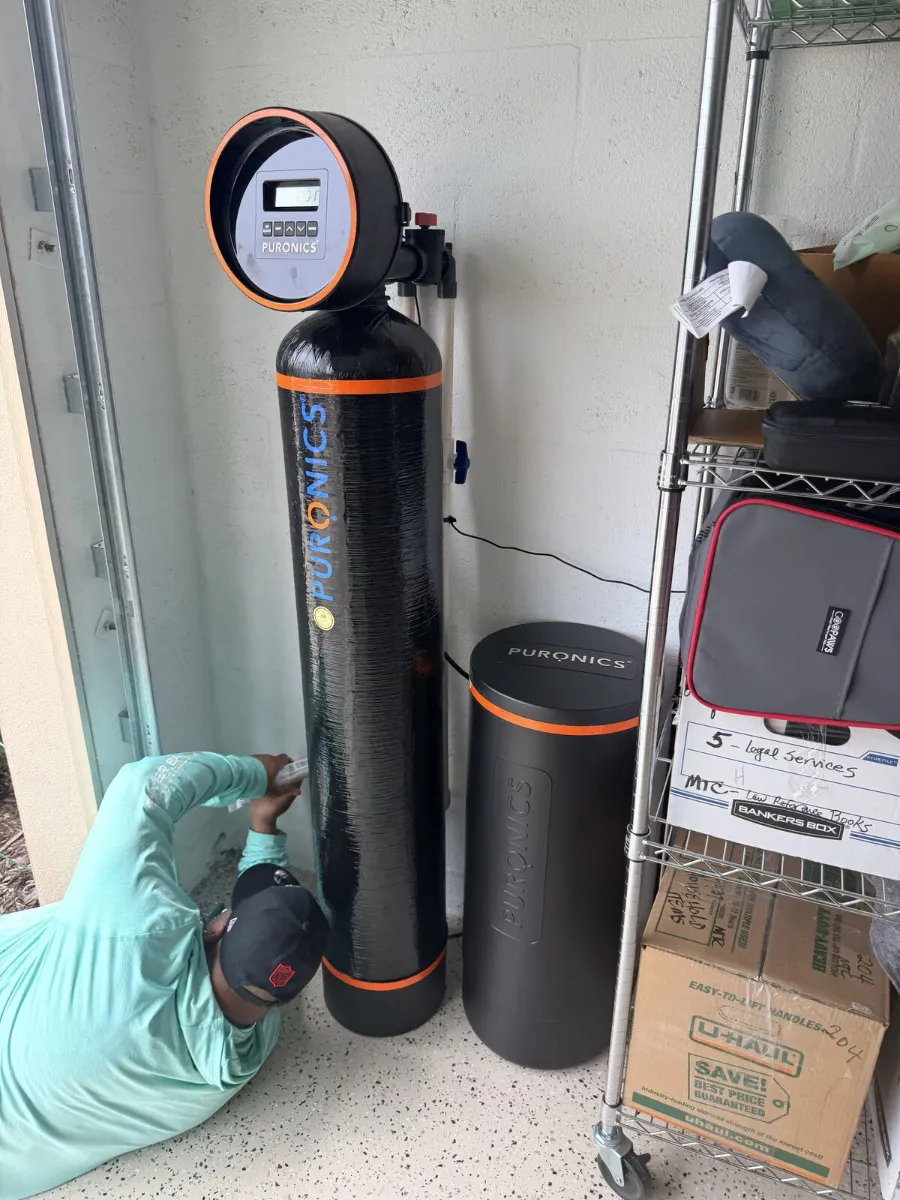 Our tech · our install
THE DIFFERENCE
What the seal is —
and what it isn’t.
- ✕“Tested” — by whom, to what standard? If it doesn’t say, it wasn’t.
- ✕“Meets NSF standards” or “NSF-grade components” — self-declared. Certified parts don’t make a certified system.
- ✕A house-brand unit from a certified factory — same plant, but that model was never submitted. The seal is per model.
- ✓Tested by an accredited third party to a numbered standard, factory inspected every year, listed publicly by model, retested on a schedule.
CHECK IT YOURSELF
One minute.
Any company.
Before you buy from anyone — including us — do this.
Open the WQA database- 1Go to wqa.org/find-products
- 2Search the manufacturer — try Puronics
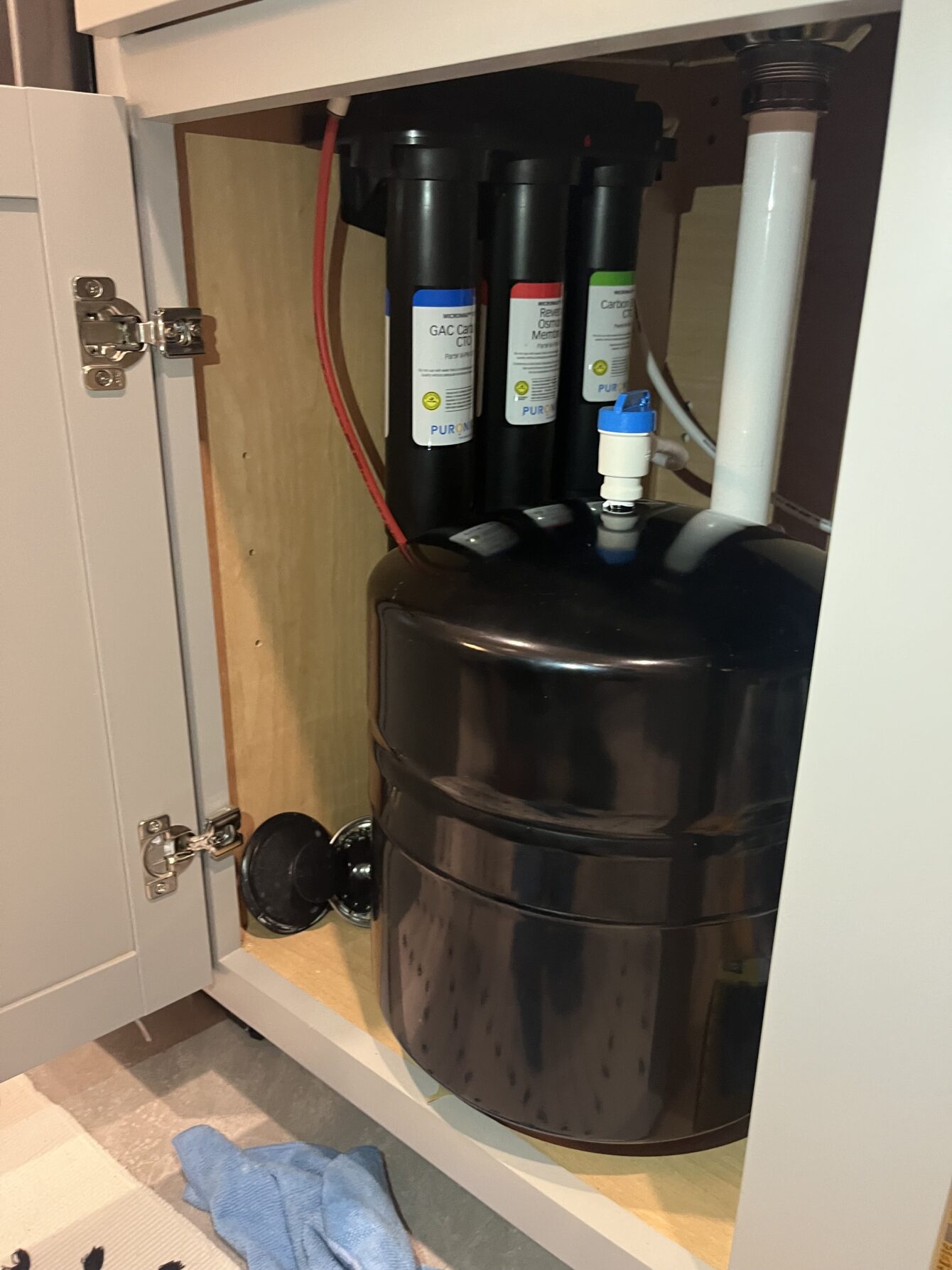
- 3Find the model on your quote — Hydronex iGen C, Micromax 8500
- 4Read the standards listed: 42, 44, 53, 58, 372
- 5If the model isn’t there, it isn’t certified — whatever the brochure says.
WHY WE’RE THIS STUBBORN ABOUT IT
A sales pitch
isn’t a test.
“Most companies sell a system because carbon removes certain things — but there’s no third-party testing behind that specific unit. Do you want something a sales rep tells you is going to work, or something that’s tested and certified to work?”
— Brad Germain, owner
Certified equipment costs more. The factory audit, the lab time, the annual retest — that’s in the price. What you’re buying is the difference between a claim and a record. We could build generic for less. We don’t, because you’re trusting us — and the record has to hold up whether we’re standing in your garage or not.
Test first.
Then we talk.
Free in-home water test. A straight answer. Equipment you can look up before you sign.
What your neighbors say
4.7★ from 212 Google reviews.
“I cannot say enough amazing things about this company and system! We had three companies come out and Hydrology stood out on every level.”
“We’ve had our system now a month and absolutely love it. My wife is a hair beautician with over 30 years of experience and definitely can tell the difference with the water.”
“Wow, I can definitely feel a difference in my hair, skin, and when I wash my hands. I knew getting a water softener was a priority and I’m so glad I decided to go with Hydrology.”
Every review is on our Google profile — read all of them there. We don’t cherry-pick; we just answer the phone.