Manatee · Sarasota · Hillsborough · Pinellas · Charlotte
What Is in Your Well Water? A Suncoast Well Owner’s Guide
On a private well in Parrish, Myakka City, east Manatee, or out toward the coast? Your water is not tested by anyone but you. Here is the plain-English guide to what shows up in Florida wells, what each sign means, and how to fix it.
4.7★ from 212 Google reviews · WQA Gold Seal Puronics dealer · Our own techs, no subcontractors
Request your free water test
★★★★★ 4.7 — a few details and we reach out, usually same day.
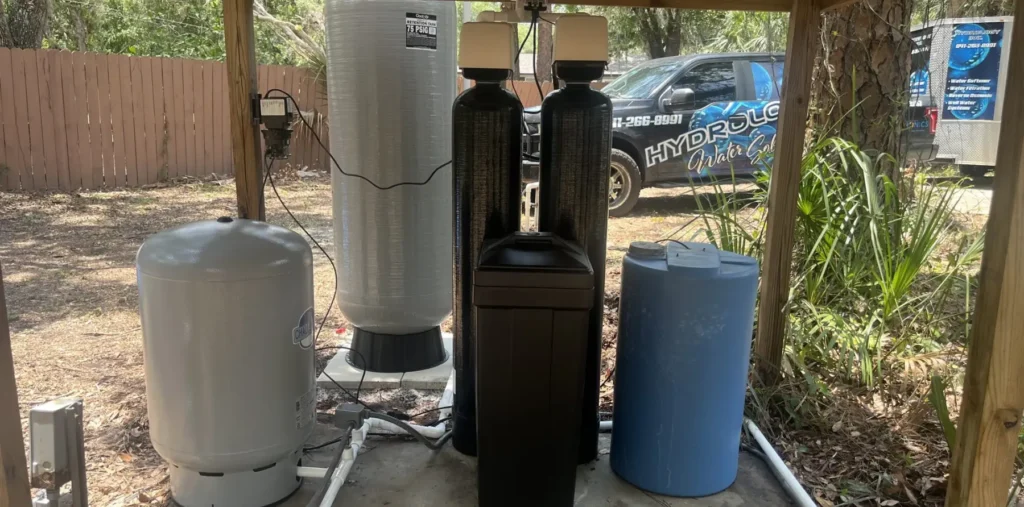
Our install · a real job, not stock
Your well is your responsibility
City water is tested and disinfected by the utility. A private well is not — the EPA regulates public systems, not private wells, so the only person checking your water is you. That is not meant to scare you; it is just the reason to test, especially for bacteria and nitrates. Florida’s geology also means iron, sulfur, tannins, and low pH are common. The good news is that every one of these is fixable, and a test tells you exactly which apply to you.
The signs, and what each one means
- Orange, red, or brown stains — iron in the water Iron & sulfur treatment →
- Rotten-egg smell — hydrogen sulfide (sulfur), often with sulfur bacteria Iron & sulfur treatment →
- Smell that keeps coming back after you shock the well — iron/sulfur bacteria — needs disinfection at the source Chlorine injection →
- Yellow or tea-colored water (clear, not cloudy) — tannins from organic matter Tannin filter →
- Blue-green stains on sinks and tubs — acidic, low-pH water corroding copper Acid neutralizer →
- Salty or brackish taste — high total dissolved solids (TDS) Whole-home reverse osmosis →
- Sand, grit, or cloudy water — sediment from the aquifer Sediment pre-filter →
- A positive bacteria test on otherwise clean water — disinfection needed UV disinfection →
- Spots, scale, dry skin — hard water Water softener →
What actually fixes what
Every well problem has a specific fix.
This is the part most homeowners never get told. “A filter” is not a fix — the media has to match the contaminant. Here is what each problem actually takes, and why.
Iron — the orange and brown staining
Dissolved iron comes out of the tap clear and turns orange once it hits air. That is why the stain shows up in the toilet tank and on the driveway but the glass of water looks fine. The fix is oxidation followed by filtration: you have to convert the dissolved iron into a solid particle first, then catch it. Air injection does this without chemicals by pulling a pocket of air into the top of the tank and pushing the water through it. Below roughly 8 ppm of iron with no bacteria present, air injection handles it cleanly. Above that, or with bacteria in the picture, oxidation needs to be chemical rather than atmospheric.
A softener will remove a small amount of iron as a side effect of ion exchange, which is why some homes limp along on one. It is not what the resin is designed for, the iron shortens the bed’s life, and it does nothing for the smell.
Hydrogen sulfide — the rotten-egg smell
Hydrogen sulfide is a dissolved gas. You cannot strain out a gas, so a sediment filter does nothing at all here. It has to be oxidized into elemental sulfur — a solid — and then filtered out, the same two-step as iron. Air injection handles light sulfur. Heavier sulfur, or sulfur that keeps returning after the well is shocked, points at sulfate-reducing bacteria producing it continuously, and that needs continuous disinfection rather than oxidation alone.
The clue worth paying attention to: if the smell is in the hot water only, the problem is usually the anode rod in the water heater reacting with sulfate in the water, not the well. That is a water-heater repair, not a treatment system, and we will tell you so.
Tannins — the tea-colored water
Tannins are organic acids leached from decaying vegetation, common in Florida wells near wetlands and in shallower wells. The tell is that the water is clear but tinted — hold a glass up and you can see through it, it is just yellow or brown. Cloudy is sediment; clear-and-tinted is tannins.
Tannins need a specific anion resin that exchanges the organic molecules out. Carbon will take a little color out at first and then stop. A softener does nothing for them. Tannin resin also has to be regenerated with salt on its own schedule, and it belongs after oxidation and filtration so the resin is not fouled by iron on the way in.
Low pH — the blue-green stains
Blue-green staining on a white sink is not a mineral in the water. It is your copper pipe dissolving. Acidic water — anything much under 7.0 — slowly eats copper plumbing and leaves the copper salts behind as that stain. Left alone it eventually produces pinhole leaks.
The fix is a neutralizer: a tank of calcite, sometimes blended with a magnesium media, that the water passes through slowly enough to raise the pH by dissolving a controlled amount of the media. It is consumable by design — the media dissolves into the water and is topped up periodically, which is normal and not a fault. Raising pH also adds a little hardness, which is one reason the neutralizer goes before the softener.
Hardness — the scale and the spotting
Calcium and magnesium, removed by ion exchange in a softener. On a well this is the last step, not the first, because resin is the most easily fouled media in the whole train. Iron, sulfur, biofilm and sediment all shorten its life, and every one of them is cheaper to remove upstream than to clean out of a fouled bed.
Sediment — the grit
Sand, silt and rust flakes. A spin-down or cartridge filter ahead of everything else protects the valves and the media behind it. Cheap, and the thing most often missing on a system that keeps having valve trouble.
The part that gets skipped
The order matters more than the equipment.
Most failed well systems we are called out to are not cheap equipment. They are the right equipment installed in the wrong sequence.
Well water arrives with several problems layered on top of each other, and each stage of treatment assumes the stage before it did its job. Get the order wrong and you do not get a slightly worse result — you get a system that fouls, smells and fails, usually within a year, and usually long after whoever installed it has moved on.
Here is the sequence, and the reason for each step:
- Test first. Nobody tests a private well except the owner. Without a test you are guessing at which problems are present and in what amounts, and every decision after this depends on those numbers.
- Shock the well if bacteria are present. Treating downstream of a colonized well just relocates the problem into your brand-new equipment.
- Oxidize or disinfect continuously. Air injection for straightforward iron and light sulfur; chemical feed where bacteria or heavier loads are involved. A one-time shock does not hold — the well recolonizes.
- Filter the now-solid iron, manganese and sulfur back out.
- Soften last, on water that is finally clean enough not to destroy the resin.
- UV last of all, where it is warranted, and only on water that is already clear.
The expensive mistake is putting a softener or a carbon tank at the front of that list. Carbon in particular is worth understanding: a carbon bed is warm, wet, high in surface area and full of organic material. Install carbon on untreated bacterial well water and you have not built a filter — you have built an ideal substrate for the exact organisms you were trying to get rid of, with a warranty on it.
We are not saying this to cast anyone as a villain. Sequence is verifiable and character is not. But it is the single most useful thing a well owner can know before they buy anything, so we would rather you heard it here than found out in a year.
Two different things with the same word
Nuisance bacteria and coliform are not the same problem.
These get blurred together constantly, and the difference changes both how worried you should be and what the fix is.
Iron and sulfur bacteria — nuisance organisms
Iron bacteria produce a reddish-brown slime. Sulfate-reducing bacteria produce hydrogen sulfide — the rotten-egg smell — and a black slime. Both are extremely common in Florida wells. They stain, they smell, they slime, and they foul treatment equipment by colonizing the media rather than being filtered by it. Put a softener in front of iron bacteria and the biofilm plus oxidized iron blinds the resin bed.
What they are not, in themselves, is the health issue. They are a nuisance and an equipment problem, and we are careful to describe them that way.
Coliform and E. coli — a different conversation
Total coliform and E. coli are indicator organisms for contamination that could make people sick, and a positive result is a different matter entirely. That is a conversation to have with your county health department as well as with us, and it is one we keep in its own paragraph precisely because blurring it into the slime-and-smell discussion would be a health claim we cannot support.
The practical takeaway: a test tells you which of these you have. They can both be present, and the plan is different for each.
One limit
UV is not the answer to iron bacteria.
UV is genuinely good at what it does — it inactivates organisms as they pass through the chamber, with no chemicals and nothing added to the taste. We install it, and on the right water it is the right call.
It is the wrong call for iron bacteria, for two reasons worth knowing before anyone sells you one.
UV needs clear water. Iron, manganese, tannins and general turbidity all cut how far the light travels. Water that looks faintly tinted is already reducing the dose reaching the organisms, and the lamp has no way to tell you it is underperforming.
UV only treats water inside the chamber. It does nothing about biofilm growing on the pipe walls and media downstream of it. If the colony is established in the well and in the plumbing, sterilizing the water in transit does not remove the colony producing the slime and the smell.
Where iron and sulfur bacteria are the problem, continuous chlorine injection followed by filtration is the fix — disinfect at the source, then take the chlorine back out before it reaches the house. If UV belongs in your system, it belongs at the end of it, on water that is already clean.
The one that matters most: bacteria
If a test shows bacteria — coliform, or the iron/sulfur bacteria that make a slimy biofilm — that changes the plan. Oxidation-only systems like air injection do not kill bacteria, so the smell and slime come back. Chlorine injection is the fix: it disinfects at the source and then filters the chlorine back out. Our founder spent years running chlorination on commercial pools, so this is home turf for us — see the chlorine injection well system.
Start with a test — it is free
Your well can change with the seasons, after heavy rain, or after flooding, and no two wells are the same. A free in-home test measures your actual iron, sulfur, hardness, pH, TDS, and more, and if you already have lab results we will read them and give you a free second opinion. From there we size exactly what your water needs — and sometimes that is a single system. Not sure where to begin? The Which Water System quiz points you in the right direction in about a minute.
What a real test measures
What we check, and why each number matters.
A test strip from the hardware store tells you about hardness and not much else. Here is what actually needs measuring on a private well, and what each result changes.
- Iron — sets whether air injection is enough or whether oxidation needs to be chemical.
- Hydrogen sulfide — the smell, and whether it is coming from the well or from your water heater.
- Hardness — sizes the softener and sets how often it regenerates.
- pH — decides whether a neutralizer is needed before anything else, and warns you about your copper plumbing.
- Tannins — clear-but-tinted water needs its own resin; nothing else touches it.
- TDS — total dissolved solids, the background reading that tells us what else is in there.
- Bacteria — the result that can change the entire plan, which is why it is worth doing properly rather than guessing.
Wells are not static. Yours can change with the seasons, after heavy rain, and after flooding — which in this part of Florida is not a hypothetical. A reading from three years ago is history, not data. If you already have lab results, bring them and we will read them with you and give you a second opinion at no charge, including when the answer is that you do not need what someone else quoted you.
Our work
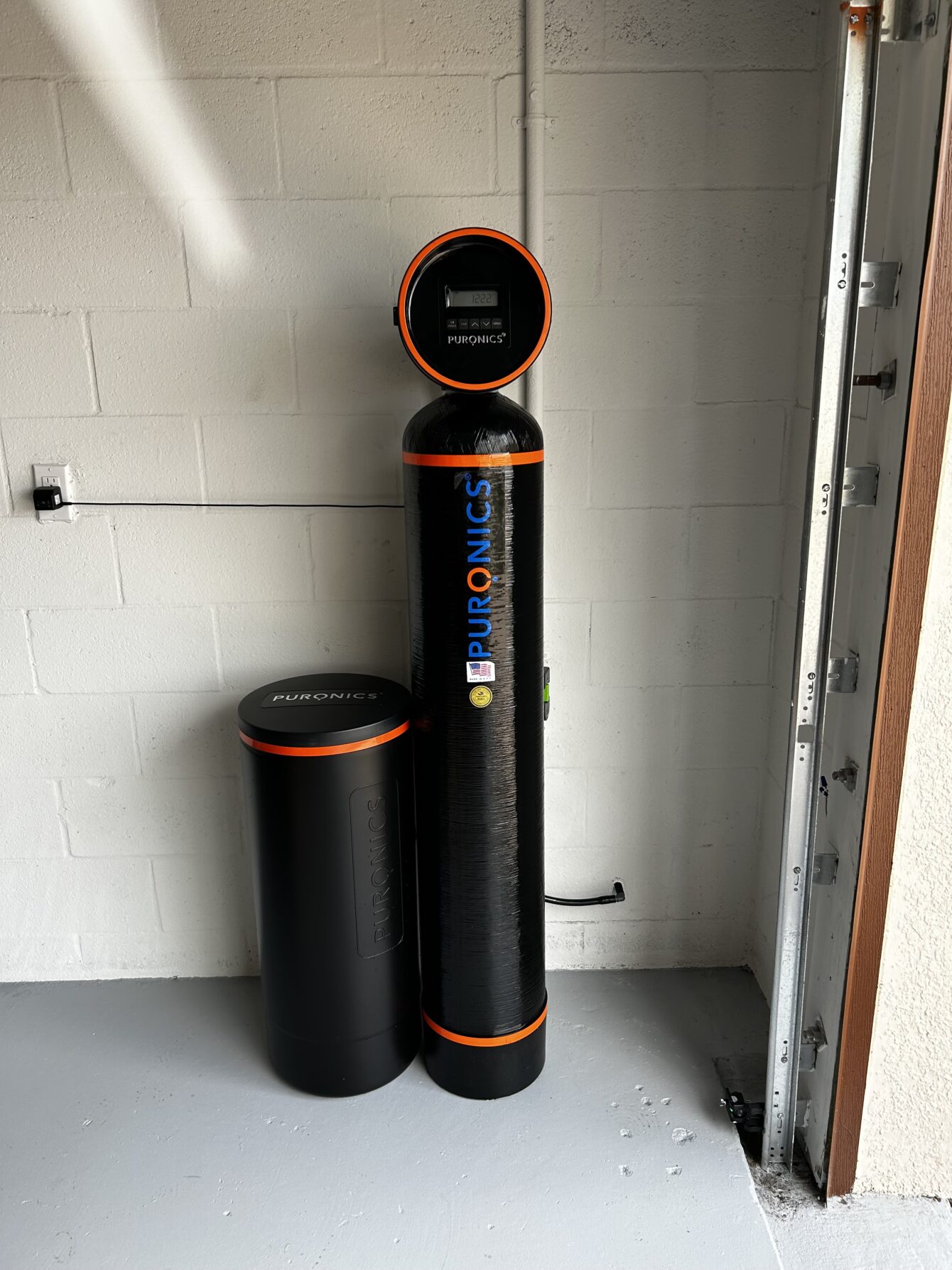
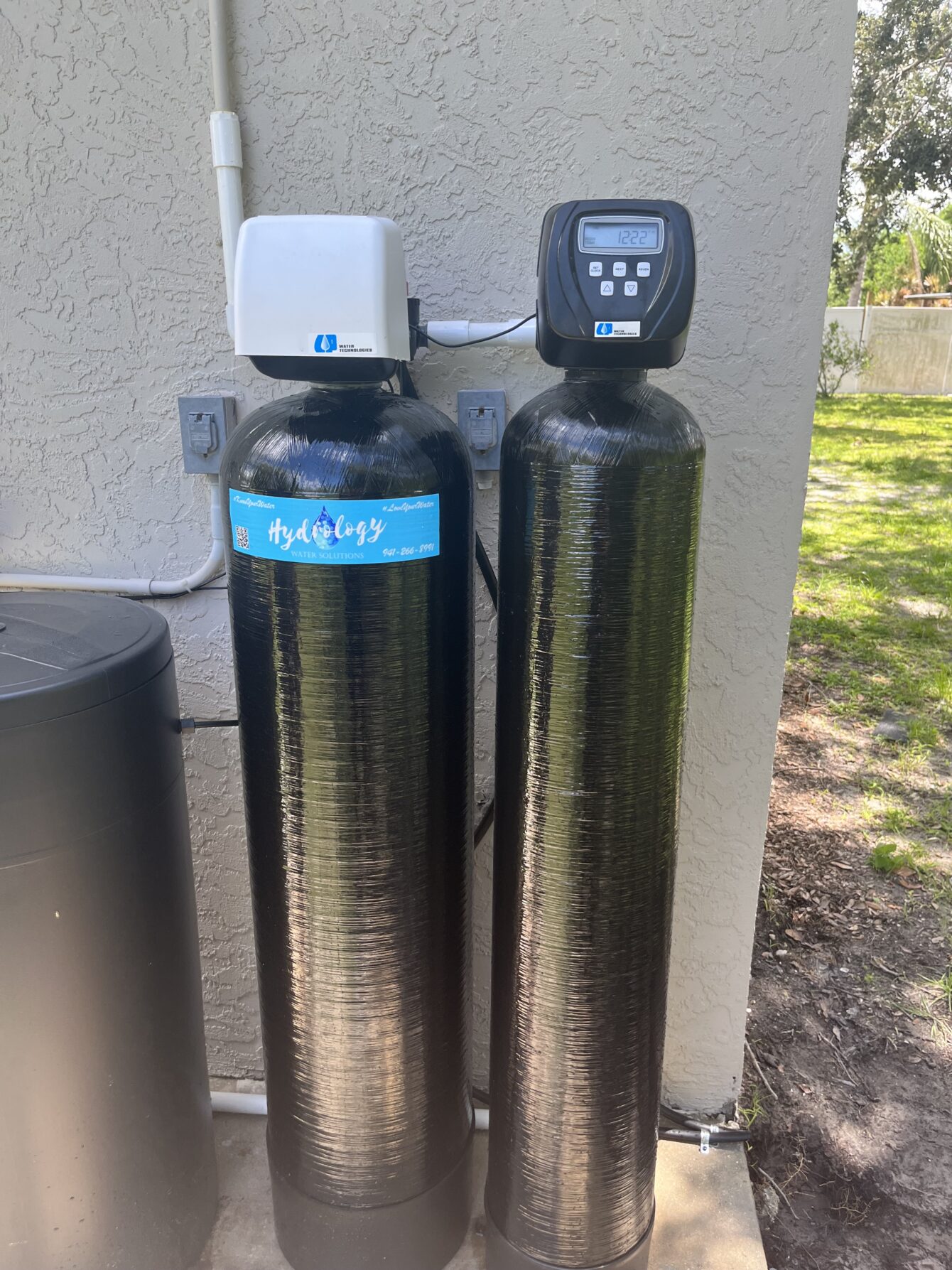
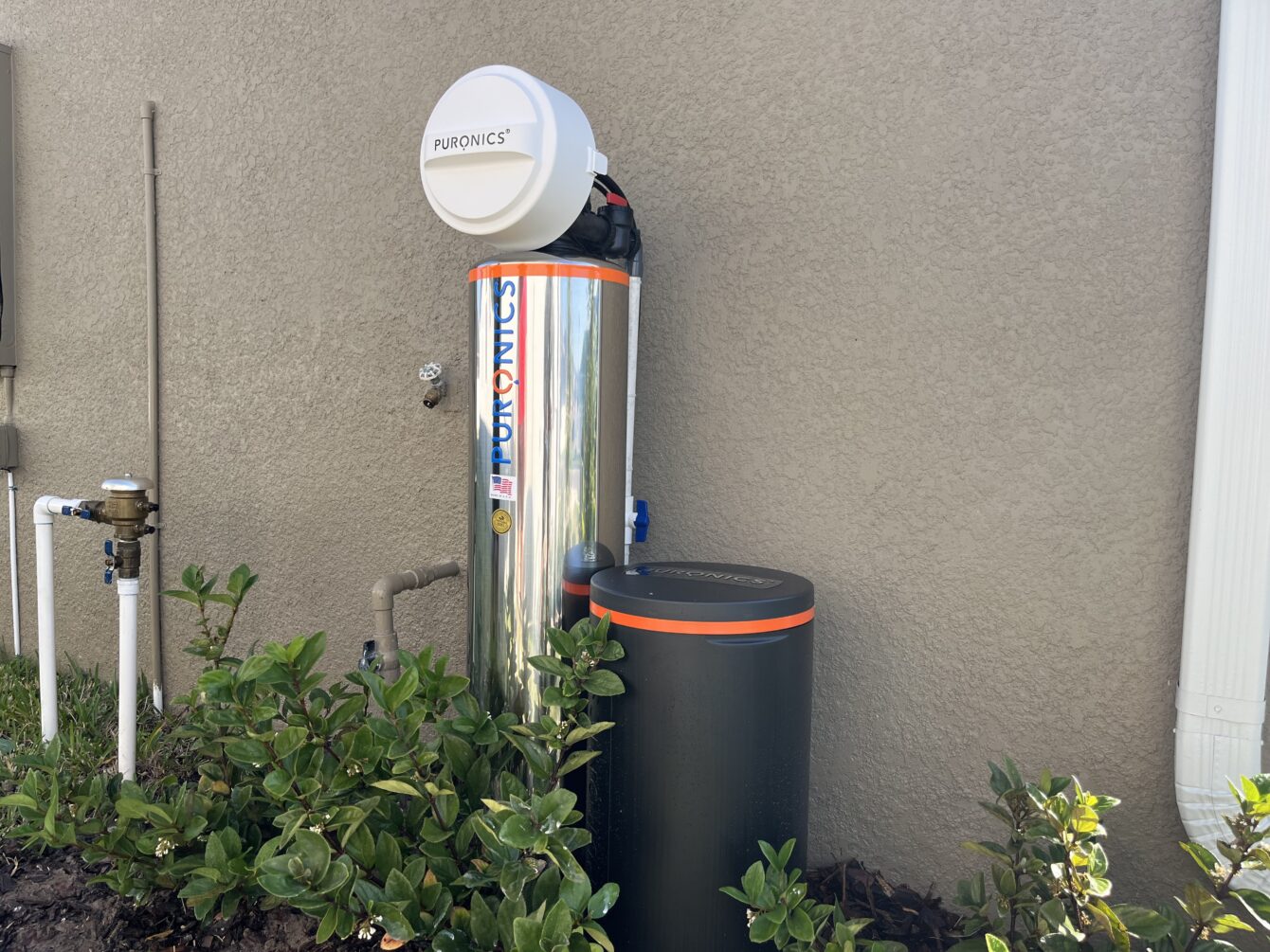
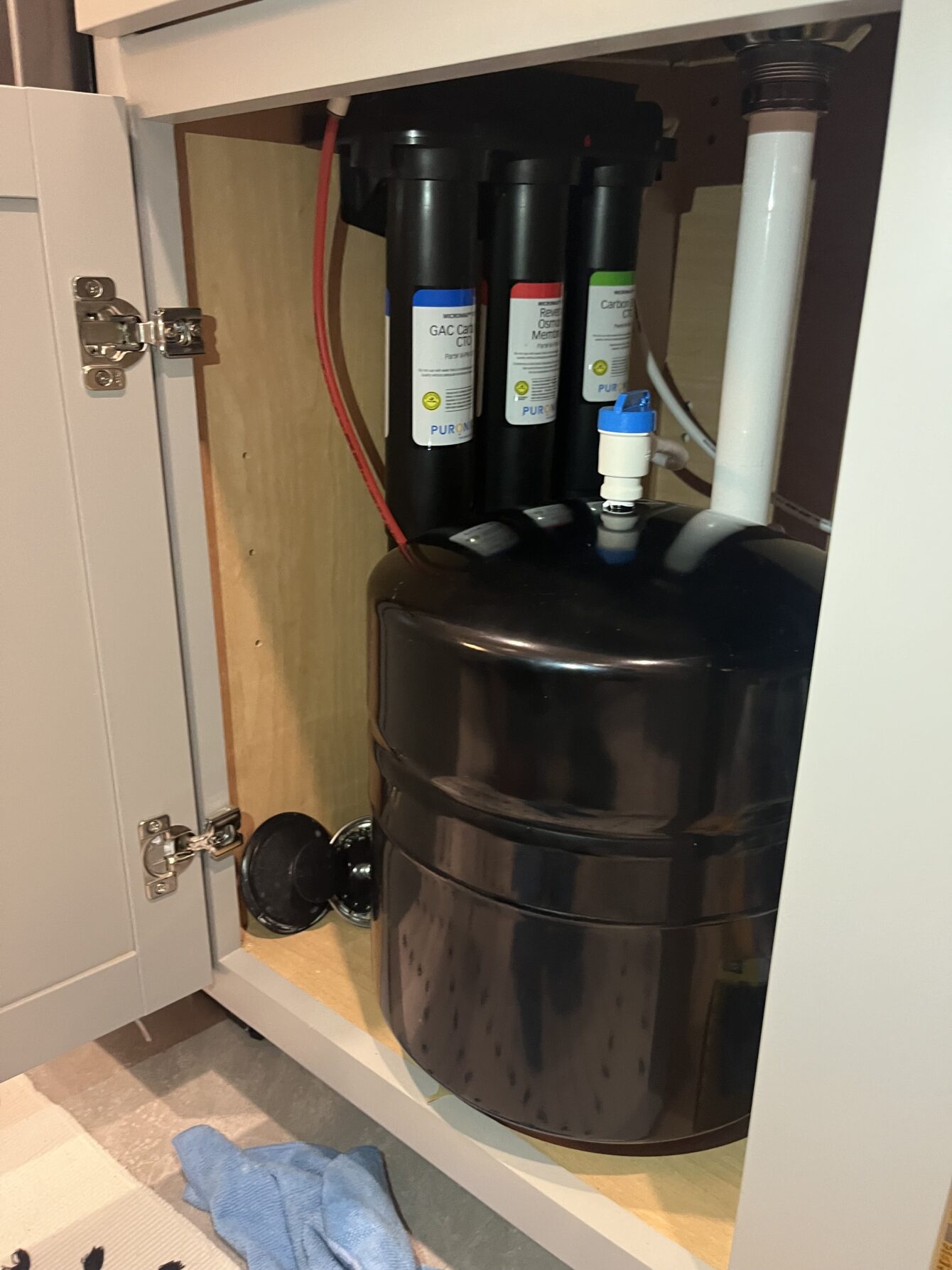
Recent installs
around the Suncoast.
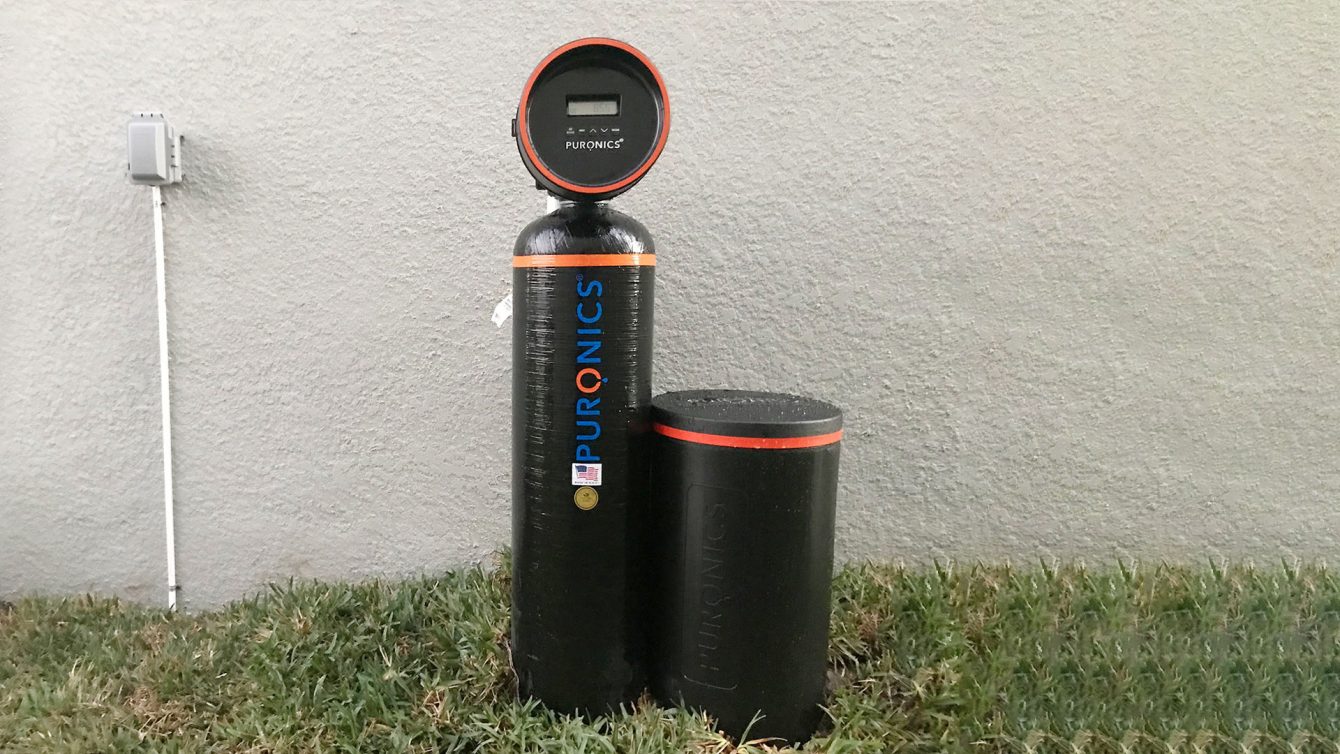
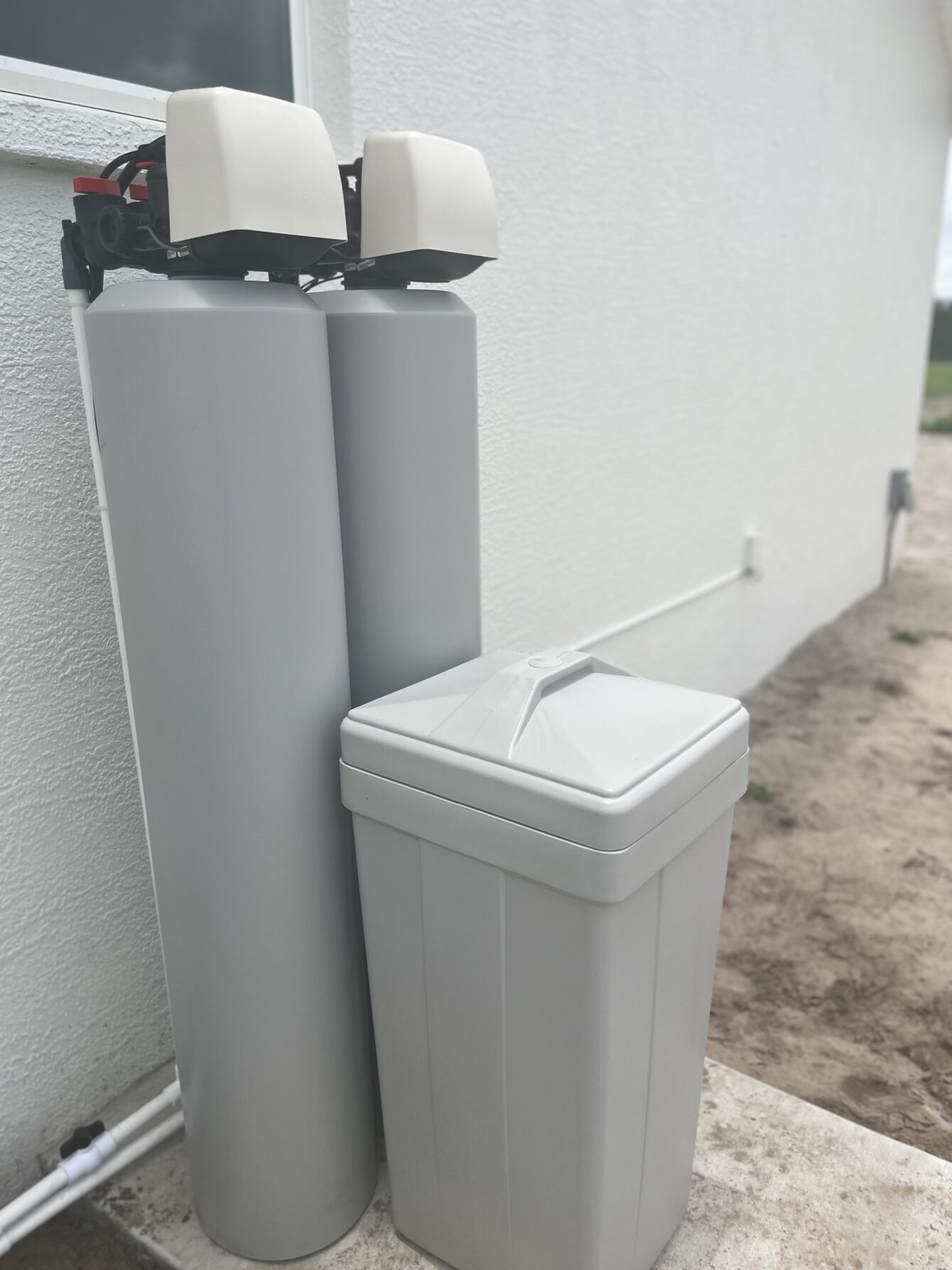
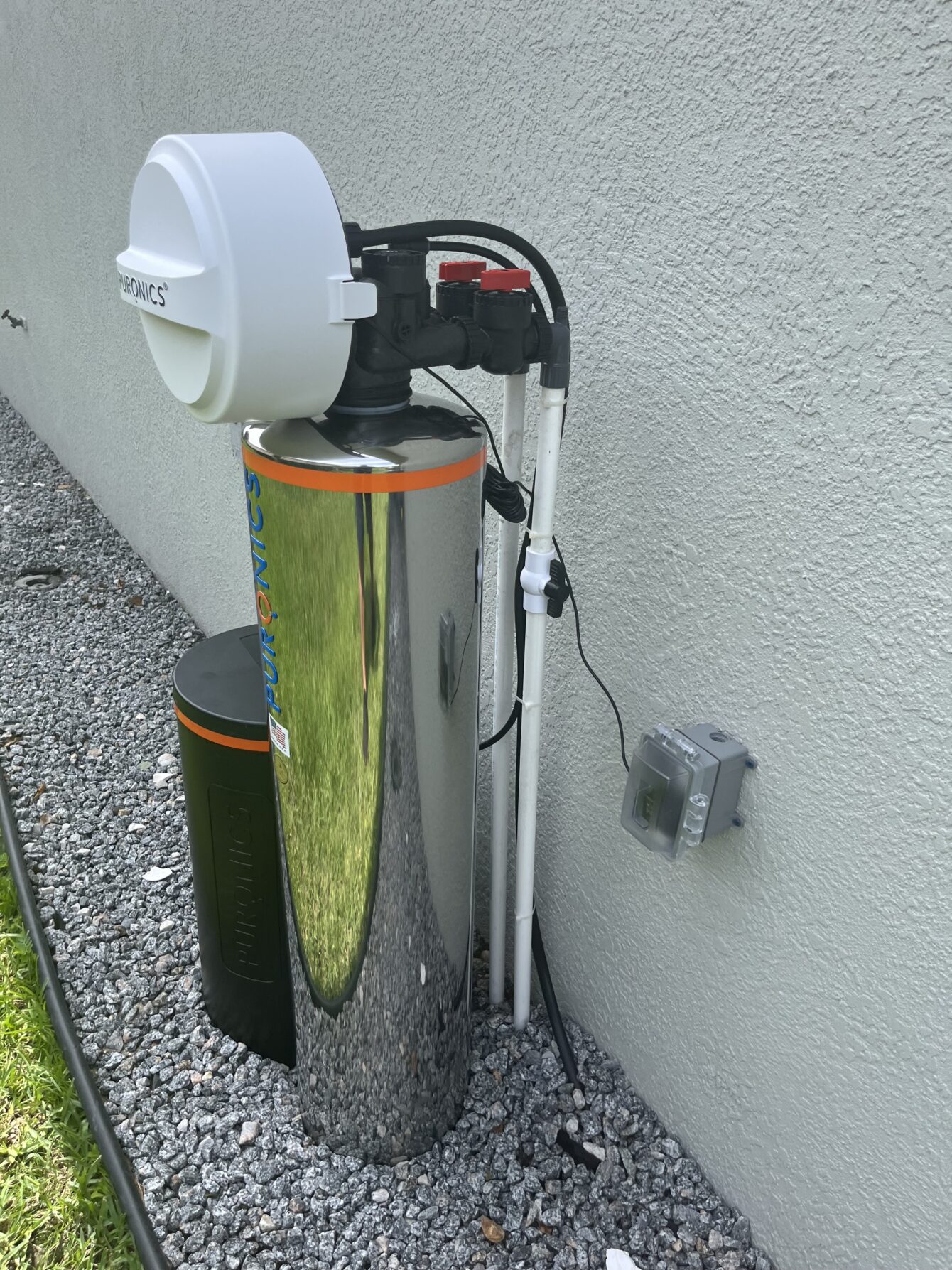
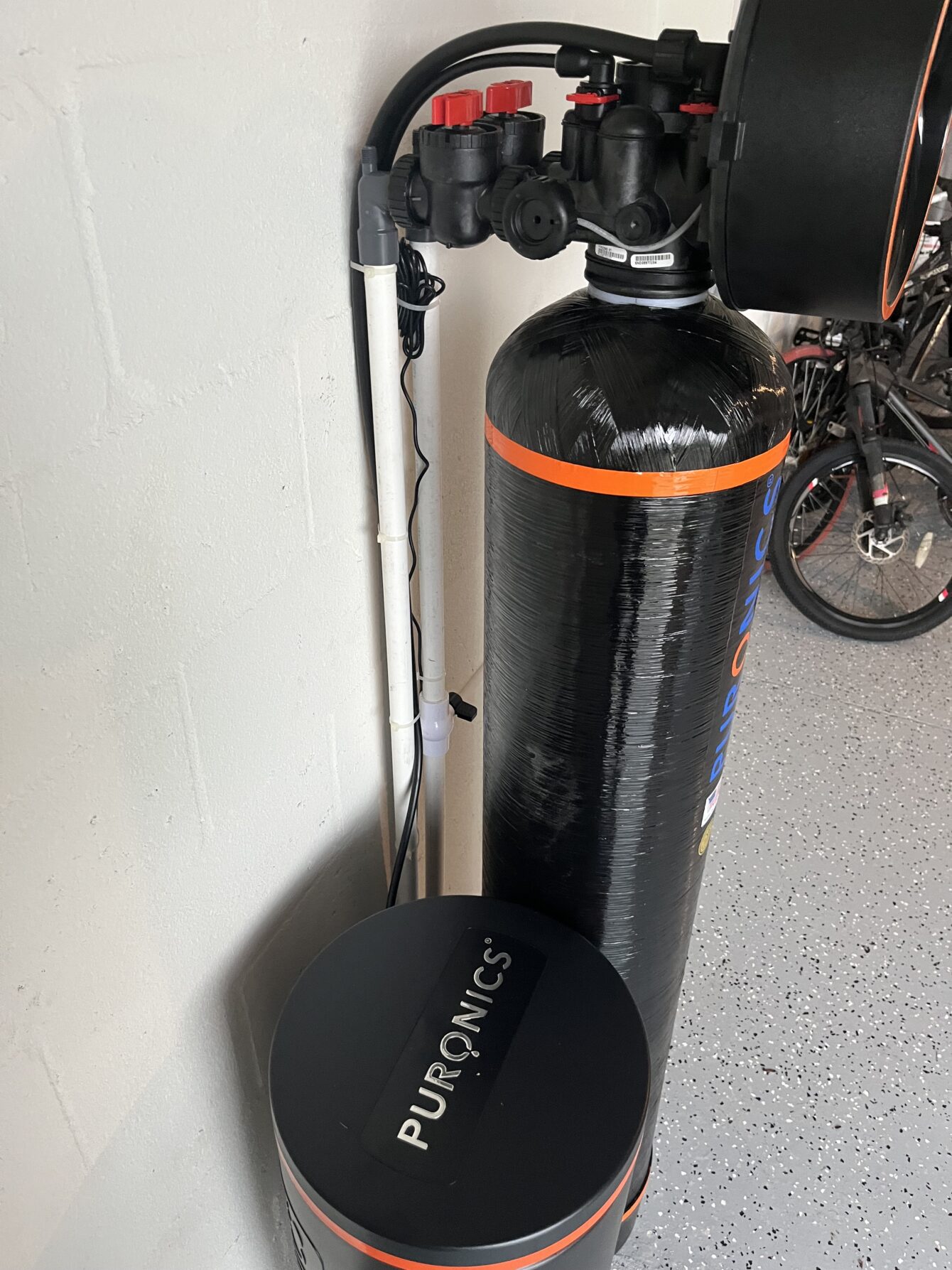
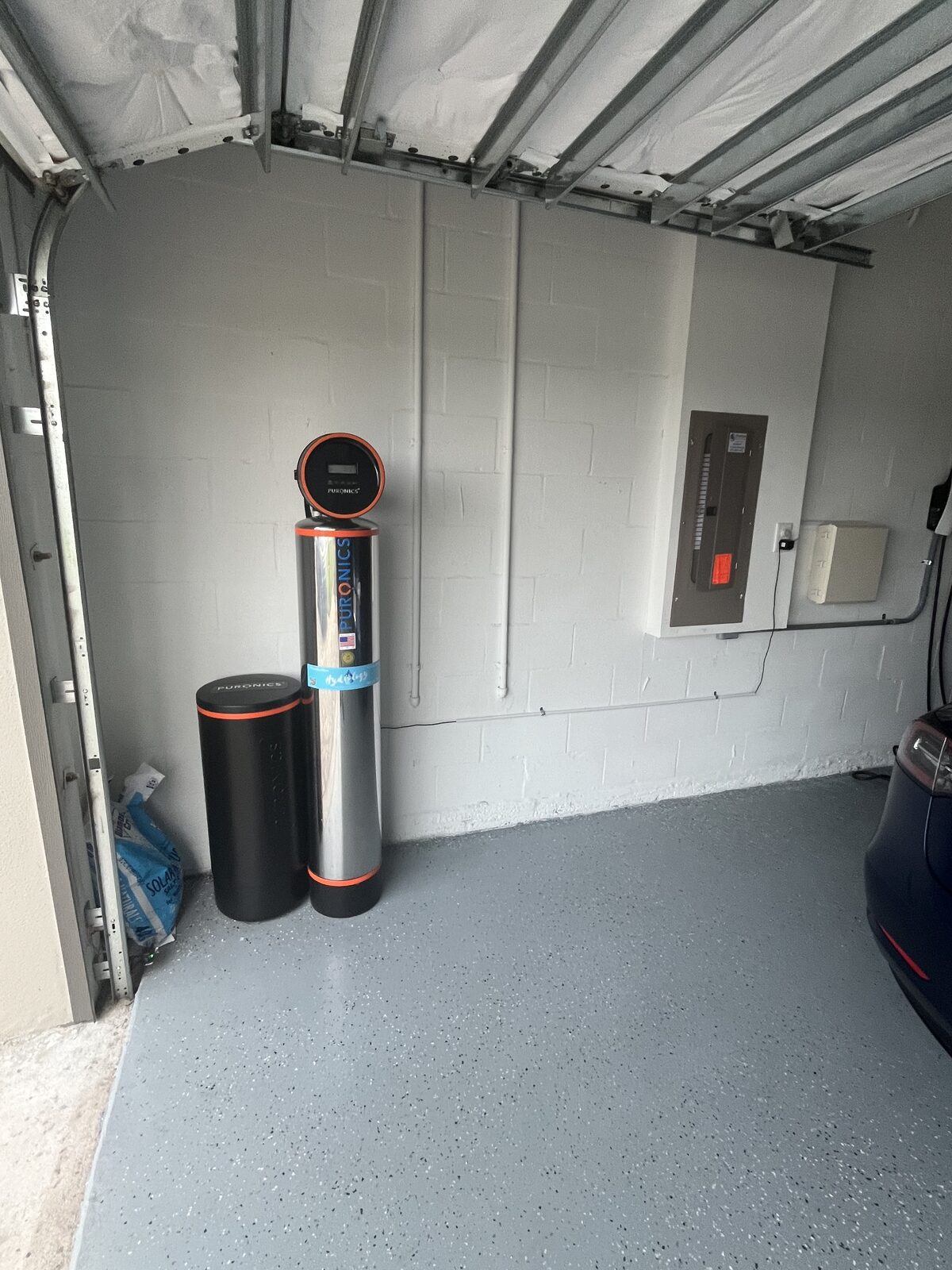
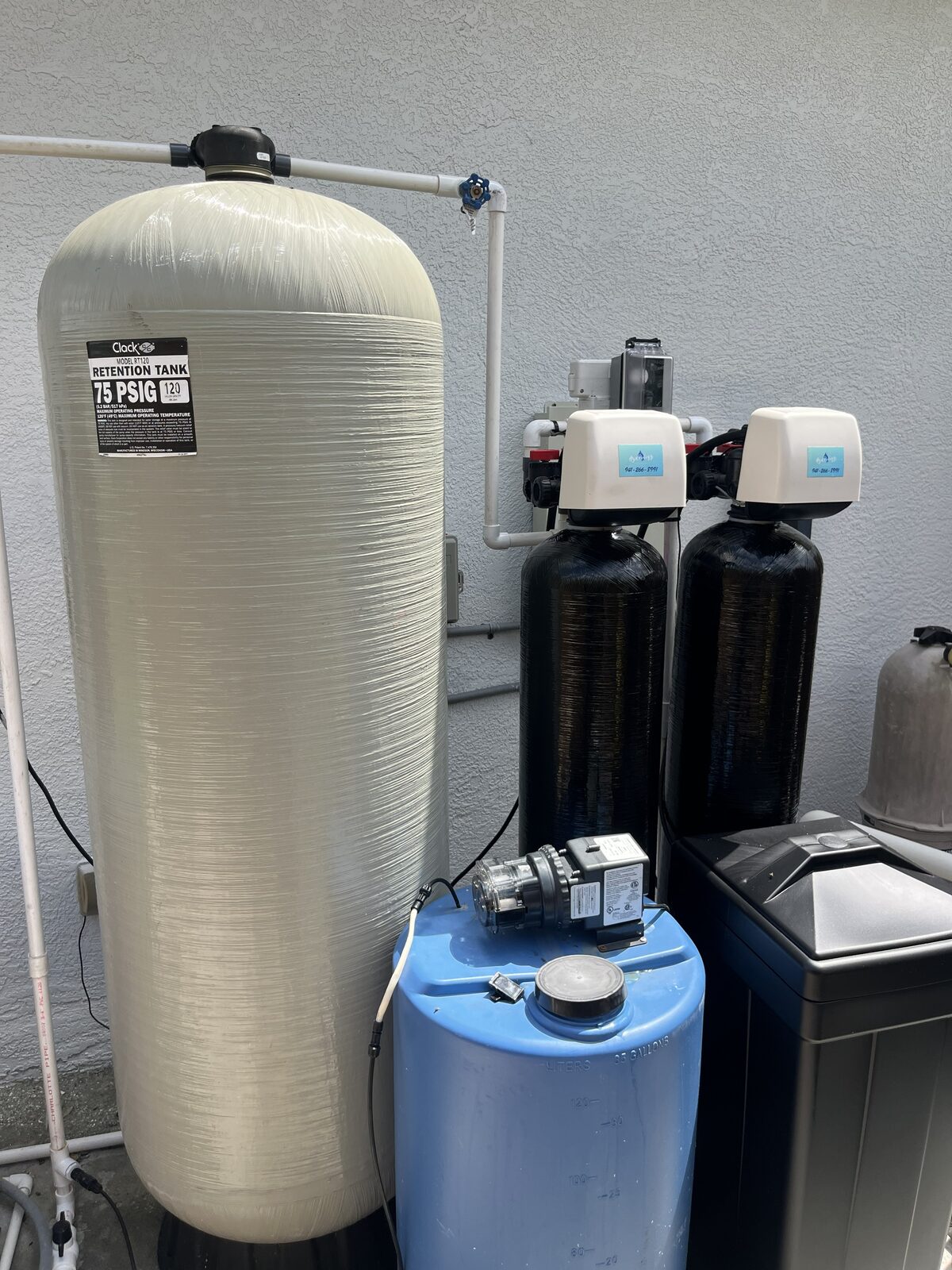
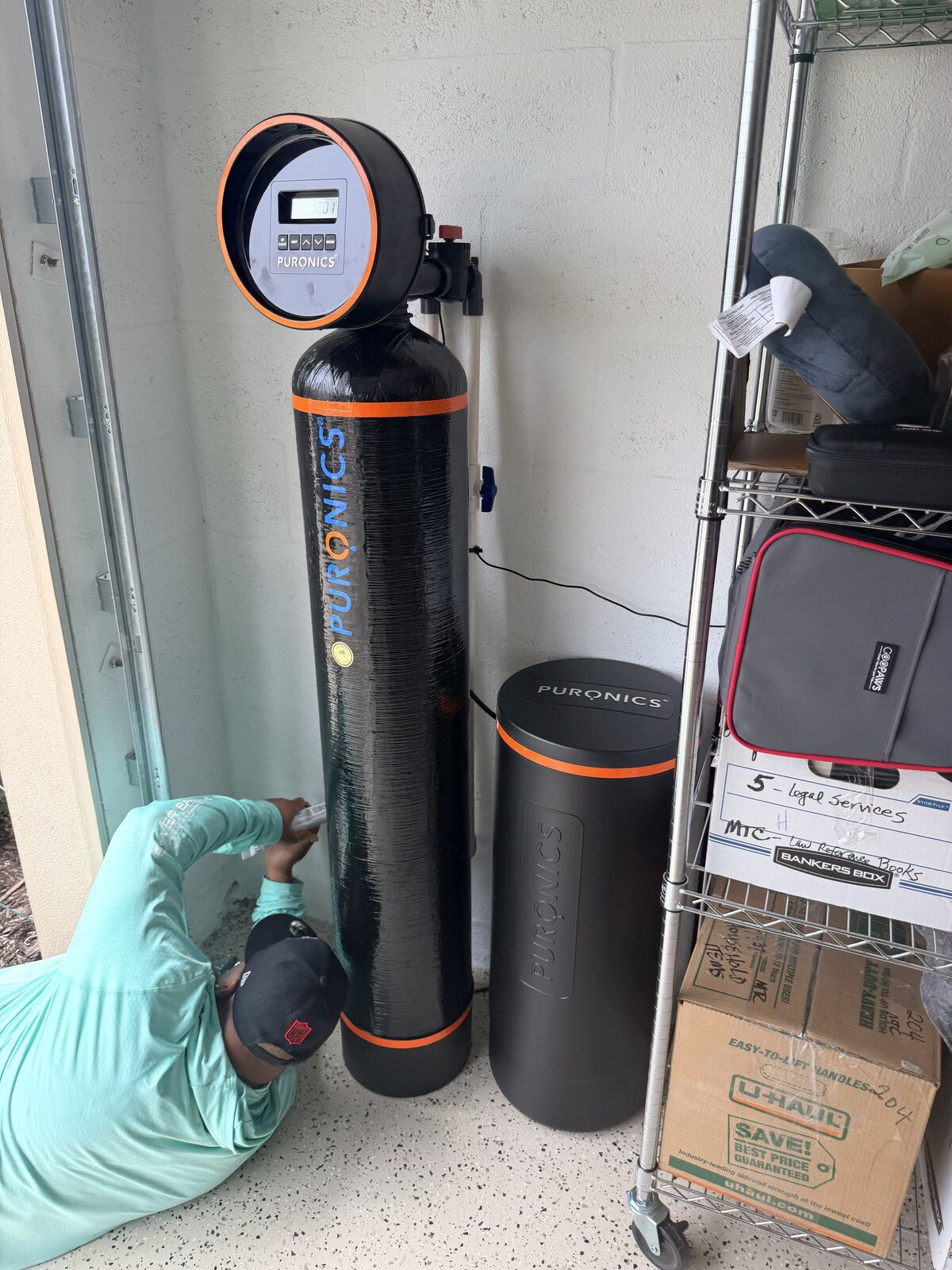
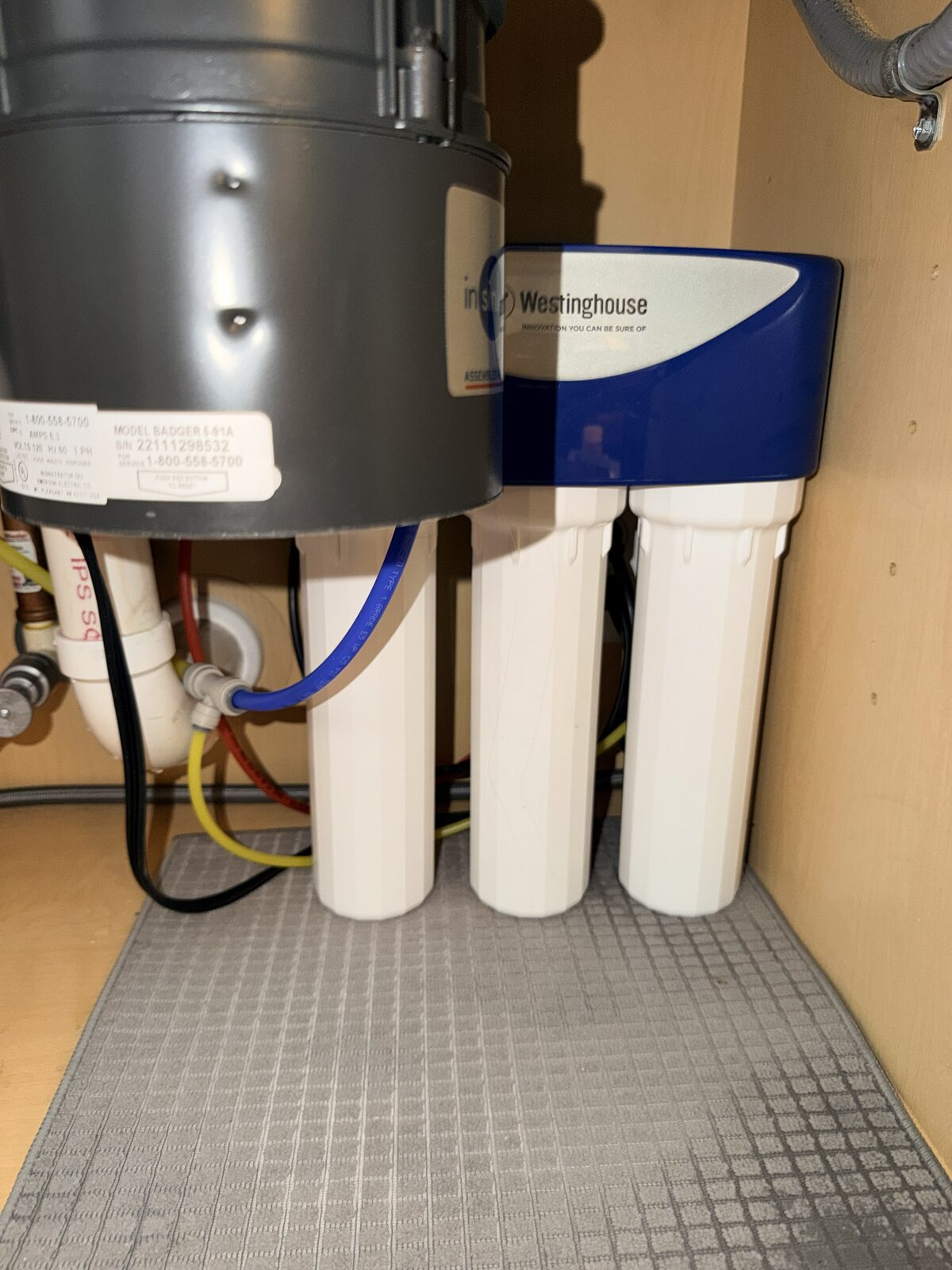
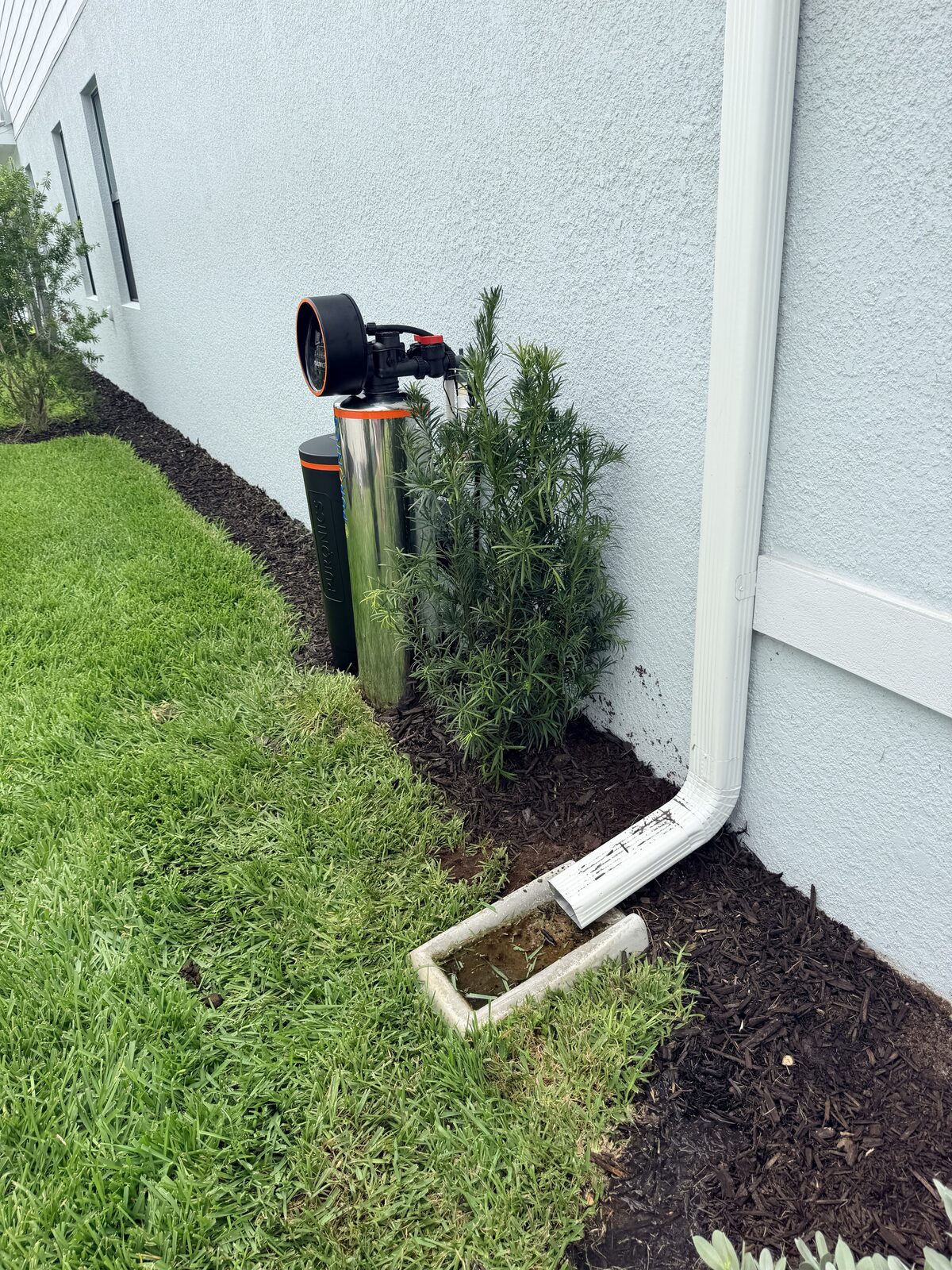
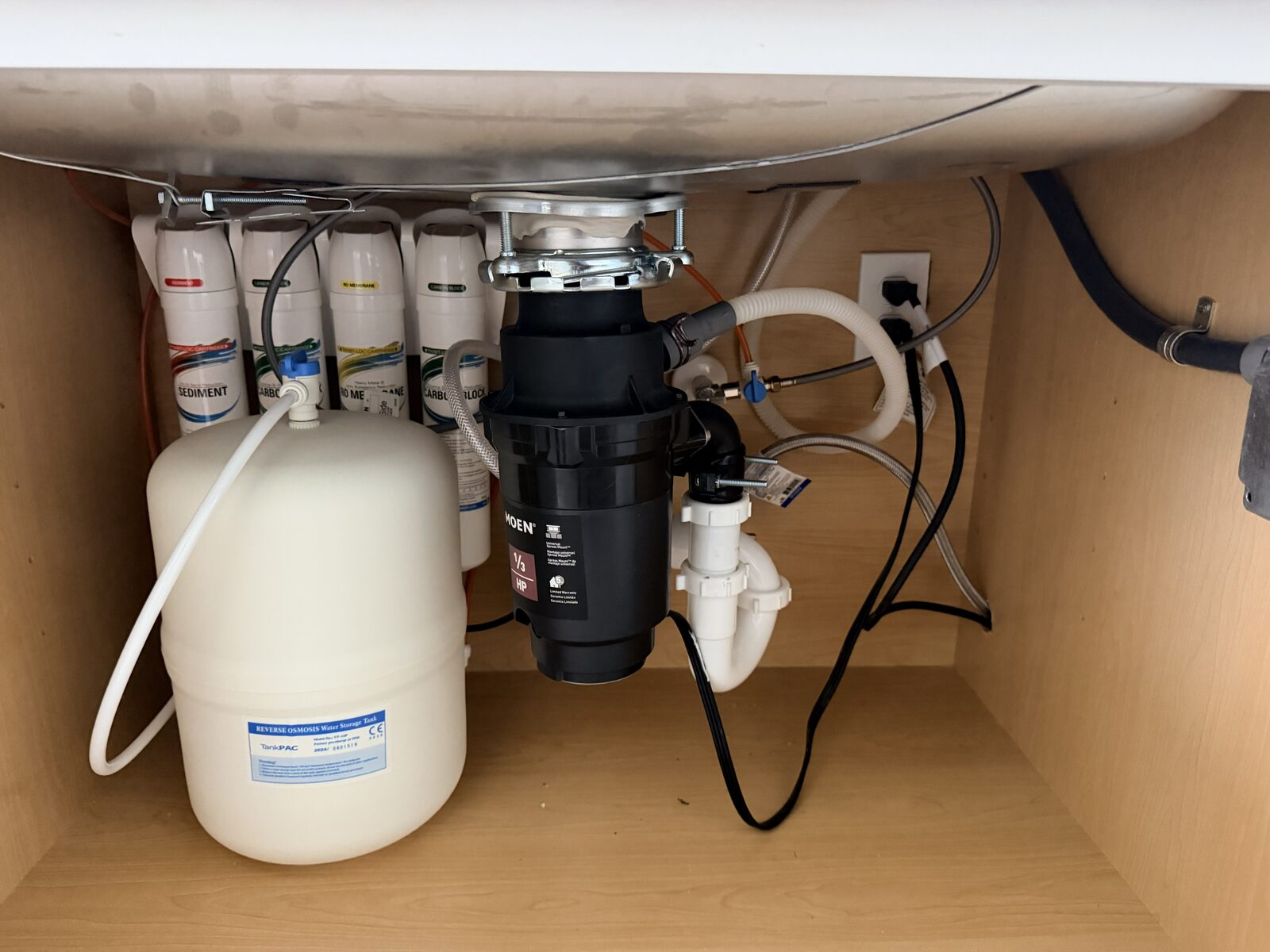
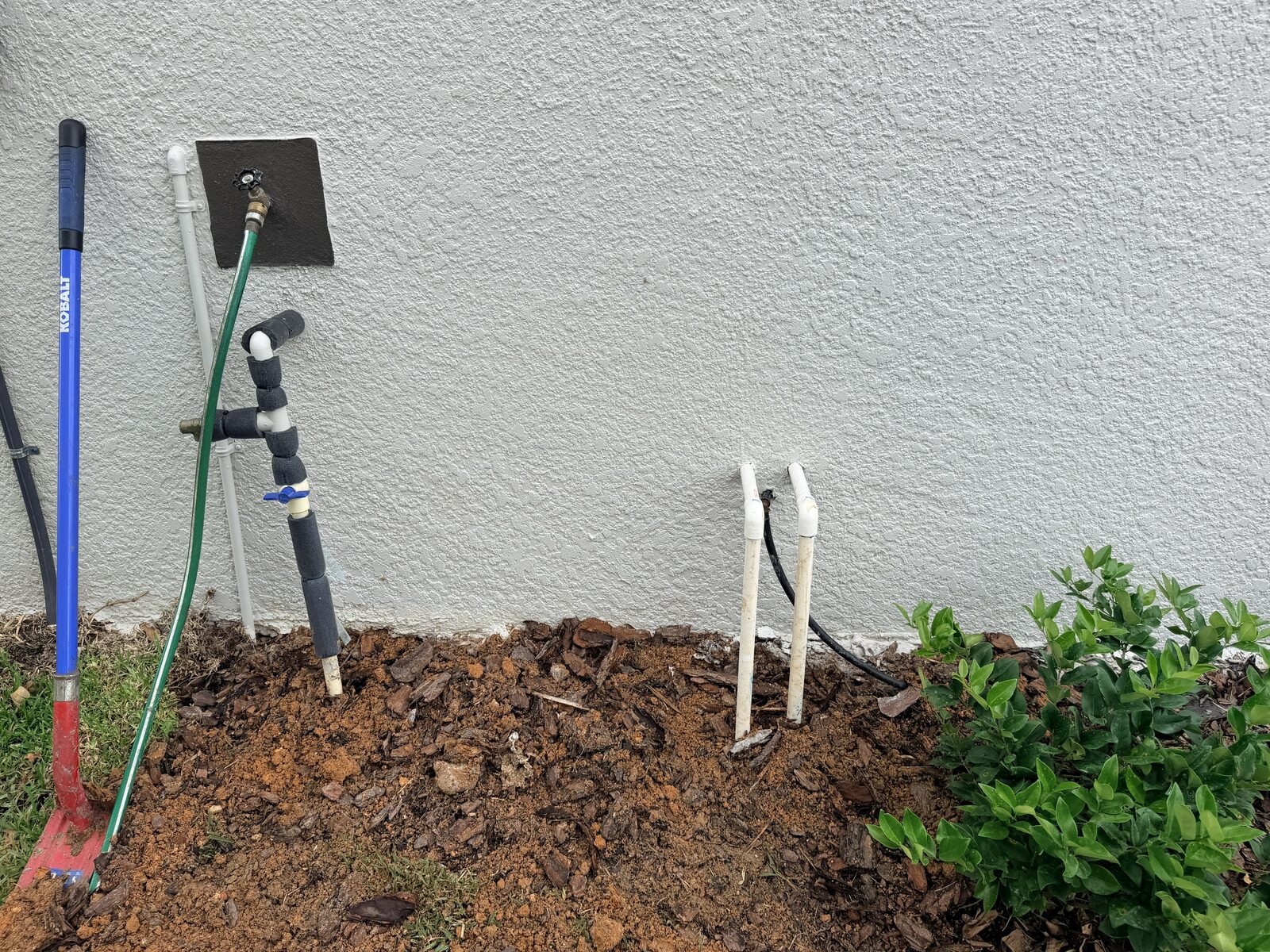
Real systems our team has installed — slide through, tap any photo to enlarge.
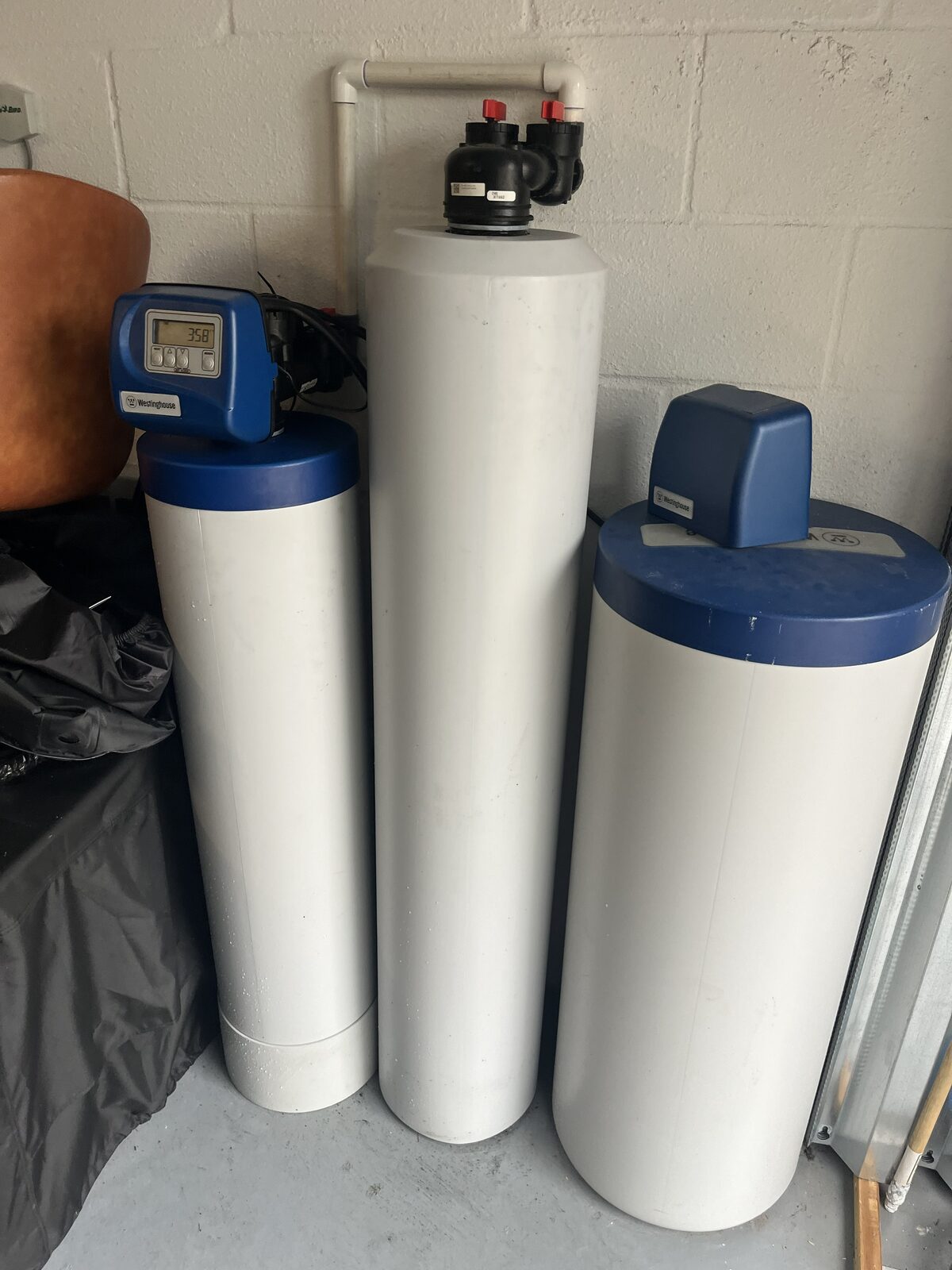
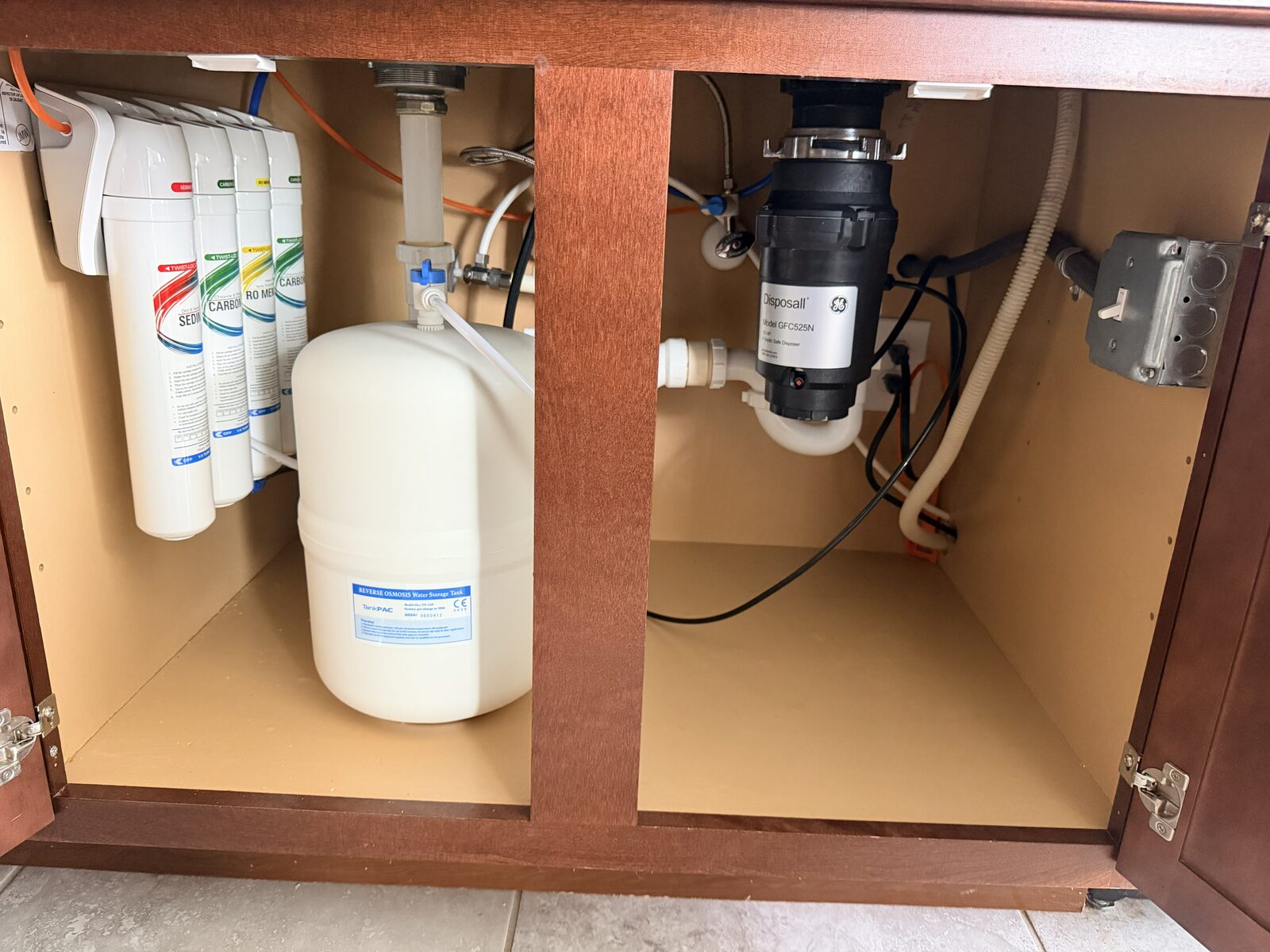
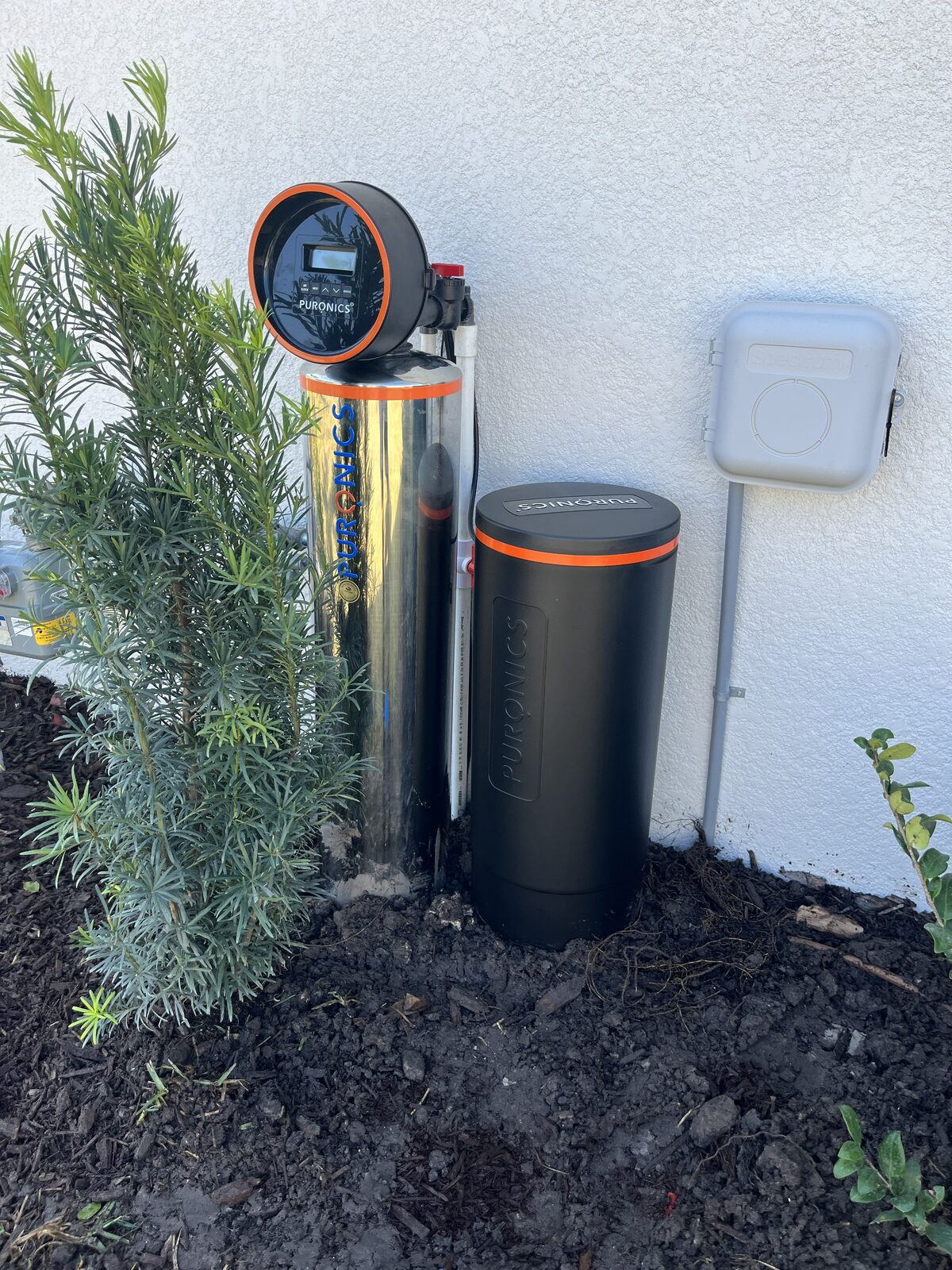
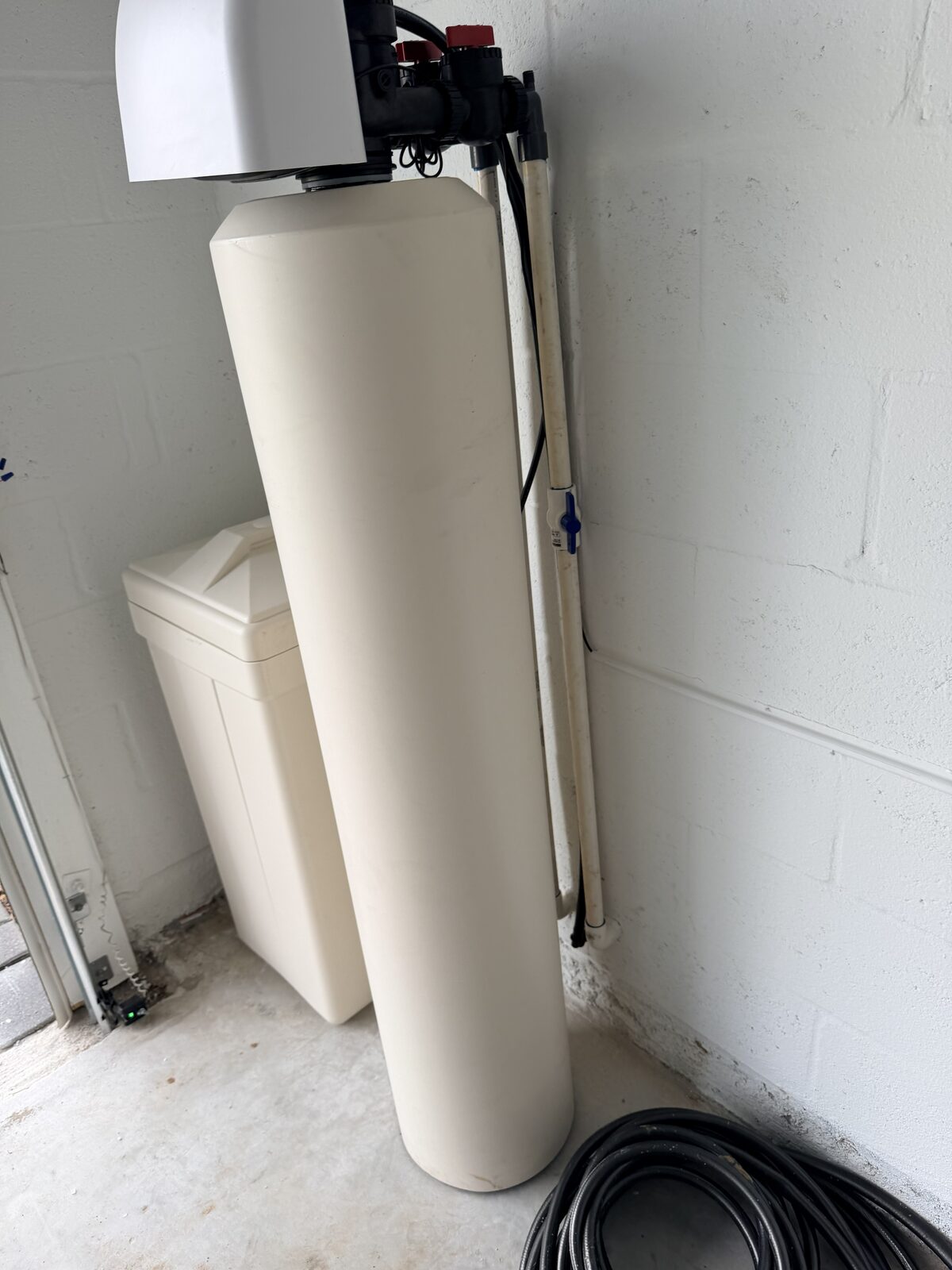
Bring us your lab results for a free second opinion, or book a free in-home well test.
Why homeowners trust Hydrology with their well
Well water is different at every address, so the fix depends on the test — be wary of anyone selling a one-size well package before they have seen your water. We start with a free in-home test and build around what is actually there: hardness, iron, sulfur, tannins, or bacteria.
When bacteria or heavy iron are in the picture, we treat the cause with chlorine injection — a method the owner knows cold from years running commercial pools. Our own techs install the work, we build on name-brand, serviceable equipment, and it is manufacturer-backed and serviced locally. No pressure, no scare tactics — just the fix for your well.
Common well fixes
Tell us what you are noticing and we will point you to the right starting system.
What your neighbors say
4.7★ from 212 Google reviews.
“I cannot say enough amazing things about this company and system! We had three companies come out and Hydrology stood out on every level.”
“We’ve had our system now a month and absolutely love it. My wife is a hair beautician with over 30 years of experience and definitely can tell the difference with the water.”
“Wow, I can definitely feel a difference in my hair, skin, and when I wash my hands. I knew getting a water softener was a priority and I’m so glad I decided to go with Hydrology.”
Every review is on our Google profile — read all of them there. We don’t cherry-pick; we just answer the phone.
Straight answers
Common questions.
What people ask before they book.
More water answers →
What hard water does to a home: the Battelle study →
Should I test my well water, and how often?
Yes. Because no utility tests a private well, you should — at least annually for bacteria and nitrates, and any time the taste, smell, or color changes, or after flooding. Our in-home test is free.
Why does my rotten-egg smell keep coming back after I shock the well?
That is the classic sign of sulfur (or iron) bacteria. Shocking knocks it back temporarily, but the bacteria rebuild the biofilm. Chlorine injection removes them at the source, which is why the smell stays gone.
Is well water in this area safe to drink?
It can be, but a private well is only as safe as its last test — and that is on the owner. Testing for bacteria and nitrates is the important part. We will tell you what your water needs, and what it does not.
Can one system fix everything?
Sometimes, and sometimes it takes a small train of stages in the right order (for example, neutralizer, then iron/sulfur, then softener). We size it to your actual water and never stack on equipment you do not need.