Manatee · Sarasota · Hillsborough · Pinellas · Charlotte
Bradenton City Water vs. Manatee County Water: What’s Actually in It
Bradenton has two water systems. Homes inside city limits get City of Bradenton water; most homes around them get Manatee County water. Here’s what each one reports, why the water smells like a pool or leaves spots, and what you can do about each, without the scare tactics.
4.7★ from 212 Google reviews · WQA Gold Seal Puronics dealer · Our own techs, no subcontractors
Request your free water test
★★★★★ 4.7 — a few details and we reach out, usually same day.
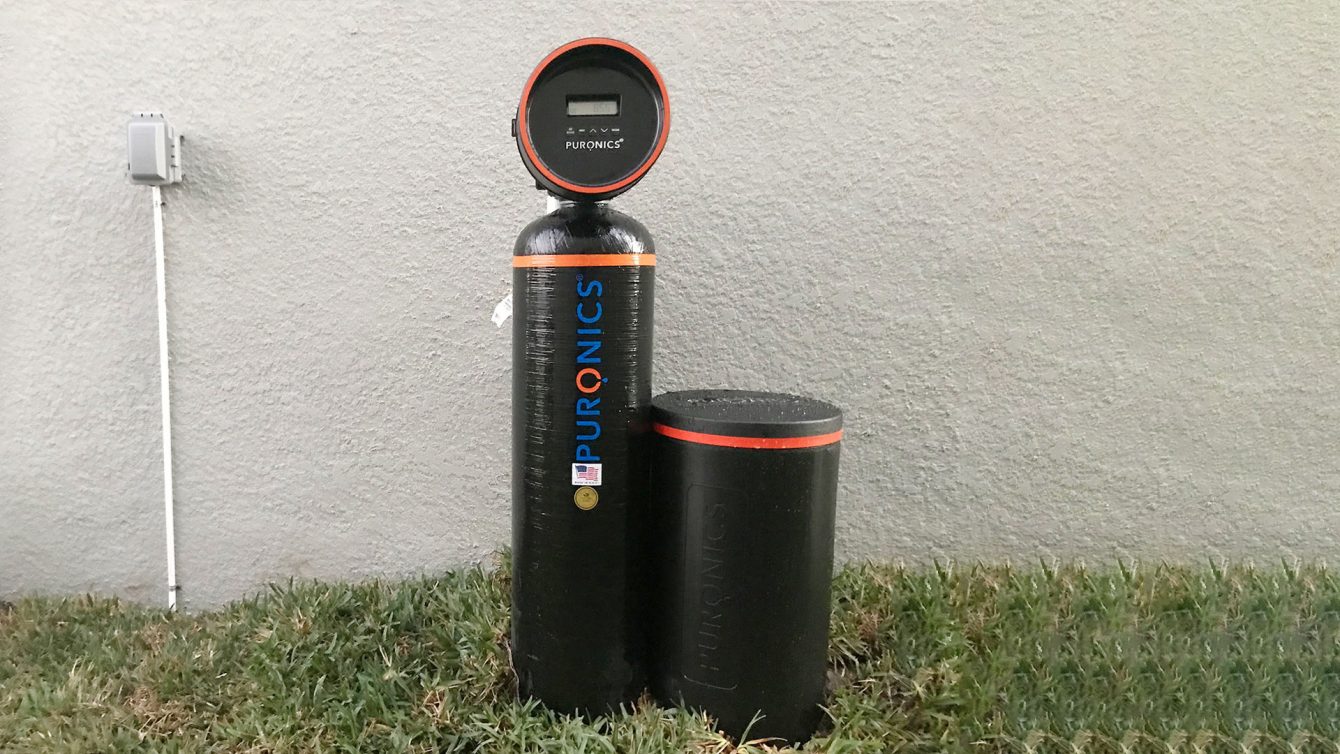
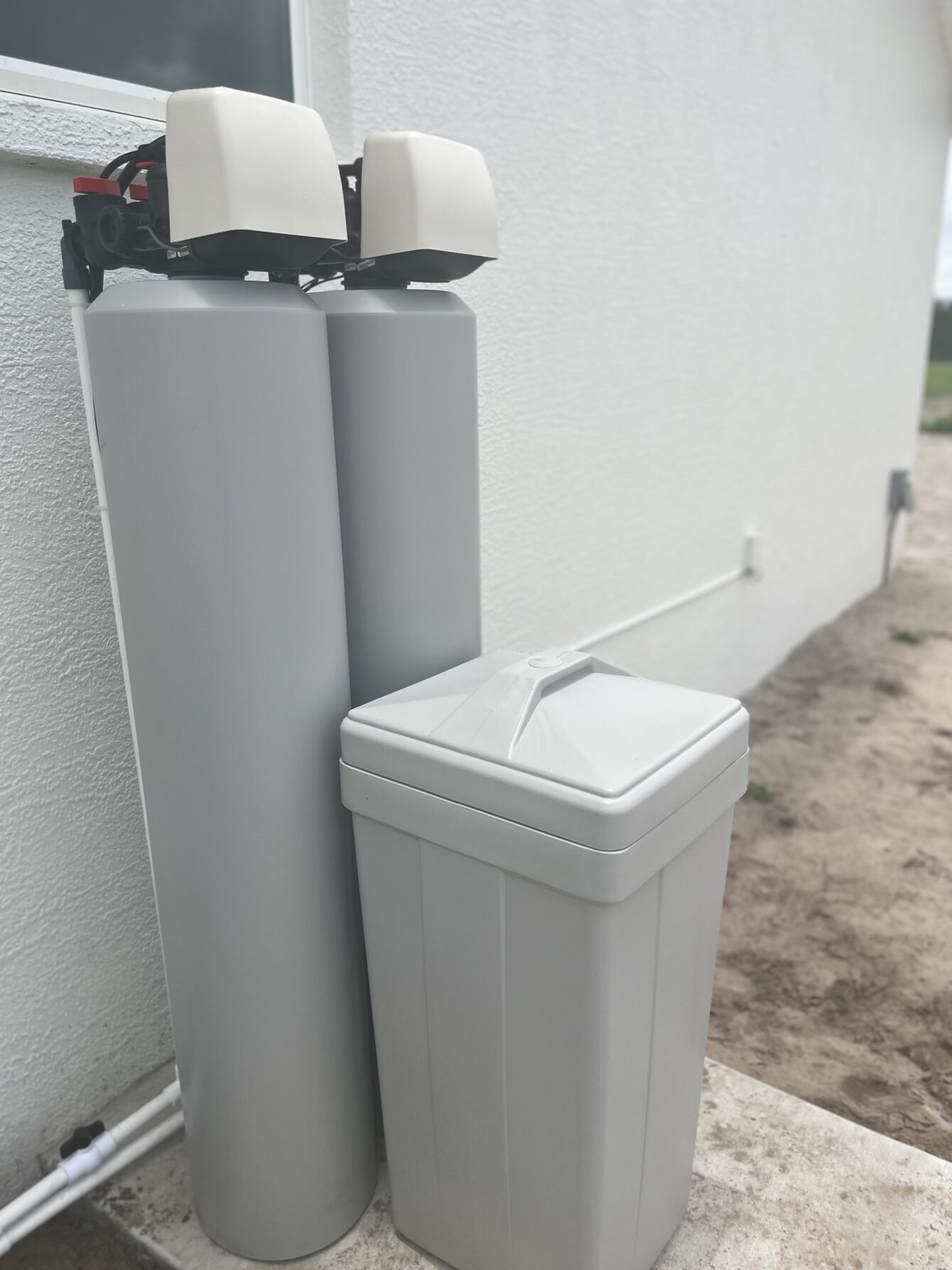
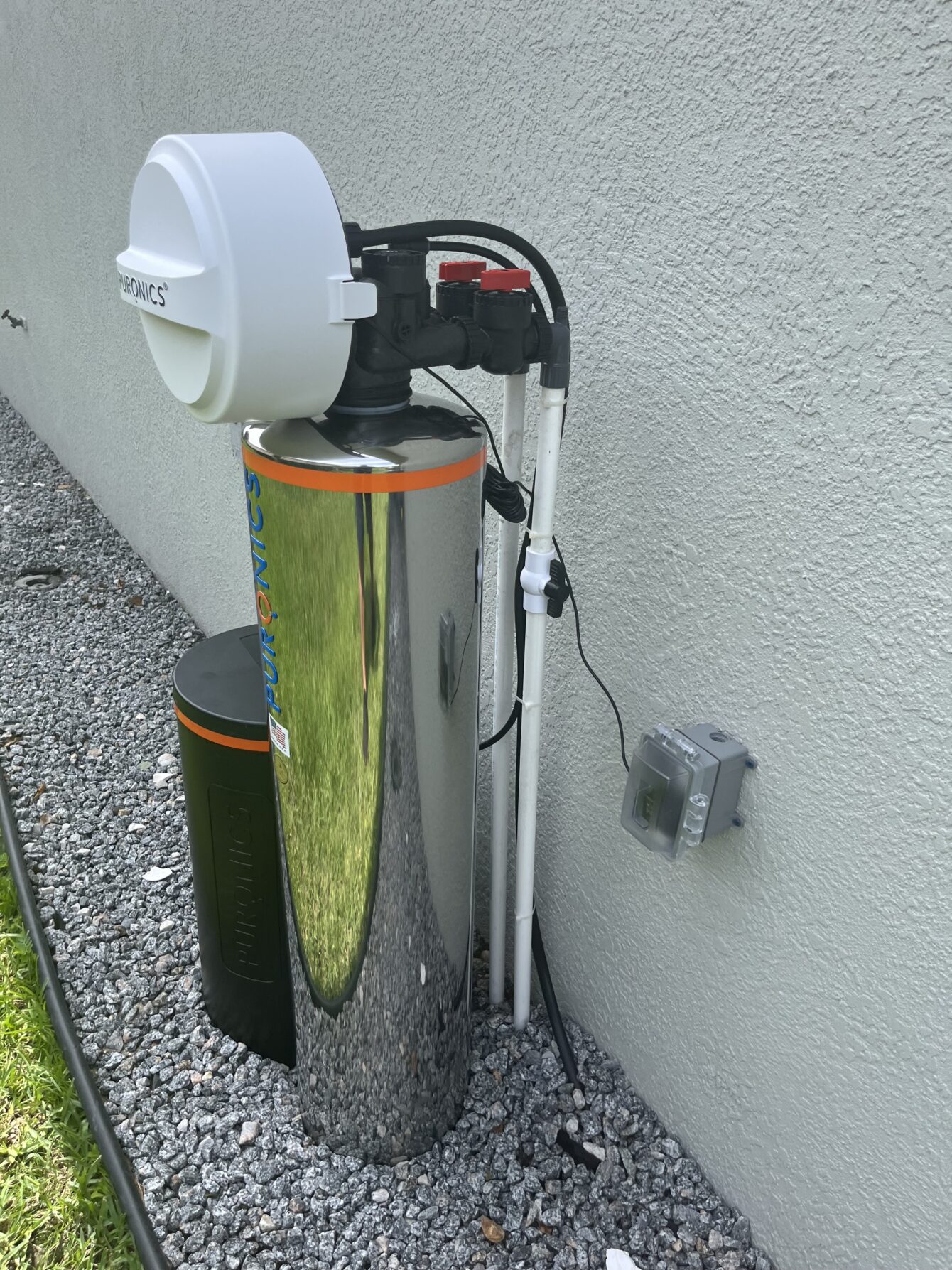
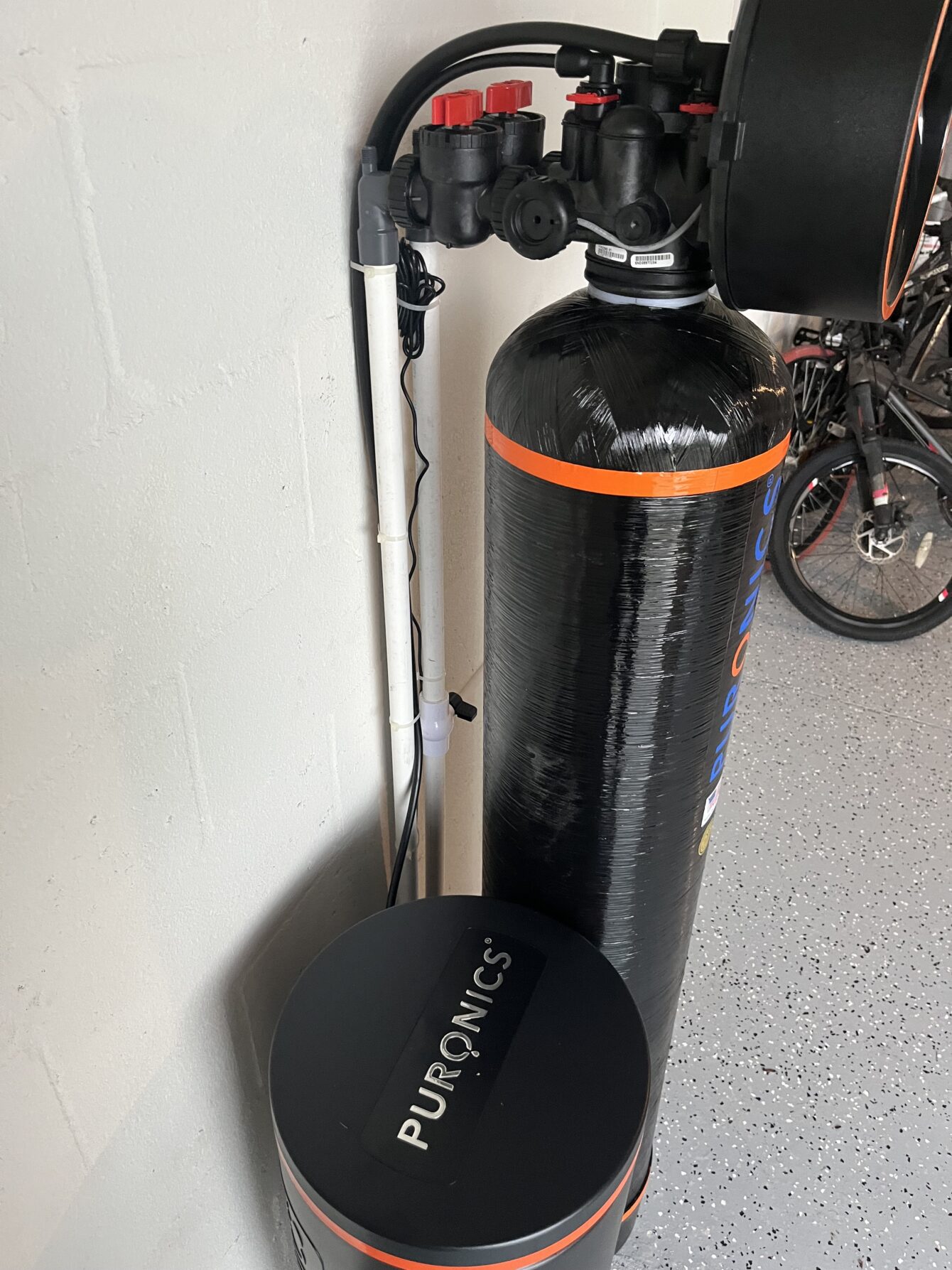
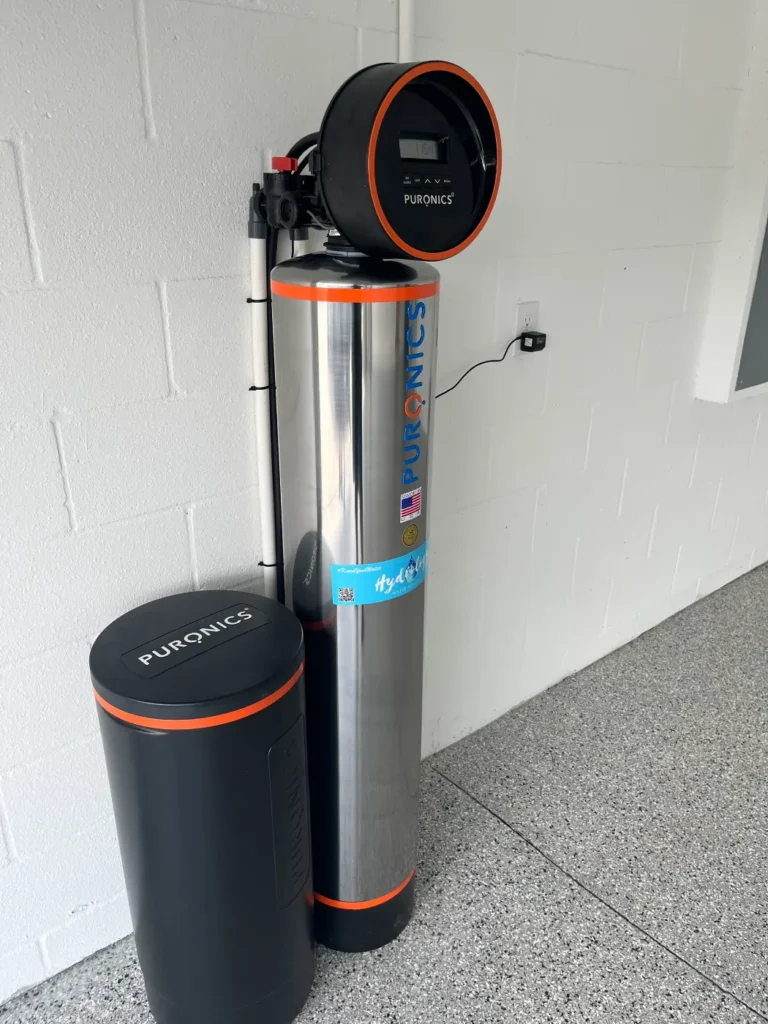
Our install · a real job, not stock
Start here
City water or county water? Your bill tells you.
The City of Bradenton runs its own water plant for homes inside city limits. Most homes outside the city, including much of west Bradenton, Lakewood Ranch and Parrish, get Manatee County water. The two come from different sources and test differently, so the right fix is different too.
City of Bradenton water
- Source: Bill Evers Reservoir, plus water stored in underground wells (aquifer storage and recovery)
- Total dissolved solids: 550 mg/L in the city’s 2025 report, above the EPA’s 500 taste guideline
- Sulfate: 288 mg/L, above the EPA’s 250 guideline and the usual reason for a bitter or salty taste
- Sodium: 80.9 mg/L
- Disinfectant: chlorine and chloramines, 3.41 ppm highest running average
- Hardness: not published, so we measure it at your tap
- Fluoride: no longer added since July 1, 2025
Manatee County water
- Source: Lake Manatee Reservoir, blended with Floridan aquifer groundwater
- Total dissolved solids: 110–280 mg/L
- Hardness: 106–279 mg/L, about 6–16 grains per gallon
- Sodium: about 15 mg/L
- Disinfectant: chloramine, 3.3 ppm highest running average
- PFAS: none of 29 compounds above reporting levels in the county’s 2024 samples
Not sure which one you have? Look at your water bill. It will say City of Bradenton or Manatee County Utilities. On city water, the thing people notice is the dissolved solids and sulfate, which reverse osmosis at the kitchen sink takes down. On county water, it’s the hardness and the chloramine, which a softener and catalytic carbon handle. The line-by-line breakdown below is Manatee County’s.
The numbers
What’s in Manatee County water, line by line.
If your bill says Manatee County Utilities, this is your water: public water system FL6411132 — a blend of purified groundwater and purified surface water, serving about 347,800 people. Every figure below is from the published testing data, with the legal limit beside it so you can see the scale for yourself.
How to read this. Most of what is in Bradenton’s water is well inside federal limits, and the utility reports compliance with federal health-based standards. Two entries — chlorate and chromium-6 — sit above the health guidelines published by the Environmental Working Group, which are stricter than federal rules and are guidelines rather than law. That is a real distinction and we are not going to blur it to sell you something.
One figure we are deliberately leaving off: strontium. Two reputable sources publish numbers for it that differ by a factor of more than a thousand, so we are not going to print either until we have resolved it against the county’s own report. We would rather have a gap than a guess.
How hard is it, really?
Hard — and it moves. Manatee County’s own 2025 testing found total hardness in the finished water between 106 and 279 ppm as calcium carbonate, which works out to roughly 6 to 16 grains per gallon using the conversion the county publishes itself (divide by 17.1). In the homes we actually test around Bradenton, we usually see 8 to 16 grains.
The reason for that spread is in the county’s own process description. Your water is a blend of purified groundwater and purified surface water, and it is aerated, lime-softened and filtered before it reaches you — so some of the hardness is already gone by the time it arrives, and how much depends on the blend that quarter. Groundwater is harder than surface water, and the ratio changes through the year.
Which is why your neighbor’s number is not your number, and why we would rather read your tap than quote you an average. It takes about two minutes and it is free.
What reduces what
Line by line, and what is actually certified.
A claim is only worth something if somebody tested it. Below, each item from your water report, what it is, what reduces it — and whether that reduction is a certified claim, an aesthetic one, or something we cannot back up with paperwork.
Hardness — 106–279 mg/L, about 6–16 grains
What it is. Calcium and magnesium. This is what leaves the film on the shower door, the spots on the glasses, and the scale inside the water heater.
What reduces it. A cation exchange softener. The Puronics Defender iGen is certified by WQA to NSF/ANSI 44, the standard that covers hardness reduction — and hardness is the required claim under that standard, not an optional one.
Barium — 15 ppb
What it is. A naturally occurring metal. At 12 ppb it is at well under 1% of the 2,000 ppb federal limit, so this is not a health alarm — but it is on the report, so here is the answer.
What reduces it. Ion exchange. Barium reduction is one of the named elective certified claims under NSF/ANSI 44, and the Defender iGen carries it. The same softener you would put in for the hardness is the equipment certified to reduce the barium.
Radium 226 and 228 — 0.48 and 0.62 pCi/L
What it is. Naturally occurring radioactivity from the rock the water moves through. Measured at 0.48 and 0.62 against a federal limit of 5 combined.
What reduces it. Ion exchange again. Radium 226/228 reduction is the other named elective claim under NSF/ANSI 44, and the Defender iGen carries it.
Chromium-6 — 0.0615 ppb
What it is. Hexavalent chromium. There is no federal limit for it, which is exactly why it is worth knowing your number. This level is above the EWG health guideline.
What reduces it. Reverse osmosis — and this one is not a softener job. The Micromax 7000 is tested and certified by WQA against NSF/ANSI 58 for the reduction of hexavalent chromium specifically, along with trivalent chromium.
Lead — 1.7 ppb at the 90th percentile
What it is. Comfortably under the 15 ppb action level. Worth understanding that lead is almost never a treatment-plant problem — it comes from the plumbing between the main and your tap, which is why your house can differ from your neighbor’s.
What reduces it. Reverse osmosis. The Micromax 7000 is certified under NSF/ANSI 58 for lead reduction, and to NSF/ANSI 372 for low-lead construction.
Nitrate — 0.26 ppm
What it is. Low here, at about 2.6% of the 10 ppm limit. It matters more on well water than on this supply.
What reduces it. Reverse osmosis. Nitrites/nitrates are on the Micromax 7000’s certified NSF/ANSI 58 list.
Chloramine — the disinfectant
What it is. Not a contaminant — it is what keeps the water safe between the plant and your house. It is chlorine bonded to ammonia, which makes it far more stable than free chlorine. That stability is also why it is harder to filter out and why it can taste and smell like a pool.
What reduces it. Catalytic carbon, which is engineered to break the chlorine-ammonia bond — standard carbon largely passes chloramine straight through. On the Defender iGen this is the Chloroshield media, rated up to 2,600,000 gallons. This is an NSF/ANSI 42 claim, which covers taste and odor — an aesthetic standard, not a health one, and we are not going to dress it up as more than that.
Disinfection byproducts — TTHM 33.5 ppb, HAA5 29.5 ppb
What it is. The tradeoff of disinfecting water at all: the disinfectant reacts with natural organic matter and leaves these behind. Both are under their federal limits here.
What reduces it. Activated carbon reduces them. Our systems carry carbon, but be careful with any company — including us — that implies a specific certified byproduct claim without showing you which standard and which model. Ask for the performance data sheet.
Chlorate — 276.3 ppb
What it is. A byproduct associated with disinfection. There is no federal limit, and this sits above the EWG guideline of 210 ppb.
What reduces it. The answer is that we do not have a certified reduction claim to hand you for chlorate, and we are not going to invent one. Reverse osmosis reduces total dissolved solids broadly, which is the general direction of travel here, but that is a different statement from a tested claim and you should treat it as such.
PFAS — not detected in the county’s 2024 samples
What it is. Manatee County’s quarterly 2024 samples found none of 29 PFAS compounds, including PFOA and PFOS, above reporting levels.
What reduces it. Nothing needed. We sell PFAS-rated equipment and we are telling you that on this water you do not currently need it for that reason. If your own test comes back differently, that changes.
A note on wording we take seriously: Puronics equipment is certified by WQA to the NSF/ANSI standards. WQA and NSF are two different certifying bodies that both certify to the same ANSI standards, so “NSF certified” would be the wrong phrase and you will not see us use it.
Why it smells like a pool: chloramine
Manatee County disinfects with chloramine (chlorine combined with ammonia) rather than plain chlorine, because it lasts longer in the pipes. The trade-off is that chloramine lingers at your tap — the pool smell and chemical taste, dry skin and hair, and trouble for aquariums. Ordinary carbon filters struggle to remove it; the media that actually works is catalytic carbon. See chlorine & chloramine filtration for how we take it out at every tap.
Why it leaves spots and scale: hard water
Manatee city water is hard — rich in calcium and magnesium — which is what leaves spots on your glasses, scale on your fixtures, and dry skin after a shower, and what wears out water heaters and appliances early. A water softener removes those minerals at the source. See water softeners, and note that a “salt-free” system only conditions hardness — it does not remove it.
The catch most companies will not mention
Here is an expert detail worth knowing: Manatee’s chloramine runs high enough that, over time, it breaks down ordinary softener resin. So if you install just a softener on city water, the chloramine shortens its life. The right way to build a city-water system is catalytic carbon first, softener second — the carbon removes the chloramine and protects the softener behind it. That is exactly how our softener + carbon system is built.
What about fluoride, PFAS, and lead?
Fluoride: Florida ended the addition of fluoride to community water systems in July 2025, so homes on city water here are no longer getting added fluoride. PFAS: these “forever chemicals” have been detected in some Florida water supplies; the move is to check your utility’s report and, if you want them reduced, use reverse osmosis, which is certified to lower them. Lead: Manatee’s treated water leaves the plant lead-free, but older home plumbing and fixtures can add lead at the tap — a point-of-use reverse osmosis system is the simple safeguard. We never fabricate numbers — your free in-home test and your utility’s annual report tell you exactly where you stand.
Why two systems, not one
They do not cover the same list.
This is the part worth understanding before anyone quotes you anything. A whole-home softener and an under-sink drinking-water system are certified for almost entirely different contaminants. Bradenton’s own water report is a clean illustration of why.
The whole-home softener
Every tap in the house
- Hardness — 106–279 mg/L here
- Barium — 12 ppb here
- Radium 226/228 — 0.87 pCi/L here
- Chloramine taste and odor, with catalytic carbon
It is also the only one of the two that protects your plumbing, your water heater and your appliances, because it treats the water before it reaches them.
The drinking-water RO
One tap, the water you drink and cook with
- Hexavalent chromium — 0.0615 ppb here
- Lead — 1.7 ppb here
- Nitrates and nitrites
- Total dissolved solids, arsenic, cadmium, selenium, cysts
It does nothing for your shower, your laundry or your water heater — it was never meant to.
Look at the two columns and the argument makes itself. The hardness, the barium and the radium sit on the softener’s certified list. The chromium-6 sits on the RO’s certified list. Neither system covers the other’s column, which is why pairing them reduces more of what is actually in this water than either one alone.
What we are not going to tell you is that you need both. Plenty of Bradenton homes put in a softener, notice the scale and the spotting stop, and are perfectly happy. If what bothers you is the taste at the kitchen tap, the RO alone may be the whole answer. The test tells us which conversation to have, and sometimes the recommendation is the smaller one.
Worth repeating the manufacturer’s own line, because it is a fair one: contaminants that a system is capable of reducing are not necessarily present in your water.
The bottom line
Treating Bradenton water is about taste, comfort and protecting your home: no more pool smell, no more spots and scale, softer skin and laundry, longer-lasting appliances, and bottled-quality water at the kitchen tap if you want it. The best first step is simply knowing your numbers, and that is free. Not sure where to start? Try the Which Water System quiz.
Your Bradenton city-water fixes
Tell us what you are noticing and we will point you to the right starting system.
Our work
Recent installs
around the Suncoast.
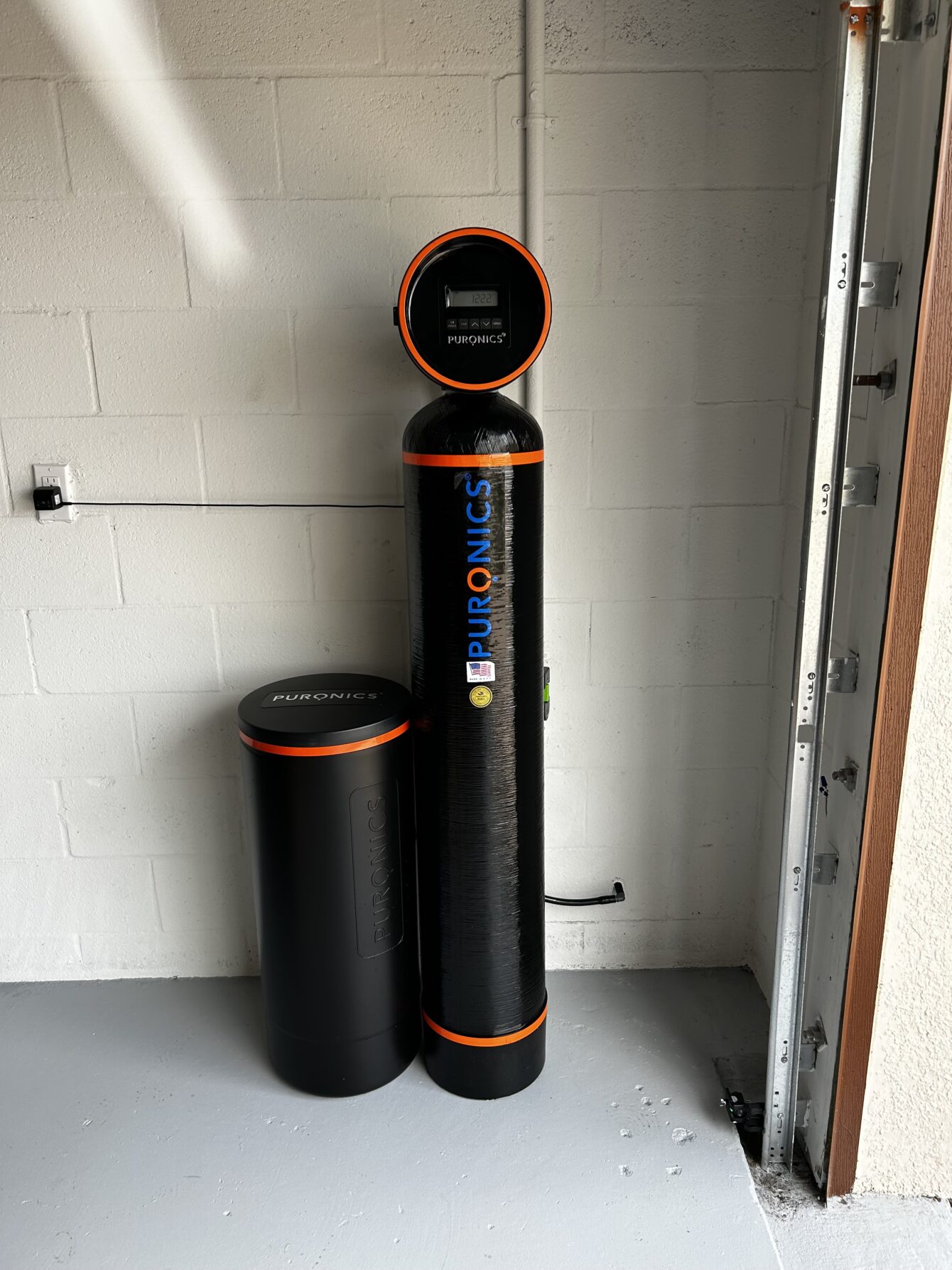
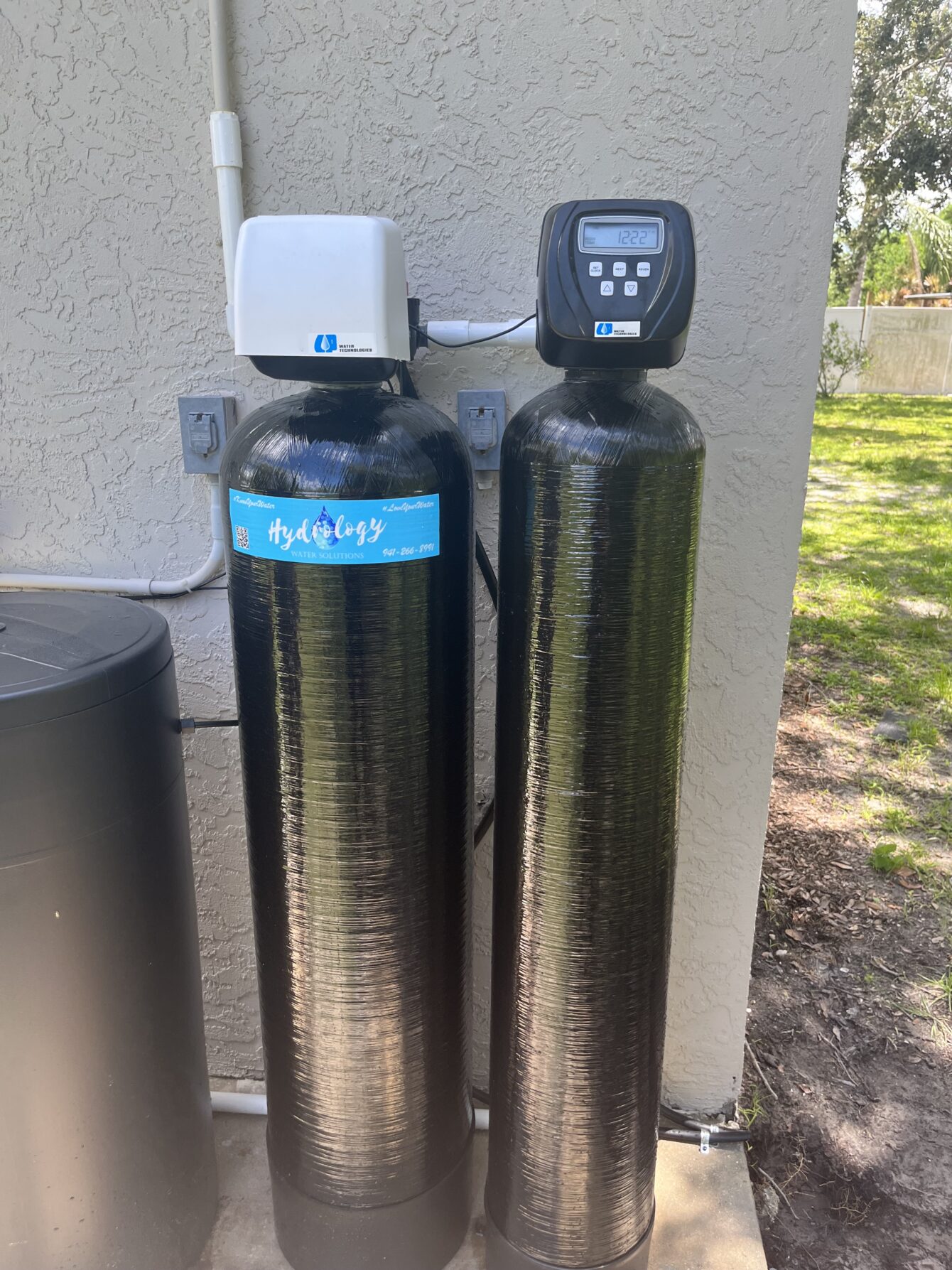
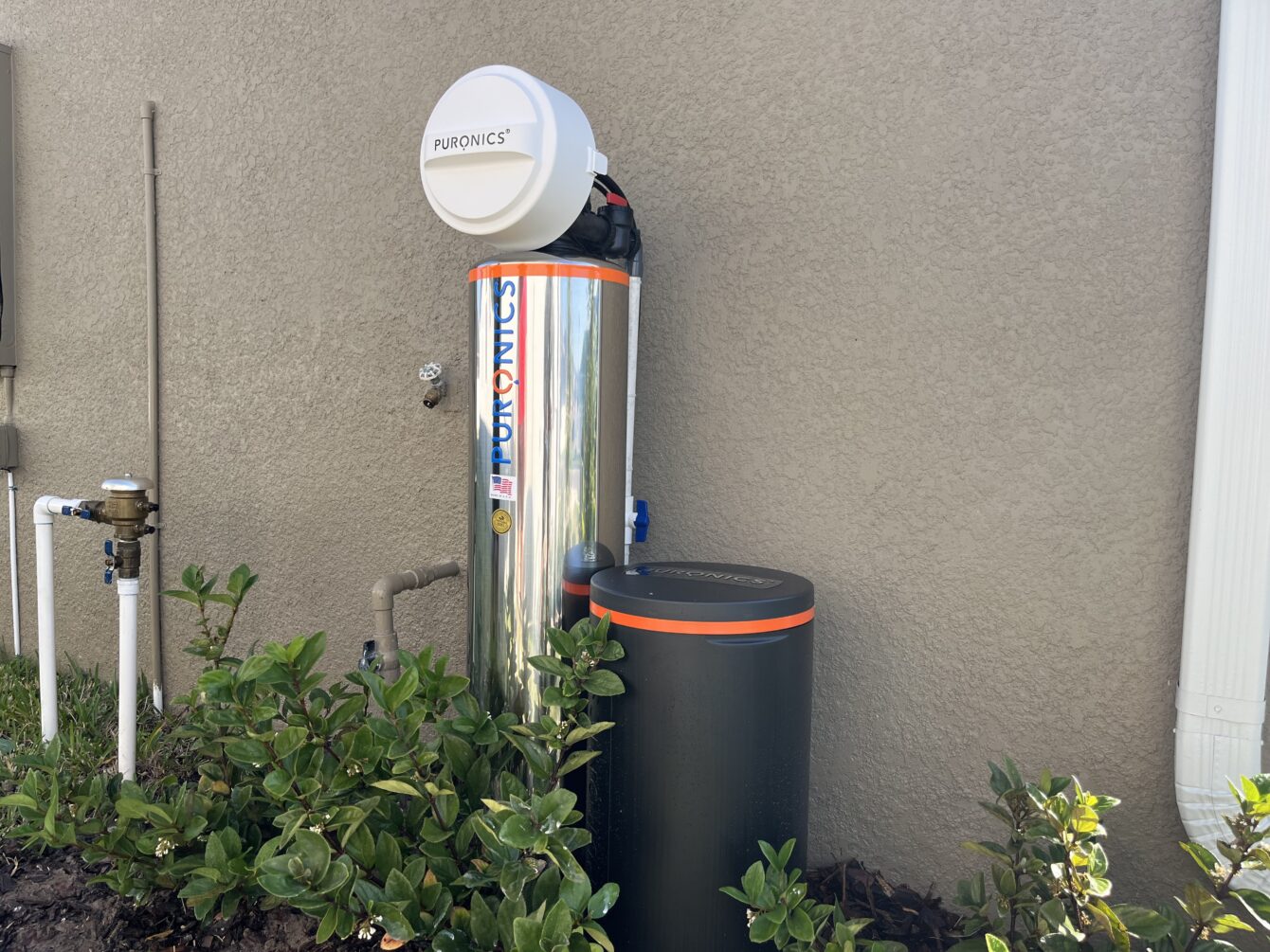
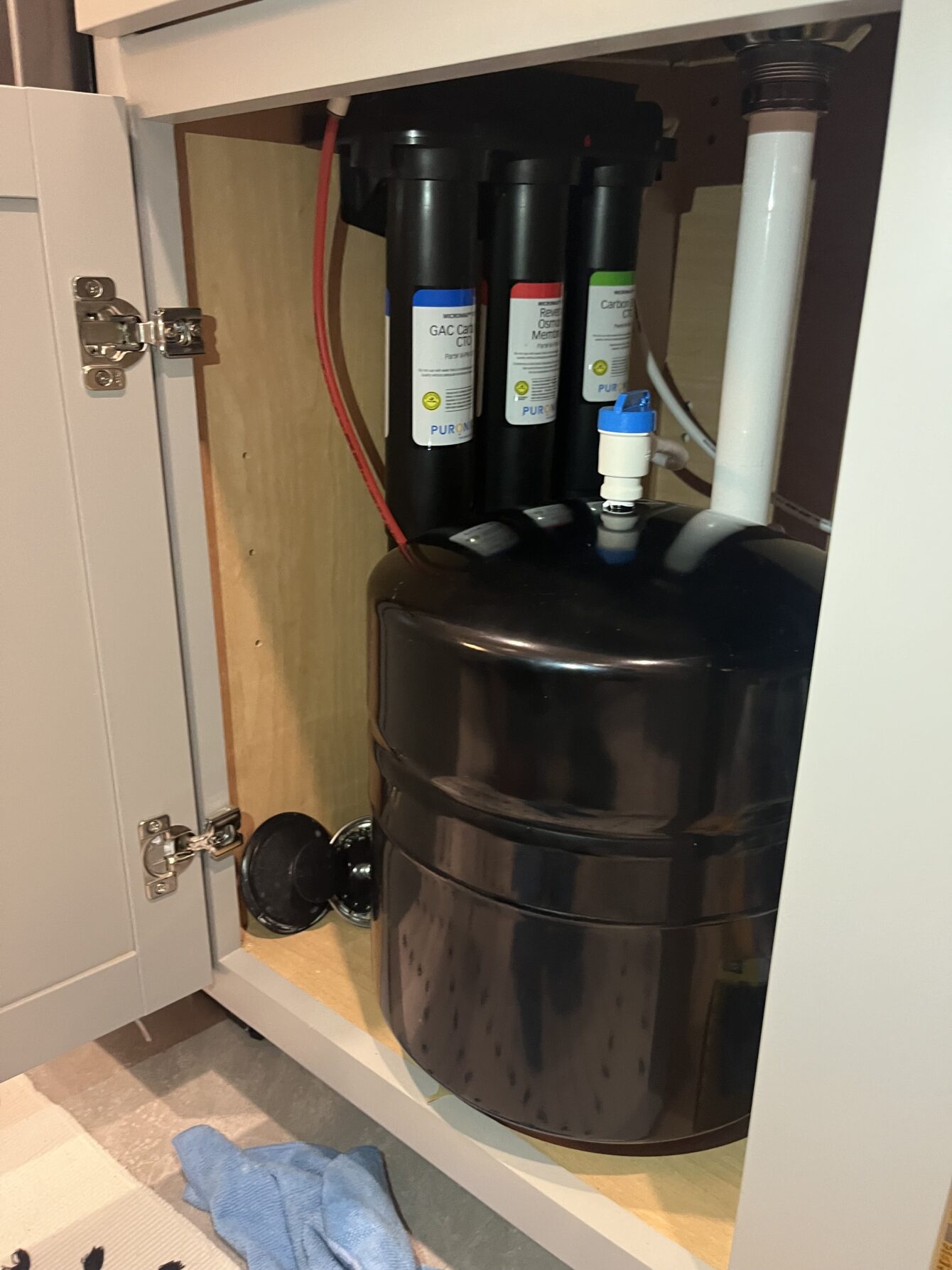
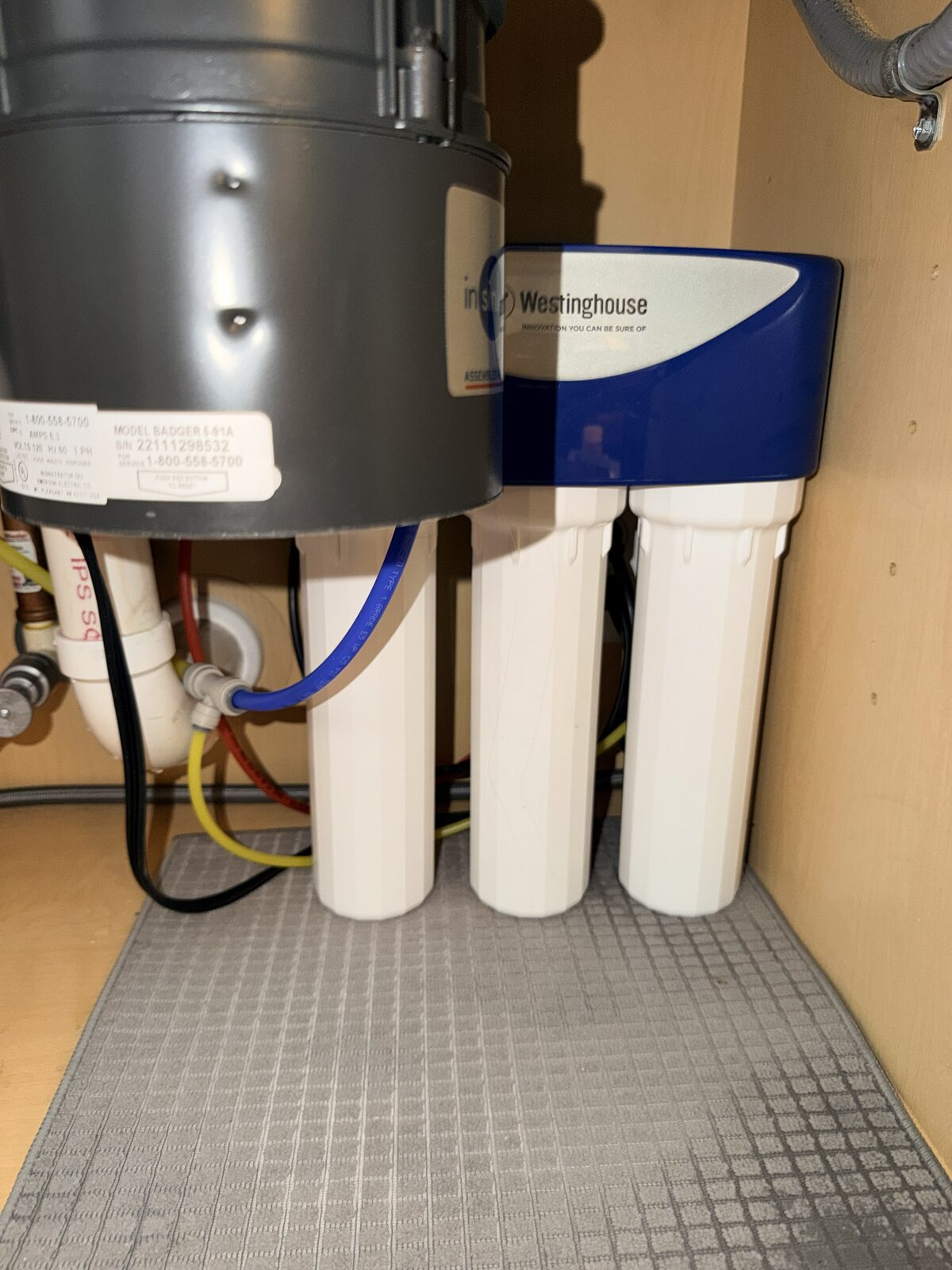
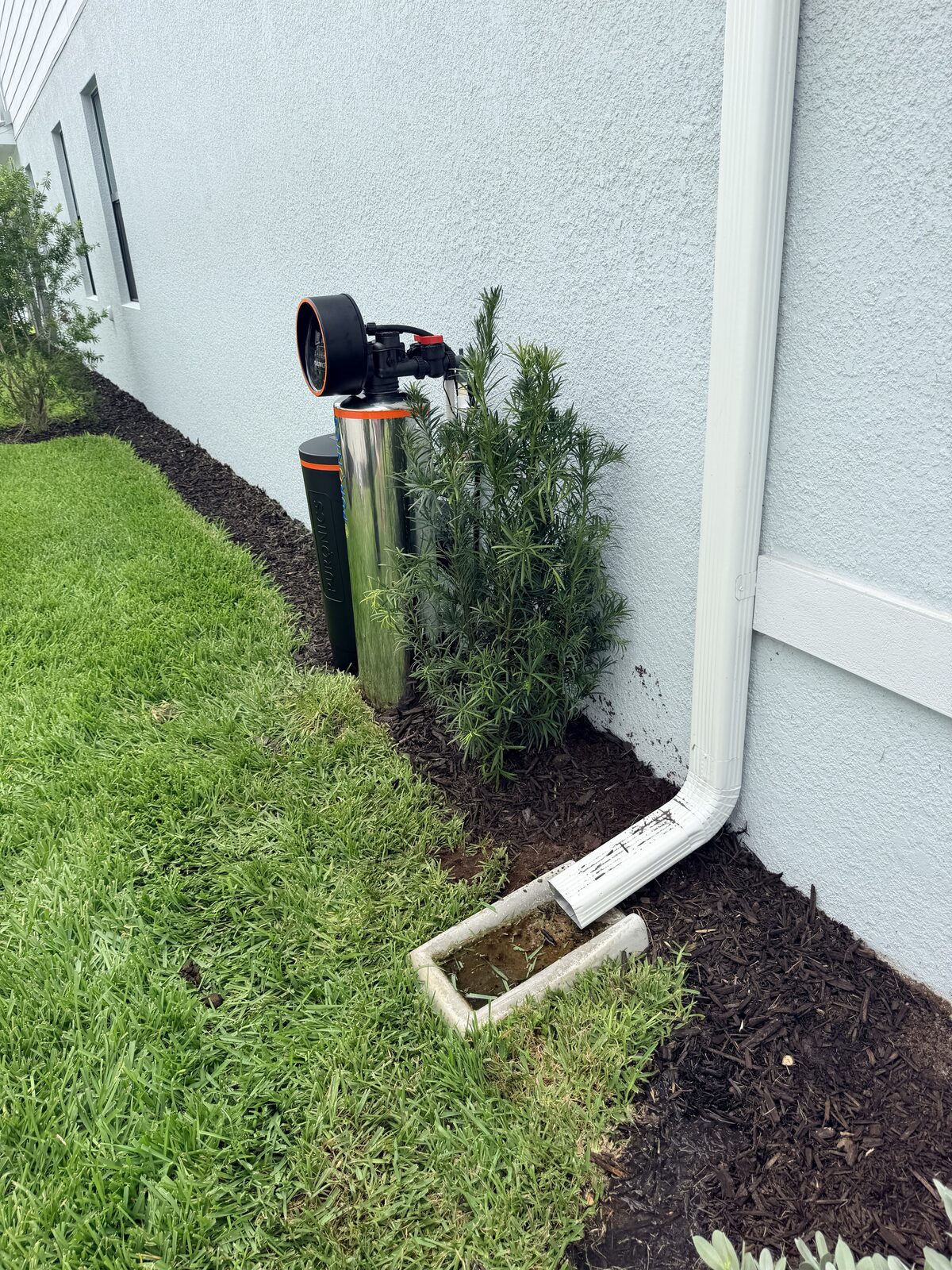
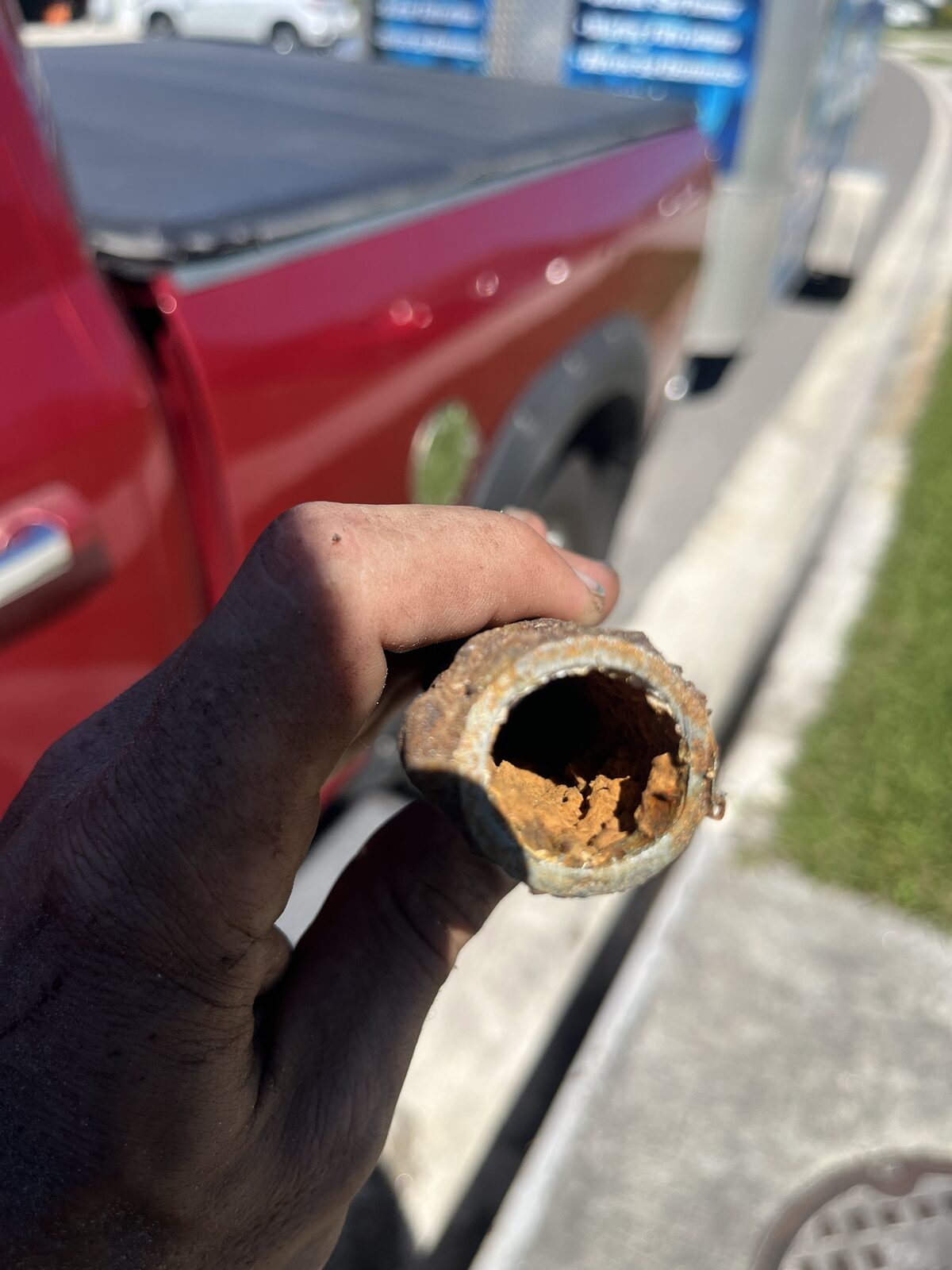
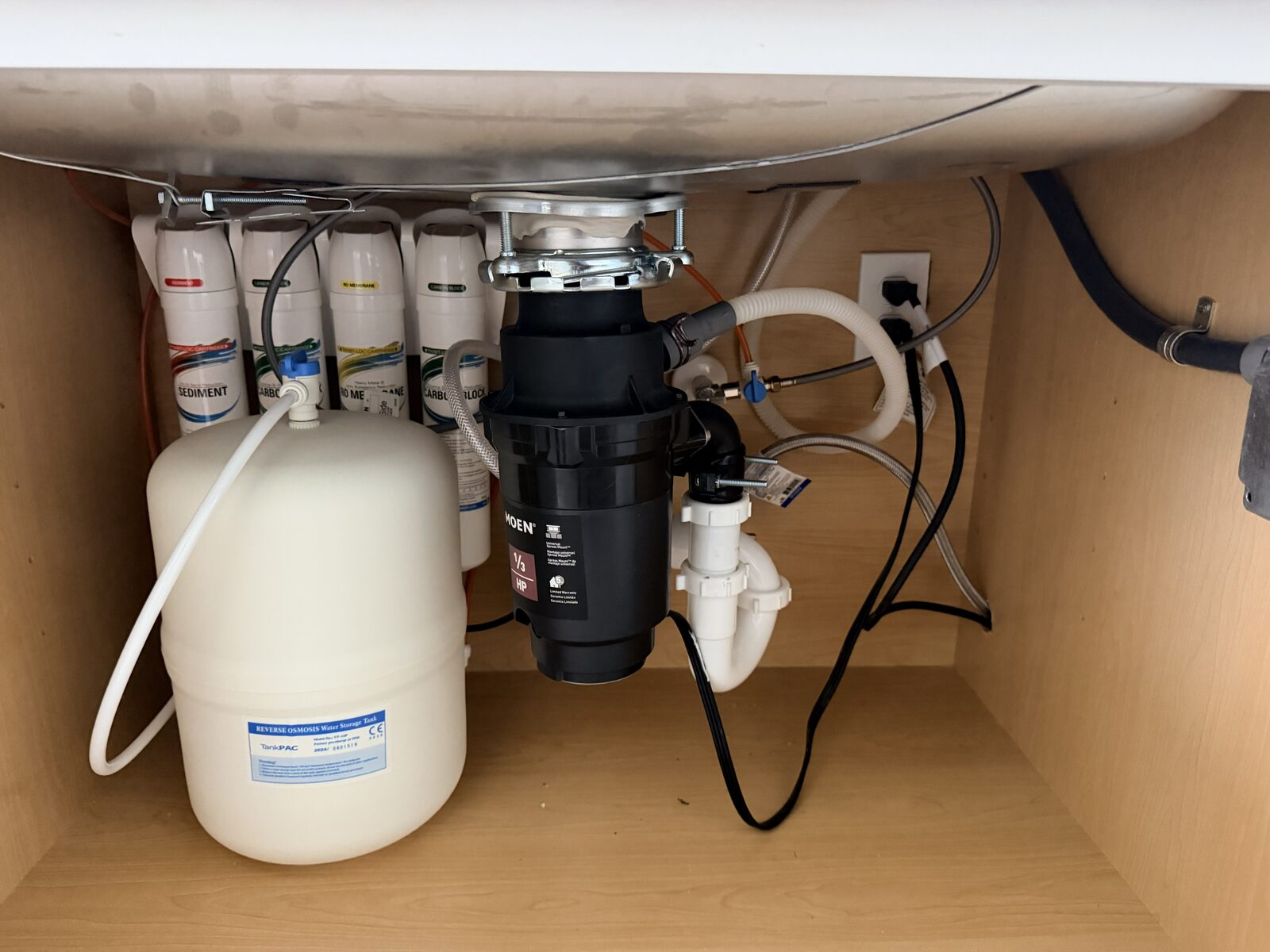
Real systems our team has installed — slide through, tap any photo to enlarge.
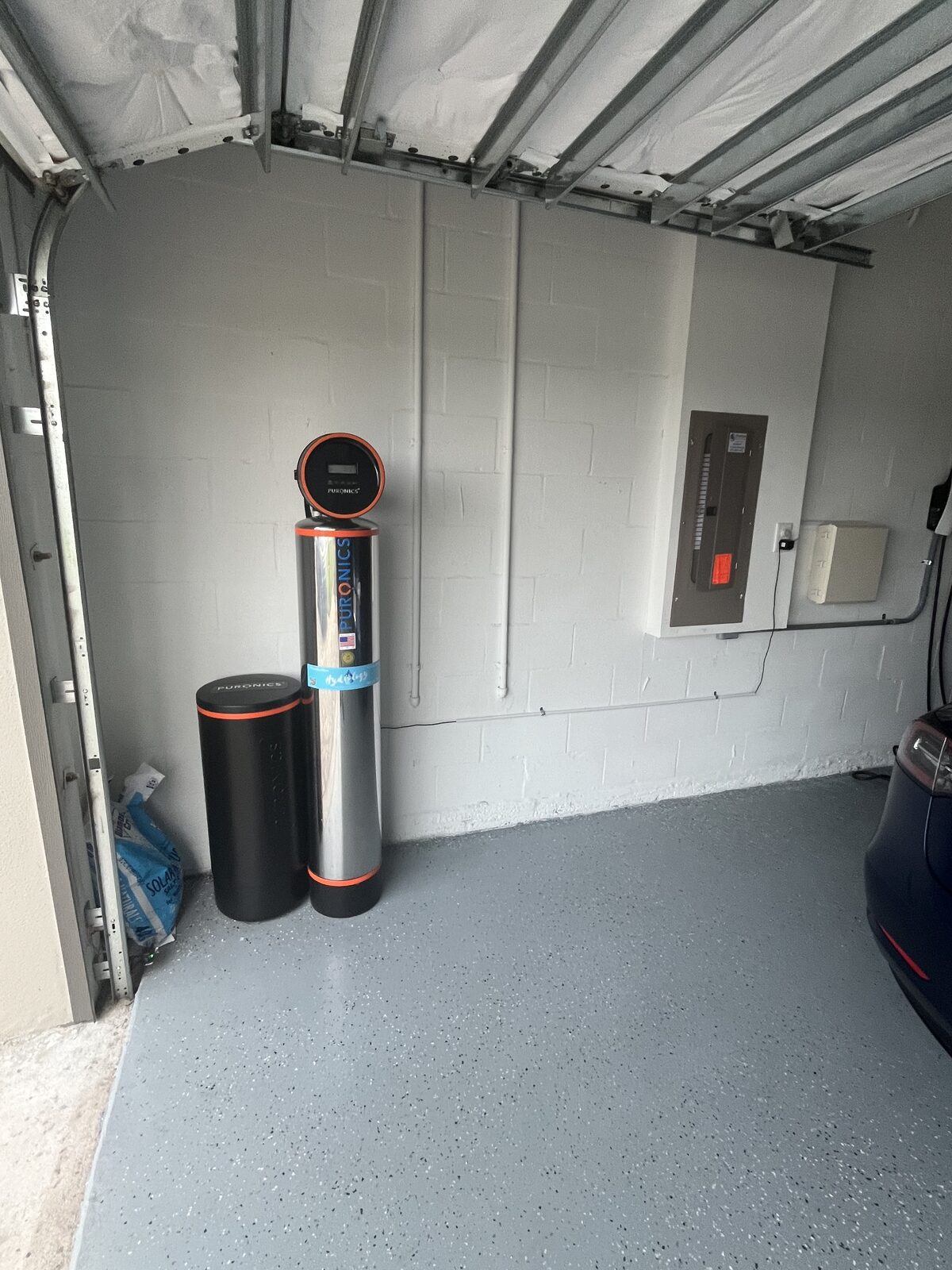
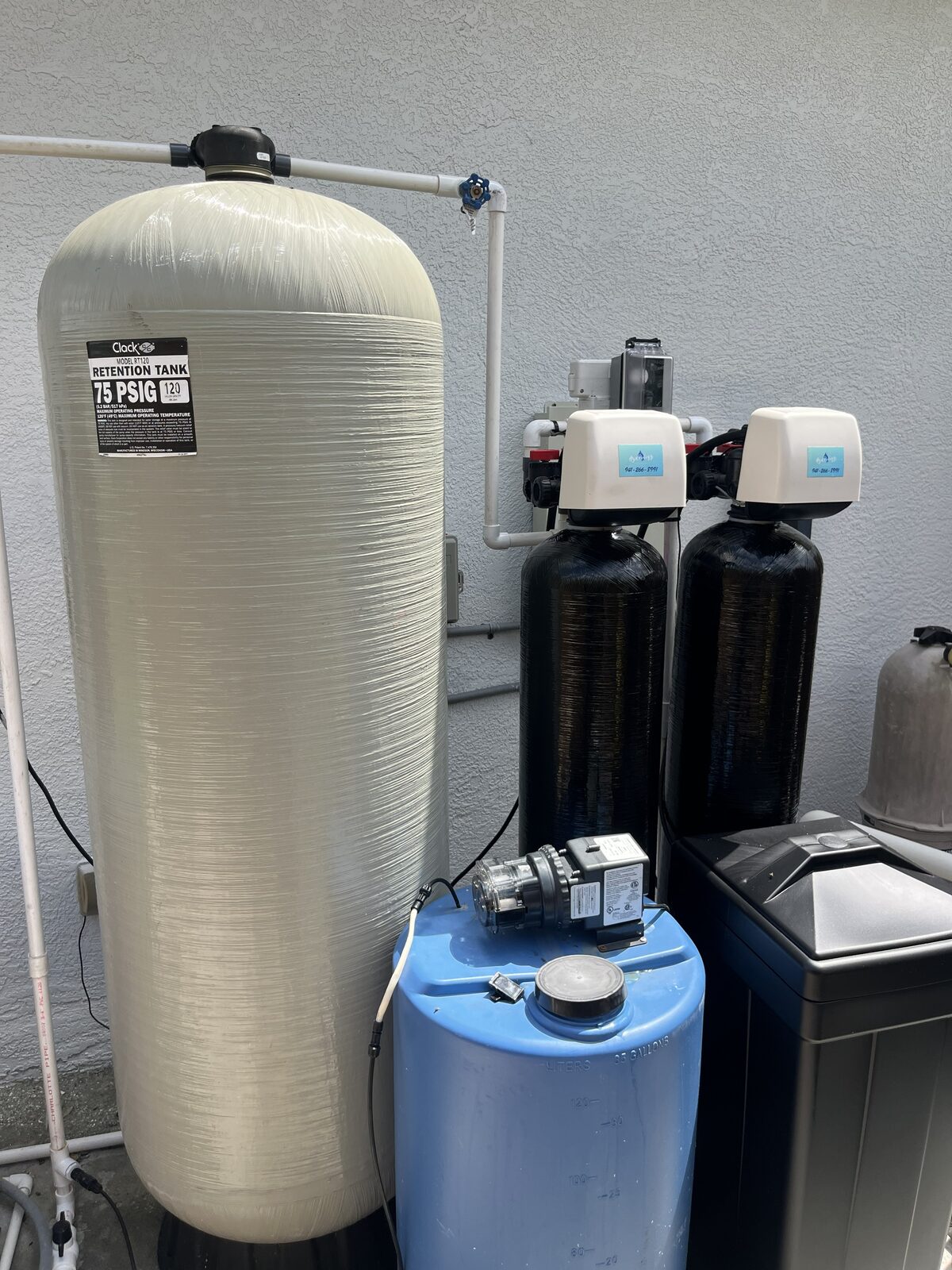
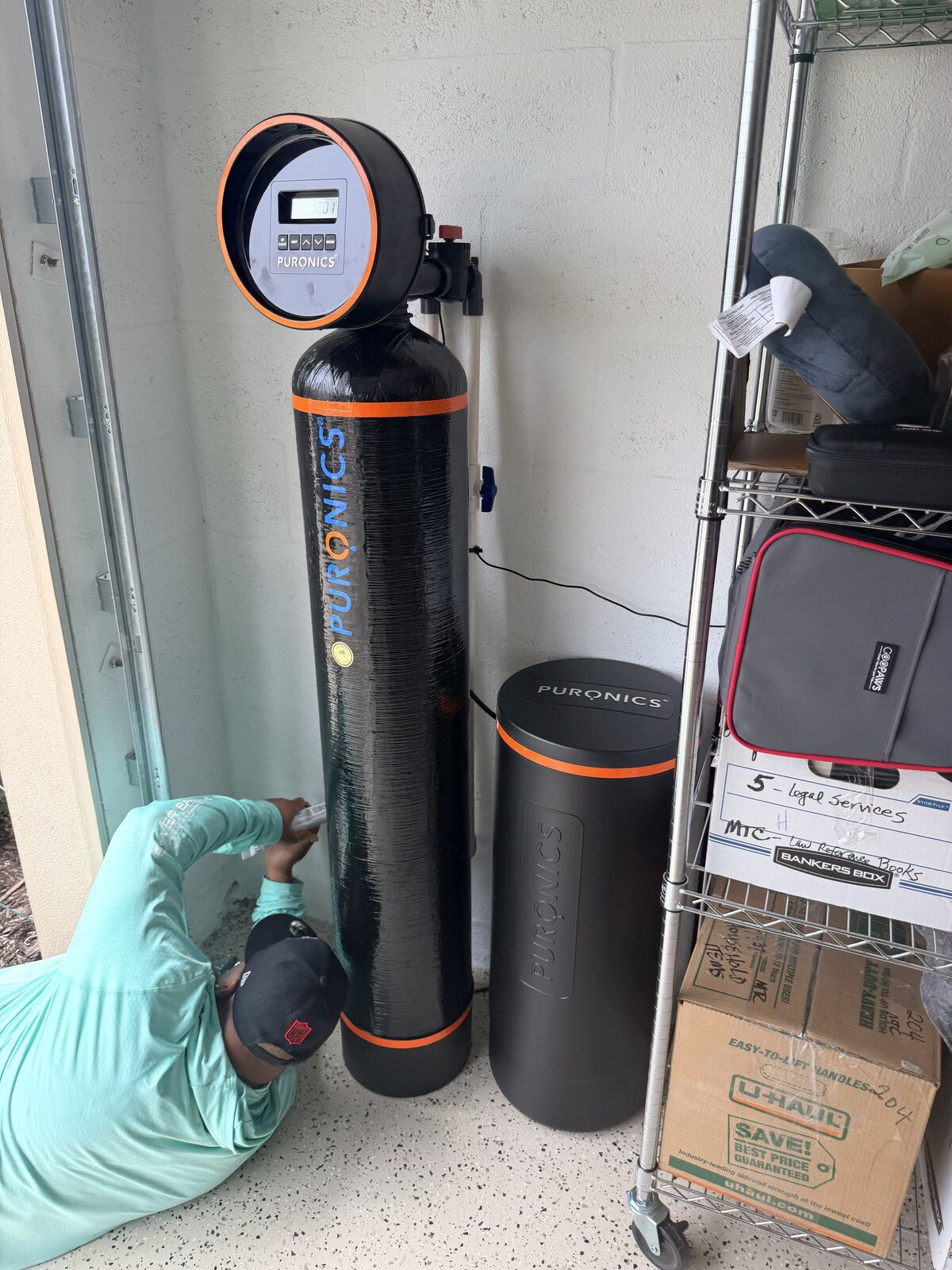
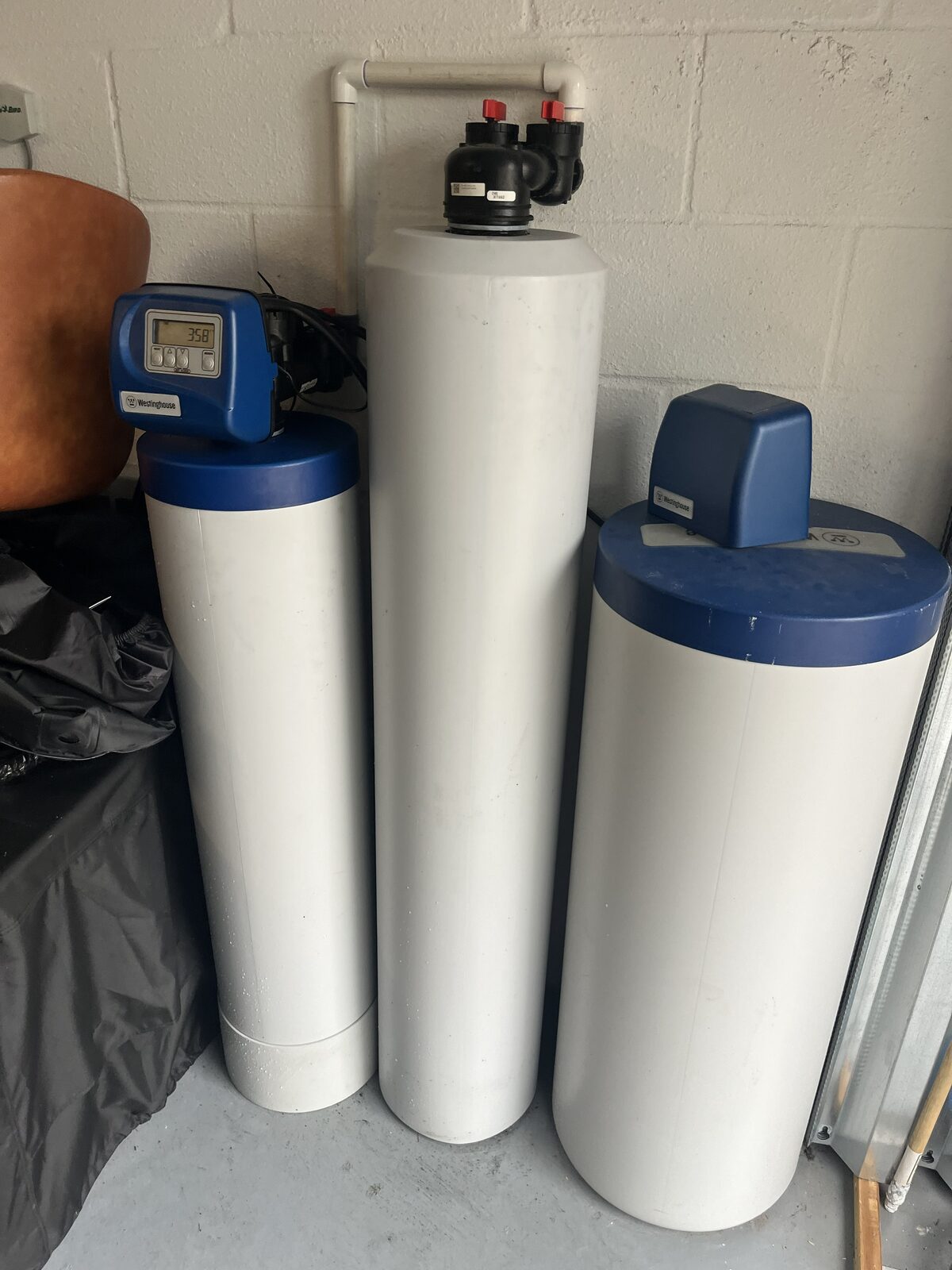
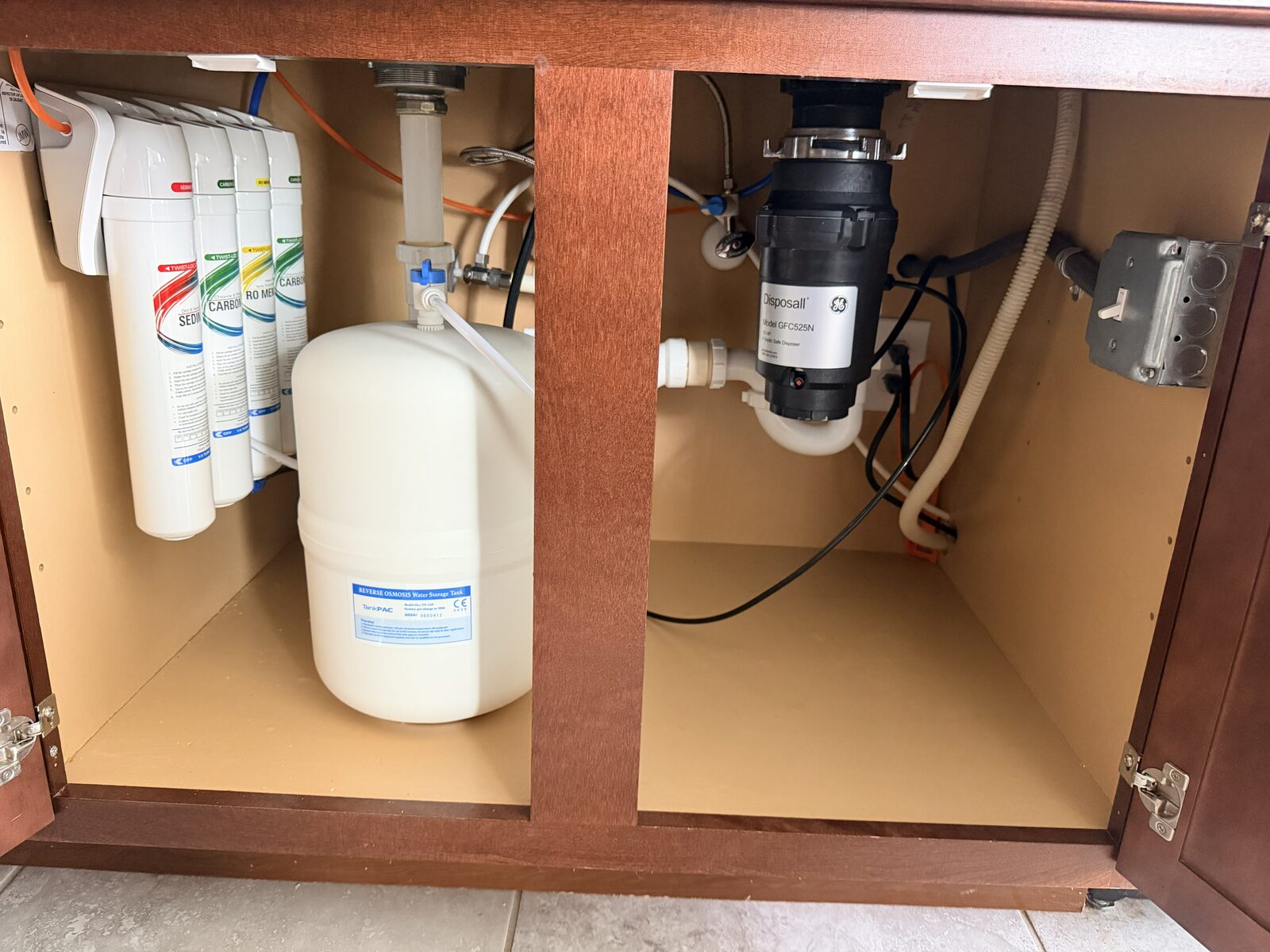
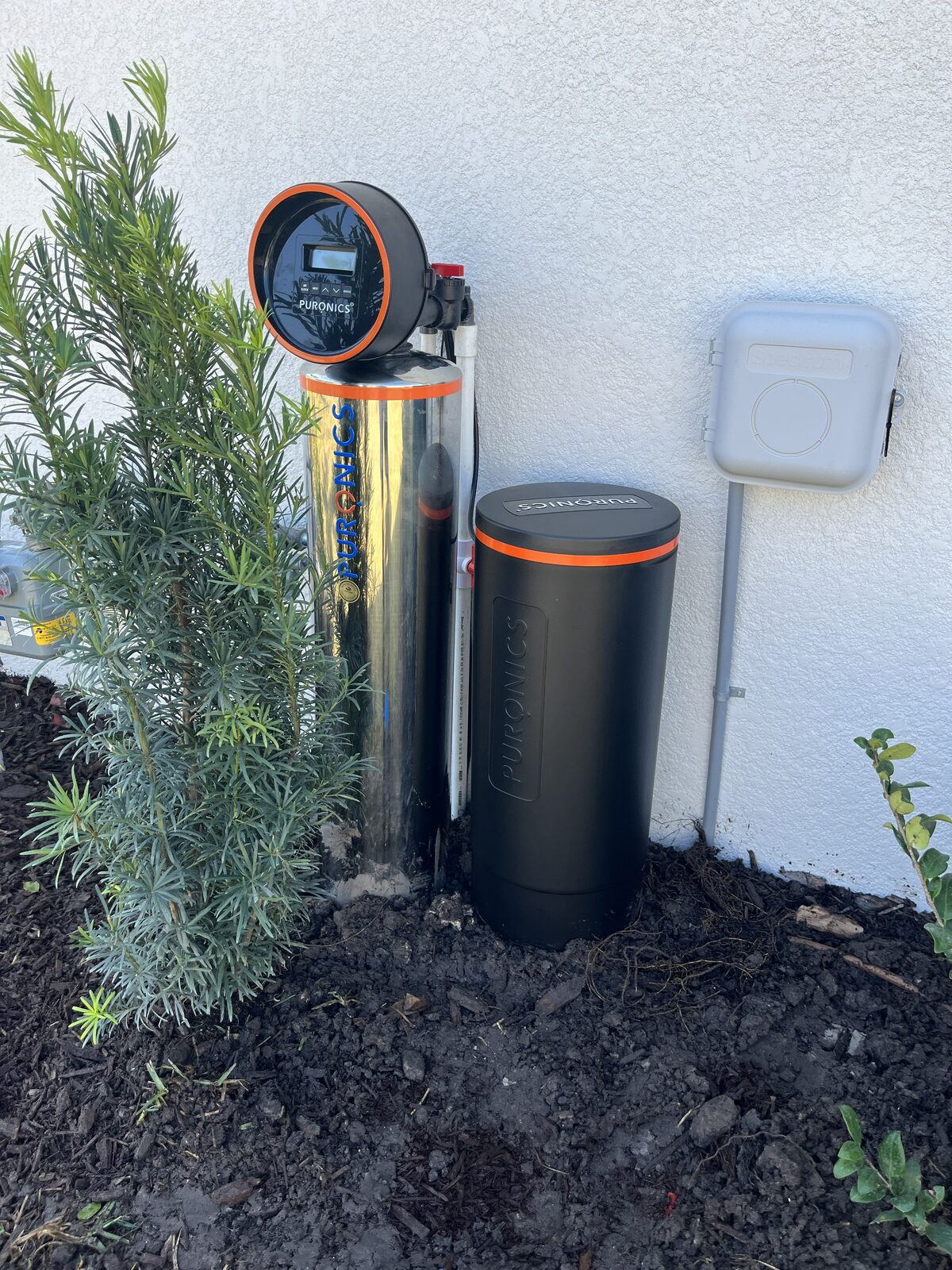
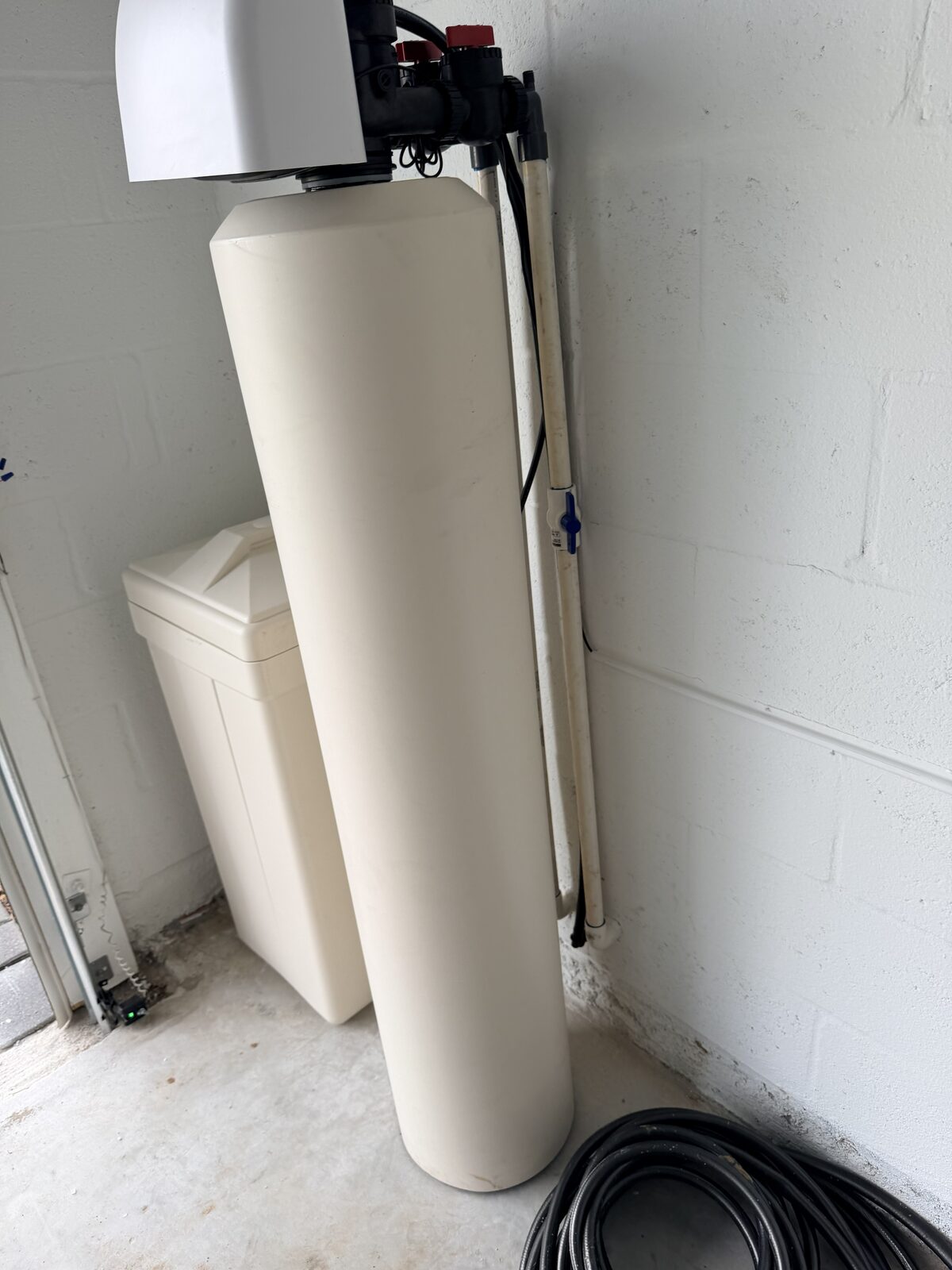
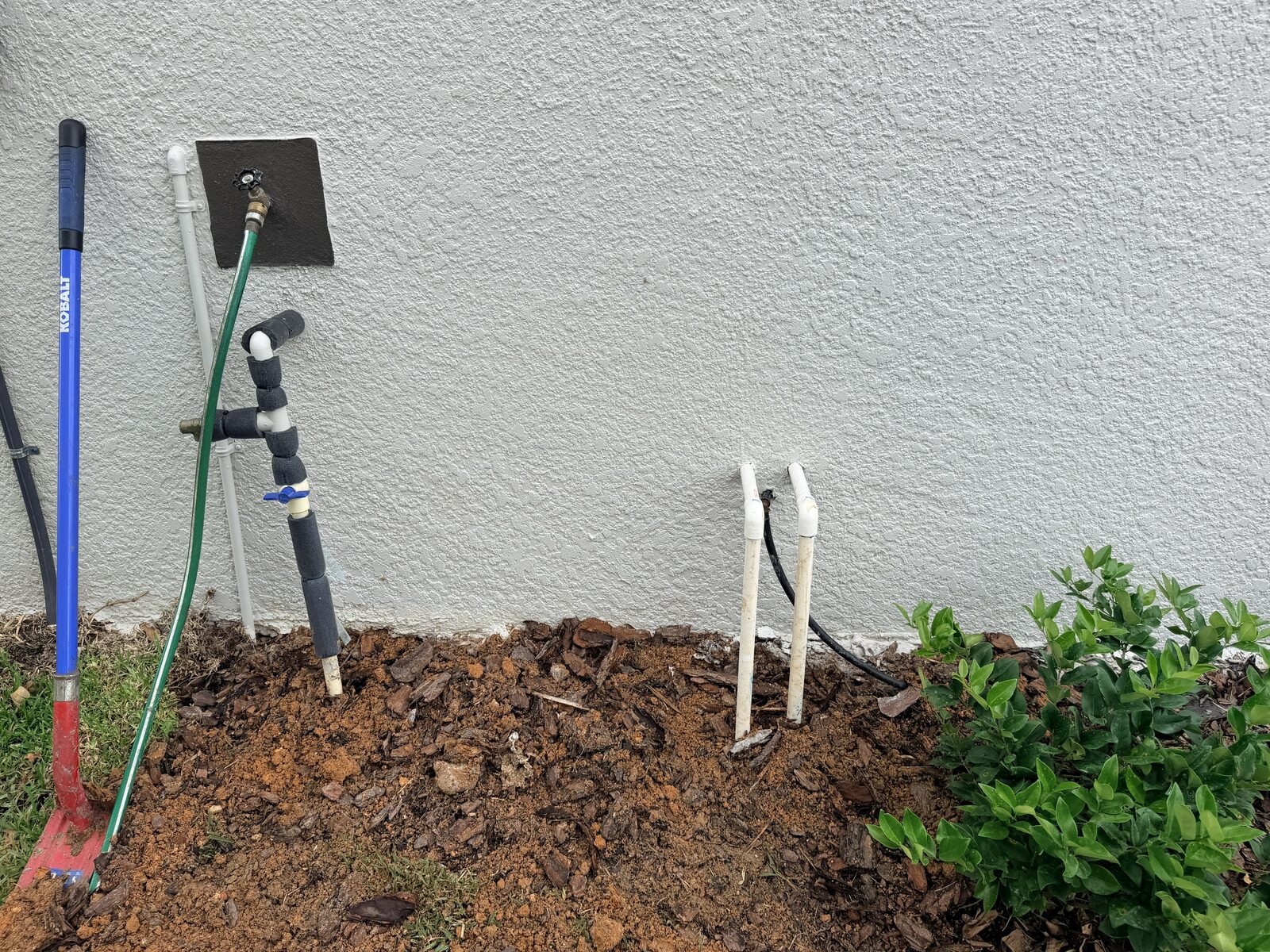
Want your exact numbers? A free in-home test measures your specific tap, and your utility publishes an annual water-quality report (CCR) too. Looking for local installation and service? See water treatment in Bradenton.
What your neighbors say
4.7★ from 212 Google reviews.
“I cannot say enough amazing things about this company and system! We had three companies come out and Hydrology stood out on every level.”
“We’ve had our system now a month and absolutely love it. My wife is a hair beautician with over 30 years of experience and definitely can tell the difference with the water.”
“Wow, I can definitely feel a difference in my hair, skin, and when I wash my hands. I knew getting a water softener was a priority and I’m so glad I decided to go with Hydrology.”
Every review is on our Google profile — read all of them there. We don’t cherry-pick; we just answer the phone.
Straight answers
Common questions.
What people ask before they book.
More water answers →
What hard water does to a home: the Battelle study →
Is Bradenton city water safe to drink?
It depends which system you’re on. The City of Bradenton and Manatee County each publish an annual water quality report with their test results. The city’s 2025 report lists total dissolved solids at 550 mg/L and sulfate at 288 mg/L, both above the EPA’s taste guidelines. Treating it at home is about taste, comfort and protecting your appliances, and a test at your tap shows what’s actually coming out of it.
Does Bradenton use chlorine or chloramine?
Both, depending on where you live. The City of Bradenton’s 2025 report lists chlorine and chloramines as its disinfectants. Manatee County uses chloramine. Chloramine is more stable than plain chlorine, which is why catalytic carbon is the right filter media for it.
Is Bradenton water hard?
Manatee County’s 2025 report puts hardness at 106 to 279 mg/L, about 6 to 16 grains per gallon, which is hard enough to cause spots, scale and dry skin. The City of Bradenton doesn’t publish a hardness number, so we measure it at your tap during the free water test.
Does Bradenton city water have fluoride?
As of July 2025, Florida ended fluoridation in community water systems, so homes on city water are no longer getting added fluoride. Some private wells have naturally occurring fluoride, which is a separate matter.
How do I find out what is in my water?
Two ways: your utility publishes an annual water-quality report (CCR), and we run a free in-home test that measures your specific tap, since your water can differ from the county average depending on your home and plumbing.