Manatee · Sarasota · Hillsborough · Pinellas · Charlotte
Yellow or Tea-Colored Well Water? Tannin Filters in Bradenton
If your well water looks yellow or tea-colored — clear, not cloudy — that is tannins: harmless organic compounds from decaying vegetation. A tannin filter removes the color and softens at the same time. It is common near wetlands and low, swampy ground.
4.7★ from 212 Google reviews · WQA Gold Seal Puronics dealer · Our own techs, no subcontractors
Request your free water test
★★★★★ 4.7 — a few details and we reach out, usually same day.
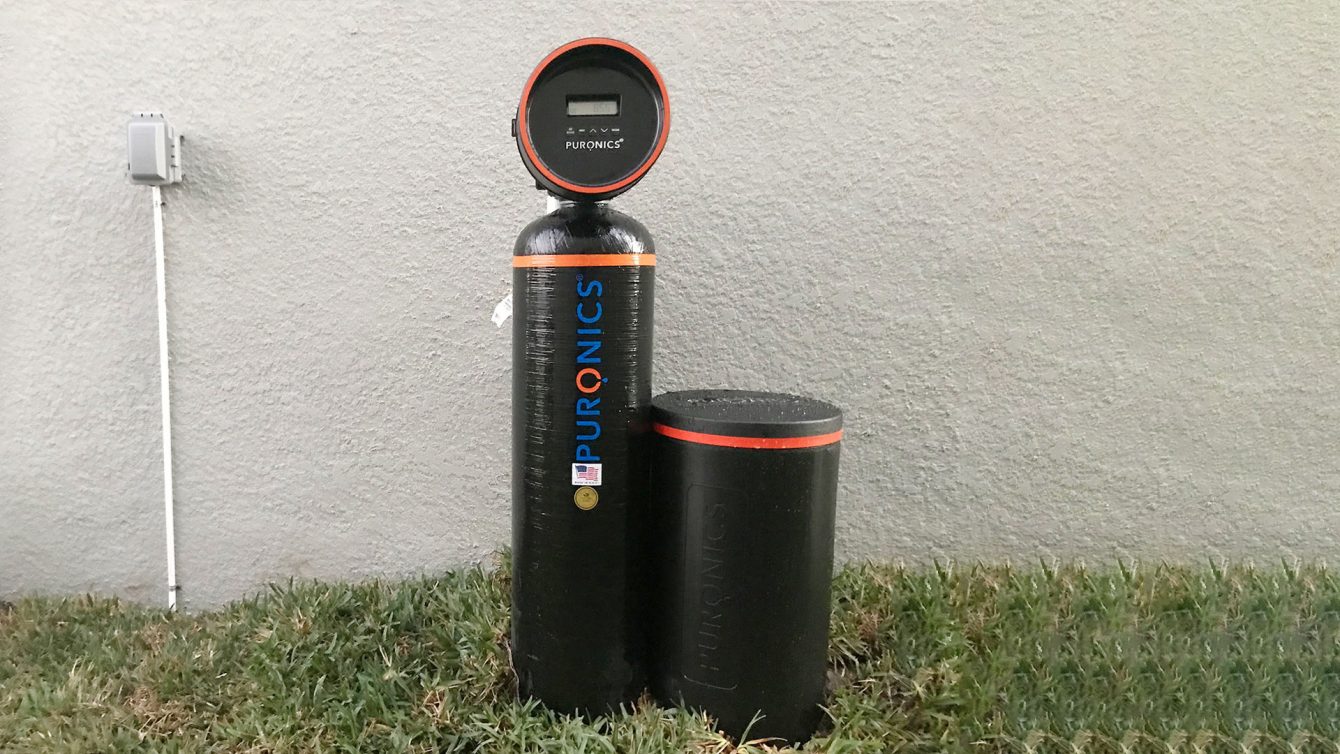
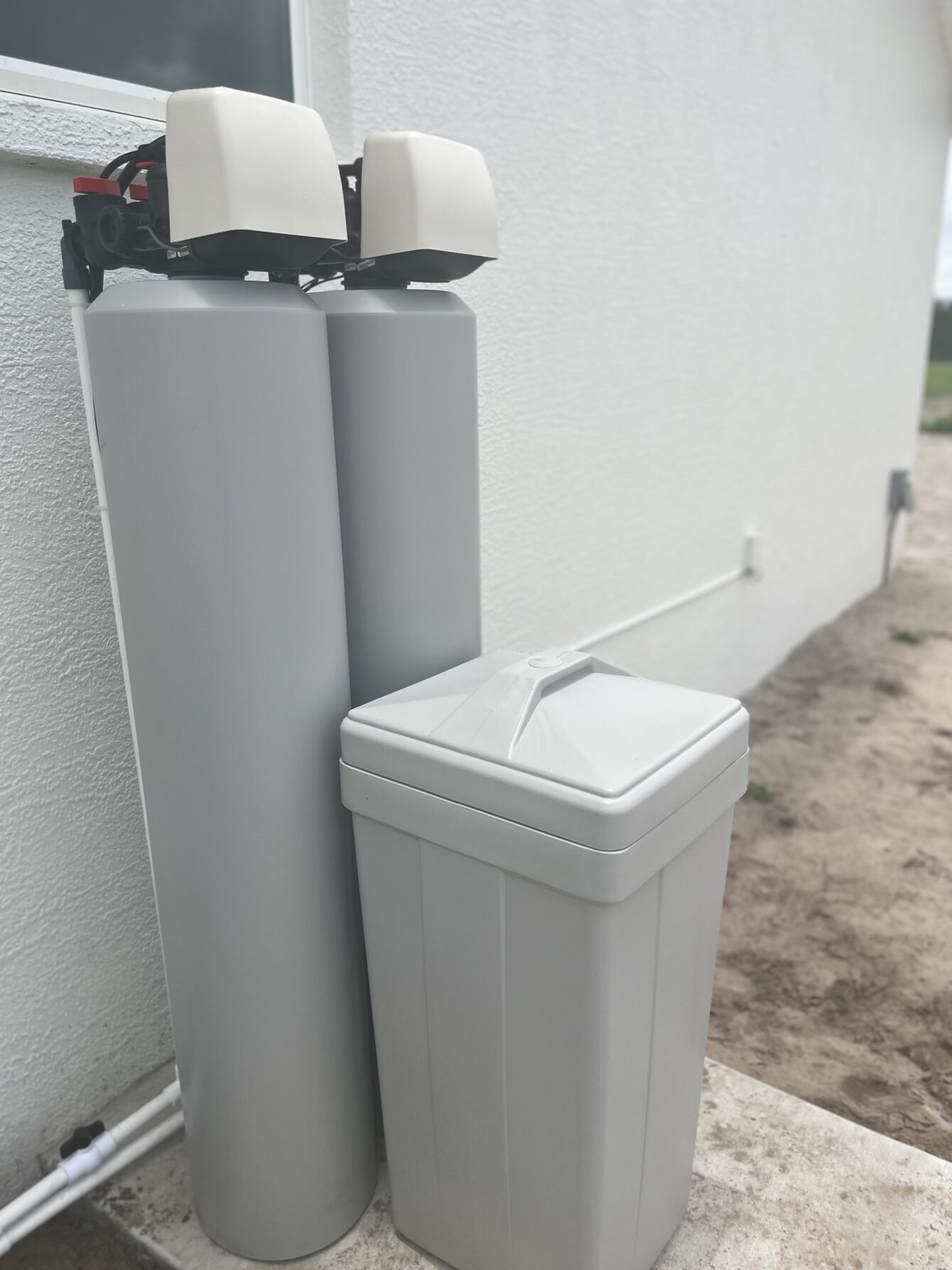
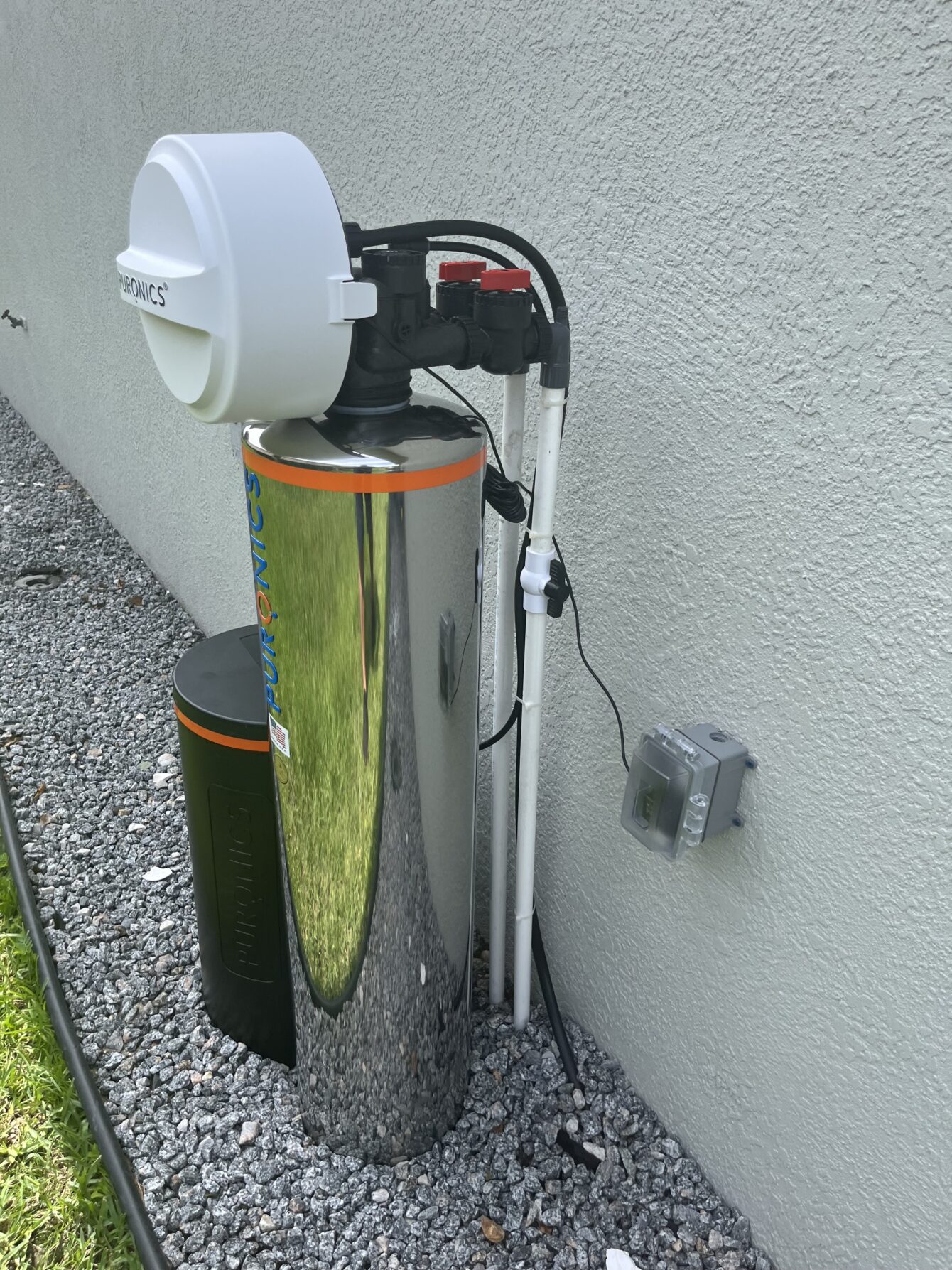
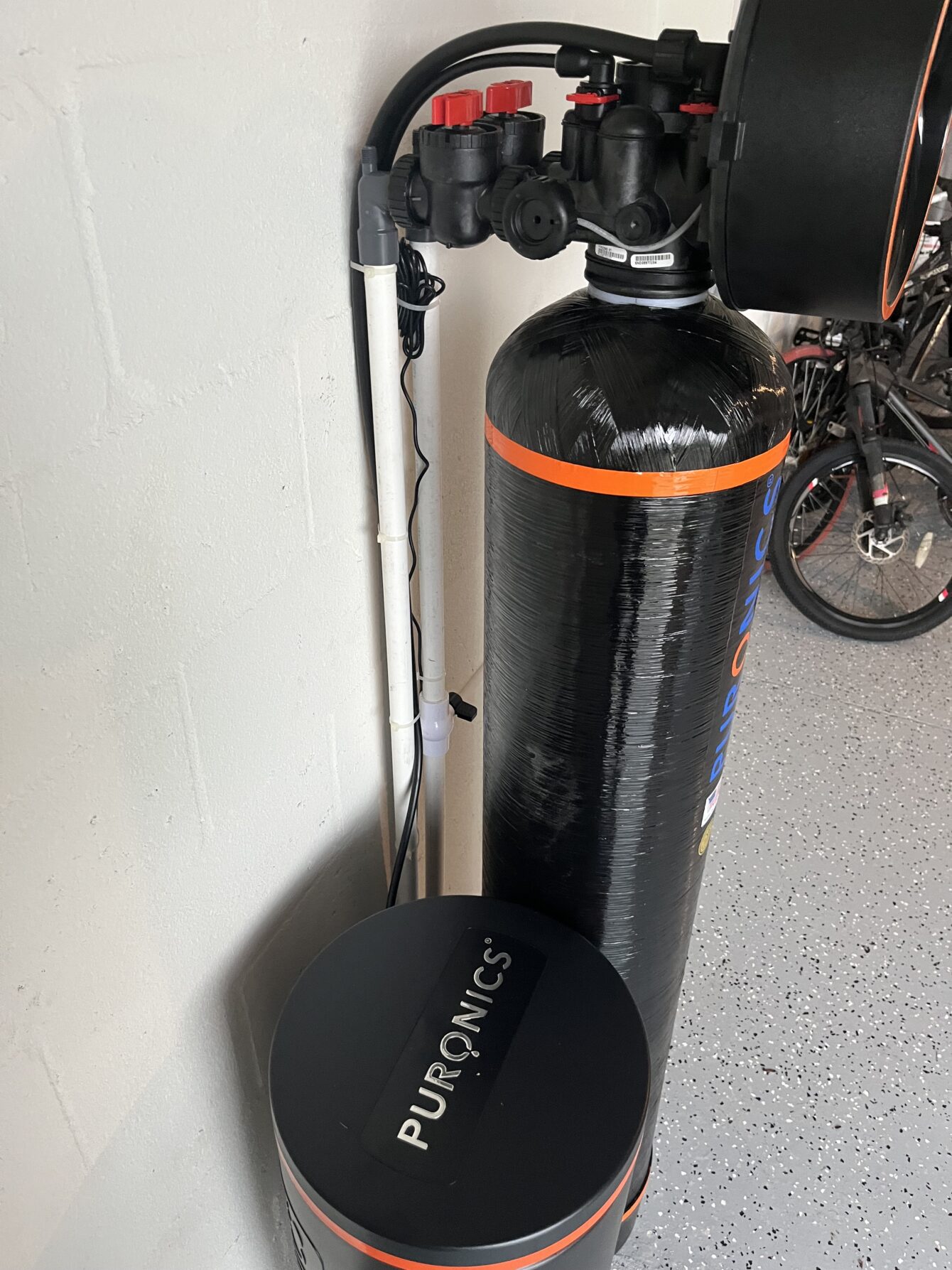
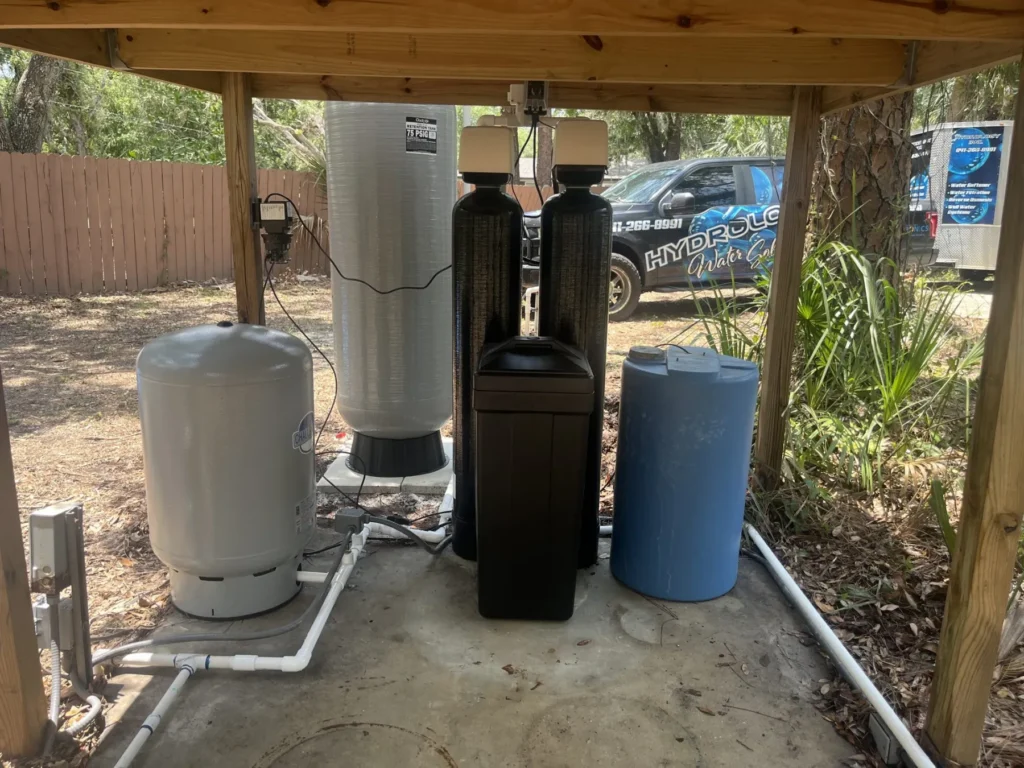
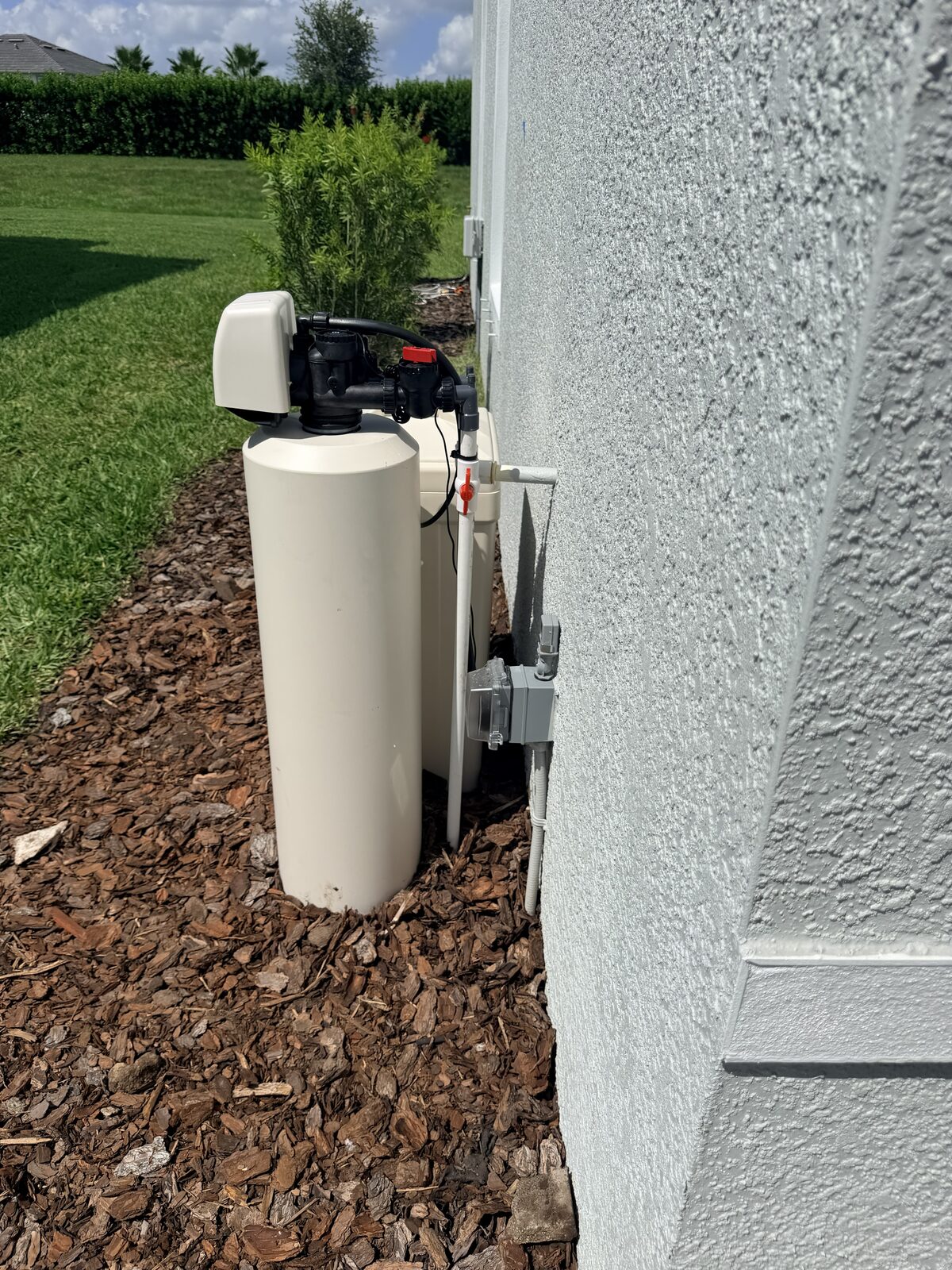
Our install · a real job, not stock
Our work
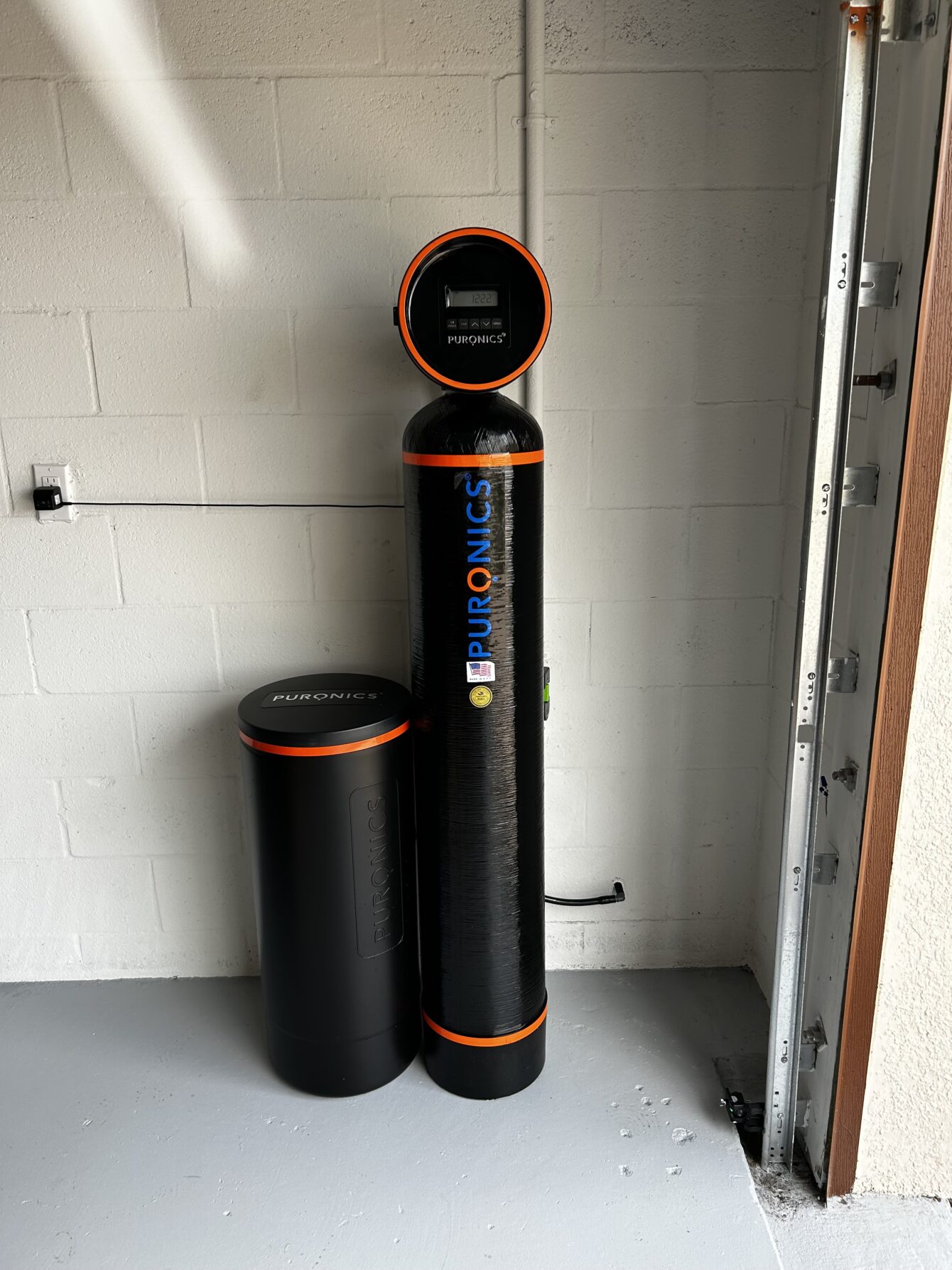
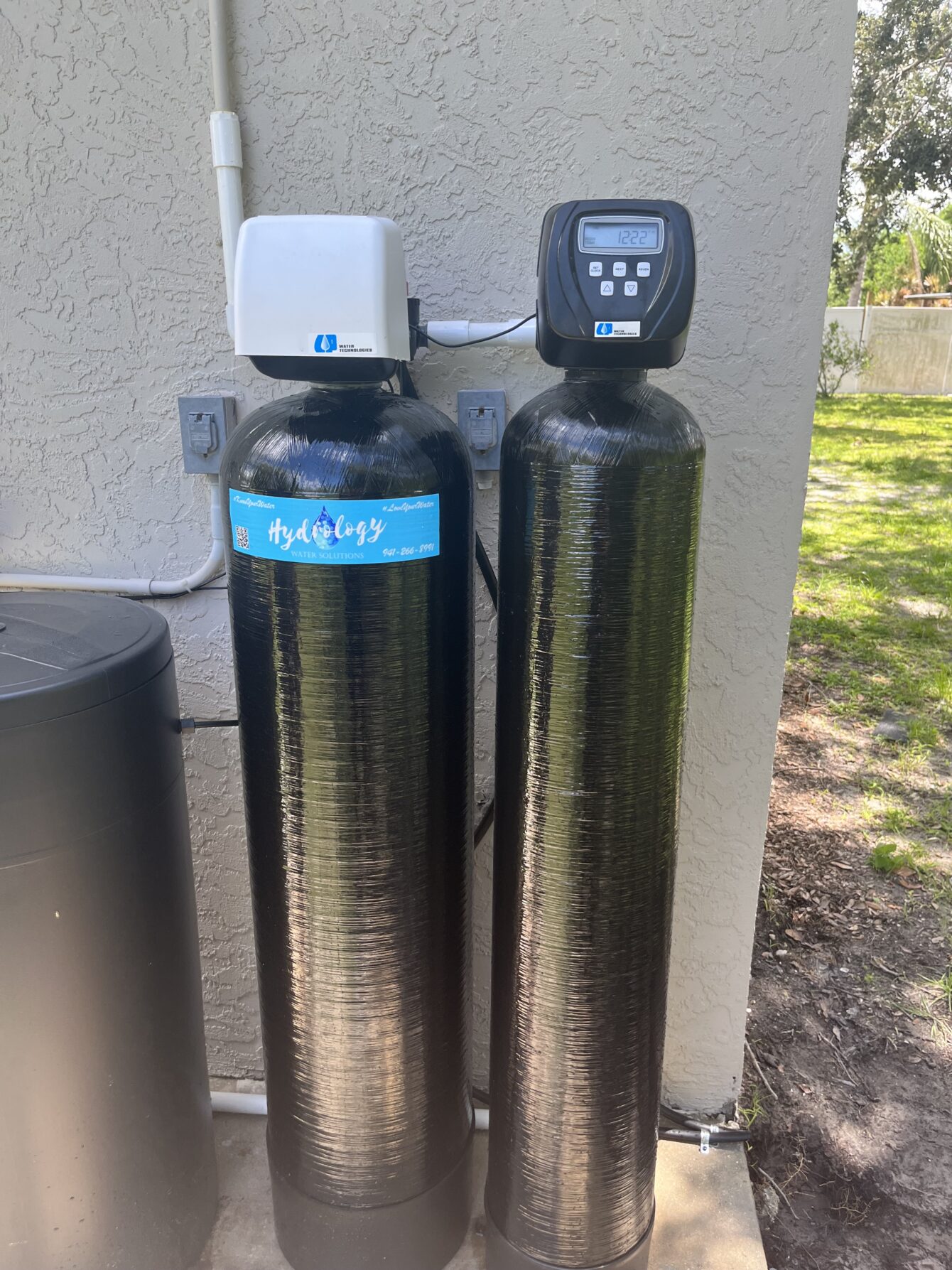
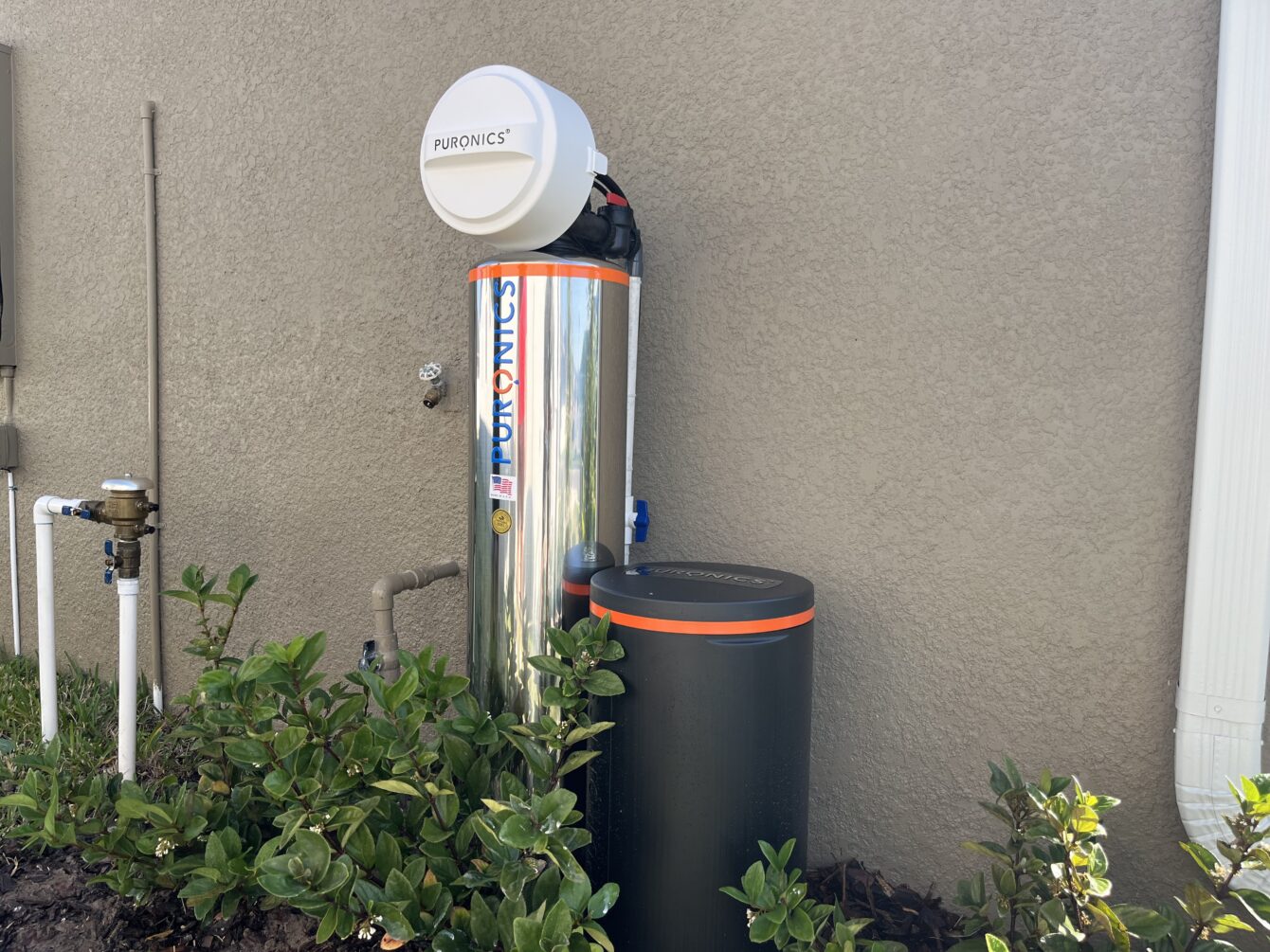
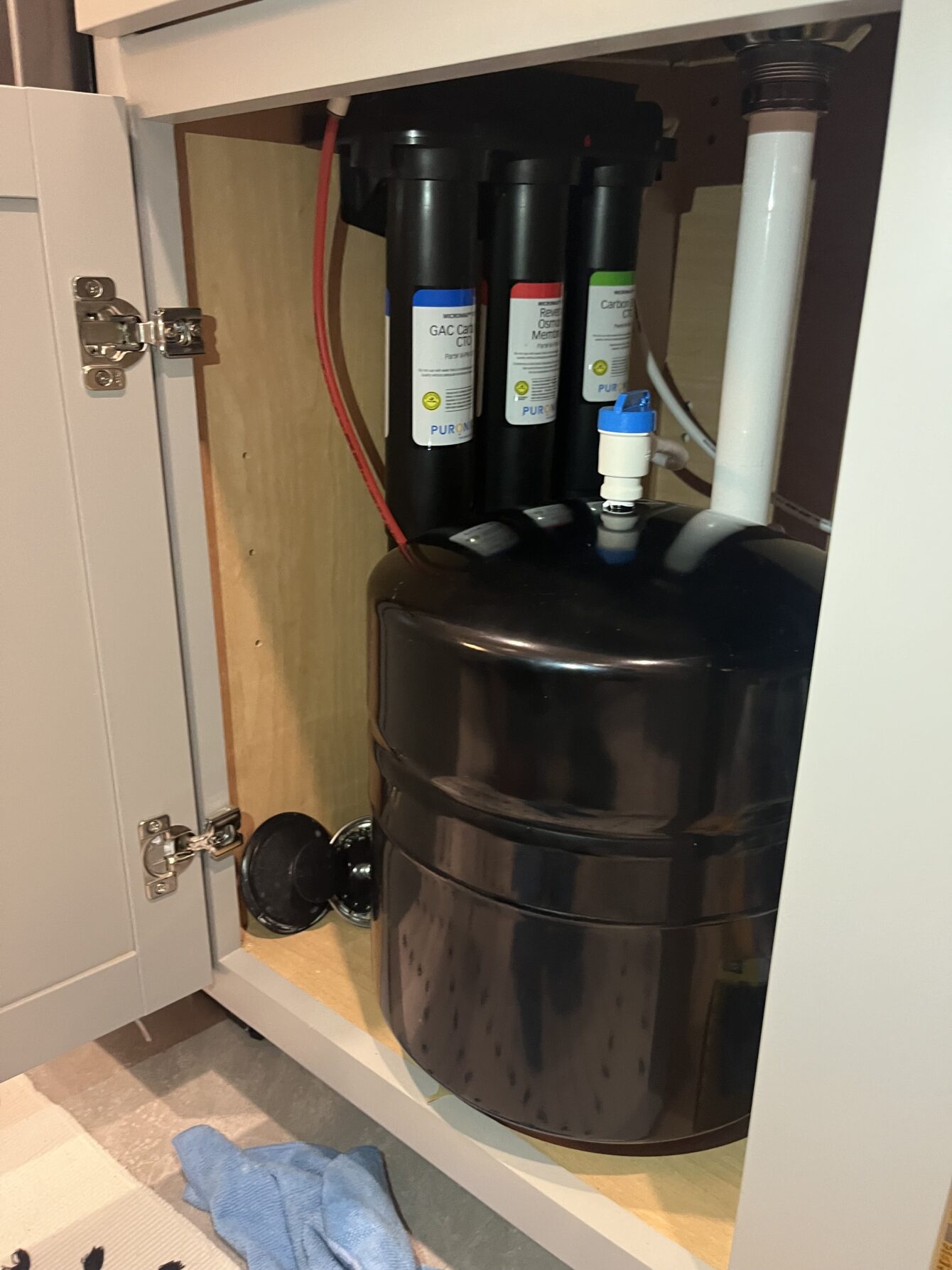
Recent installs
around the Suncoast.
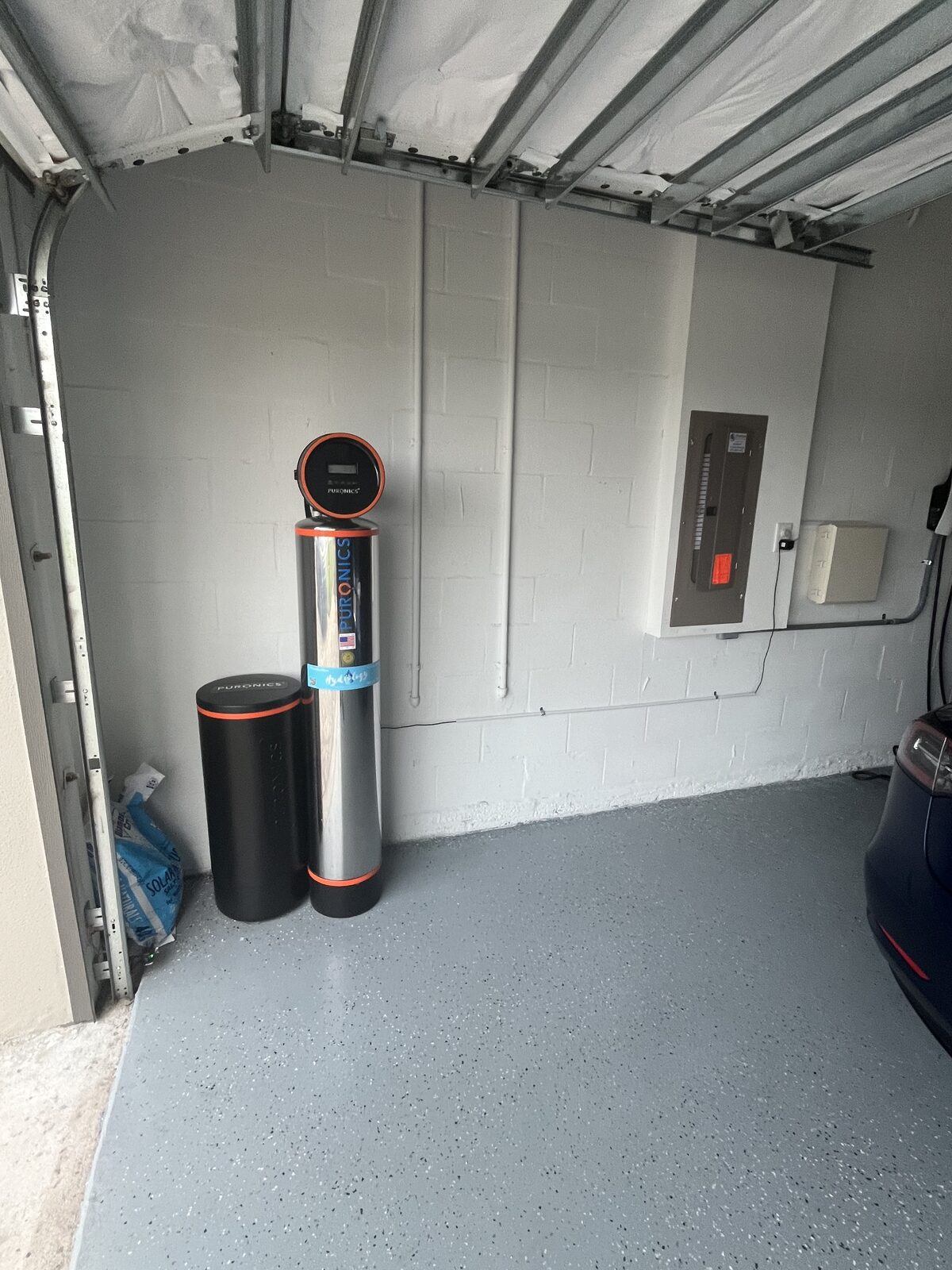
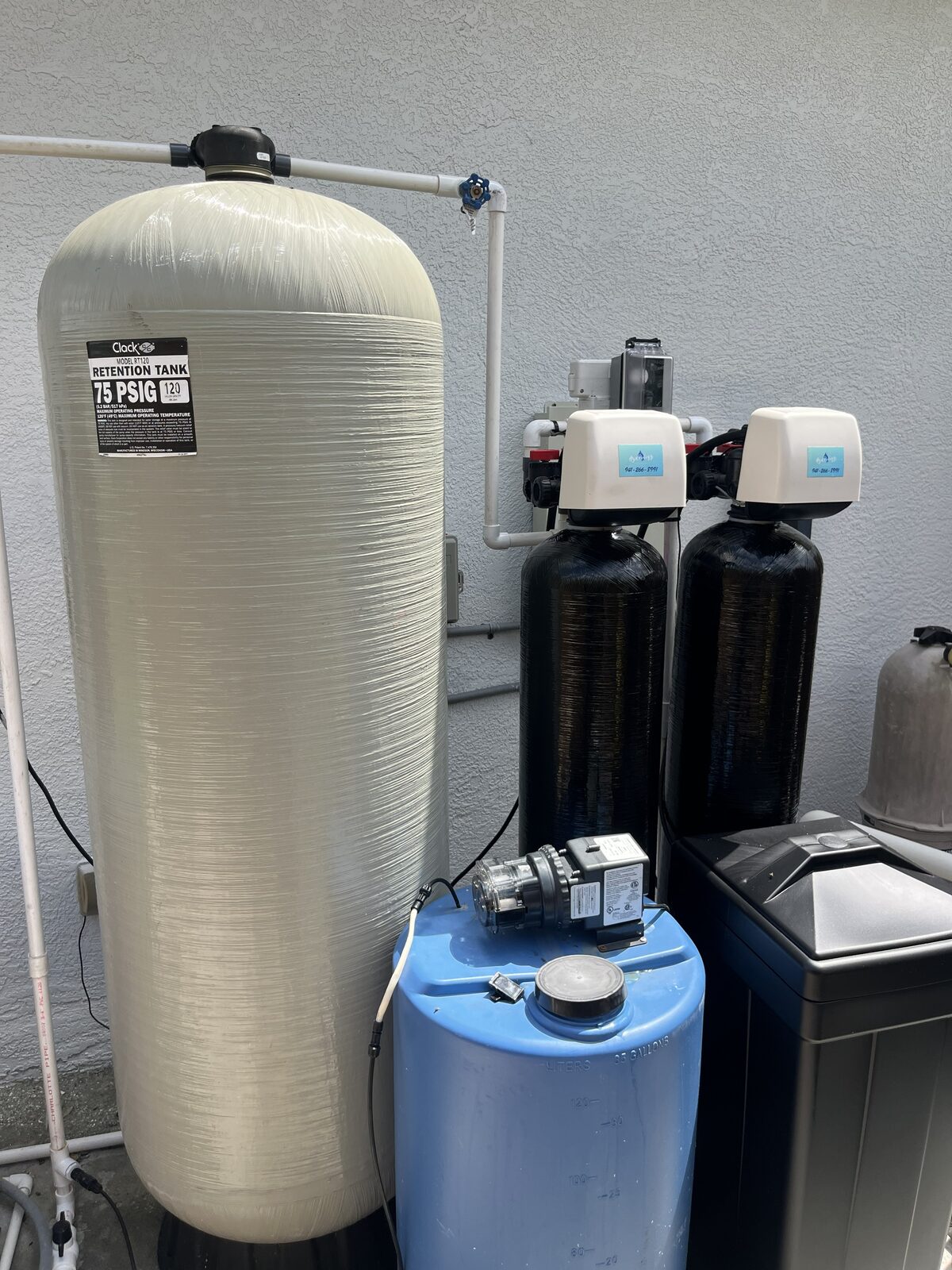
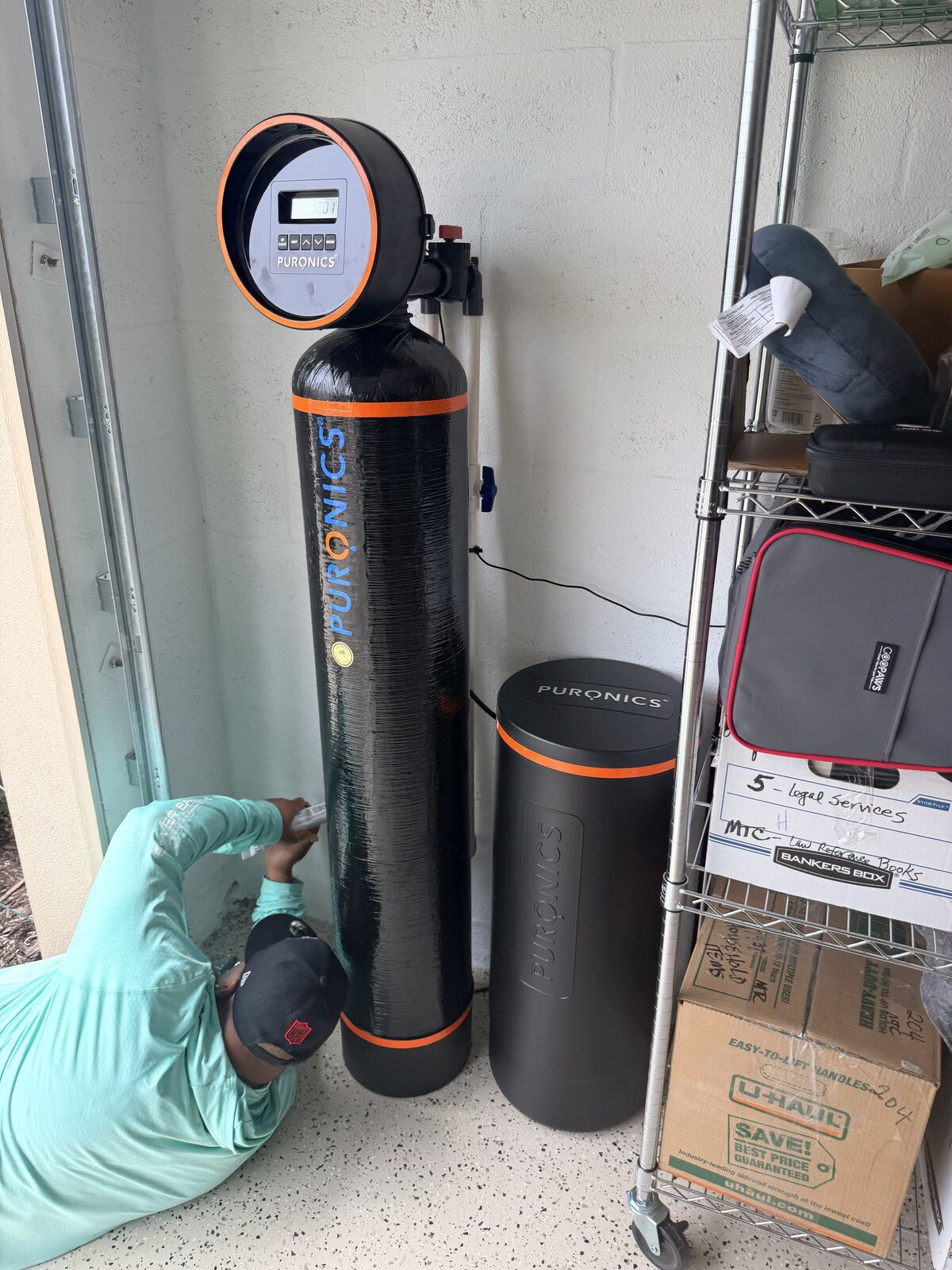
Real systems our team has installed — slide through, tap any photo to enlarge.
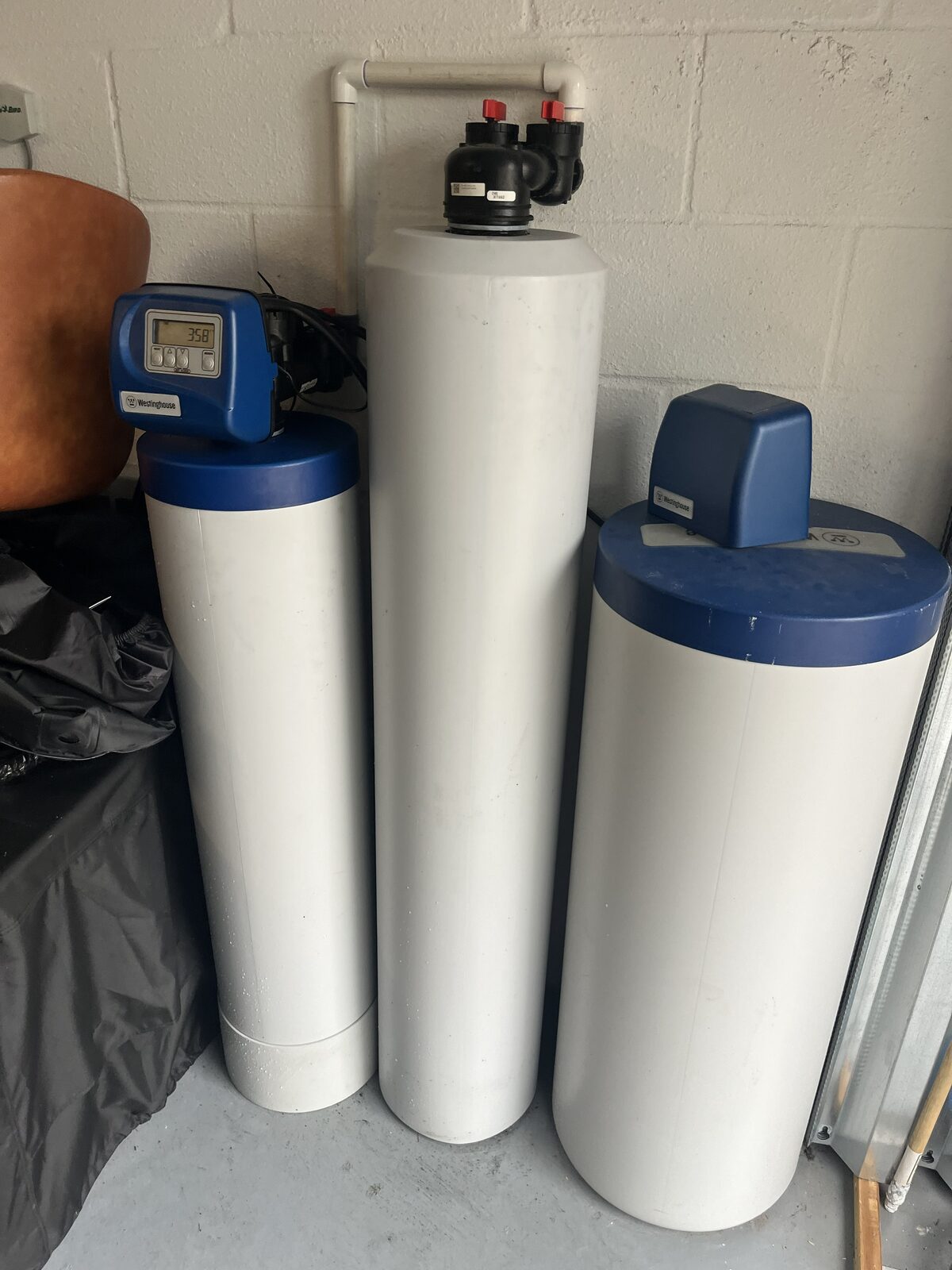
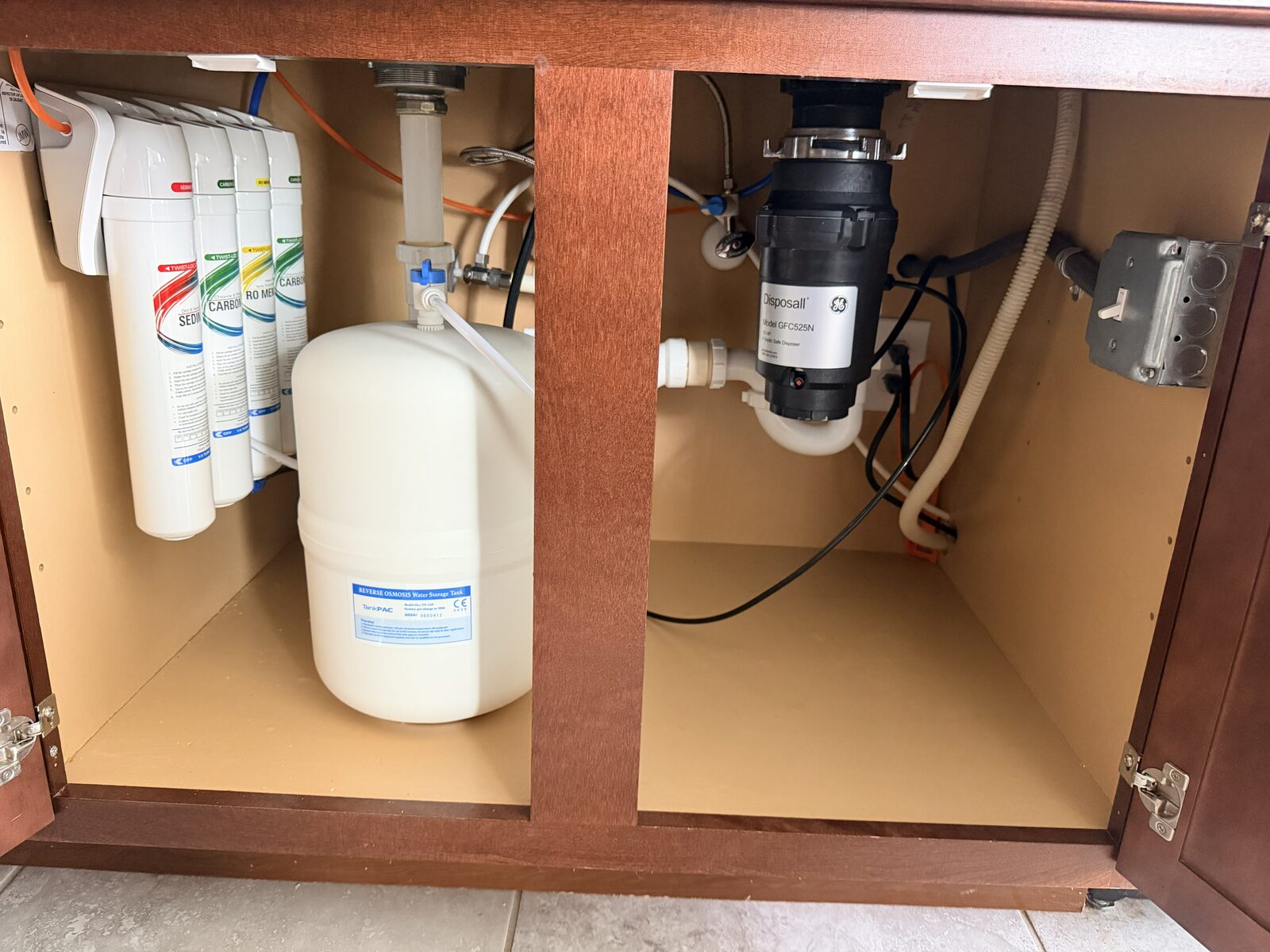
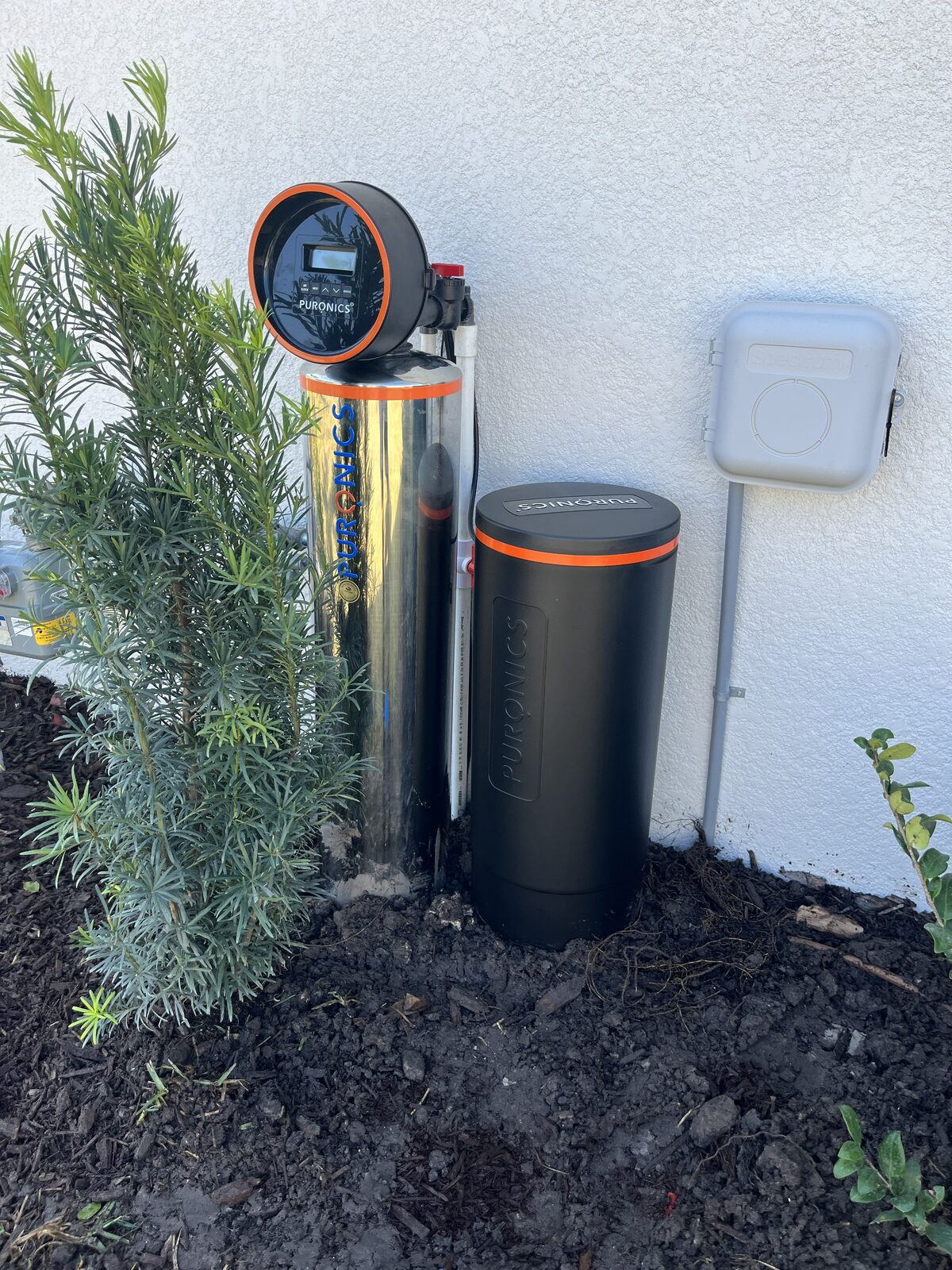
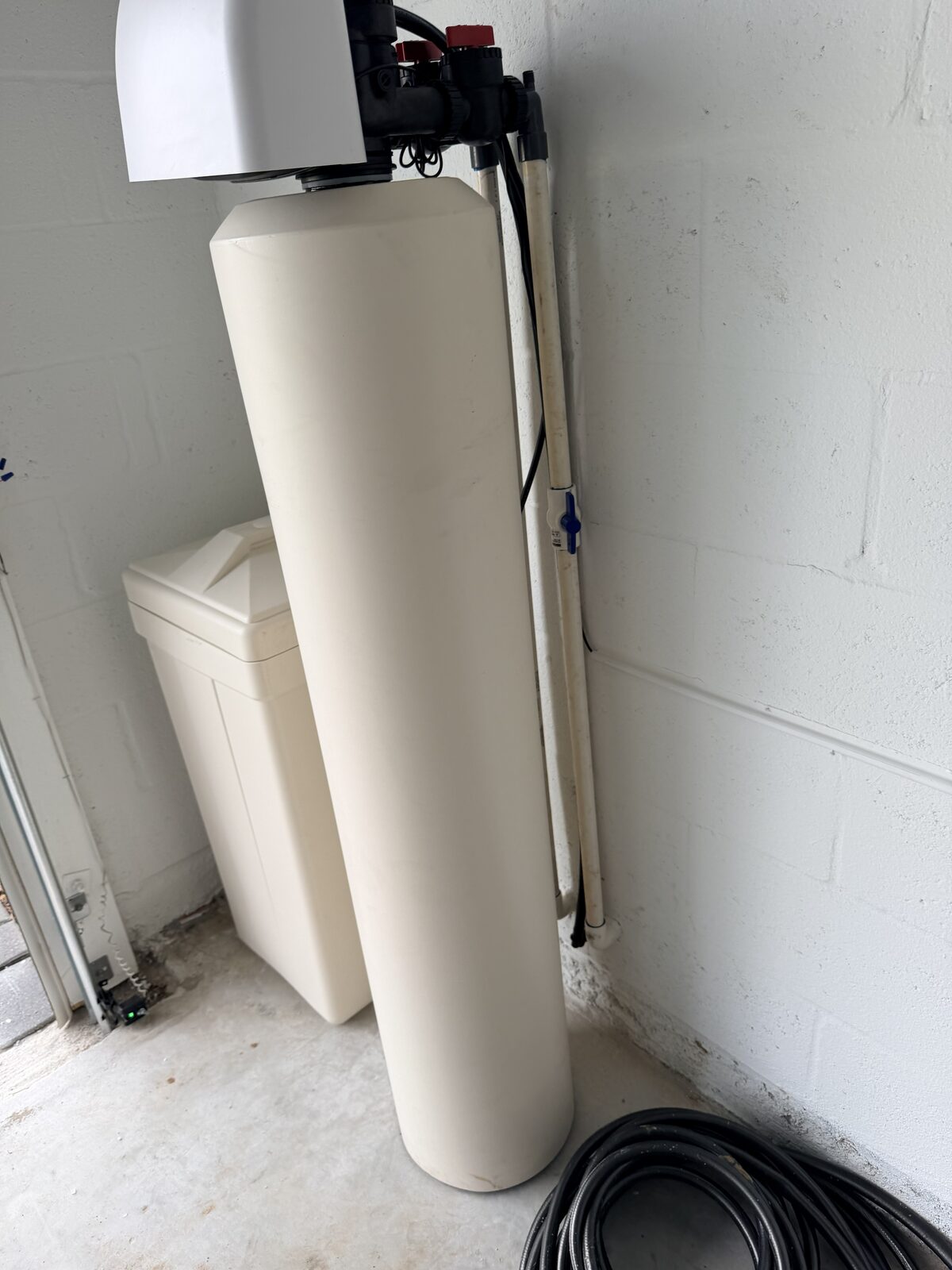
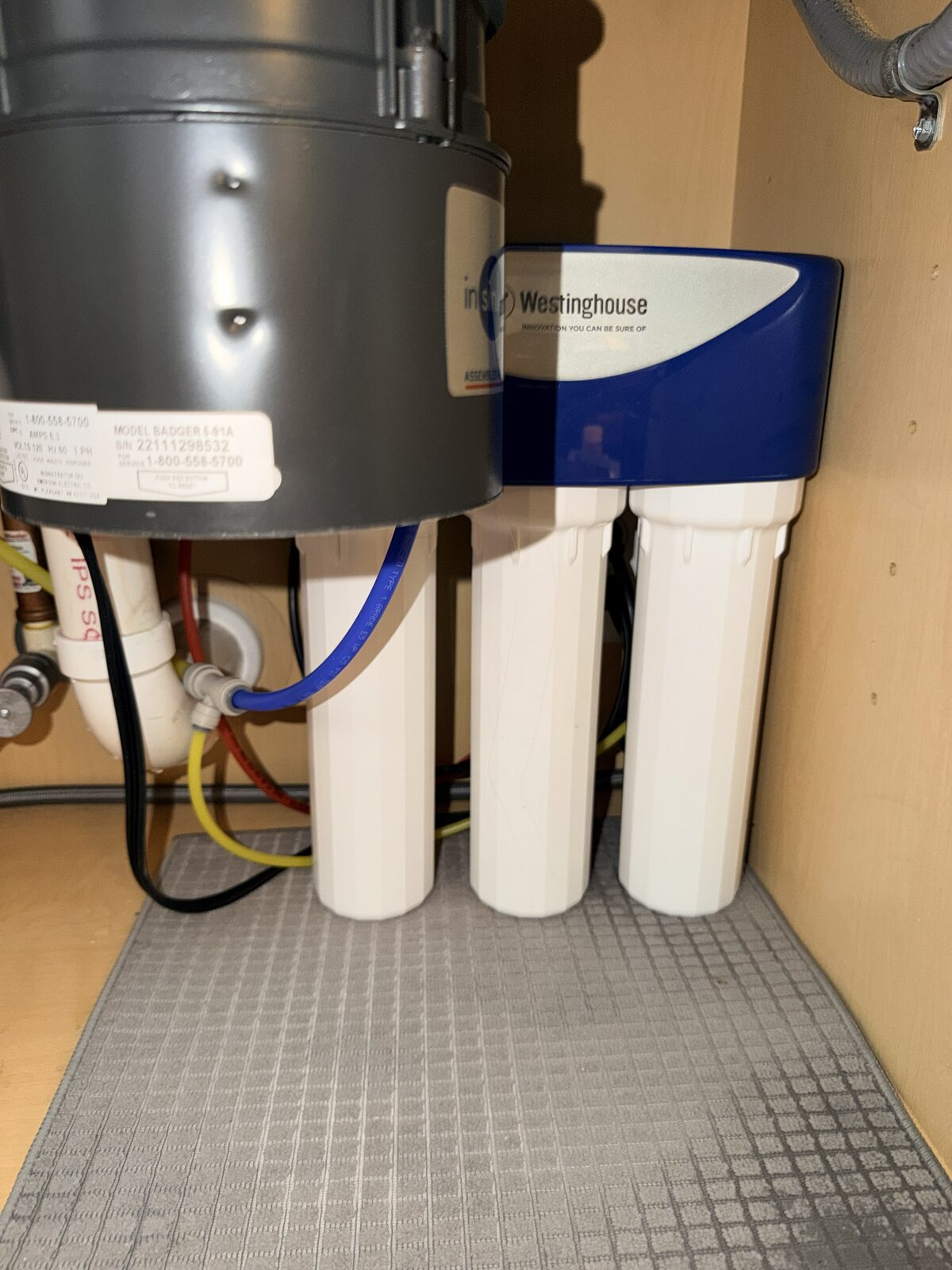
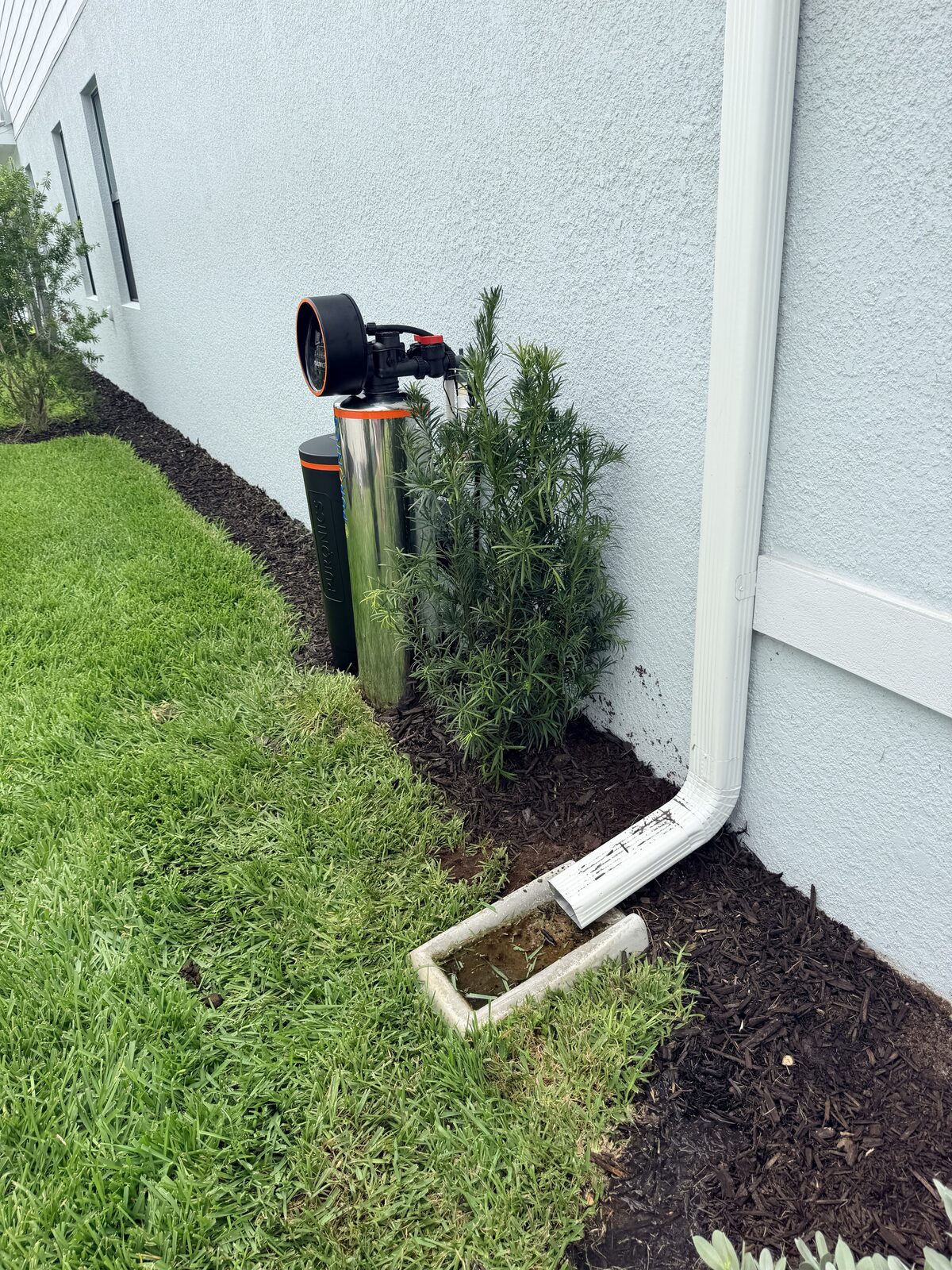
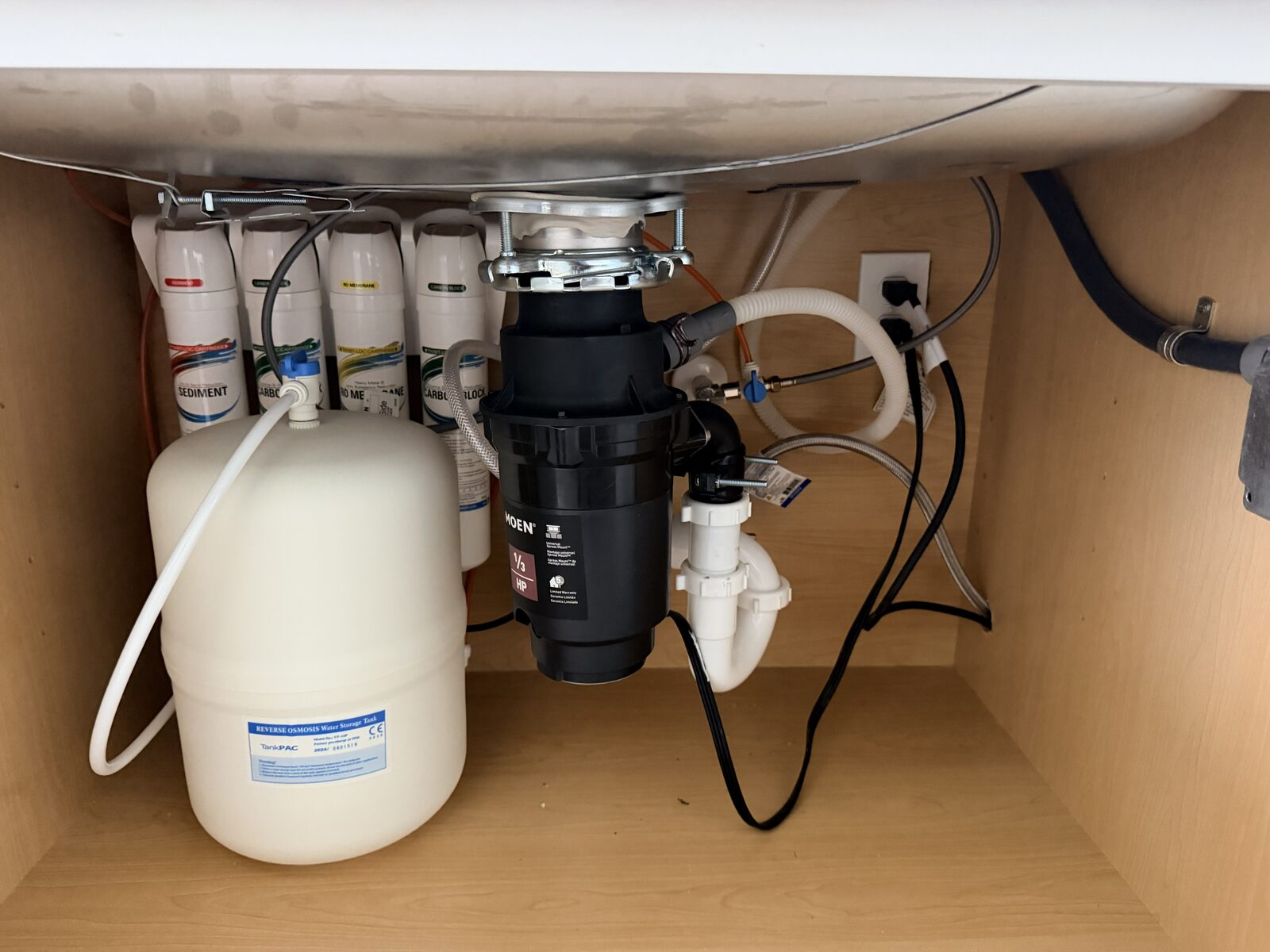
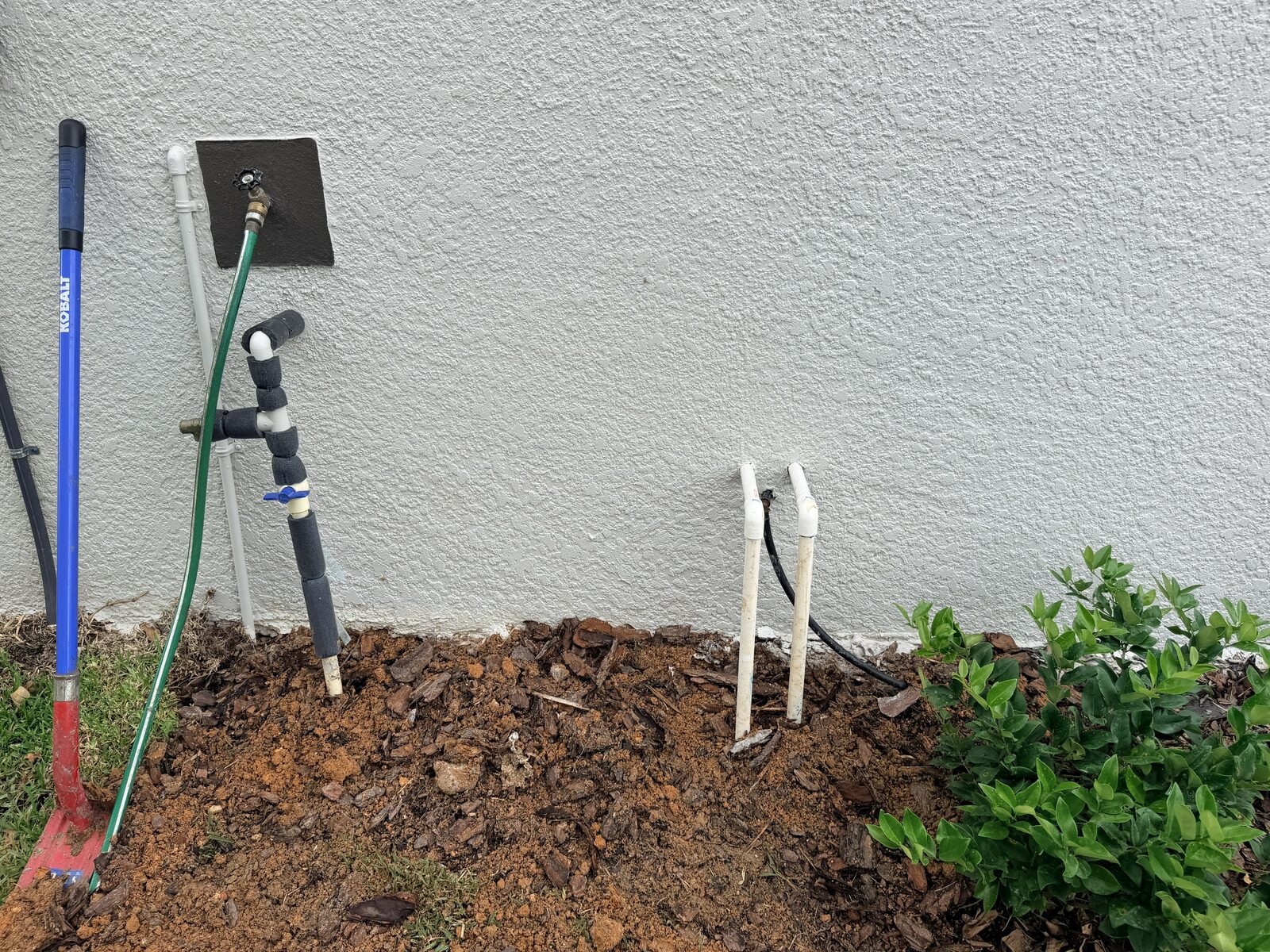
Not sure if it is tannins? Book a free in-home test — color has more than one cause and we confirm which it is.
What tannins are — and why other filters miss them
Tannins are natural organic compounds that leach into groundwater from decaying leaves and vegetation, which is why they show up in wells near wetlands, swamps, and low wooded ground. They give water a yellow or tea-like tint — the water is clear, not cloudy — and can leave a faint tea-colored stain on laundry and fixtures. They are harmless to drink, but most people want them gone. Here is the catch: tannins are dissolved in the water, not suspended, so a sediment filter or a standard carbon filter will not remove them. It takes a filter built for the job.
How a tannin filter works
A tannin filter uses a tannin-selective resin that grabs the organic color molecules through ion exchange, and it regenerates with salt much like a softener. In fact we typically use a combined tannin-and-softening resin, so one system removes both the tea color and the hardness minerals at the same time — two of the trickiest well problems solved in a single tank.
Why sizing matters here
Tannins are one of the more challenging well problems to get right — the level varies, and an undersized or poorly matched system will let color through or foul quickly. That is why we test first and size the resin to your actual tannin and hardness levels, on a name-brand Clack valve so it stays easy to service for years.
Technical specifications
Ideal for
- ✓ Well water with a yellow or tea-colored tint (clear, not cloudy)
- ✓ Tea-colored staining on laundry, sinks, and fixtures
- ✓ Wells near wetlands, swamps, or heavily wooded, low ground
- ✓ Homes that need tannin removal AND softening in one system
Why we build every system on Clack
We build on the name-brand, certified Clack WS1 so you are never trapped — it is easy to service with no proprietary parts. (See our Fleck vs. Clack breakdown.)
As a custom-built system it carries the Clack valve and media manufacturer warranties plus our own labor warranty — on certified, name-brand parts, spelled out in writing at your quote.
Maintenance
Like a softener, it needs salt in the brine tank every few weeks; the resin lasts for years. We keep it on a simple service schedule so your water stays clear.
Related well systems
Tell us what you are noticing and we will point you to the right starting system.
What your neighbors say
4.7★ from 212 Google reviews.
“I cannot say enough amazing things about this company and system! We had three companies come out and Hydrology stood out on every level.”
“We’ve had our system now a month and absolutely love it. My wife is a hair beautician with over 30 years of experience and definitely can tell the difference with the water.”
“Wow, I can definitely feel a difference in my hair, skin, and when I wash my hands. I knew getting a water softener was a priority and I’m so glad I decided to go with Hydrology.”
Every review is on our Google profile — read all of them there. We don’t cherry-pick; we just answer the phone.
Straight answers
Common questions.
What people ask before they book.
More water answers →
What hard water does to a home: the Battelle study →
Are tannins harmful?
No — tannins are harmless organic compounds, the same family that colors tea. The issue is aesthetic: the yellow tint and staining. Most people simply prefer clear water, and a tannin filter delivers it.
Why will not my carbon or sediment filter remove the color?
Because tannins are dissolved in the water, not suspended as particles. Sediment and standard carbon filters catch particles; tannins slip right through. It takes a tannin-selective resin to remove them.
Does a tannin filter soften my water too?
Usually yes — we typically use a combined tannin-and-softening resin, so one system removes the color and the hardness together.
Does it use salt?
Yes, it regenerates with salt like a softener. You add salt to the brine tank every few weeks and the system handles the rest.
What is the warranty?
Clack valve and media manufacturer warranties plus our own labor warranty, in writing. Our factory Puronics systems carry a lifetime manufacturer-defect warranty; we will tell you which applies.