Water answers · Filters & water pressure
Does a whole-house filter
lower water pressure?
A filter sized to your home’s peak flow shouldn’t cause a drop you can feel. When pressure does fall, it’s usually one of four things, and a two-minute bypass test tells you whether the filter is the cause.
By Brad Germain, owner of Hydrology Water Solutions · Updated September 2026
4.7★ from 212 Google reviews · WQA Gold Seal Puronics dealer · Our own techs, no subcontractors
Request your free water test
★★★★★ 4.7 — a few details and we reach out, usually same day.
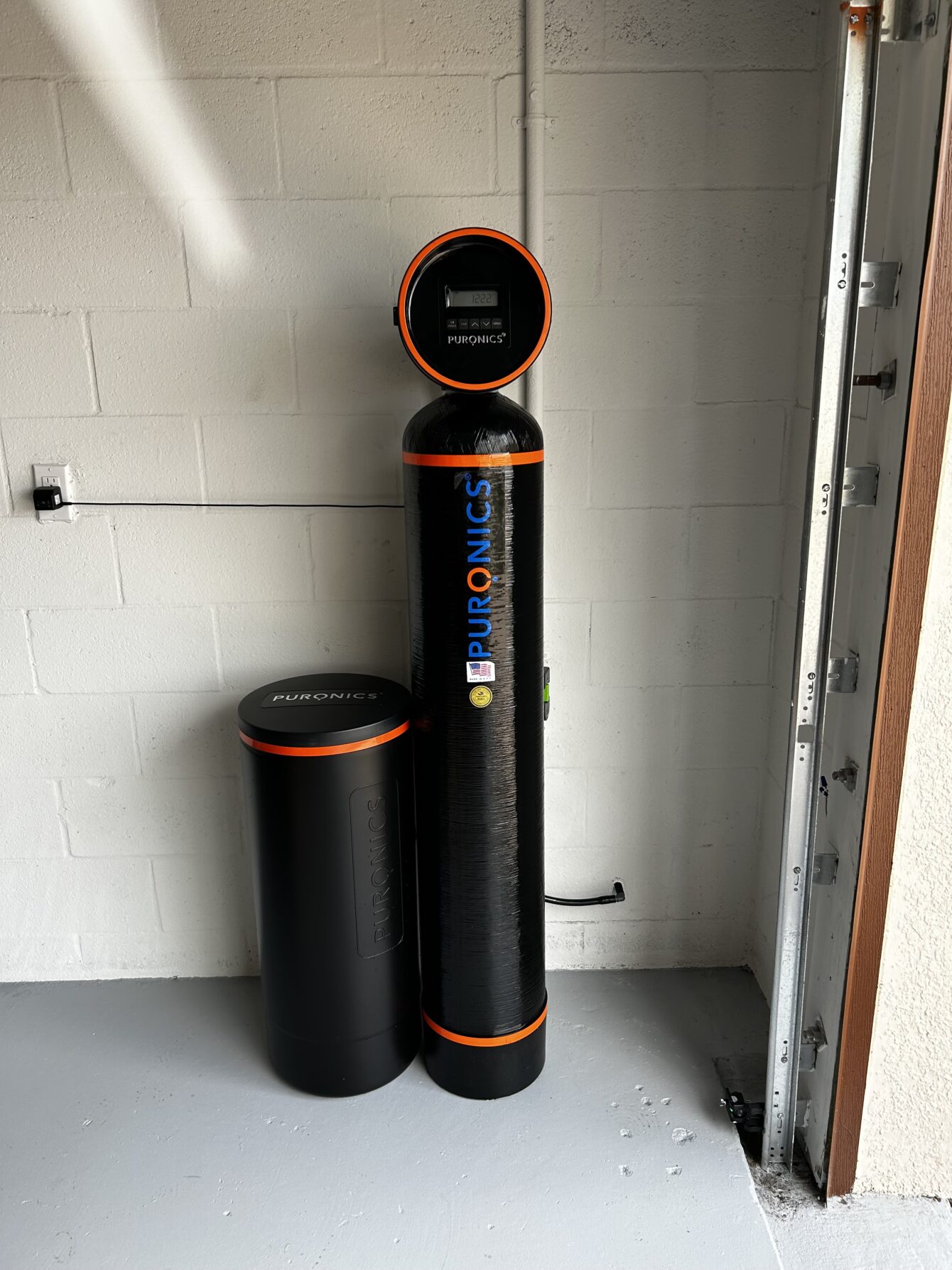
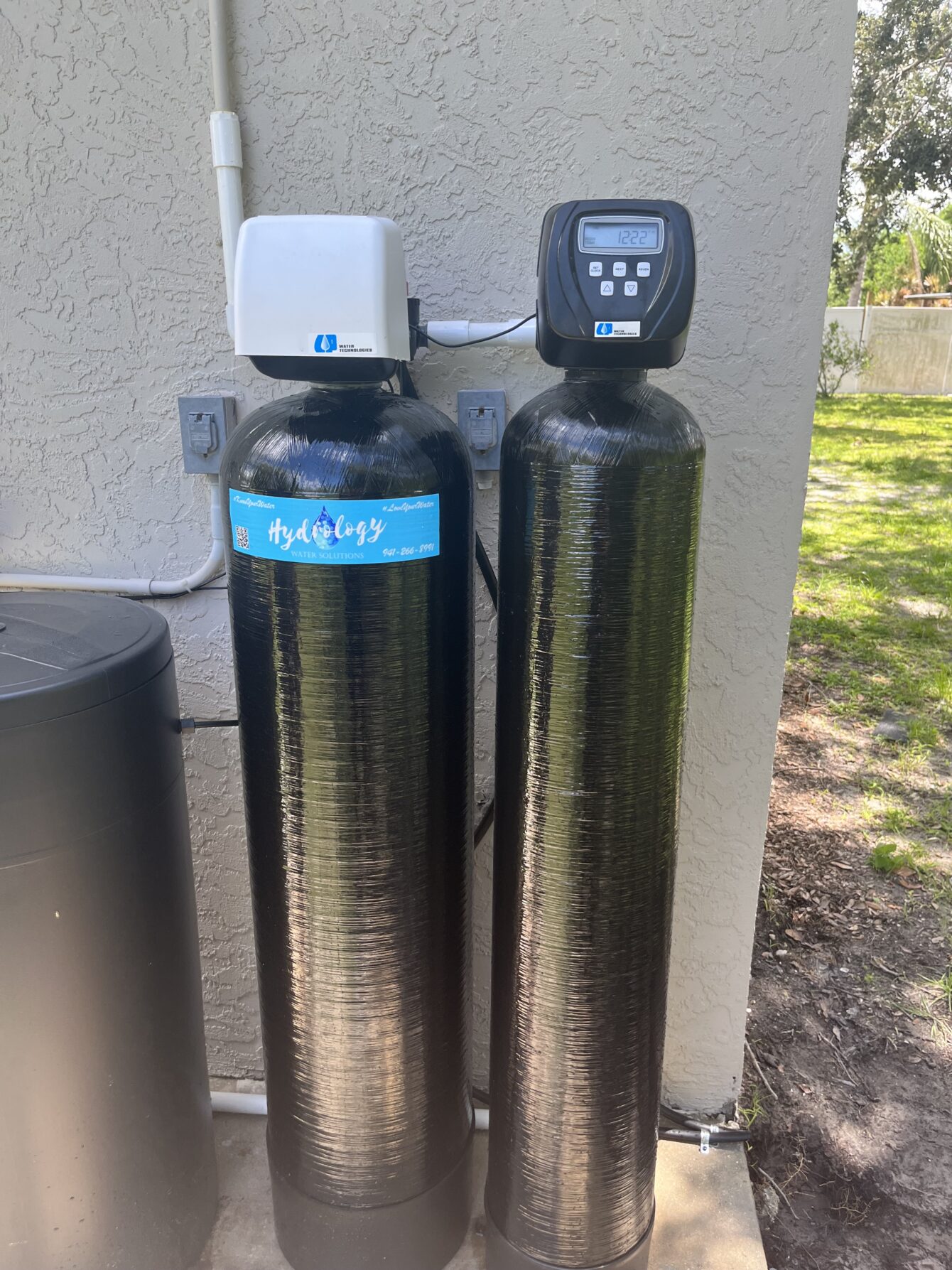
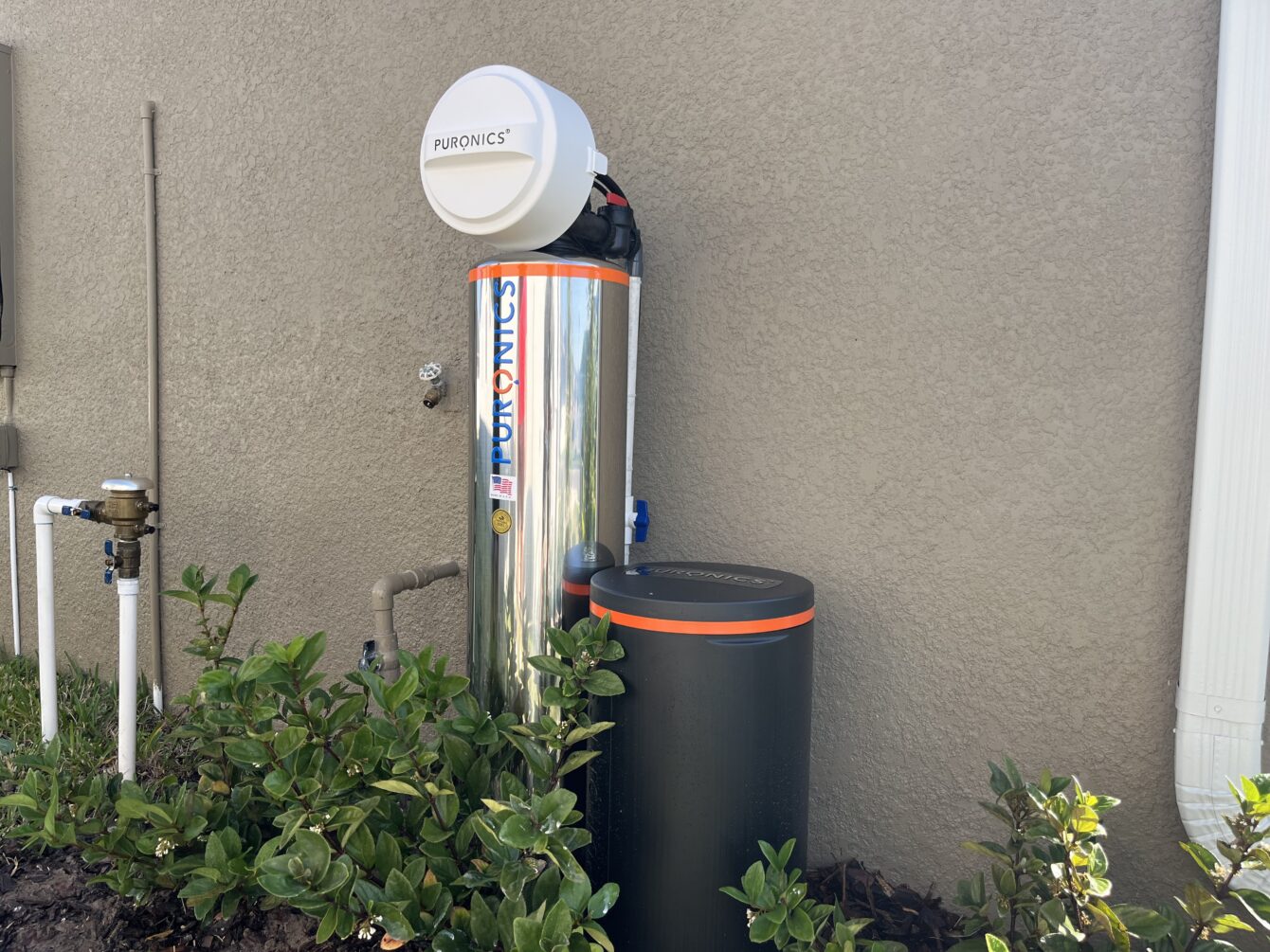
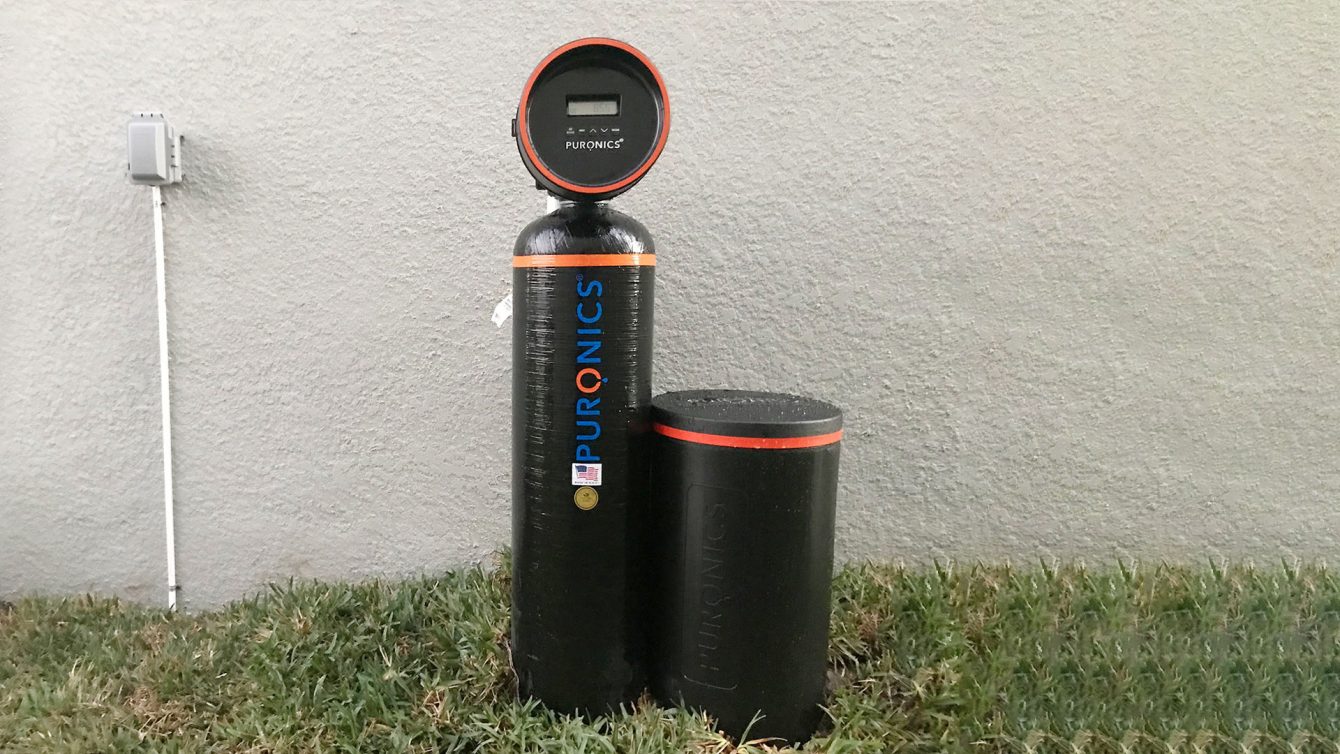
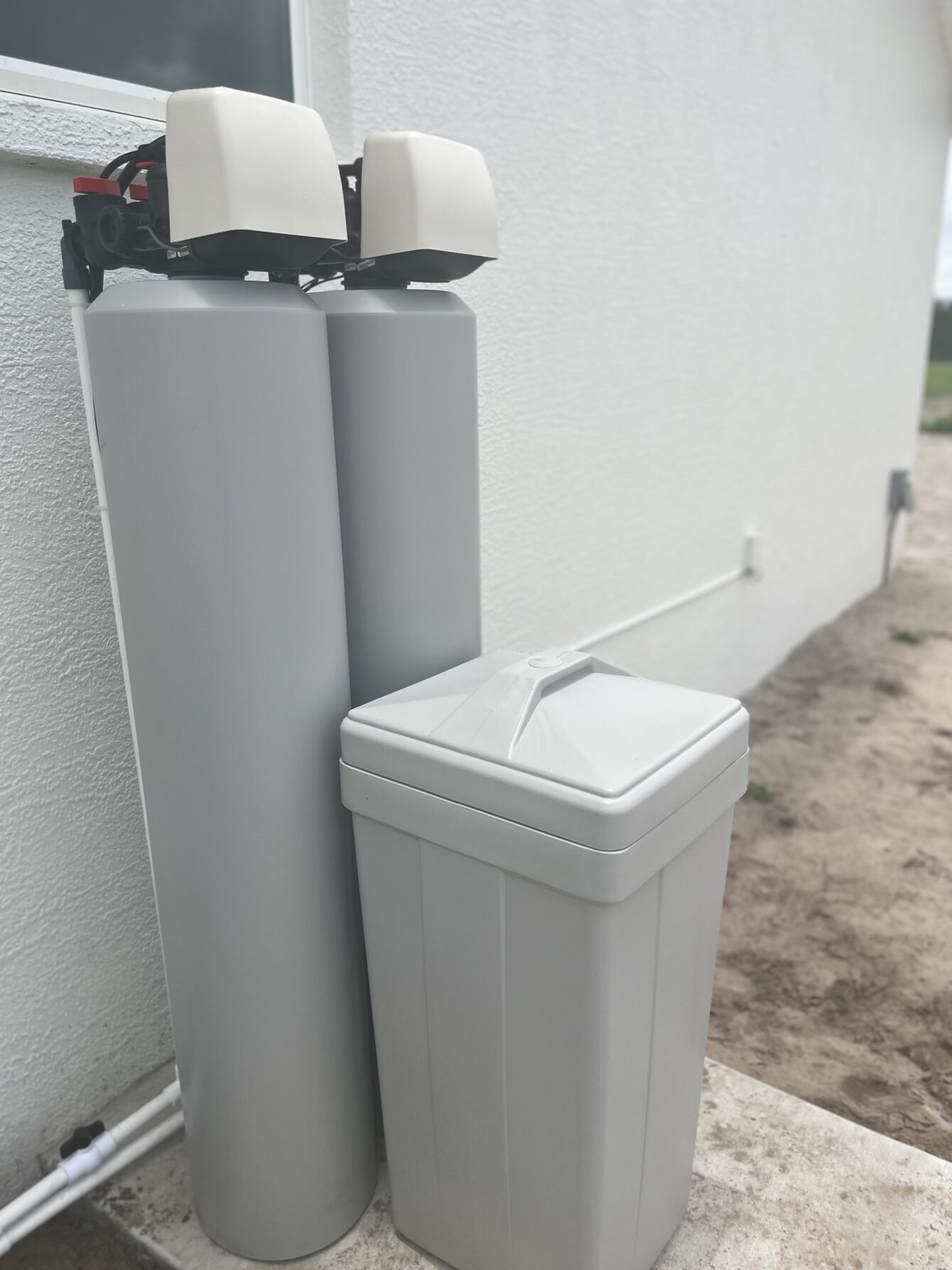
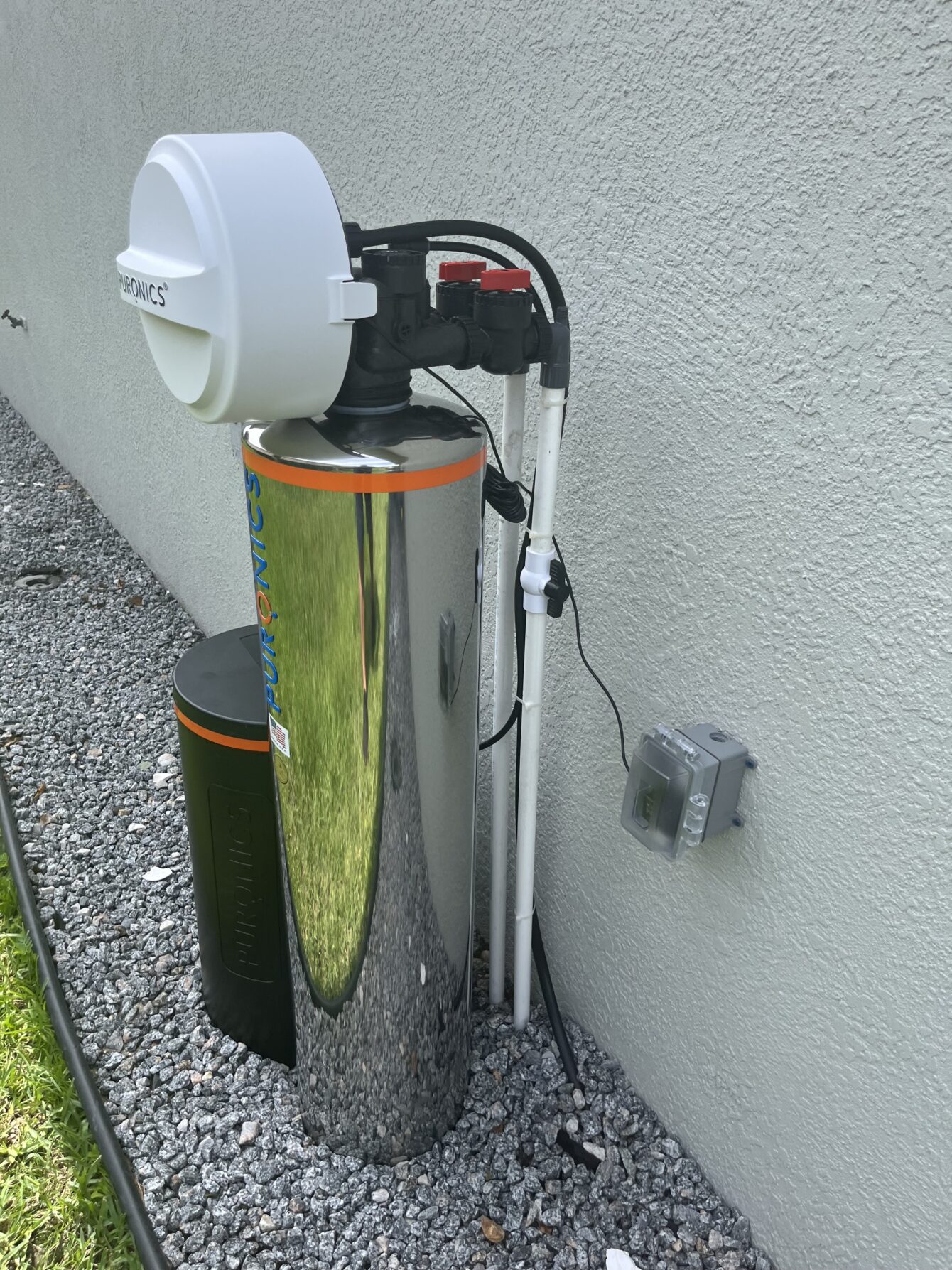
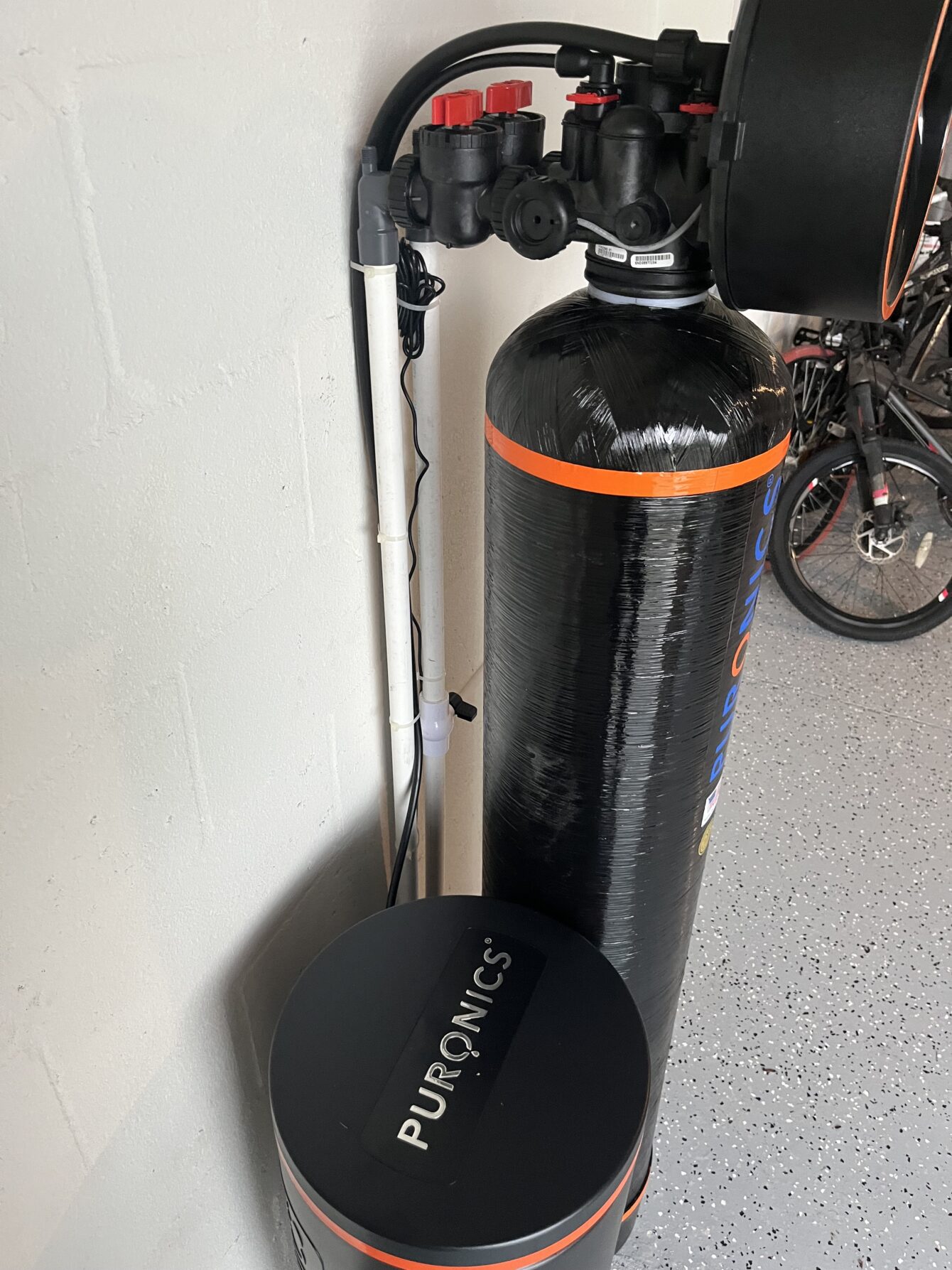
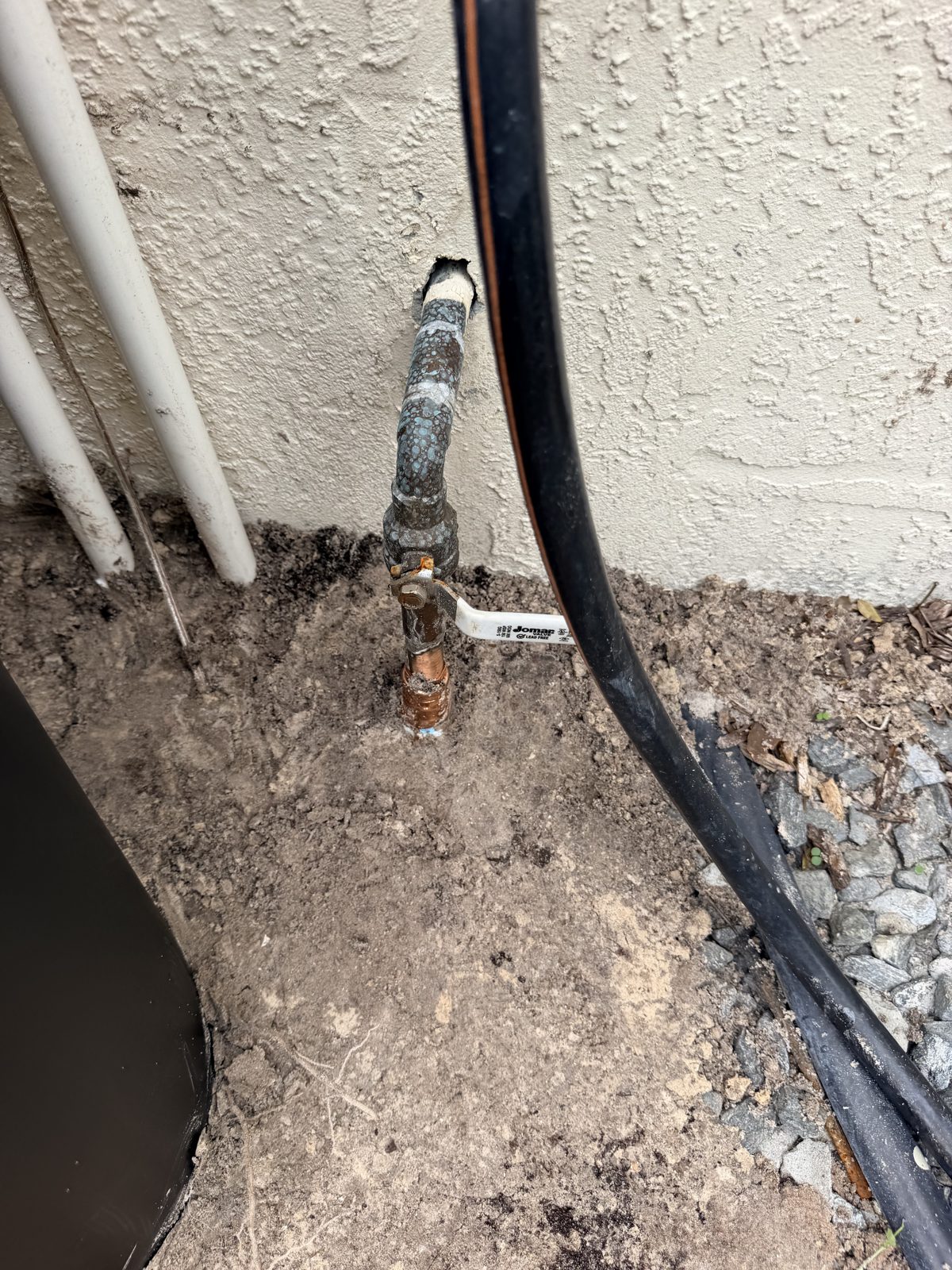
Our install · main-line tie-in, Lakewood Ranch
The short version
A whole-house filter that’s sized to your home’s peak water use shouldn’t cause a pressure drop you can feel. When pressure does drop, it’s usually one of four things: the system is too small for the house, a cartridge filter is clogging, a media tank isn’t being maintained, or the problem isn’t the filter at all. One test settles it: put the system in bypass and see whether the pressure comes back.
Why a filter can lower pressure
Every filter adds some resistance, because water has to pass through media on its way to the tap. The question is whether the system is big enough that the resistance stays small when the house is using the most water at once: a shower running, the washing machine filling and someone at the kitchen sink.
- Undersized system. A small tank, or a small valve and plumbing connection, can’t pass enough water at peak demand. You notice it when two things run at once.
- Clogging cartridges. Cartridge filters catch sediment and fill up. Pressure falls gradually until the cartridge is changed. On well water with sediment, it can happen quickly.
- Media that’s packed down or past its life. Tank systems need the right service for their design: some backwash on a schedule, and some are replaced after a set number of gallons or years.
- Not the filter. A failing pressure regulator, a partly closed valve, a clogged faucet aerator or showerhead, or on a well, the pump and pressure tank.
How sizing works
A system is sized to peak flow, the gallons per minute your home uses when several fixtures run together. Under federal limits a new showerhead flows at most 2.5 gallons per minute and a kitchen faucet at most 2.2. Two showers, a kitchen faucet and a washing machine running together can need 8 to 10 gallons per minute or more. Larger homes with more bathrooms need more.
A tank system sized to that flow, with a valve and plumbing to match, passes it without a noticeable drop. A single small cartridge housing often can’t.
Check it yourself: the bypass test
- Open a tub faucet or an outside hose bib all the way and notice the flow. A screw-on pressure gauge from a hardware store gives you a number.
- Put the filter or softener in bypass. Most systems have a bypass valve or handles on the valve head.
- Run the same faucet again. If the pressure clearly comes back in bypass, the system is restricting flow. If it doesn’t change, look elsewhere.
- Take it out of bypass when you’re done, so treated water goes back to the house.
If only one faucet or shower is weak, it’s almost always that fixture’s aerator or showerhead. Scale from hard water clogs them, and so does debris after plumbing work. In the Battelle study for the Water Quality Research Foundation, low-flow showerheads on very hard water lost 75% of their flow in under 18 months of equivalent use. What the study found.
What we do about it
We size to the house: bathrooms, people and the fixtures that run together, and on wells, what the pump delivers. On city water around Bradenton, a whole-house system is usually carbon for chlorine or chloramine plus a softener for hardness, sized as one system. If an existing system is restricting flow, the fix may be a change of cartridge, a service visit or a correctly sized tank. We service systems of any brand.
Questions about your own pressure are welcome. We enjoy curious clients, because we enjoy educating and answering questions.
Common questions
Filters and
water pressure.
What to check before you blame the filter, and what to do if it is the filter.
More water answers →
What hard water does to a home: the Battelle study →
Does a whole-house water filter lower water pressure?
A system sized to your home’s peak flow shouldn’t cause a pressure drop you can feel. Undersized systems, clogging cartridges and media past its life are the usual causes when it does.
How do I know if my filter is causing low water pressure?
Run a faucet, then put the filter in bypass and run it again. If the pressure comes back in bypass, the system is restricting flow. If nothing changes, the cause is elsewhere.
Why did my water pressure drop after a new filter was installed?
The system may be too small for the house, or the valve and plumbing connections may be smaller than the home’s lines. A new cartridge that’s too fine for sediment-heavy water can also restrict flow quickly.
How often should whole-house filter cartridges be changed?
It depends on the cartridge and the water. Follow the manufacturer’s rating, and change it sooner if pressure drops, since a falling pressure is a sign the cartridge is loading up.
What size whole-house filter do I need?
One sized to your peak flow, the gallons per minute used when several fixtures run together. Two showers, a kitchen faucet and a washer can need 8 to 10 gallons per minute or more.
Can a water softener lower water pressure?
A correctly sized softener shouldn’t noticeably. The same bypass test tells you whether it’s the cause.
Low pressure since a filter went in?
We’ll check the system, test your water and tell you what’s restricting it. Any brand. Book online or call 941-266-8991.
Related answers
Sources: Water Quality Research Foundation, Softened Water Benefits Study (Battelle Memorial Institute, 2009); U.S. Energy Policy Act and DOE plumbing product flow limits (showerheads 2.5 gpm, kitchen faucets 2.2 gpm); EPA WaterSense product specifications.