Bradenton · Drinking Water
Reverse Osmosis Systems
in Bradenton.
Bottle-quality water straight from your kitchen tap — no more cases of plastic bottles. We install and service reverse osmosis systems across Bradenton, sized to your home after a free in-home test.
4.7★ from 212 Google reviews · WQA Gold Seal Puronics dealer · Our own techs, no subcontractors
Request your free water test
★★★★★ 4.7 — a few details and we reach out, usually same day.
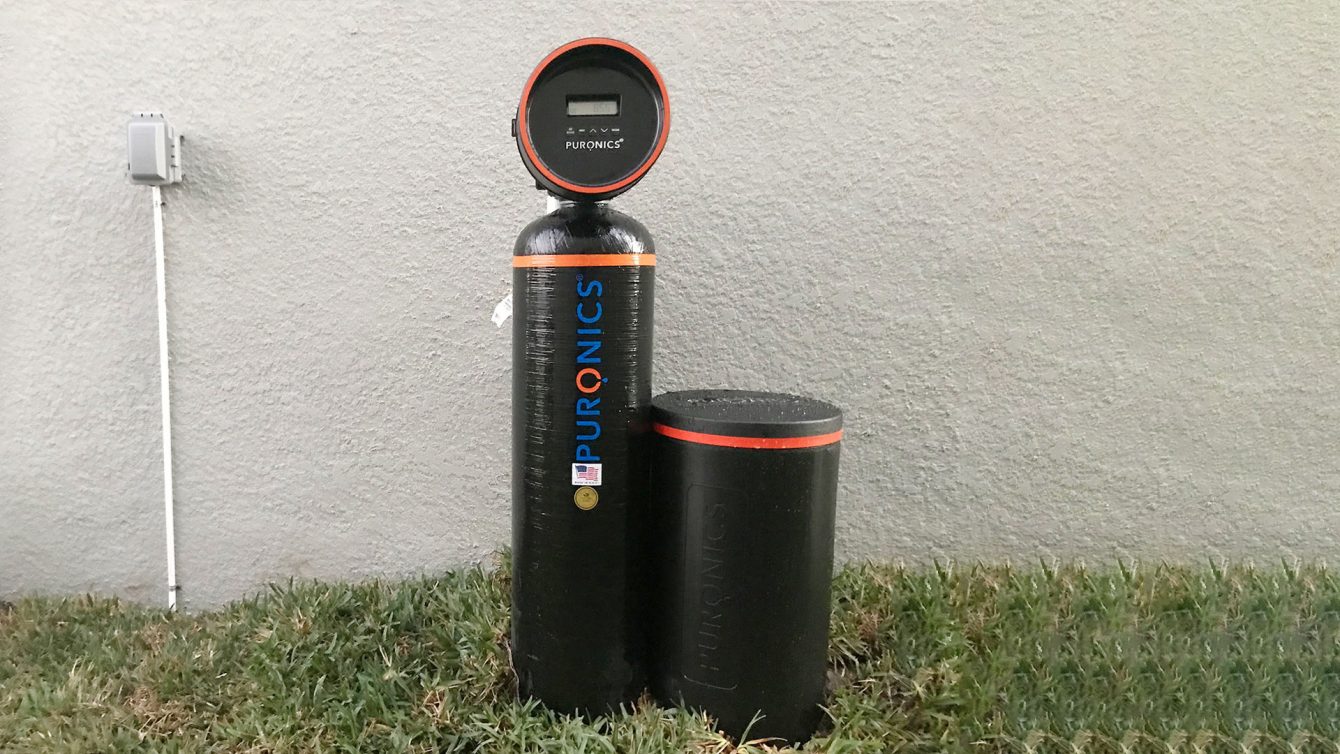
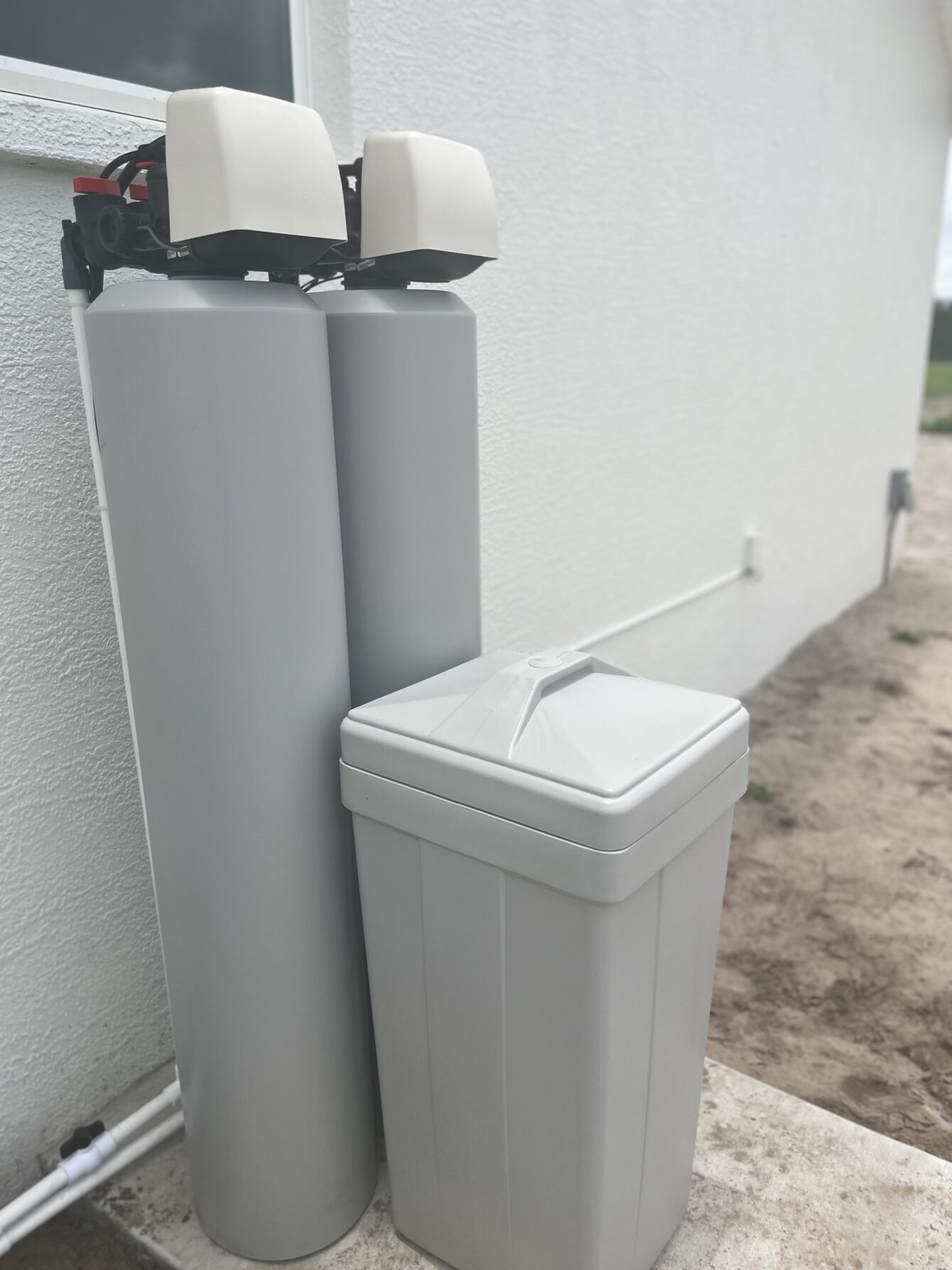
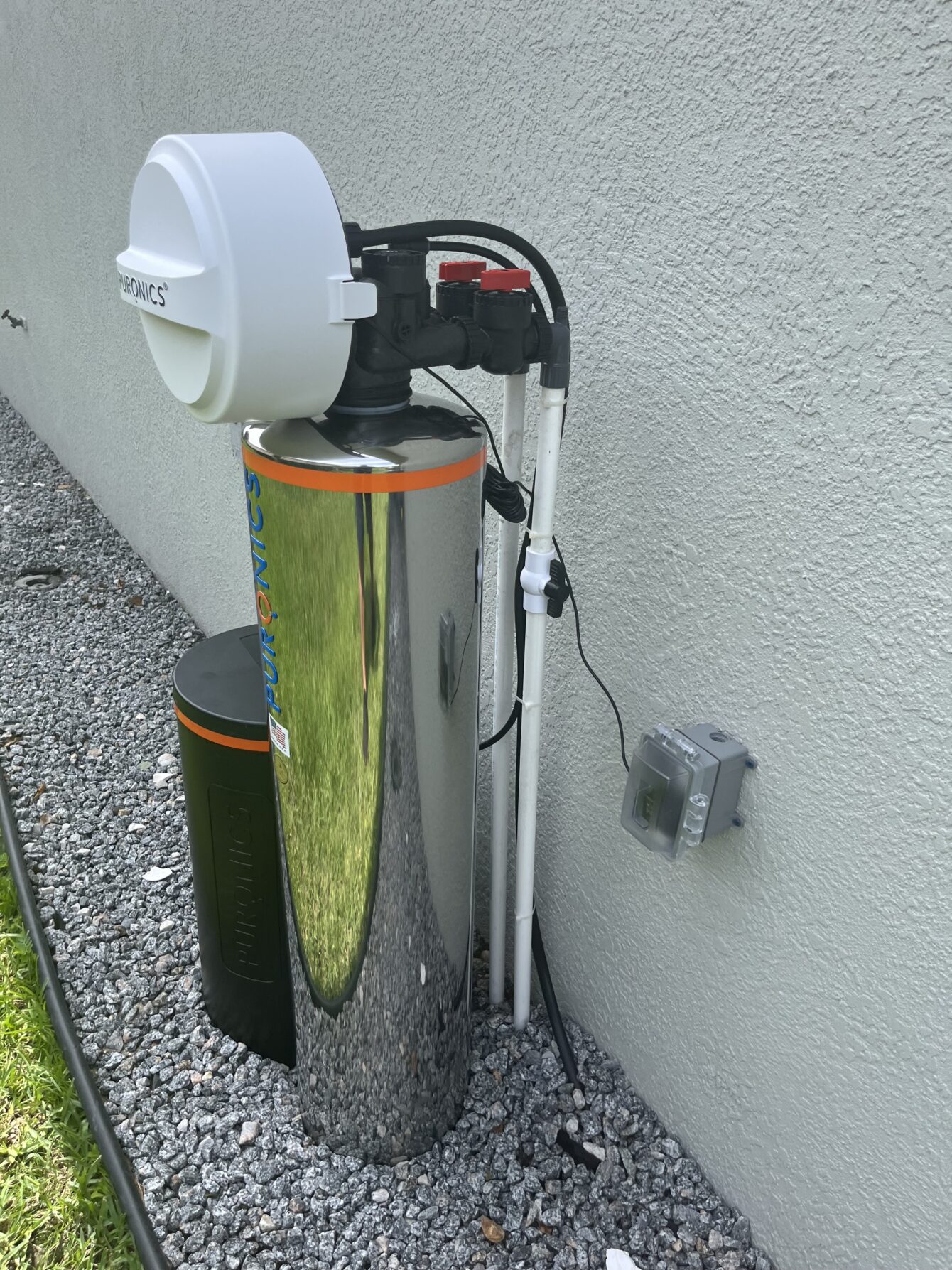
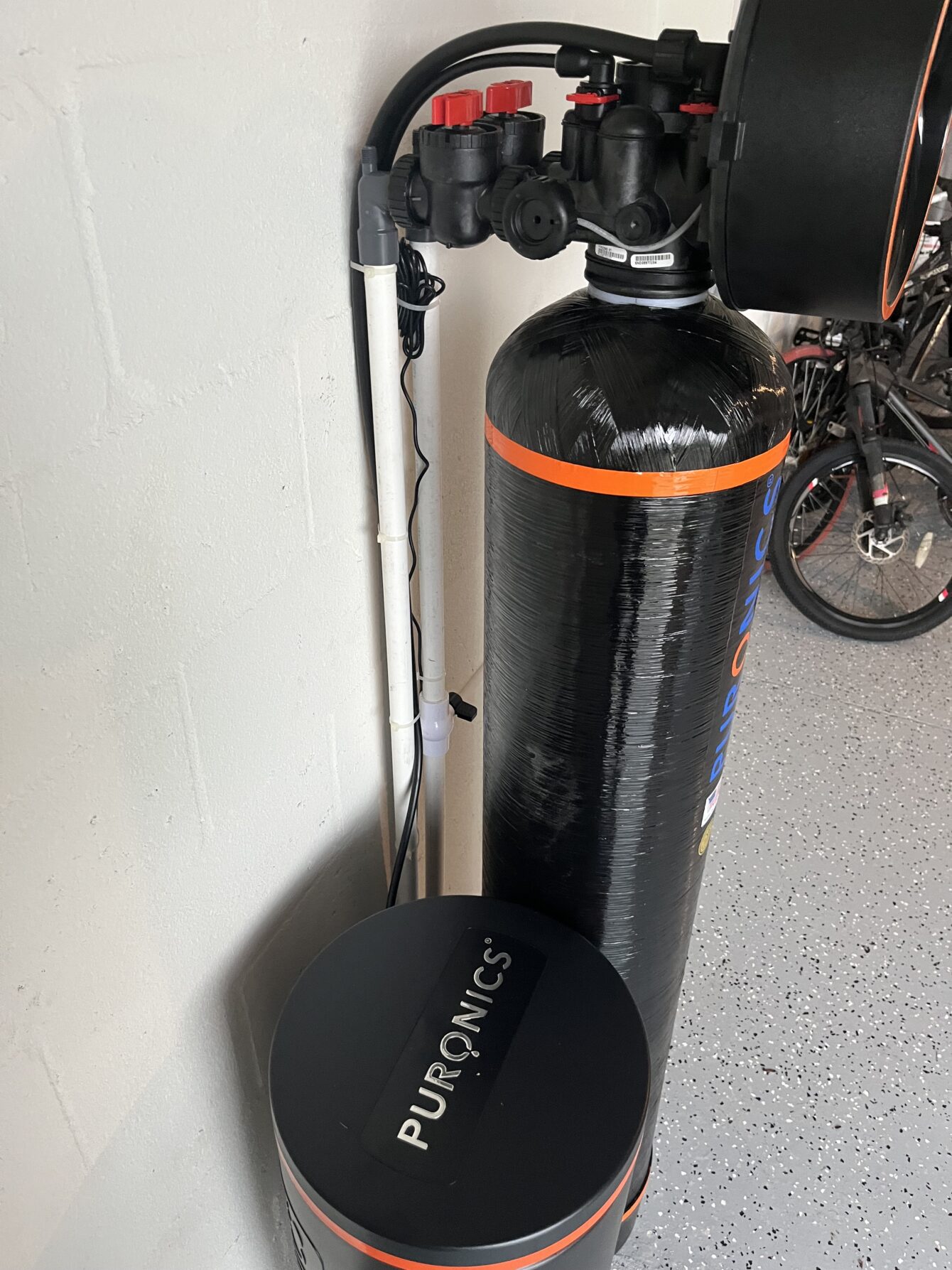
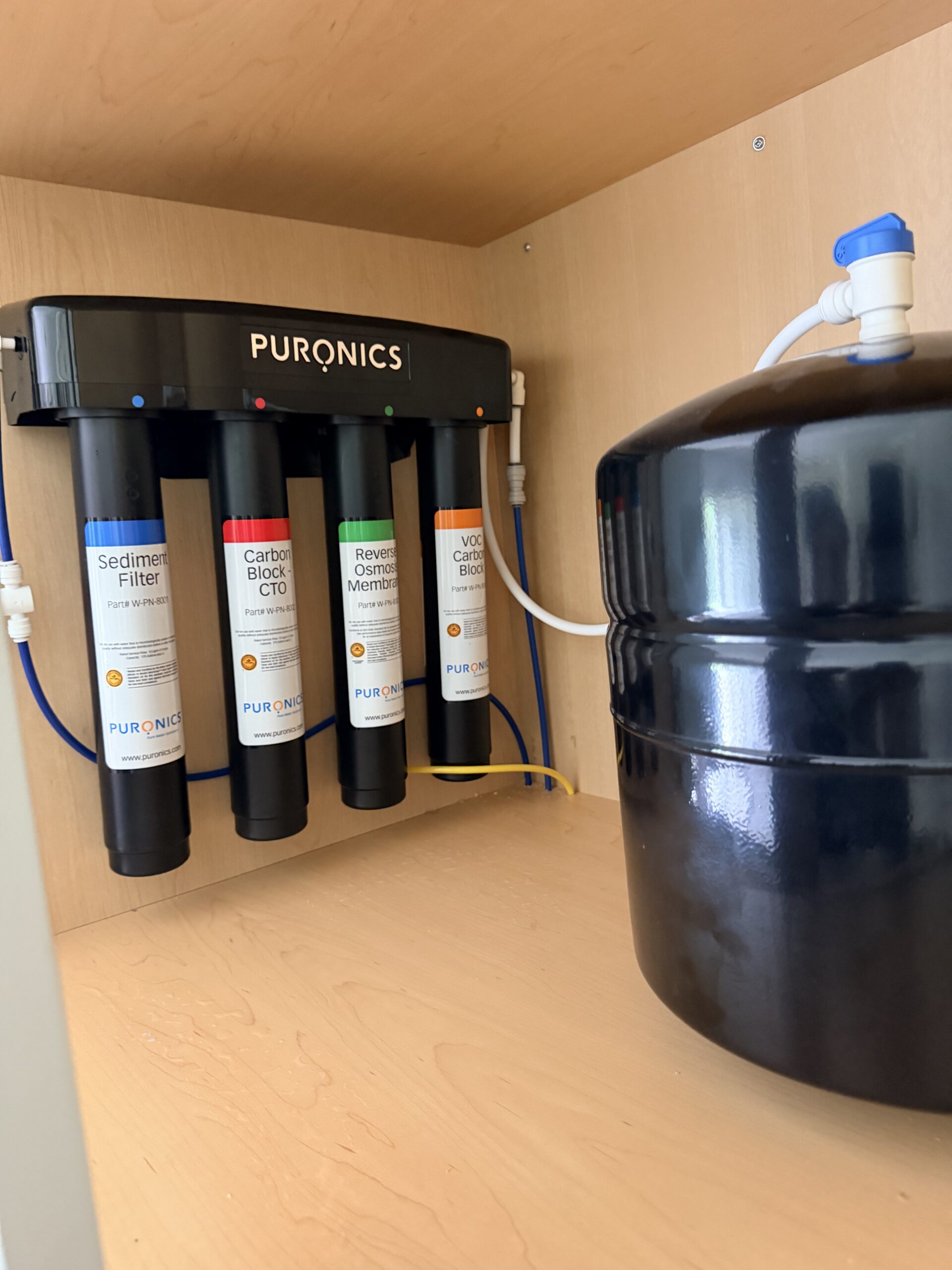
Our install · a real job, not stock
Bradenton water · city or county
Which Bradenton water are you on? It changes the answer.
Bradenton has two water systems. Homes inside city limits get City of Bradenton water, from the city’s own plant. Most homes outside city limits get Manatee County water. They’re different water, and the reason people put in reverse osmosis is different for each.
City of Bradenton water
- Source: Bill Evers Reservoir, blended with water stored in underground wells
- Total dissolved solids: 550 mg/L in the city’s 2025 report — above the EPA’s 500 guideline for taste
- Sulfate: 288 mg/L — above the EPA’s 250 guideline, and the usual cause of a bitter or salty taste
- Sodium: 80.9 mg/L
- Disinfectant: chlorine and chloramines, up to 3.41 ppm on average
- Hardness: not published — we measure it at your tap
Manatee County water
- Source: Lake Manatee Reservoir, blended with groundwater
- Total dissolved solids: 110–280 mg/L
- Hardness: 106–279 mg/L — up to about 16 grains per gallon
- Sodium: about 15 mg/L
- Disinfectant: chloramine, 3.3 ppm average
- PFAS: none of 29 compounds detected in the county’s 2024 testing
Not sure which one you have? Look at your water bill — it will say City of Bradenton or Manatee County Utilities. Either way, the free test tells us what’s actually coming out of your faucet.
On city water, the case for reverse osmosis is mostly the dissolved solids: RO is the one household system that takes TDS, sulfate and sodium down, and that’s the taste people notice. On county water it’s usually chloramine taste and peace of mind about what a city report can’t promise at your particular tap — and a softener for the rest of the house.
What we install
Three reverse osmosis systems, side by side
| Micromax 7000 | Micromax 8500 | Tankless RO | |
|---|---|---|---|
| Best for | Most homes — the everyday RO, city water or well | When PFAS or other contaminants are the reason you’re buying | Heavy use, refrigerator lines and tight cabinets — a built-in pump keeps the pressure steady |
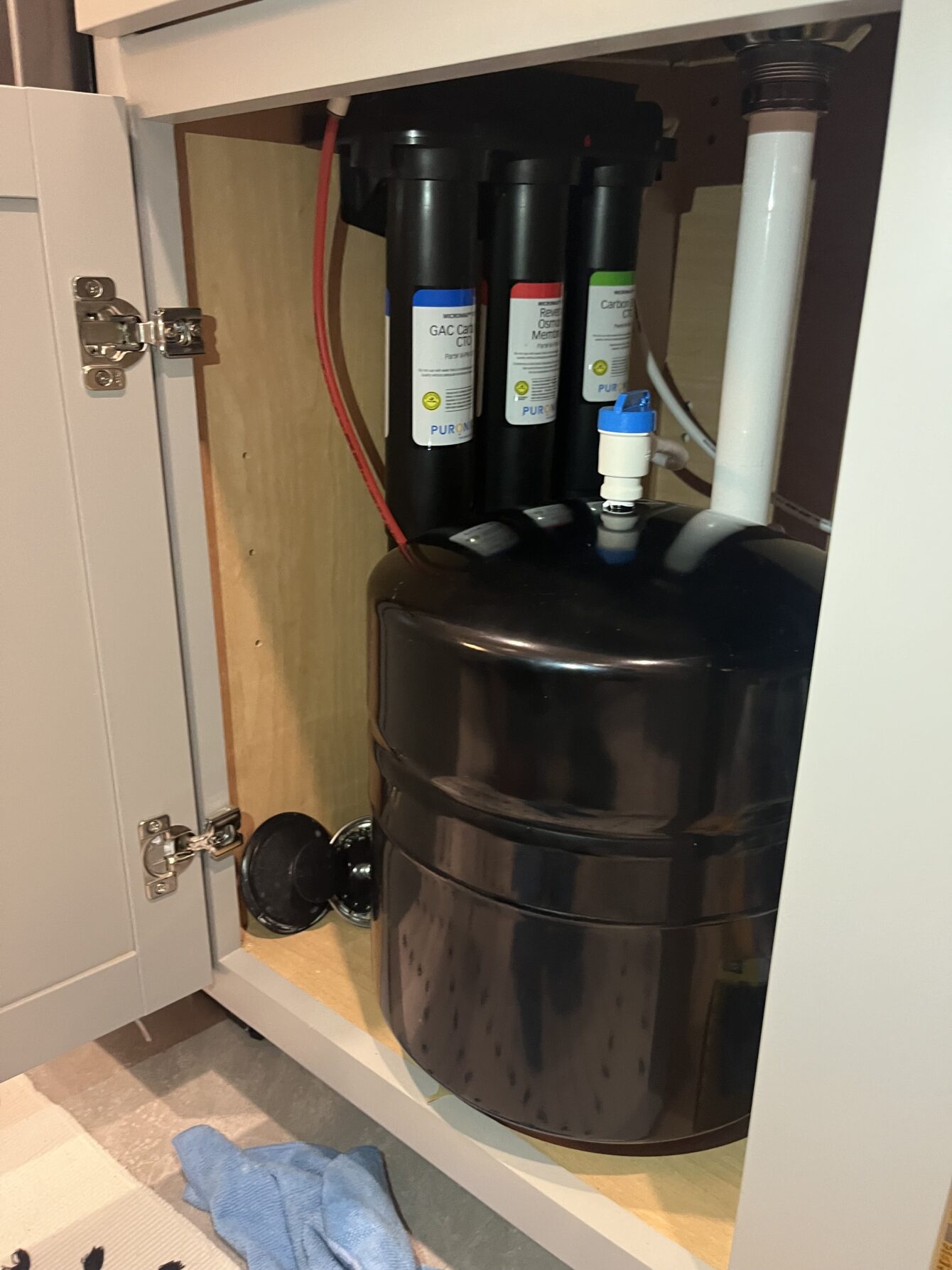
| Storage | Small tank under the sink | Small tank under the sink | No tank — makes water on demand; needs an outlet under the sink |
| Certified for | NSF/ANSI 58 (lead, arsenic, nitrate, cysts and more) and NSF/ANSI 42 (chlorine taste and odor) | NSF/ANSI 53 for PFOA/PFOS and VOCs, NSF/ANSI 58, NSF/ANSI 401 and NSF/ANSI 42 | Ask us for the certification sheet for the model we quote |
| Add-ons | Alkaline filter for taste | Alkaline filter for taste | Leak detector behind the unit |
All three connect to their own faucet at the sink. If you want RO at the refrigerator, tankless is usually the better choice: a tank system’s pressure drops as the tank empties, and on a long line to the fridge that shows up as a slow dispenser. We’ll show you all three at the free test and let your water and your cabinet decide.
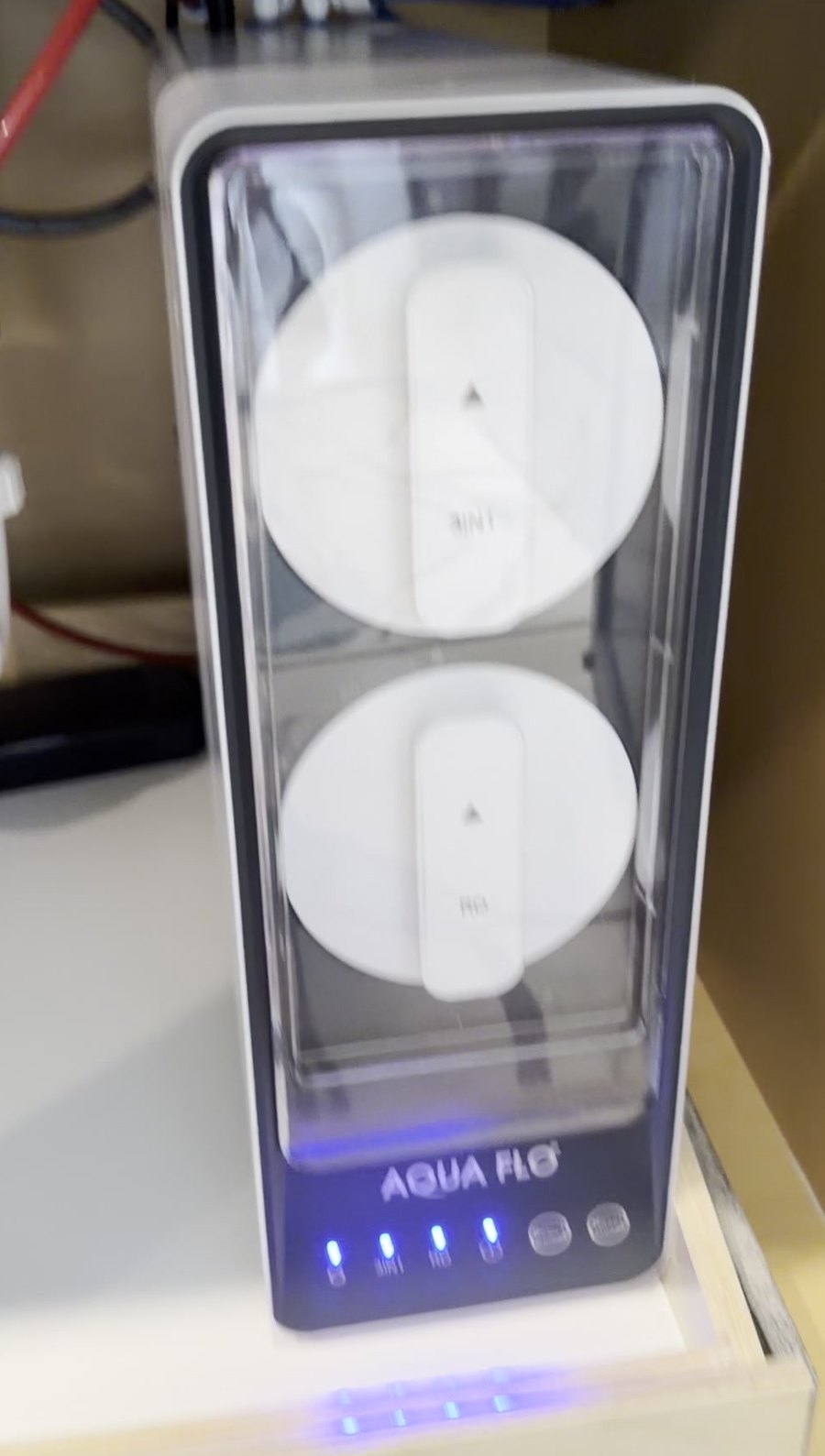
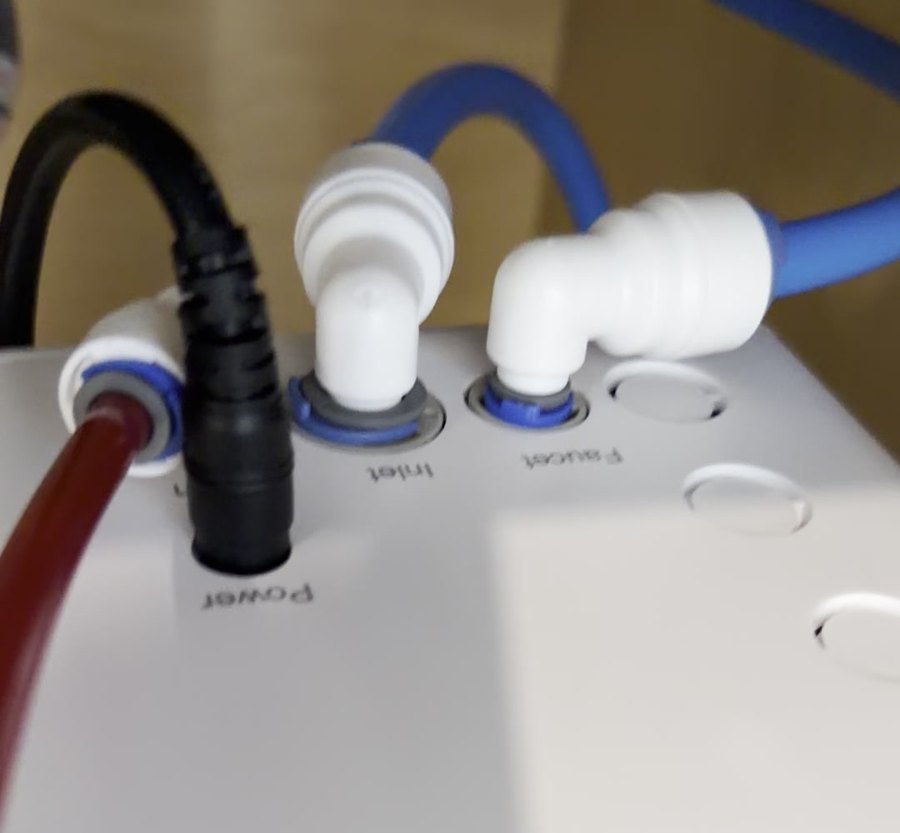
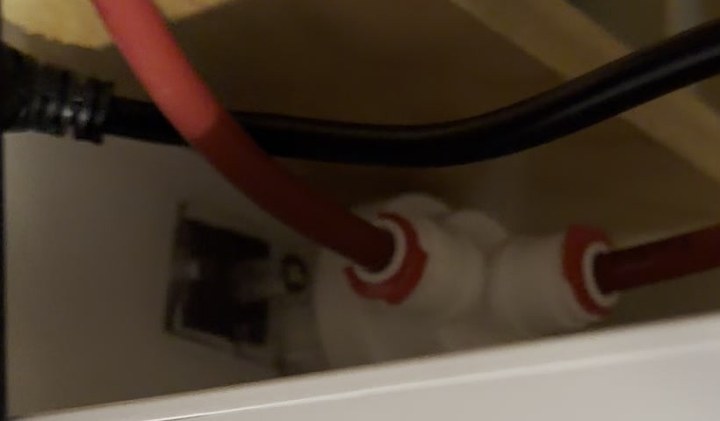
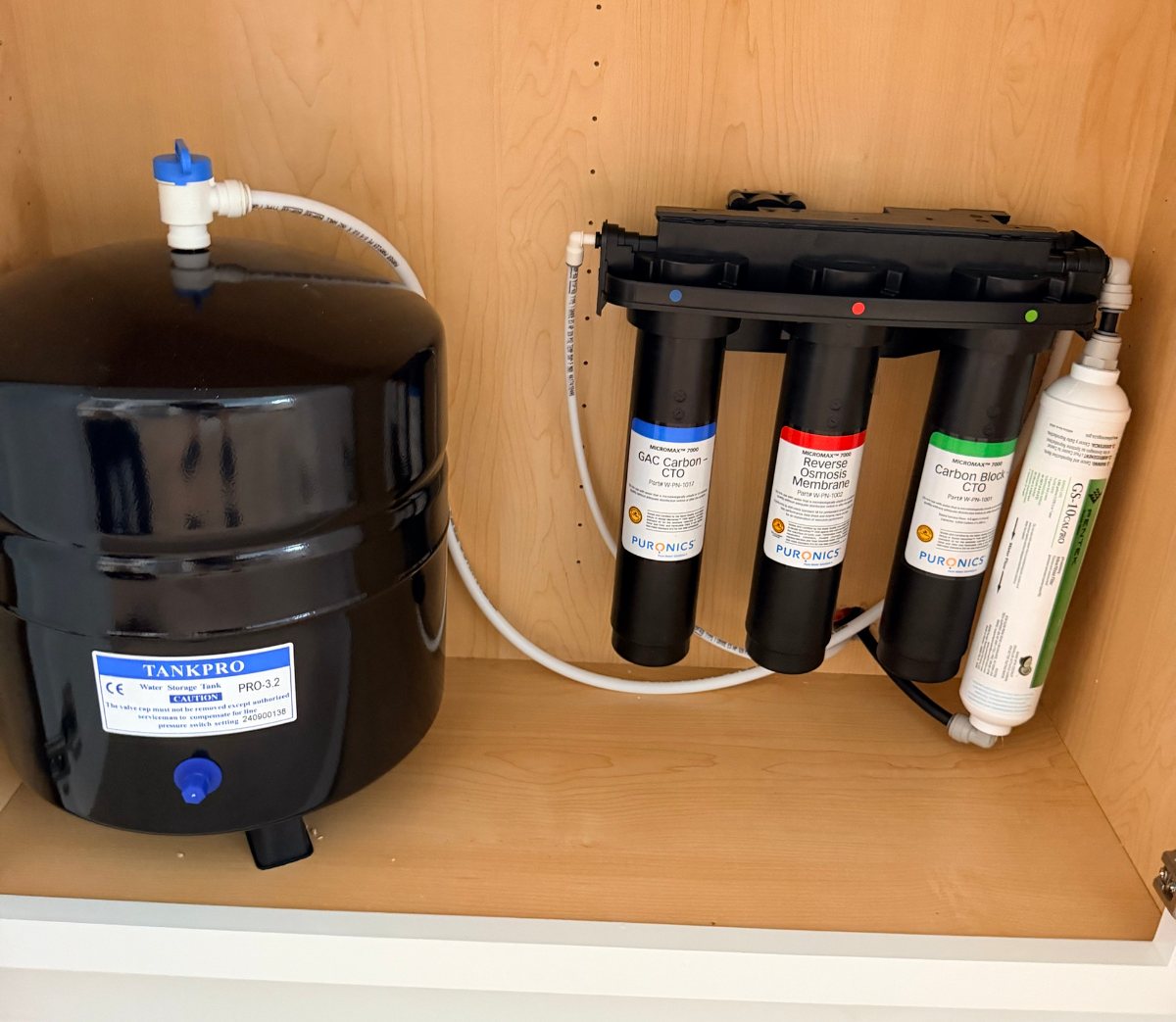
Real Bradenton jobs
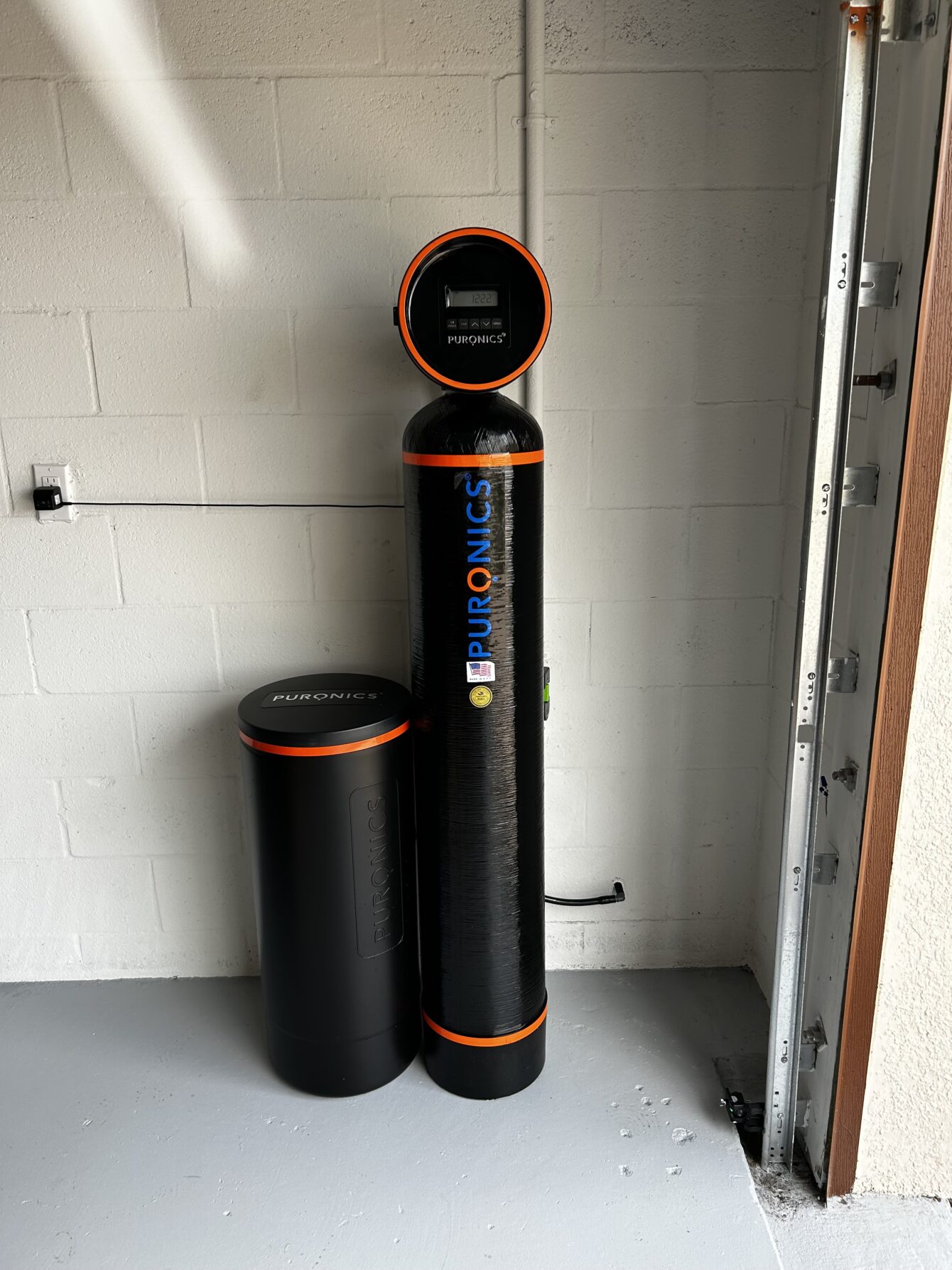
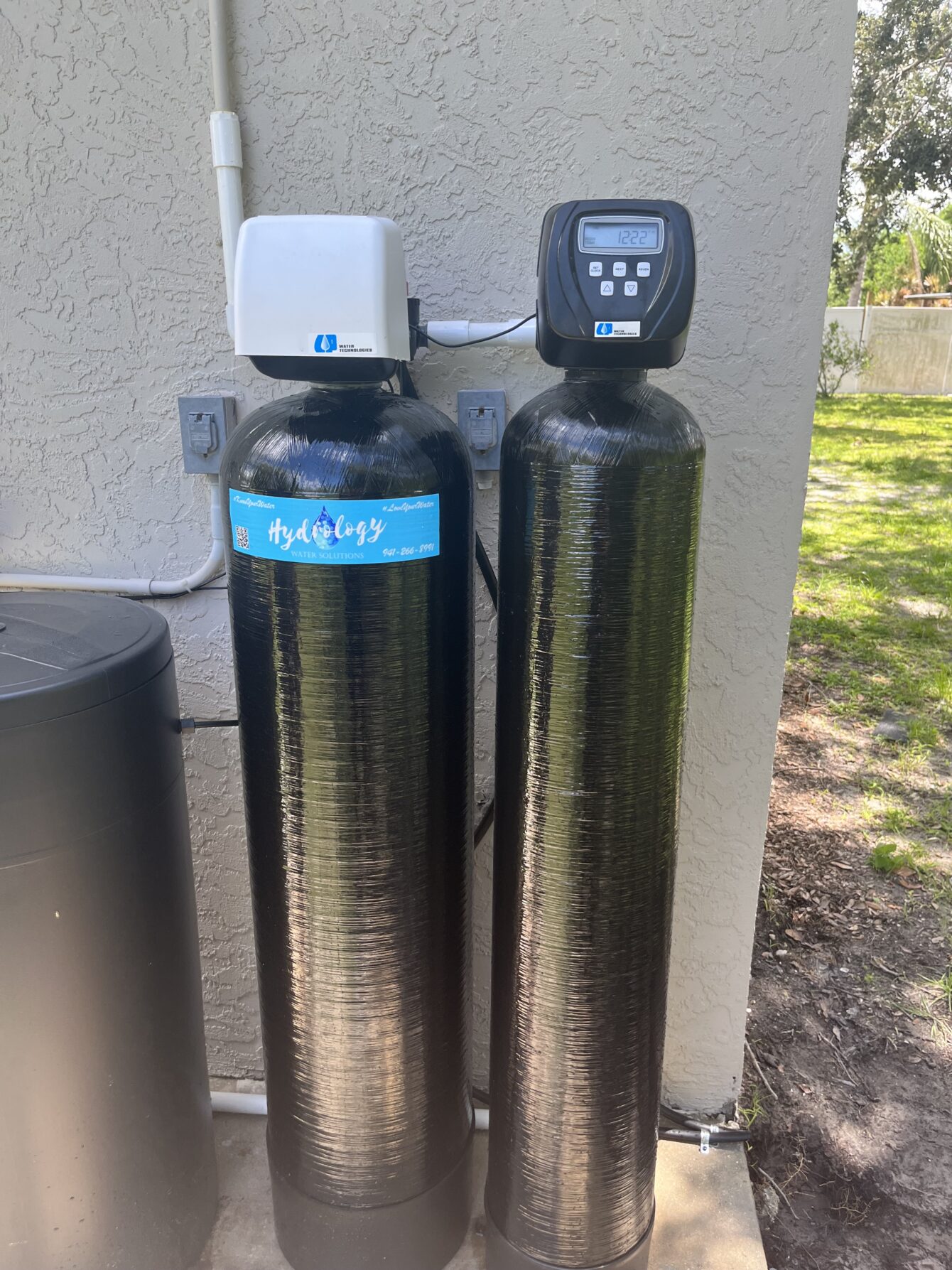
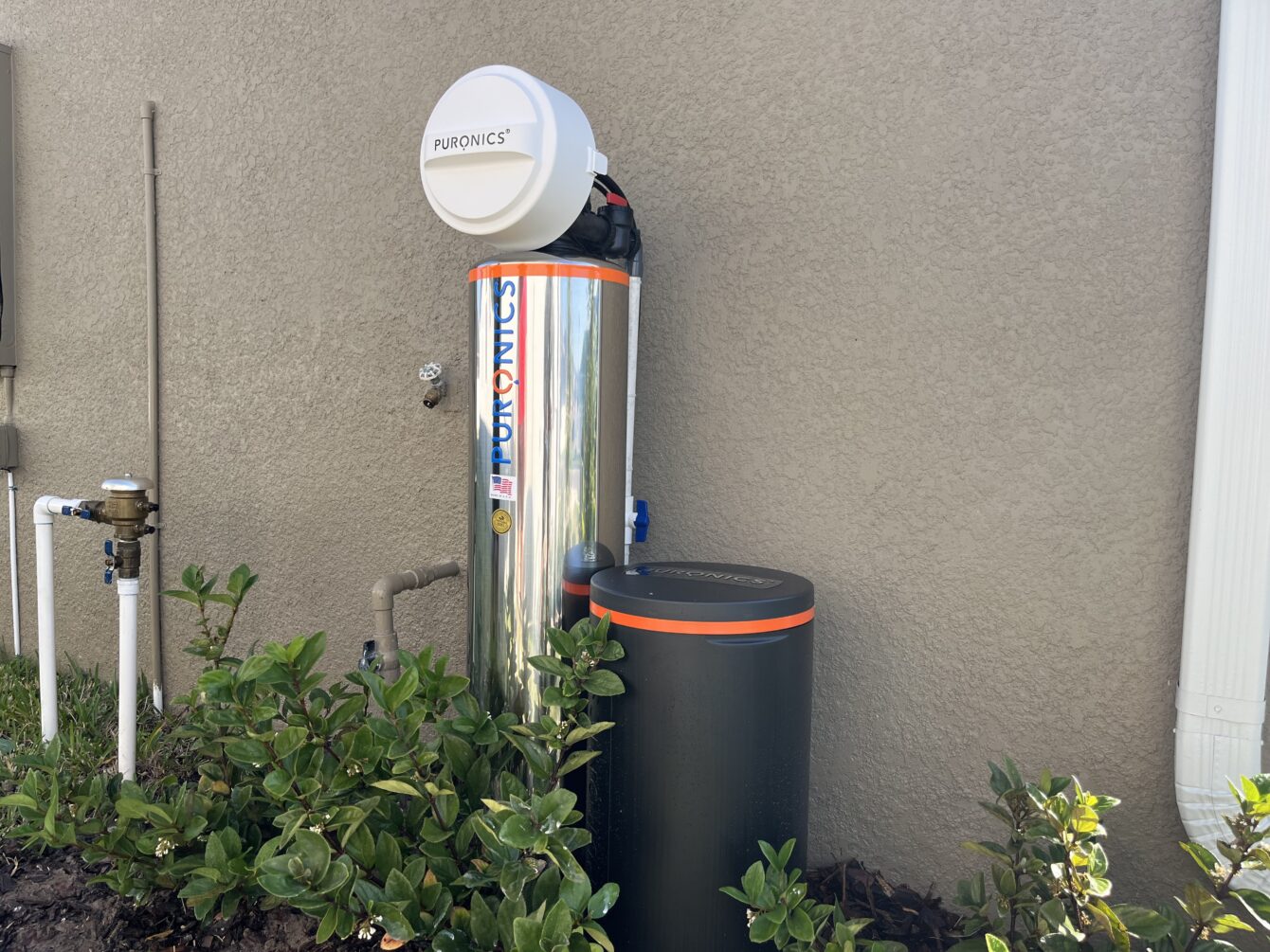
Filter day on a Bradenton Micromax 7000
The question we get most
“My TDS meter says my water is bad”
It’s come up with our own clients several times lately. A softener swaps calcium and magnesium for sodium — all of them dissolved solids — so a TDS meter reads about the same after a softener. That doesn’t mean the softener is broken. Reverse osmosis is what lowers TDS.
And a high reading on its own doesn’t mean the water is unsafe: a TDS meter can’t see lead, PFAS or bacteria. Here’s the full explanation →
Why RO goes at the kitchen sink, not the whole house
Reverse osmosis rinses part of the water it treats down the drain — the EPA says a typical under-sink unit sends five gallons or more to the drain for every gallon it makes. For the few gallons a day you drink and cook with, you won’t notice it on the bill. Run every shower and load of laundry through it and you would. That’s why the setup we recommend on city water is a softener for the house and RO at the kitchen tap.
Sources: City of Bradenton 2025 Water Quality Report; Manatee County Utilities 2025 Water Quality Report and Additional Water Quality Information 2025; U.S. EPA WaterSense.
Common questions
What people here
ask us first.
Straight answers about reverse osmosis on Bradenton water — city or county.
More water answers →
What hard water does to a home: the Battelle study →
Does reverse osmosis remove chloramine?
An RO system pairs the membrane with carbon filters. The carbon handles chlorine and chloramine taste and odor — the Micromax 7000 is certified to NSF/ANSI 42 for it — and the membrane takes out the dissolved solids that carbon can’t.
Why does Bradenton city water taste salty or bitter?
The City of Bradenton’s 2025 report lists sulfate at 288 mg/L and total dissolved solids at 550 mg/L — both above the EPA’s guidelines for taste. Reverse osmosis is the household system that brings both down.
Do I still need a softener if I get RO?
Usually, yes. RO treats the water you drink and cook with at one faucet. A softener protects the whole house — showers, water heater, fixtures — from hardness, and soft water going into the RO helps the membrane last.
Will an RO system raise my water bill?
Not noticeably. RO rinses some water down the drain as it works, but for the few gallons a day you drink and cook with, it’s a small slice of what the house uses. That’s why we put RO at the kitchen sink instead of on the whole house.
Does reverse osmosis remove PFAS?
Certified systems do. The Micromax 8500 is certified to NSF/ANSI 53 for PFOA and PFOS. Manatee County found none of 29 PFAS compounds in its 2024 testing; the City of Bradenton’s 2025 report doesn’t list PFAS results, so we recommend testing if it’s your concern.
Why does my TDS meter still read high after my softener?
Because a softener swaps hardness for sodium and both count as dissolved solids. It’s working as designed — RO is what lowers TDS. The full explanation is here.
Bradenton water guides
What your neighbors say
4.7★ from 212 Google reviews.
“I cannot say enough amazing things about this company and system! We had three companies come out and Hydrology stood out on every level.”
“We’ve had our system now a month and absolutely love it. My wife is a hair beautician with over 30 years of experience and definitely can tell the difference with the water.”
“Wow, I can definitely feel a difference in my hair, skin, and when I wash my hands. I knew getting a water softener was a priority and I’m so glad I decided to go with Hydrology.”
Every review is on our Google profile — read all of them there. We don’t cherry-pick; we just answer the phone.