Water answers · Taste & smell
Why does my water taste
earthy or musty?
Dirt, mildew, a damp basement: that taste is usually one of two natural compounds made by algae in reservoirs. Here’s how to tell whether it’s the water or the drain, why it comes and goes here, and what takes it out.
By Brad Germain, owner of Hydrology Water Solutions · Updated September 2026
4.7★ from 212 Google reviews · WQA Gold Seal Puronics dealer · Our own techs, no subcontractors
Request your free water test
★★★★★ 4.7 — a few details and we reach out, usually same day.
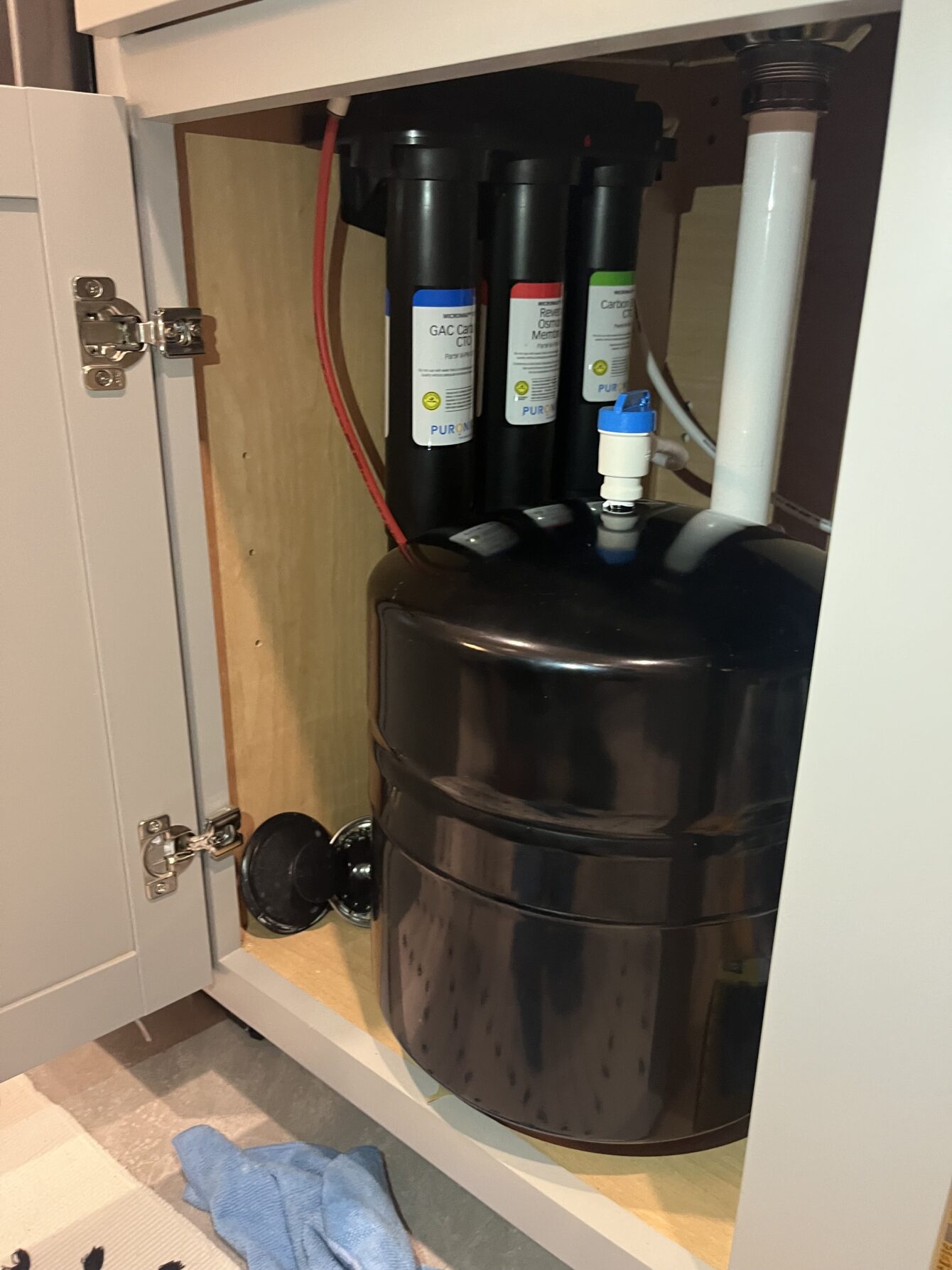
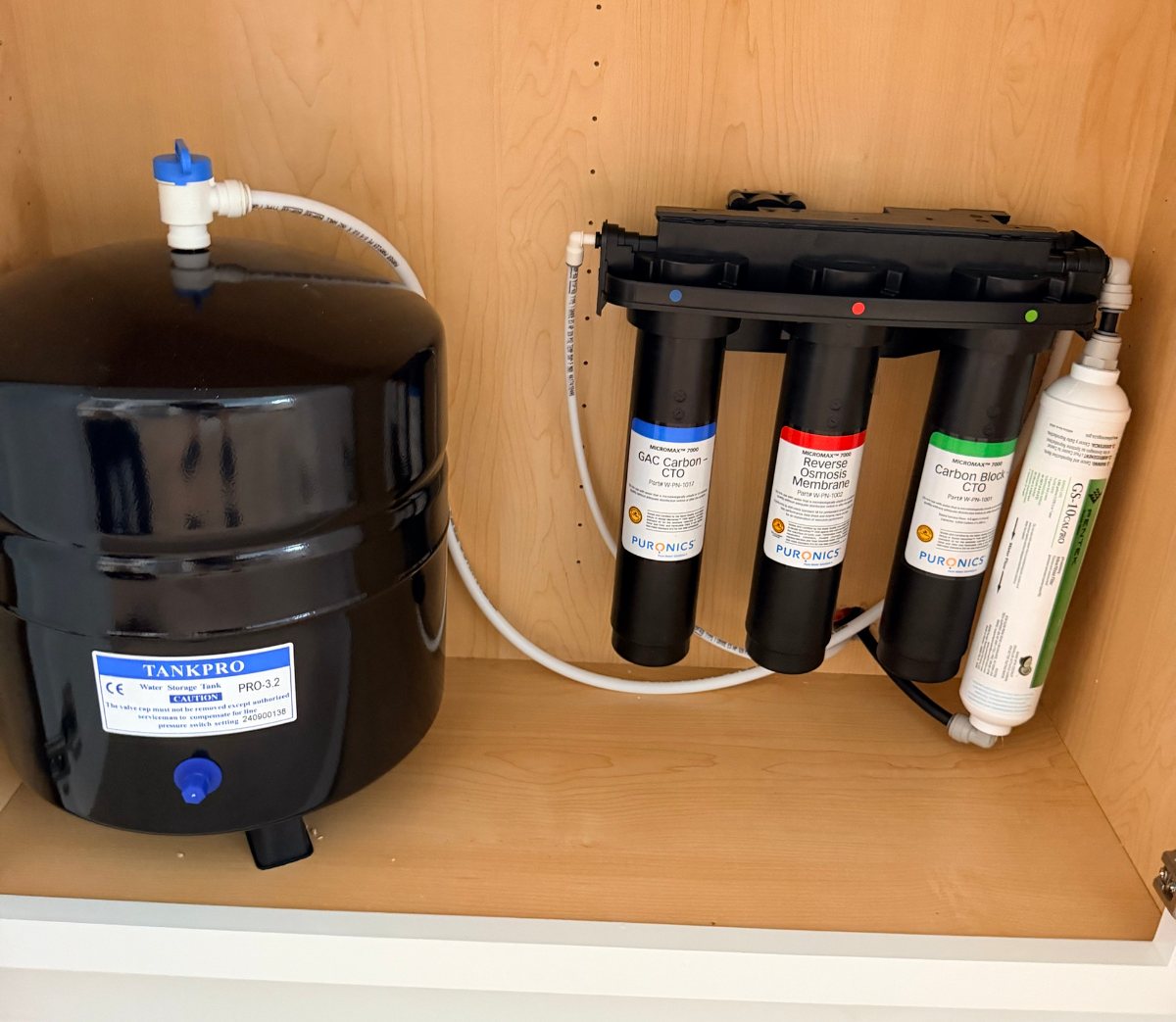
Our install · Micromax 7000 under a kitchen sink
The short version
An earthy or musty taste is usually geosmin or MIB (2-methylisoborneol), natural compounds made by algae in surface-water reservoirs. People can taste them at around 5 parts per trillion, so a tiny amount is noticeable. They tend to show up in warm months. There’s no federal limit for either, and activated carbon reduces them. First, make sure it’s the water and not the drain.
First: is it the water or the drain?
- Fill a glass of cold water and carry it to another room, away from the sink.
- Smell and taste it there. If it’s fine away from the sink, the smell is coming from the drain, not the water. Cleaning the drain and trap usually fixes it.
- Compare hot and cold. If only the hot water smells, and especially if it smells like rotten eggs, the water heater is the likely source. That’s a different problem. Why does my water smell like rotten eggs? →
- Try another faucet. The same taste at every tap points to the water itself.
What causes the earthy taste
Geosmin and MIB are produced by certain algae and bacteria that grow in lakes and reservoirs. Water utilities that monitor for them describe them as a taste and odor issue, and there’s no federal drinking water limit for either. They’re so noticeable because people can detect them at around five parts per trillion (nanograms per liter).
Growth, and the taste, usually rises in the warm months and can come and go for weeks at a time.
Why it shows up here
Much of the water around Bradenton comes from surface reservoirs, where algae grows. Manatee County draws most of its supply from the Lake Manatee Reservoir (about 34 million gallons a day in its 2025 report, alongside about 18 million gallons of groundwater). The City of Bradenton uses the Bill Evers Reservoir. Both are surface water, so seasonal taste changes are part of the picture.
We’ve written about the Lake Manatee taste and smell reports as they happened: Lake Manatee water taste and smell →
A different taste, like a pool or chemical smell, is usually the chloramine the utility adds, not algae. That one takes carbon built for chloramine. Chlorine vs chloramine →
What takes it out
- Activated carbon adsorbs geosmin and MIB. That’s the same approach utilities use when they treat for them.
- At the kitchen sink: a reverse osmosis system has carbon stages before and after the membrane. The Micromax 7000 starts with a carbon filter and finishes with a carbon block, and it has its own faucet next to your kitchen faucet.
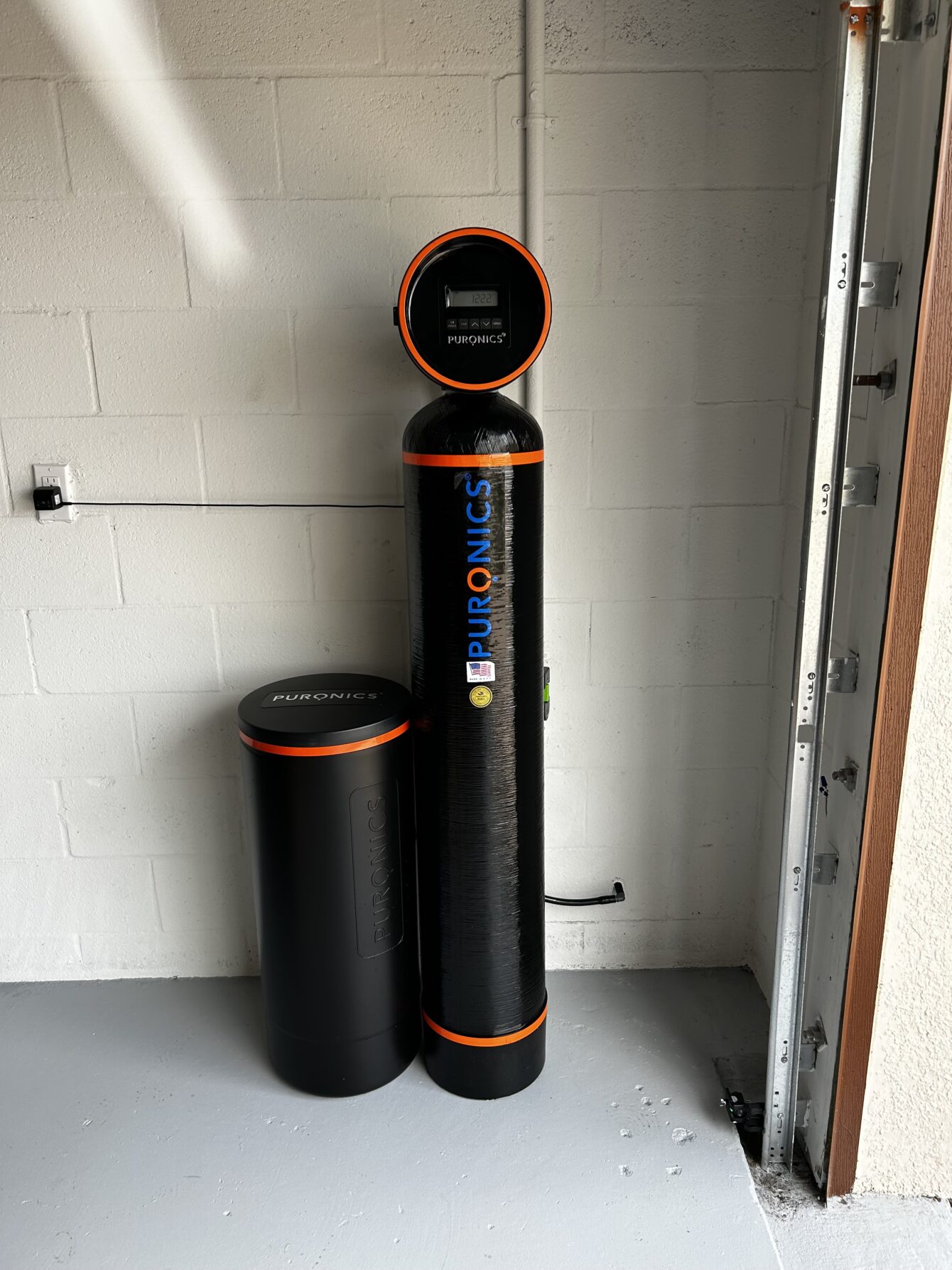
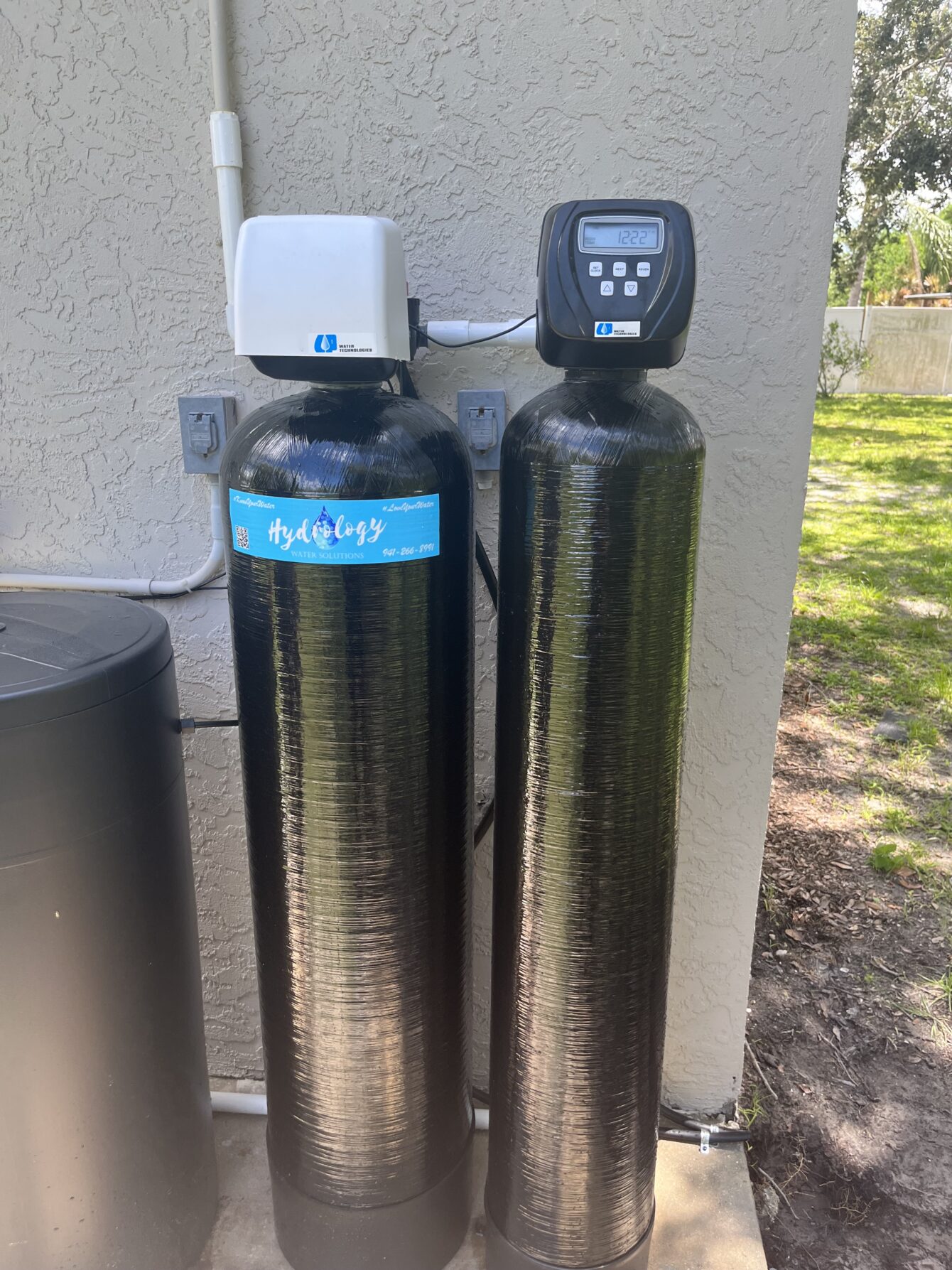
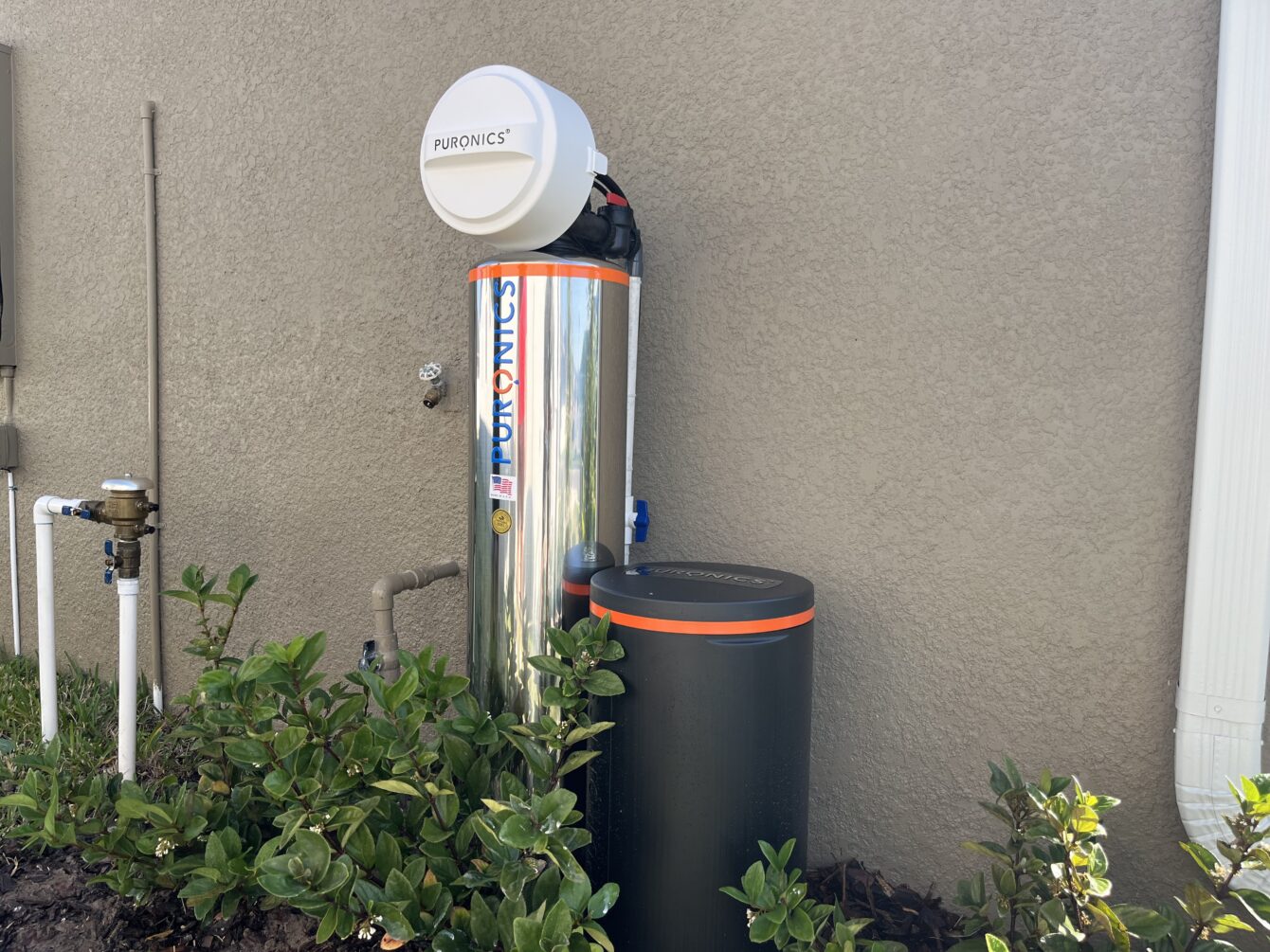
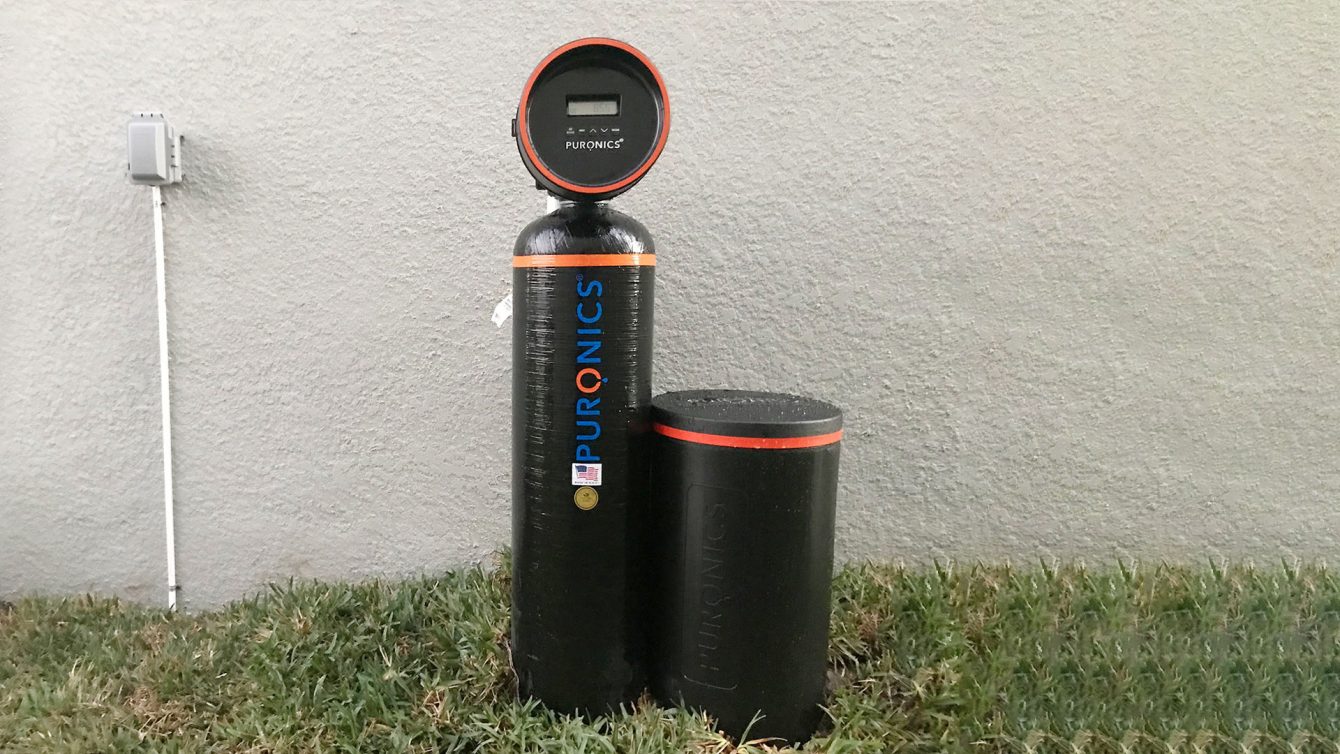
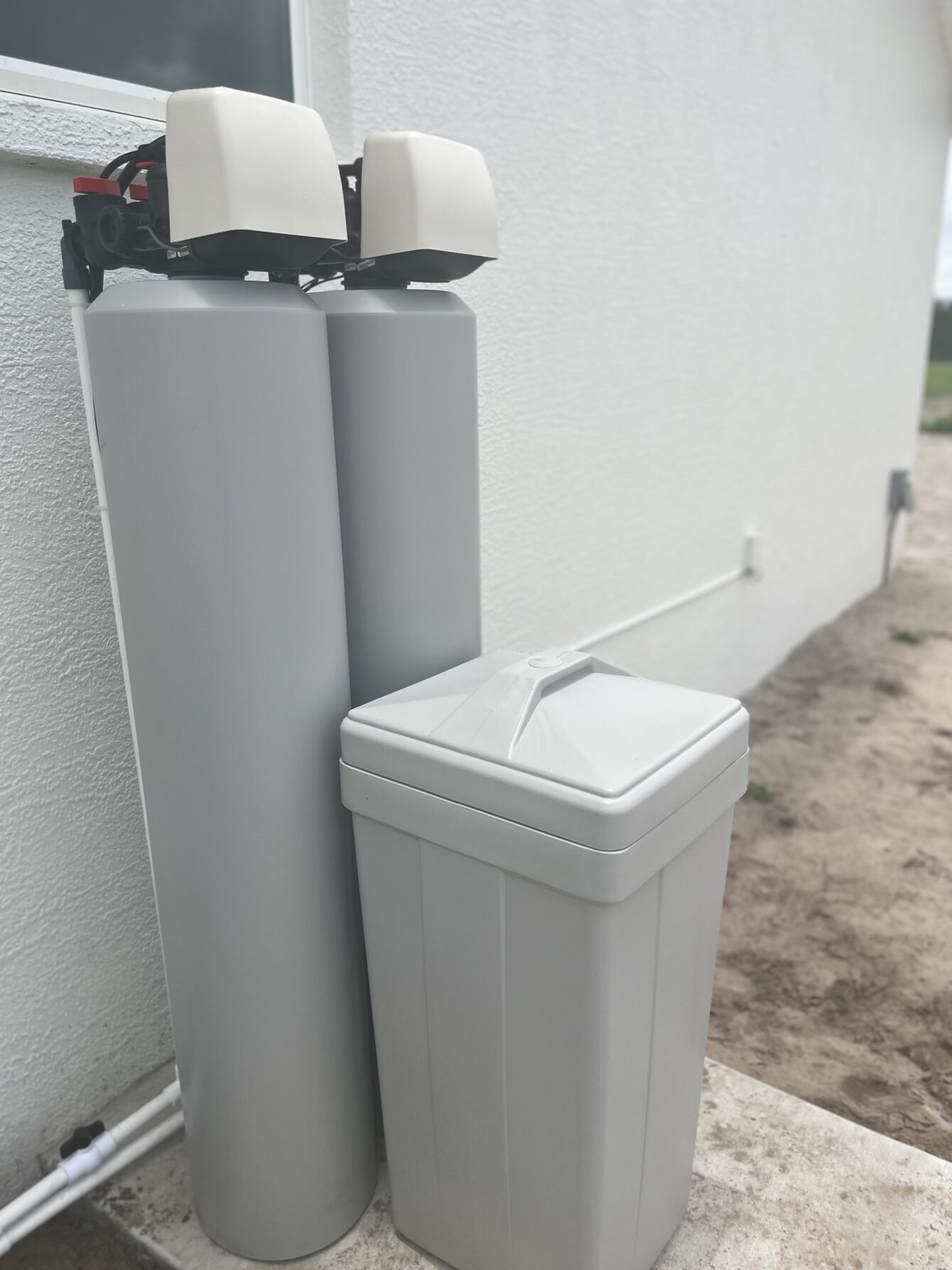
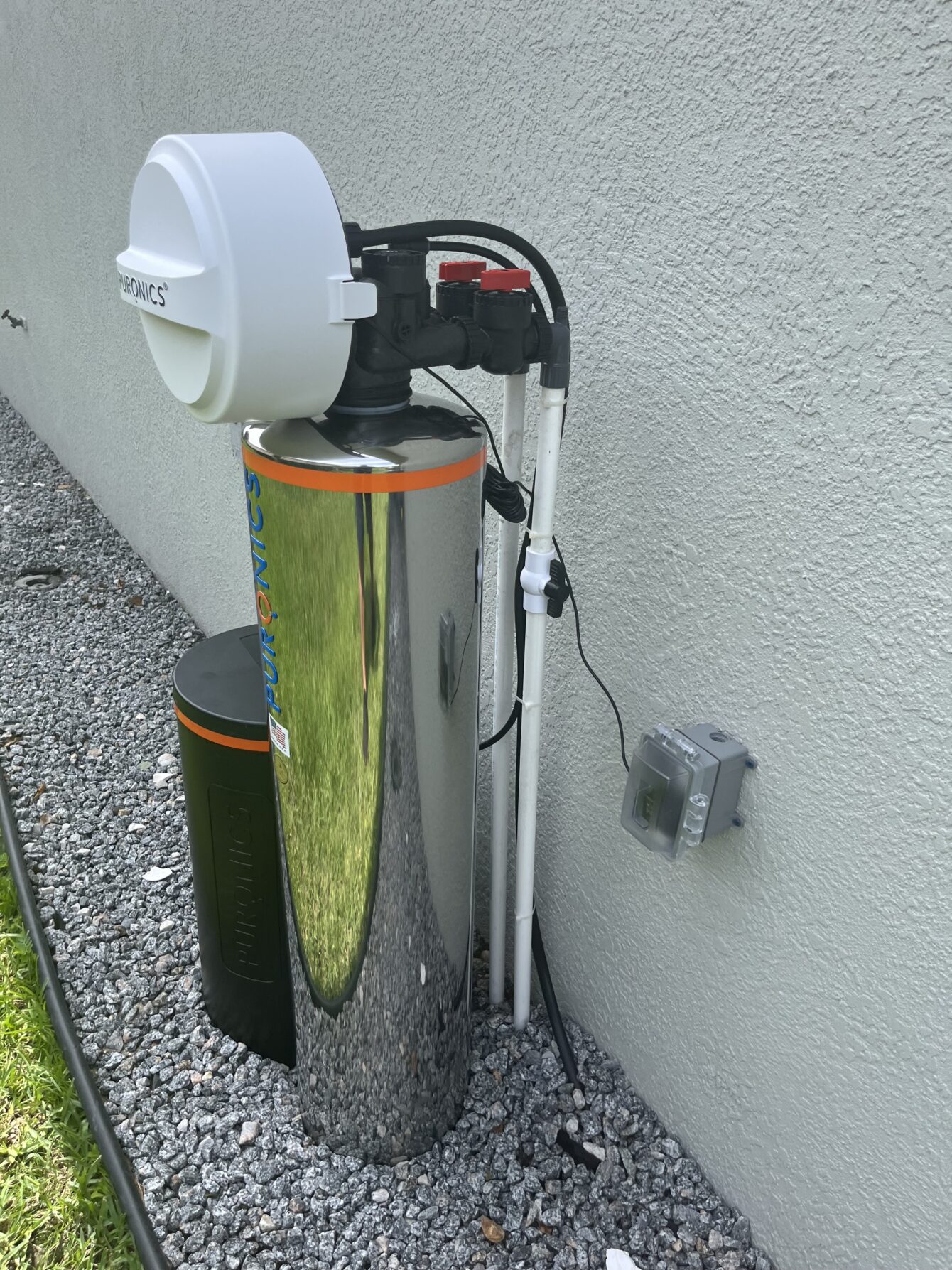
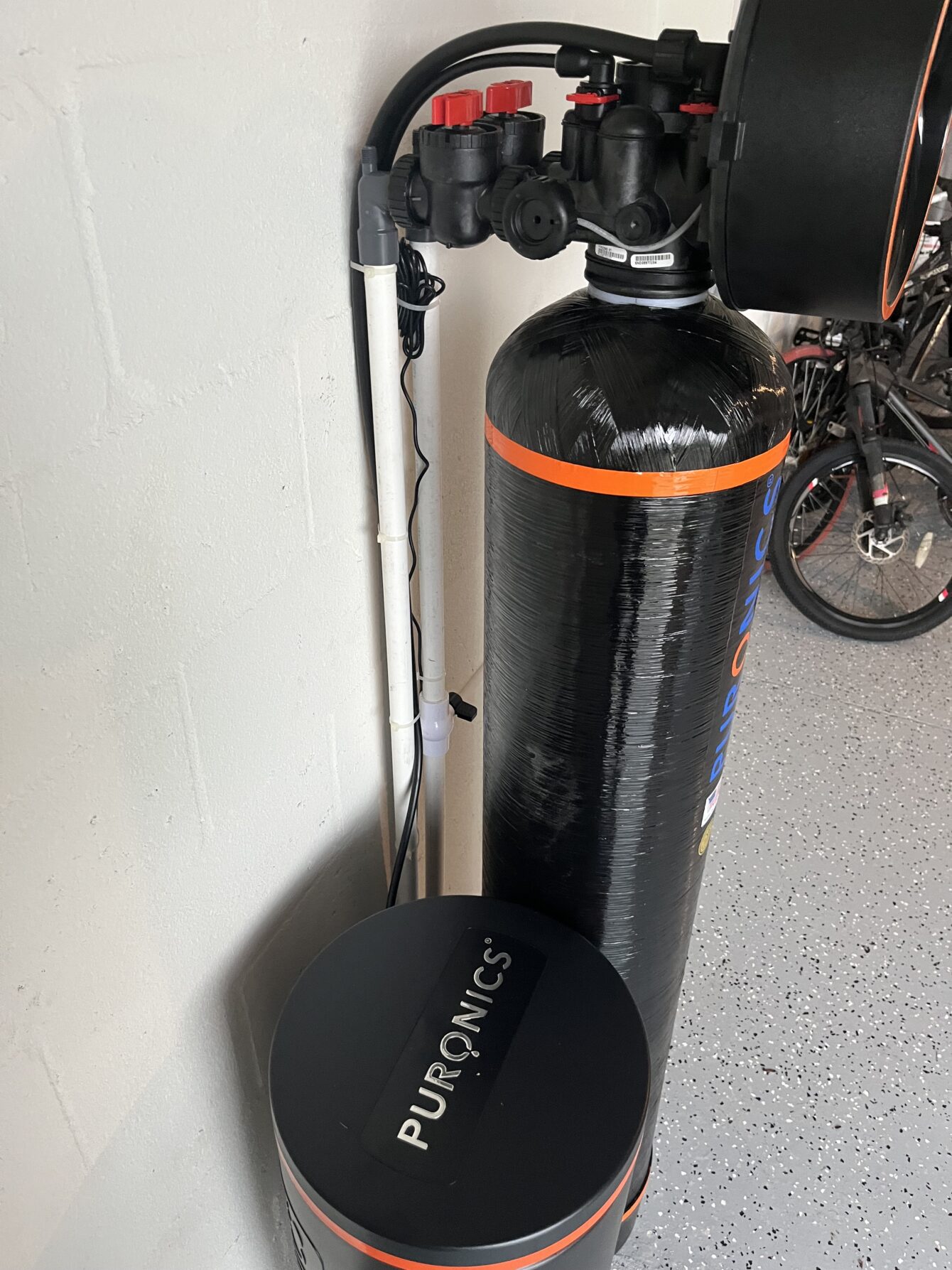
- Whole house: carbon ahead of the softener treats every tap and shower. We size it to your household and your water.
- Quick relief: chilling water in the fridge makes the taste less noticeable while you decide.
We don’t claim a certification for geosmin or MIB specifically. The NSF/ANSI 42 certifications on our carbon systems are for chlorine taste and odor.
When it’s not algae
- Private wells: a musty or swampy smell can come from iron bacteria or organic material in the well. Well water guide →
- A new system or filter: a filter that’s past its life can pass taste through, or start to smell itself. Change it on schedule.
- Rarely used taps: water that sits in the pipes can taste stale. Run it for a minute.
Common questions
Earthy and musty
water, answered.
The questions we hear when the taste changes.
More water answers →
What hard water does to a home: the Battelle study →
Why does my water taste like dirt?
Usually geosmin or MIB, natural compounds made by algae in surface-water reservoirs. People can taste them at around five parts per trillion, so a tiny amount is noticeable. It’s more common in warm months.
Is earthy-tasting water harmful?
Utilities that monitor geosmin and MIB describe them as a taste and odor issue, and there’s no federal limit for either. If the taste comes with a change in color or a boil-water notice, follow your utility’s instructions.
How do I know if it’s the water or my drain?
Fill a glass and taste it away from the sink. If it’s fine there, the smell is coming from the drain. If every tap tastes the same, it’s the water.
Does a water softener remove the earthy taste?
No. A softener removes hardness minerals. Activated carbon is what reduces geosmin and MIB, either at the kitchen sink or ahead of the softener for the whole house.
Will a reverse osmosis system remove it?
An RO system has carbon stages before and after the membrane, and carbon is what adsorbs these compounds. The Micromax 7000 starts and finishes with carbon.
Why does the taste come and go?
Algae growth in reservoirs rises and falls with temperature and weather, so the taste tends to appear in warm months and fade later.
Taste changed and not sure why?
We’ll test your water at the tap, rule out the drain and the water heater, and tell you straight what’s causing it. Book online or call 941-266-8991.
Related answers
Sources: Manatee County Utilities 2025 Water Quality Report (source water); City of Bradenton 2025 Water Quality Report; Columbia Water (SC), Geosmin and MIB; Water Quality Association taste and odor reference; Puronics Micromax 7000 specifications.